

 Emily Walker
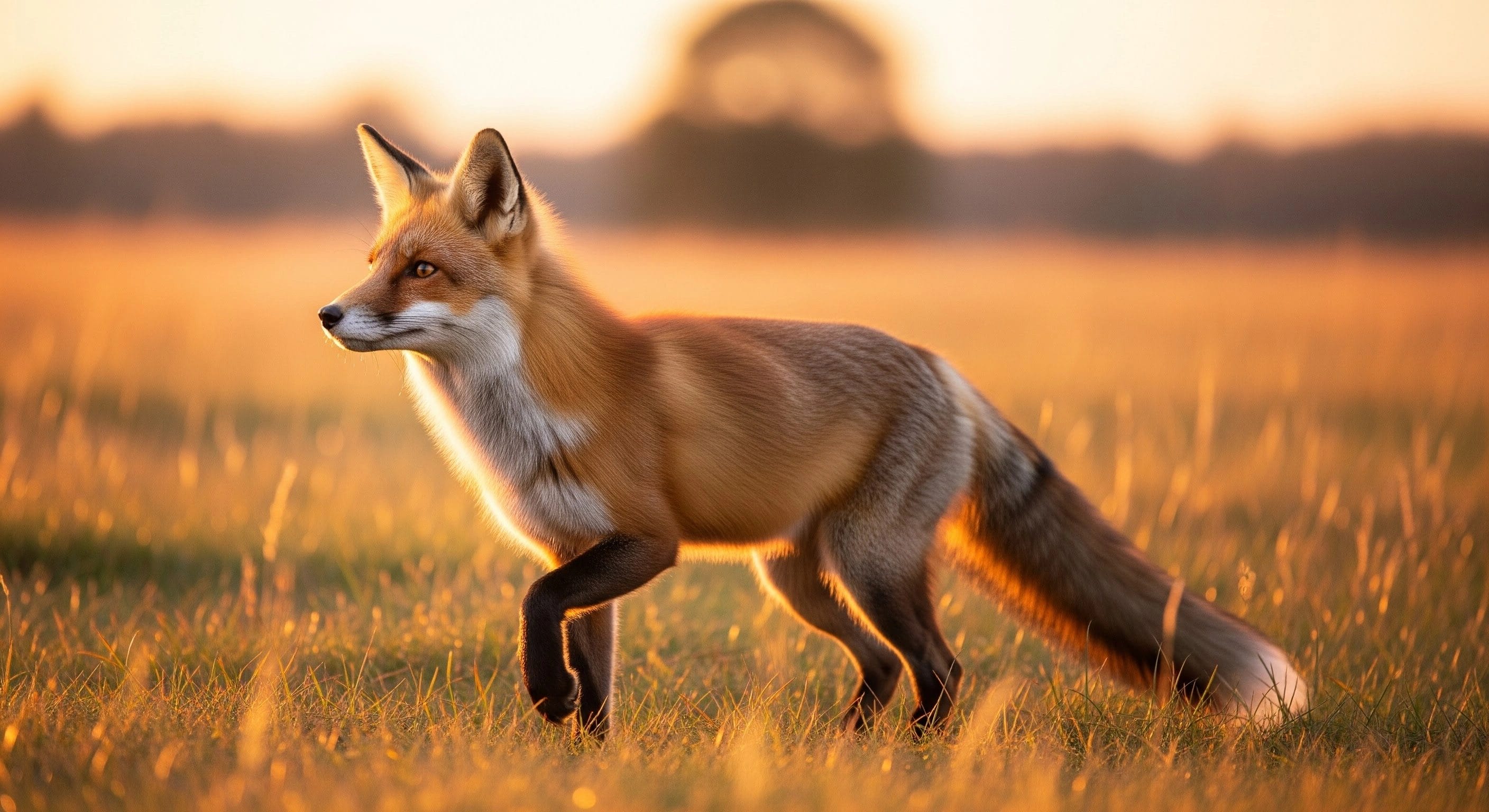
Foxes have fascinated people for ages — they’re the clever tricksters of myths, the survivors of every landscape from icy tundras to crowded cities.
These little red-tailed geniuses are part of the Canidae family (yep, dog relatives!) and have managed to thrive almost everywhere on Earth.
But here’s the thing: even foxes, with all their smarts and adaptability, are in trouble.
Between shrinking habitats, run-ins with humans, and the chaos of climate change, their world’s getting tougher by the day.
Habitat Loss and Fragmentation
Human growth and development are literally pushing foxes out of their own neighborhoods.
Everywhere we build — cities, farms, highways — we’re carving up what used to be wide-open wild spaces into tiny, disconnected patches.
And guess who’s stuck trying to survive in between it all? Yep, the foxes.
Agricultural Expansion
When forests and fields get turned into endless rows of the same crops, foxes lose both food and shelter.
It’s like replacing a whole buffet with just one boring meal.
With less prey around, many foxes end up sneaking closer to humans — raiding trash cans, dodging dogs, and risking their lives just to eat.
Researchers have actually seen fox numbers drop in areas where farming has gone full industrial.
Deforestation and Urbanization
Cutting down forests for development doesn’t just remove trees — it wipes out hunting grounds and breaks up family territories.
Once those connections are gone, fox populations become isolated, leading to inbreeding and weaker genetics over time.
Imagine being stuck on an island with no way to meet anyone new — that’s the fox version of modern suburbia.
The Result
All of this builds what scientists term “edge effects,” in effect, hazardous zones where human space and nature meet.
A fox attempting to cross a street or wend its way through a dog-plagued yard is taking its life in its paws just to move from one wooded area to another.
If we don’t conserve habitat corridors — those green umbilicals that connect wild country — foxes will not just lose land. They will lose their future.
Human-Wildlife Conflict: When Worlds Collide
As people spread out and fox habitats shrink, run-ins between humans and foxes are happening more often — and sadly, it’s usually the foxes who lose.
Persecution and Hunting
Foxes get a bad rap from farmers who blame them for stealing chickens or attacking livestock.
Sure, it happens sometimes, but research shows most foxes actually stick to hunting wild prey like mice, rabbits, and bugs.
Still, they’re often treated as pests and hunted anyway.
Even where “traditional” fox hunts are banned — like in the UK — other legal methods still target them.
In Australia, red foxes are considered invasive and heavily controlled, but even those programs haven’t completely solved the problem.
Poisoning and Trapping
Then there’s the dark side — poison and traps.
Foxes that eat poisoned rodents end up dying slow, painful deaths from what’s called secondary poisoning.
And traps? They’re often non-selective, meaning anything — foxes, pets, even harmless wildlife — can get caught.
It’s brutal and rarely effective at keeping ecosystems in balance.
Road Mortality: The Deadly Highway Threat
Roads are basically death traps for foxes.
Dozens of foxes every year get hit by cars attempting to cross highways that cut straight through their territory.
It is one of the main reasons for fox deaths in developed nations — primarily for young foxes venturing out of home and searching for new territory.
The Bigger Picture
Roads don’t just kill foxes — they divide populations.
When highways cut through habitats, fox families get stuck in smaller pockets, making it harder for them to find mates and keep their gene pool healthy.
Some even start avoiding certain areas altogether, which means losing access to food and shelter.
The Fix (That’s Barely Used)
Things like wildlife tunnels and green bridges actually work — they help foxes and other animals cross safely.
But here’s the problem: most regions don’t bother building them.
So while traffic keeps getting faster, foxes are left to play a deadly game of “cross the road” they almost never win.
Disease and Parasites: Invisible Killers
Not all threats to foxes come from humans or highways — some are microscopic.
Diseases and parasites can wipe out fox populations fast, especially when the animals are stressed, overcrowded, or short on food.
Rabies
Once a huge problem for foxes in Europe and North America, rabies doesn’t just kill — it also triggers mass culling programs out of fear.
The good news? Vaccination campaigns using bait have worked in many areas, showing that humans can help instead of harm when we get it right.
Mange
This one’s brutal. Tiny mites cause mange, making foxes itch like crazy, lose fur, and get nasty skin infections. In cold weather, that can be a death sentence.
During outbreaks, urban fox numbers can crash by over 90%. Imagine an entire city’s foxes disappearing almost overnight — that’s how devastating mange can be.
Canine Distemper Virus
Another big one, spread from domestic dogs.
It messes with the nervous system, causes breathing issues, and usually ends in death.
It’s a harsh reminder that what humans do with pets and disease control directly affects wild foxes too.
Other Infections
Foxes can also pick up things like leptospirosis, toxoplasmosis, and gut parasites — all of which weaken them, especially if they’re already battling hunger or cold.
Sometimes, it’s not one big disaster that kills foxes — it’s all these little invisible ones piling up.
Climate Change: Shifting Landscapes and Uncertain Futures
Climate change is rewriting the rules of survival for foxes everywhere — from the icy Arctic to the hottest deserts.
The places they’ve called home for generations are changing faster than they can adapt.
Arctic Fox Populations
These ghostly white foxes are suffering the most.
As the Arctic melts, their icy habitat is disappearing — literally.
More assertive, larger red foxes are taking over and forcing them off their territory.
It’s like when your gruff older cousin moves into your bedroom and gobbles all your food.
Scientists warn that if Earth continues to warm, Arctic foxes may lose massive areas of their home base — or go extinct altogether in some areas.
Changing Prey Availability
When climate change messes with plants, rain, and seasons, prey animals like rodents and rabbits also shift around or disappear.
That means foxes can’t rely on their usual food cycles. Less food equals less energy for raising kits — and that’s bad news for future generations.
Extreme Weather Events
Heatwaves, floods, and brutal storms are becoming more common, and foxes feel every bit of it. Droughts dry up prey and water sources, while violent weather can kill young kits in their dens. Climate change isn’t some distant threat — it’s already shaking up the fox world right now.
Pollution and Environmental Contaminants
Foxes might look like they’re thriving near cities and farms, but the truth is — they’re getting poisoned by the modern world.
Every bite they take and every scrap they scavenge could be loaded with toxins we’ve left behind.
Chemical Pollutants
Stuff like pesticides, heavy metals, and factory chemicals build up in the bodies of the animals foxes eat — and eventually, in the foxes themselves.
It’s like eating secondhand poison.
These chemicals mess with their immune systems, cause fertility problems, and lead to long-term health issues.
Studies have even found urban foxes carrying shocking amounts of lead and mercury — the kind of stuff that’d make a human seriously sick too.
Plastic Pollution
Here’s the wild part: foxes that rummage through our trash sometimes eat bits of plastic without realizing it.
That can block their guts or leak toxic chemicals into their bodies.
Imagine trying to survive off garbage only to have it slowly kill you from the inside — that’s the ugly side of pollution most people never think about.
Conservation Efforts and Hope for the Future
Listen — it’s not all doom. Foxes are stubborn survivors, and for real, there are things people are doing that actually help.
Targeted conservation work has scored real wins, so hope isn’t just a mood — it’s backed by results.
Legal Protections
Laws and protected areas have stabilized some fox populations.
Creating habitat reserves, wildlife corridors, and road-crossing fixes (think tunnels and underpasses) actually gives foxes room to move and breed without playing frogger.
Disease programs — like those oral rabies baits — have worked in places, protecting foxes and people at the same time.
Public Education
This one’s huge. When communities learn that foxes mostly help control pests and aren’t mindless troublemakers, attitudes shift.
Cities where people manage trash and secure poultry see less conflict — urban foxes can coexist with humans if we stop being careless and freaked out.
Imagine neighborhoods where people respect fox spaces instead of chasing them off — that’s possible.
Research and Monitoring
Science is doing the heavy lifting: years-long studies monitor populations, identify building threats before they are dangerous, and experiment to determine what works.
Information informs conservationists where to target: what corridors to defend, how and where to vaccinate, when and where to act.
It’s glacial sometimes, but it’s accurate — and that accuracy saves lives.
Conclusion: Navigating an Uncertain Future
Foxes are up against a ton right now — shrinking habitats, deadly roads, disease, and the chaos of climate change.
But if there’s one thing foxes have proven again and again, it’s that they’re survivors.
These clever canids have adapted to everything from frozen tundras to city streets — but they can’t do it alone anymore.

- Catahoula Leopard Dog: The Complete Guide to Louisiana’s State Dog - August 12, 2026
- Can Cats Eat Watermelon? What Every Cat Owner Should Know - August 10, 2026
- Lapponian Herder: The Complete Guide to Finland’s Reindeer Dog - August 5, 2026
GIPHY App Key not set. Please check settings