

 Emily Walker
If you’ve ever noticed your cat staring way too hard at your peanut butter sandwich, you’re not alone. It’s kind of funny—like they think they’re about to discover the secret to human snacks.
But before you offer a lick, here’s the real deal from someone who knows cats: peanut butter and cats don’t mix well.
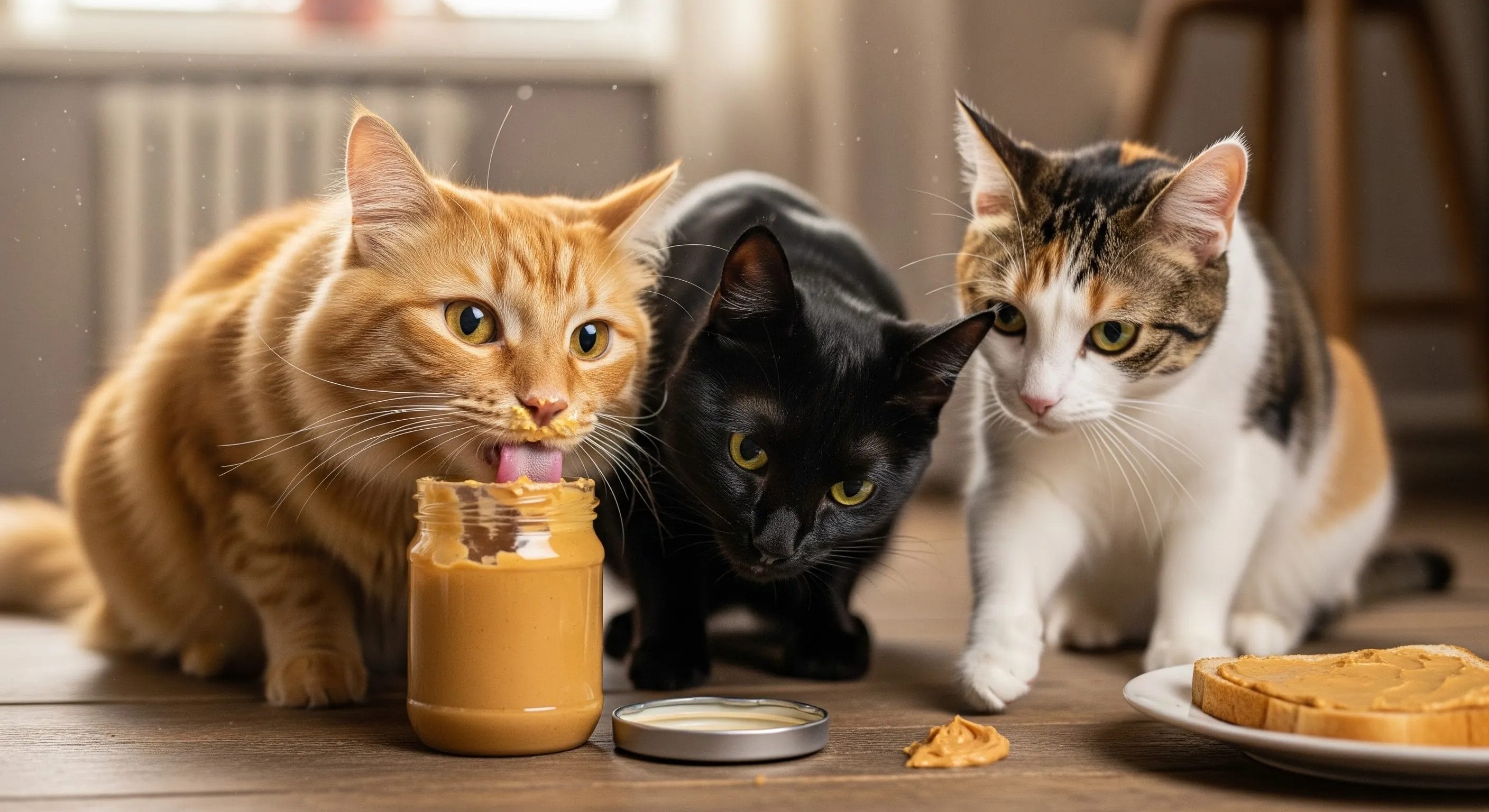
The Short Answer: Technically Yes, But Proceed With Caution
Sure, peanut butter isn’t toxic to cats, so a tiny taste probably won’t send them to the vet. But that doesn’t mean it’s a good idea.
Cats are hardcore meat-lovers—like, biologically built to eat meat and only meat. Peanut butter gives them zero benefits and can actually cause tummy trouble, choking, or weight issues if it becomes a habit.
Dogs might go wild for peanut butter, but cats? Their bodies just aren’t made for it. Think of it like this: you could eat dog food, but… why would you?
Understanding Your Cat’s Unique Nutritional Needs
Before we even argue about peanut butter, you’ve gotta understand one big thing about cats: they’re built different.
I’ve seen cats turn their noses up at “healthy” foods like they’re personally offended—and honestly, their biology backs them up.
Obligate Carnivores by Nature
Cats are full-on meat machines. Their bodies are designed to run on animal protein, not plants. They need special nutrients—like taurine and arginine—that basically only come from meat.
Plants just don’t cut it. So even if a food isn’t “poisonous,” it can still be totally useless for them.
The Potential Risks of Feeding Peanut Butter to Cats
I get it—your cat looks at peanut butter like it’s forbidden treasure. But trust me, as someone who’s seen cats regret bad snack choices, this is one treat that causes more problems than joy.
High Fat Content and Obesity Concerns
Peanut butter is basically a fat bomb. One spoonful can be almost half of a cat’s daily calories.
For a tiny animal that naps 16 hours a day, that’s a fast track to becoming a chunky loaf—and overweight cats face real health issues, not just fewer jumps onto shelves.
Choking Hazard and Digestive Difficulties
That sticky texture? Super risky. Peanut butter can glue itself to a cat’s mouth or throat, which is scary fast. And even if they swallow it, their stomachs aren’t built for plant foods, so you might be cleaning up vomit, diarrhea, or dealing with one very uncomfortable cat.
Possible side effects include:
- Vomiting
- Diarrhea
- Gas and bloating
- Constipation
Added Ingredients and Hidden Dangers
Here’s where it gets serious. Peanut butter isn’t just peanuts anymore.
Xylitol: A Deadly Sweetener
Some peanut butters contain xylitol, and that stuff is bad news. It can cause low blood sugar and liver failure in pets. If you see xylitol on the label, that jar should be nowhere near your cat. Ever.
Salt and Sugar
Extra salt and sugar do nothing good for cats. Too much salt messes with kidneys and the heart, and sugar just increases the risk of obesity and diabetes.
Hydrogenated Oils and Preservatives
These are filler ingredients that help peanut butter last longer—but they can upset your cat’s stomach and add zero value.
Peanut Allergies in Cats: A Rare But Real Concern
While peanut allergies are less common in cats than in humans, they do occur. According to veterinary dermatologists, cats can develop food allergies to various proteins, including those found in peanuts.
Signs of an allergic reaction in cats may include:
- Itching and excessive grooming
- Skin redness or rashes
- Swelling of the face, ears, or paws
- Gastrointestinal symptoms like vomiting or diarrhea
- Respiratory distress in severe cases
If you notice any of these symptoms after your cat consumes peanut butter, discontinue immediately and consult your veterinarian.
Why Do Some Cats Show Interest in Peanut Butter?
Cats don’t actually crave peanut butter the way humans do. They can’t even taste sweet. What they do notice is fat—and peanut butter is loaded with it.
Add in that amazing smell and a cat’s natural “What are you eating and why didn’t you share?” attitude, and suddenly your sandwich becomes fascinating.
Sometimes it’s not about food at all—it’s just curiosity and FOMO.
Healthier Treat Alternatives for Your Cat
Rather than offering peanut butter, consider these cat-appropriate treats that align with your feline’s nutritional needs:
Protein-Based Options
- Plain cooked chicken, turkey, or fish – Small pieces of unseasoned, boneless meat make excellent treats
- Freeze-dried meat treats – These concentrated protein sources are specifically formulated for cats
- Commercial cat treats – Choose high-quality options with meat as the primary ingredient
Interactive Feeding Ideas
- Puzzle feeders with kibble – These engage your cat’s natural hunting instincts
- Cat grass – Many cats enjoy nibbling on cat-safe grasses, which can aid digestion
- Catnip or silvervine – These herbs provide entertainment and stimulation
What to Do If Your Cat Ate Peanut Butter
If your cat has consumed a small amount of peanut butter, don’t panic. Monitor them closely for the next 24-48 hours for any signs of digestive upset or allergic reaction.
When to Contact Your Veterinarian:
- Your cat consumed peanut butter containing xylitol
- Symptoms of choking or respiratory distress appear
- Vomiting or diarrhea persists for more than 24 hours
- Signs of an allergic reaction develop
- Your cat has pre-existing health conditions like diabetes, kidney disease, or pancreatitis
The Bottom Line: Skip the Peanut Butter
Even though peanut butter isn’t straight-up poison, it’s still a bad deal for cats. No nutrition, lots of calories, choking risks, tummy trouble, and sneaky ingredients like xylitol that can be dangerous. That’s a long list of “nope” for one tiny lick.
Cats are meat experts. Their bodies want protein from animals, not people snacks. The best treats are simple, meaty, and made for cats—no fillers, no weird extras.

- Does Cat Litter Melt Ice? The Complete Guide to Winter Safety - January 30, 2026
- Happy Tail Dogs: Understanding This Common Canine Condition - January 29, 2026
- How Cold Can Outdoor Cats Handle? Feline Winter Safety - January 27, 2026
GIPHY App Key not set. Please check settings