

 Emily Walker
If you’ve ever leaned in for a cute cat cuddle and immediately regretted it because of that breath, you’re definitely not alone.
Cat bad breath (yep, it’s called halitosis) is one of the top things pet owners complain about. A tiny bit of smell? Normal.
Breath that makes you flinch? That’s your cat waving a red flag. Knowing why it happens matters, because bad breath is often your first clue that something isn’t right with your cat’s health.
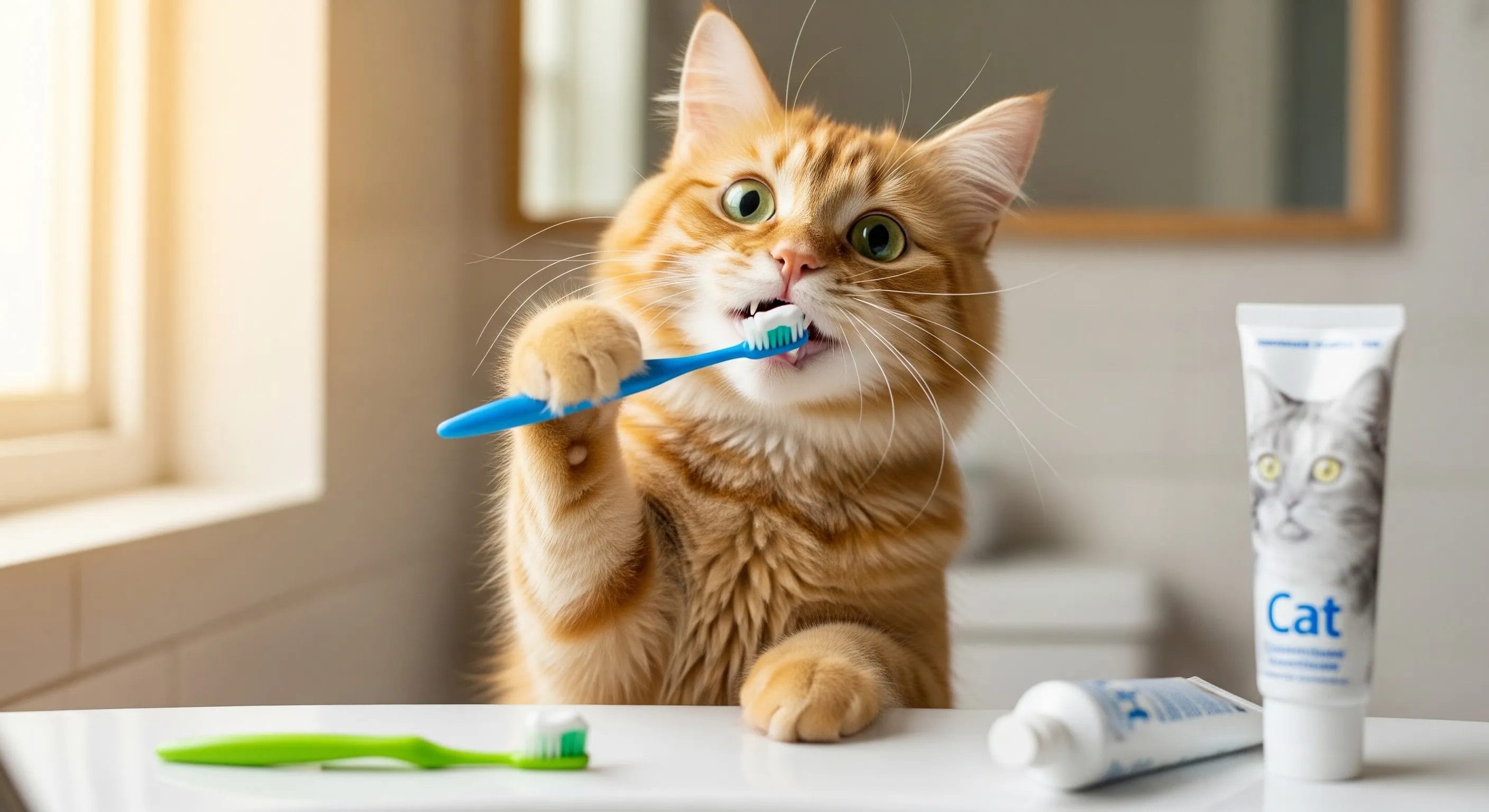
Why Does My Cat’s Breath Smell Bad?
Your cat’s mouth isn’t supposed to smell like minty gum, but it also shouldn’t smell like garbage day. When it does, something’s usually wrong.
Vets say about 7 out of 10 cats already have dental problems by age three, which is wild, right? And teeth issues are the number one reason for stinky breath.
But here’s the twist: bad breath isn’t just about teeth. That smell can be your cat’s way of saying, “Hey, I need help.” It might be food-related, or it could point to bigger health problems.
Think of their breath like a warning text message—you don’t want to ignore it.
Primary Causes of Cat Bad Breath
Let me put it this way: when your cat yawns and you feel like you just opened an ancient tomb, that smell didn’t come out of nowhere.
Your cat’s breath is basically a gossip channel—it tells you everything that’s going on inside their body.
Dental Disease and Periodontal Problems
The biggest troublemaker behind cat bad breath? Teeth. Always the teeth.
Think about it: your cat never brushes, never flosses, and still expects kisses. Bold move.
Plaque and Tartar Buildup
Yep, cats get plaque just like humans. That sticky gunk builds up fast and can harden into tartar in a day or two.
Once tartar shows up, bacteria throw a party on your cat’s teeth—and the smell is the aftermath. The rougher the teeth get, the stinkier things become.
Gingivitis
When plaque hangs out near the gums, the gums get mad. Red, swollen, sometimes bleeding—this is gingivitis.
The bacteria here release sulfur smells that make your cat’s breath smell like rotten eggs. If your cat pulls away when you touch their mouth, this could be why.
Periodontal Disease
Ignore gingivitis long enough, and it levels up into periodontal disease. This is the serious stuff—bone loss, exposed roots, loose teeth.
These deep infections smell awful and can even send bacteria into the bloodstream. Bad breath here isn’t just gross—it’s dangerous.
Tooth Resorption
This one’s sneaky and painful. Tooth resorption means the tooth slowly breaks down and gets absorbed by the body. Sounds sci-fi, right? It’s super common in cats.
Tiny holes form, bacteria move in, and boom, bad breath plus serious pain. Many cats suffer silently, which is heartbreaking.
Dietary Factors
What your cat eats matters more than you think.
Food Quality and Ingredients
Some foods—especially fish-based ones—just smell stronger. Fish is healthy, sure, but it leaves behind a lingering “sea monster” breath. Low-quality foods and weird preservatives can make things worse.
Food Stuck in Teeth
Wet food is delicious… and messy. Bits can get stuck between teeth, rot there, and create that trash-can smell. Cats that only eat wet food can have this issue more often since dry food does a little scraping as they chew.
Oral Infections and Stomatitis
Sometimes it’s not just the teeth—it’s the whole mouth.
Feline Stomatitis
This is brutal. Stomatitis causes severe inflammation and painful ulcers all over the mouth. Cats with this condition are miserable, and the bacteria thrive in those wounds.
The smell? Intense. If your cat drools, avoids food, or acts grumpy, this could be the reason.
Oral Tumors
Rare, but serious. Oral tumors can get infected and smell terrible. The most common one, squamous cell carcinoma, can look like a weird lump or sore that won’t heal.
Any strange growth plus bad breath = vet visit, ASAP.
Systemic Diseases
Here’s the plot twist: sometimes the mouth is innocent.
Kidney Disease
Older cats especially can develop kidney disease. Their breath may smell like ammonia—or even urine.
That’s because toxins aren’t being filtered properly and end up coming out through the lungs. If your cat’s breath smells chemical, don’t ignore it.
Diabetes
Sweet or fruity breath might sound nice, but it’s actually scary. That smell comes from ketones and can mean diabetic ketoacidosis—a medical emergency.
If your cat seems weak, thirsty, or weird and smells sweet, get help immediately.
Liver Disease
Liver problems can make breath smell musty or moldy, like an old basement. Since the liver filters toxins, when it struggles, those toxins show up in surprising places—including your cat’s breath.
Gastrointestinal Problems
Sometimes the stink comes from below. Issues like reflux or gut inflammation can push nasty gases upward. It’s less common in cats, but it happens—and it’s worth checking out if nothing else explains the smell.
Identifying Problematic Cat Bad Breath
Not all cat breath odors warrant immediate concern, but certain characteristics and accompanying symptoms should prompt a veterinary visit:
- Persistent foul odor that doesn’t improve with dental treats or dietary changes
- Ammonia or urine-like smell suggesting possible kidney problems
- Sweet or fruity odor potentially indicating diabetes
- Accompanying symptoms such as excessive drooling, difficulty eating, pawing at the mouth, weight loss, increased thirst, or behavioral changes
- Visible signs including red or bleeding gums, loose teeth, visible tartar buildup, or mouth sores
Preventing and Treating Cat Bad Breath
Good news: stinky cat breath is not your destiny. With a little effort (and maybe some bribes), you can seriously improve your cat’s breath—and their health.
Home Care Strategies
This is the stuff you can do at home, no lab coat required.
Regular Dental Brushing
I know, I know—brushing a cat’s teeth sounds like a boss battle. But it’s the best thing you can do. Daily brushing is the gold standard.
Always use toothpaste made for cats (human toothpaste is a big no-no—it’s toxic). Start slow. Let them sniff the brush. Do one tooth. Celebrate like you just won a championship.
Dental Treats and Diets
Yes, treats that actually help? Amazing. Vet-approved dental treats and special dental foods help scrape off plaque while your cat eats.
Look for the Veterinary Oral Health Council (VOHC) seal—that’s how you know it’s legit science, not marketing fluff.
Dental Toys and Chews
Some toys are secretly toothbrushes in disguise. Chewing and gnawing can help clean teeth a bit. Just remember: toys are helpers, not heroes. They don’t replace brushing, but they do help.
Water Additives
This one feels like cheating—in a good way. You add these enzyme-filled liquids to your cat’s water, and they help fight bacteria and freshen breath.
Super easy, especially for cats who think toothbrushes are evil.
Professional Veterinary Care
Sometimes, you need the pros.
Regular Dental Checkups
Every yearly vet visit should include a mouth check. Vets can spot problems way before they turn into pain, tooth loss, or mega-stink. Early detection = less drama later.
Professional Dental Cleaning
If dental disease is already there, your cat may need a professional cleaning under anesthesia. This lets the vet clean below the gum line, take X-rays, and fix hidden problems.
It sounds intense, but it’s like a deep reset for your cat’s mouth.
Treatment of Underlying Conditions
If the bad breath is coming from something bigger—like kidney disease or diabetes—then fixing the smell means treating the real problem. That might mean meds, special food, or other treatments your vet recommends.
When to See the Veterinarian
Schedule a veterinary appointment if you notice:
- Sudden changes in breath odor
- Bad breath accompanied by other symptoms
- Visible dental problems
- Changes in eating habits or weight
- Signs of pain or discomfort
Early intervention prevents minor issues from developing into serious health problems and improves your cat’s quality of life.
Creating a Long-Term Oral Health Plan
Maintaining your cat’s oral health requires ongoing commitment. Establish a routine that includes:
- Daily dental care through brushing or approved dental products
- Annual veterinary dental examinations to catch problems early
- Monitoring for changes in breath odor or eating habits
- Appropriate diet that supports dental health
- Prompt attention to any concerning symptoms
Conclusion: Fresh Breath Means Healthy Cats
Your cat’s bad breath isn’t just gross—it’s a clue. Think of it like your cat sending you a silent SOS. Most of the time, it’s dental problems, but sometimes that smell is hinting at bigger health issues you really don’t want to miss.
The good news? You’ve got the power. Simple habits like dental care at home, plus regular vet checkups, can save your cat from pain and serious illness. Your cat can’t say, “Hey, my mouth hurts,” so they rely on you to notice the signs.

- Does Cat Litter Melt Ice? The Complete Guide to Winter Safety - January 30, 2026
- Happy Tail Dogs: Understanding This Common Canine Condition - January 29, 2026
- How Cold Can Outdoor Cats Handle? Feline Winter Safety - January 27, 2026
GIPHY App Key not set. Please check settings