

 Lauryn Dell
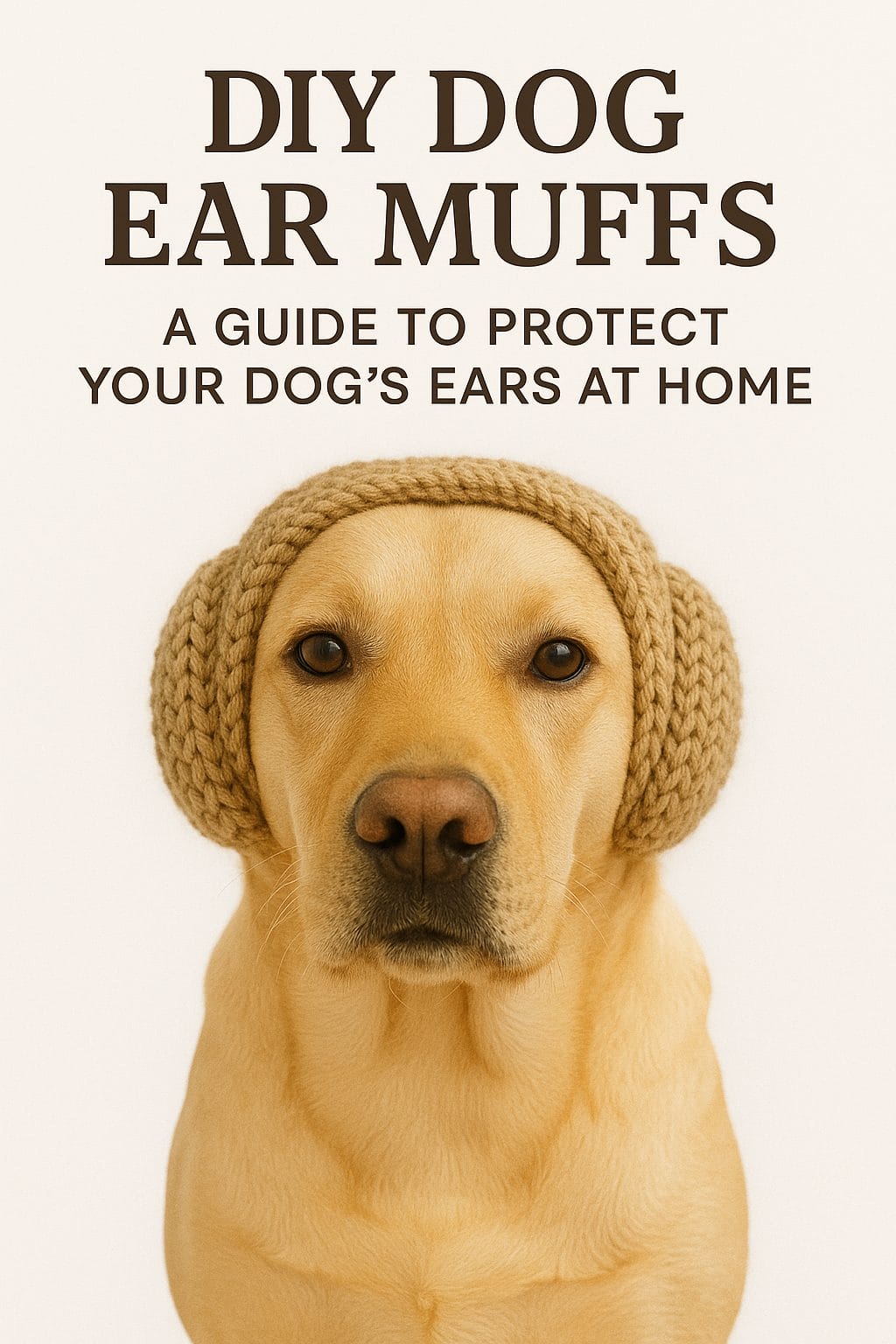
If you have ever searched for dog ear protection during winter walks or noisy environments, you know how important it is to keep your dog’s ears safe and comfortable.
While commercial dog ear muffs are available, they can be expensive and may not always fit your dog properly.
Creating DIY dog ear muffs can save money, allow customization, and ensure your dog stays calm during storms, fireworks, or outdoor adventures.
In this post, you will learn why dog ear muffs matter, the materials you need, and how to make them at home using easy steps. Let’s dive in.
Why Your Dog Needs Ear Muffs ?
Many dog owners underestimate the value of dog ear muffs until they notice their dogs shivering during winter walks, becoming anxious during thunderstorms, or getting uncomfortable in high winds.
Here’s why investing time in DIY dog ear muffs can improve your dog’s quality of life:
- Protection from Cold and Wind: Breeds with long or floppy ears, such as Cocker Spaniels, are prone to frostbite or discomfort in cold weather.
- Noise Reduction: Loud noises from fireworks, thunderstorms, or construction can cause stress and anxiety in dogs. Dog ear muffs for noise can help reduce these noises.
- Debris and Dust Prevention: If you take your dog hiking or biking, ear muffs can prevent dirt, small debris, and insects from getting into their ears.
- Post-Surgery Protection: Some dogs may require ear protection after ear infections or surgeries to avoid exposure to harsh conditions.
Making dog ear muffs at home is a practical, budget-friendly way to ensure your pet’s comfort while allowing you to adjust the fit to their head size and needs.
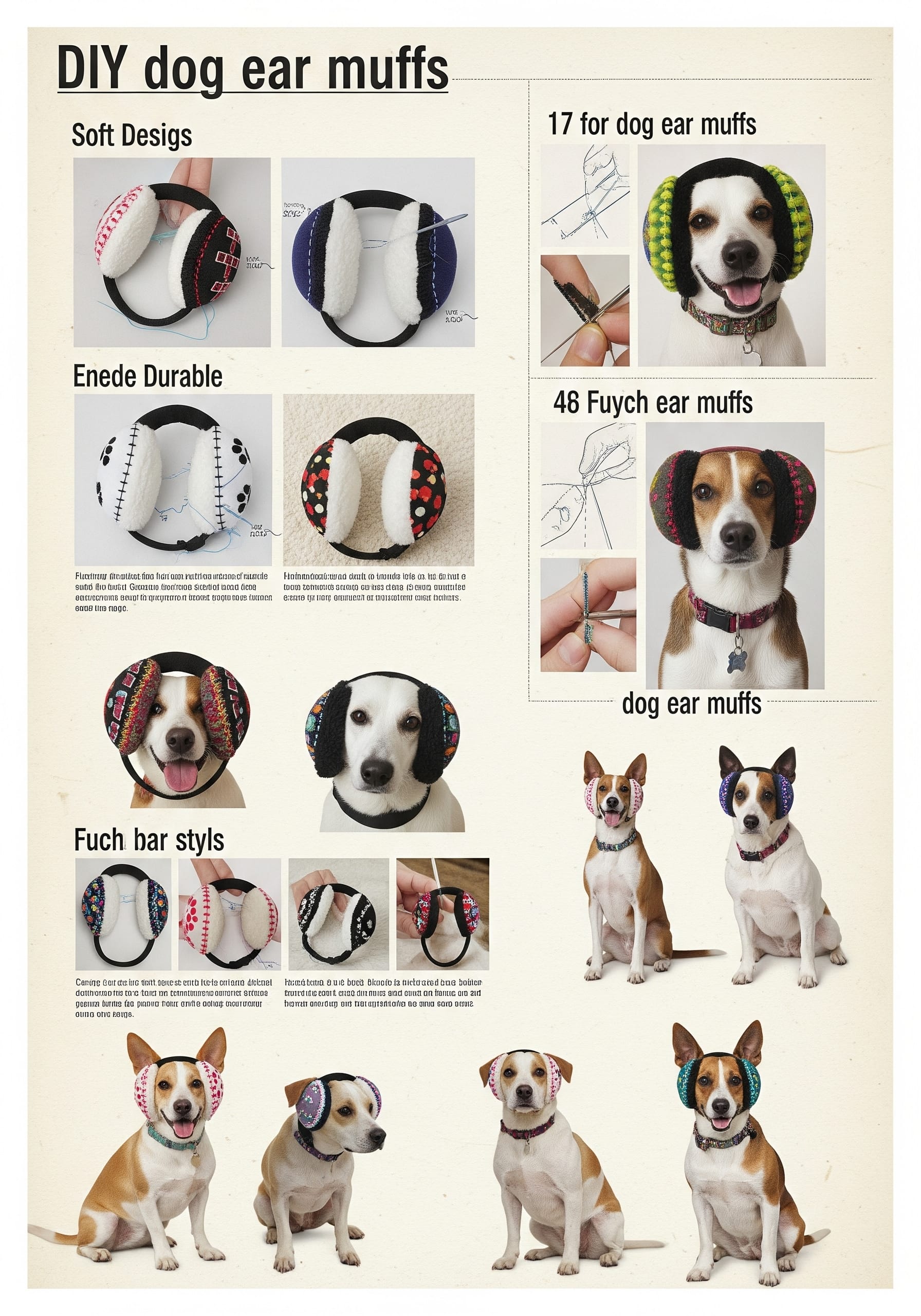
Materials You Need for DIY Dog Ear Muffs
Creating DIY dog ear muffs requires a few materials you may already have at home or can easily find at your local fabric store or online.
Essential Materials
- Soft, warm fabric (fleece, cotton, or knit fabric)
- Lightweight foam or quilt batting for padding
- Elastic bands or adjustable Velcro straps
- Scissors
- Sewing machine or needle and thread
- Measuring tape
Optional Materials
- Noise-reducing foam inserts (for noise-sensitive dogs)
- Reflective fabric for visibility during night walks
- Waterproof fabric for rainy environments
Using soft, breathable, and washable materials will keep your dog comfortable and make it easy to clean the ear muffs regularly.
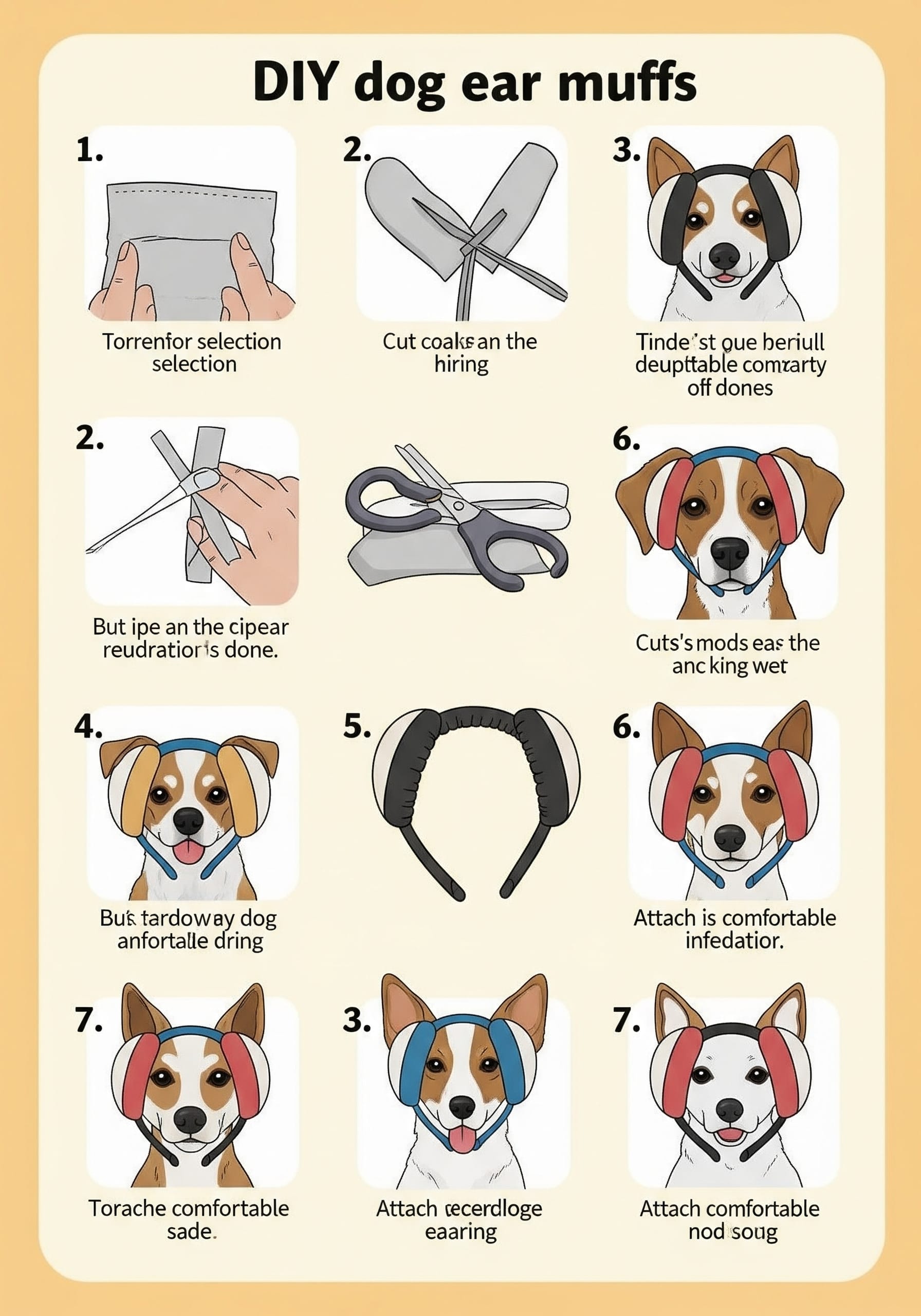
Step-by-Step Guide to Making DIY Dog Ear Muffs
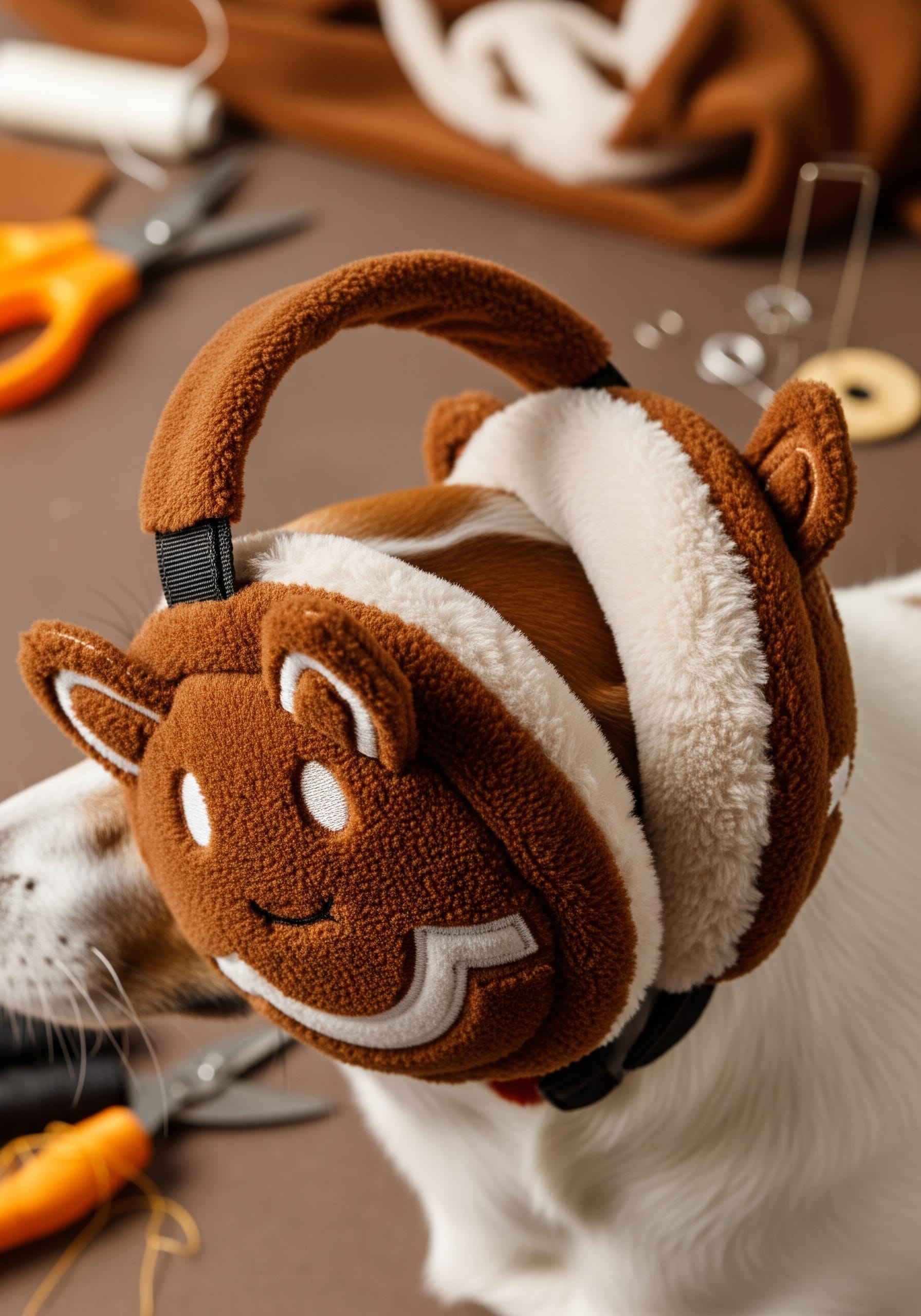
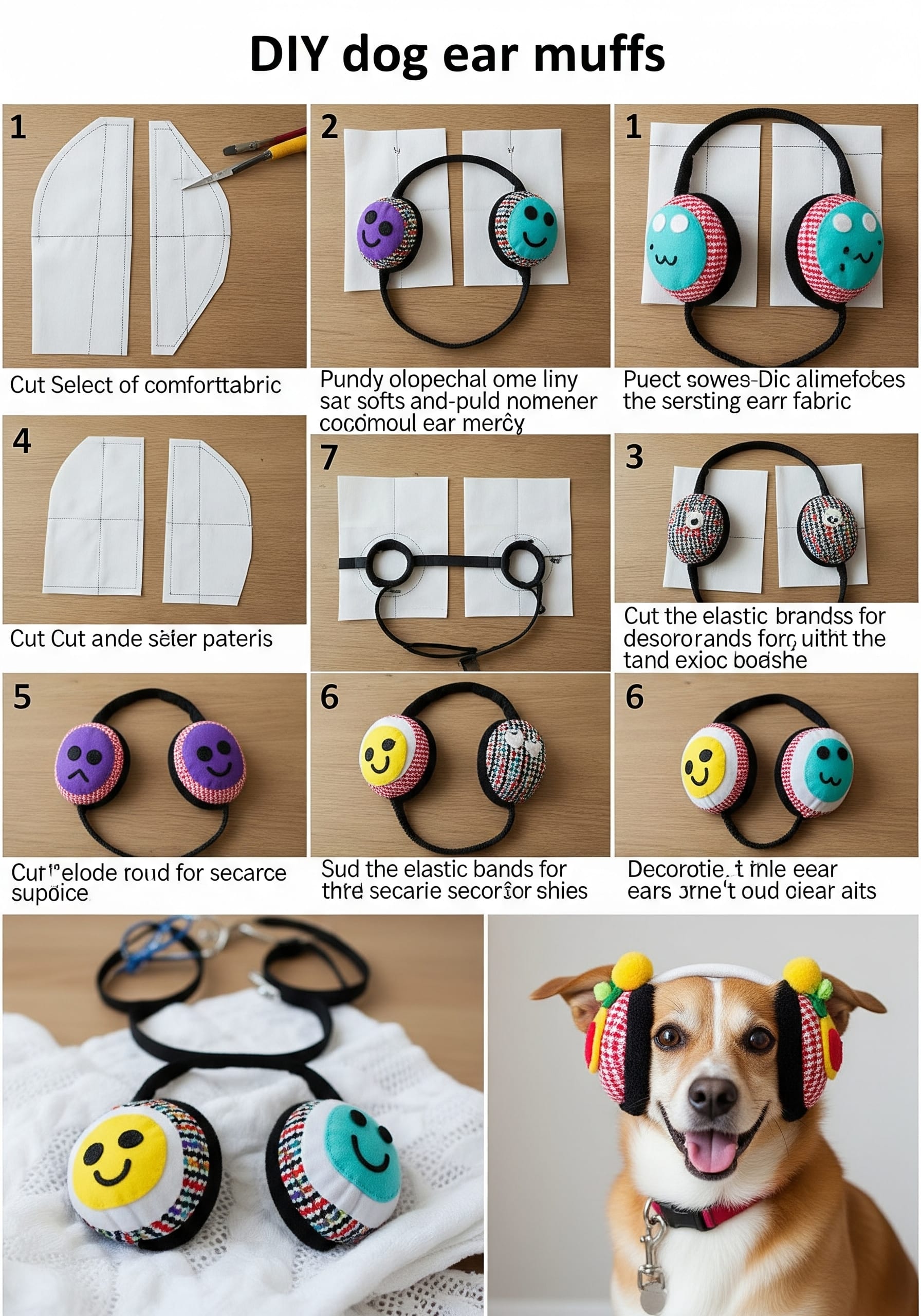
Follow these steps to create DIY dog ear muffs tailored to your pet:
Measure Your Dog’s Head and Ears
Use a measuring tape to measure:
- The circumference of your dog’s head (above the eyes and under the chin).
- The length from the top of one ear to the other, across the top of the head.
- The length of each ear to determine coverage.
Write these measurements down to create a comfortable fit.
Cut the Fabric
Cut two pieces of soft fabric using the head measurement as a guide. Leave extra space for seam allowance. If you want padded ear muffs, cut the foam or quilt batting to match.
Assemble the Layers
Layer the fabric pieces with the padding in between and pin them together. This creates warmth and comfort for your dog.
Add Elastic or Velcro Straps
Attach elastic bands or Velcro straps on both sides of the ear muffs to secure them under your dog’s chin or around the back of the head. Velcro straps allow adjustability for growing dogs or different breeds.
Sew the Ear Muffs
Sew along the edges of the fabric, ensuring the padding stays in place. Leave an opening to flip the fabric inside out for a clean look, then sew the opening closed.
Test and Adjust
Place the DIY dog ear muffs on your dog, ensuring it covers the ears without being too tight. Check that your dog can move freely, and adjust straps if necessary for a secure yet comfortable fit.
Benefits of Using DIY Dog Ear Muffs
Here are the practical benefits of using DIY dog ear muffs for your pet:
- Cost-Effective: You can create high-quality ear muffs at home for a fraction of the cost of premium dog ear protection products.
- Custom Fit: Adjust the ear muffs based on your dog’s head size and ear shape, ensuring better comfort than generic store-bought options.
- Noise Reduction: Using dog ear muffs for noise reduction during fireworks, thunderstorms, or travel can help calm noise-sensitive dogs.
- Weather Protection: Keep your dog’s ears warm during winter and shield them from rain and wind during outdoor walks.
- Reduces Anxiety: Ear muffs can help dogs feel secure, acting like a calming wrap during stressful situations.
Safety Tips When Using Dog Ear Muffs
While DIY dog ear muffs are useful, always consider your dog’s comfort and safety:
- Never use materials that irritate your dog’s skin.
- Check for overheating during warm weather walks.
- Monitor your dog’s behavior when wearing ear muffs to ensure they are not stressed.
- Clean the ear muffs regularly to prevent bacterial buildup.
- Avoid using ear muffs for extended periods unless necessary, especially for noise reduction, to allow your dog’s ears to breathe.
Final Thoughts
Making DIY dog ear muffs is a practical and thoughtful way to protect your dog’s ears while saving on pet expenses.
Whether you need dog ear protection for winter, dog ear muffs for noise reduction, or simply want to provide comfort during hikes, crafting your own allows you to customize the fit, style, and function for your dog’s unique needs.
Try this project over a weekend and see how much your dog benefits from this simple yet effective solution. If you find it helpful, consider making multiple pairs for different weather conditions
FAQs About DIY Dog Ear Muffs
Yes, dog ear muffs for noise reduction can help reduce loud sounds during fireworks, thunderstorms, or noisy environments. While they do not block noise completely, they can muffle sounds enough to reduce anxiety in noise-sensitive dogs.
Soft fleece or cotton fabric is best for DIY dog ear muffs because it is warm, breathable, and gentle on your dog’s skin. If you need noise reduction, adding lightweight foam or noise-reducing inserts can help.
Dog ear muffs are not designed for swimming unless you use waterproof materials. For water protection, you should use dog ear protection for water, specifically designed for that purpose.
Start by letting your dog sniff and inspect the ear muffs. Place them on for a few minutes at a time with treats and praise. Gradually increase the duration so your dog associates them with positive experiences.
Yes, you can create DIY dog ear muffs for all breeds by adjusting the measurements and fit. Breeds with long or floppy ears benefit the most during cold or windy weather, while noise-sensitive breeds may need them during storms.

- 15 Meaningful Dog Memorial Tattoo Ideas & Costs - March 20, 2026
- Best Horse Hoof Supplement Reviews for Beginners (2026) - March 19, 2026
- Pet Rat Hammock Setup Guide: Best Layouts & Prices - March 19, 2026
GIPHY App Key not set. Please check settings