

 Emily Walker
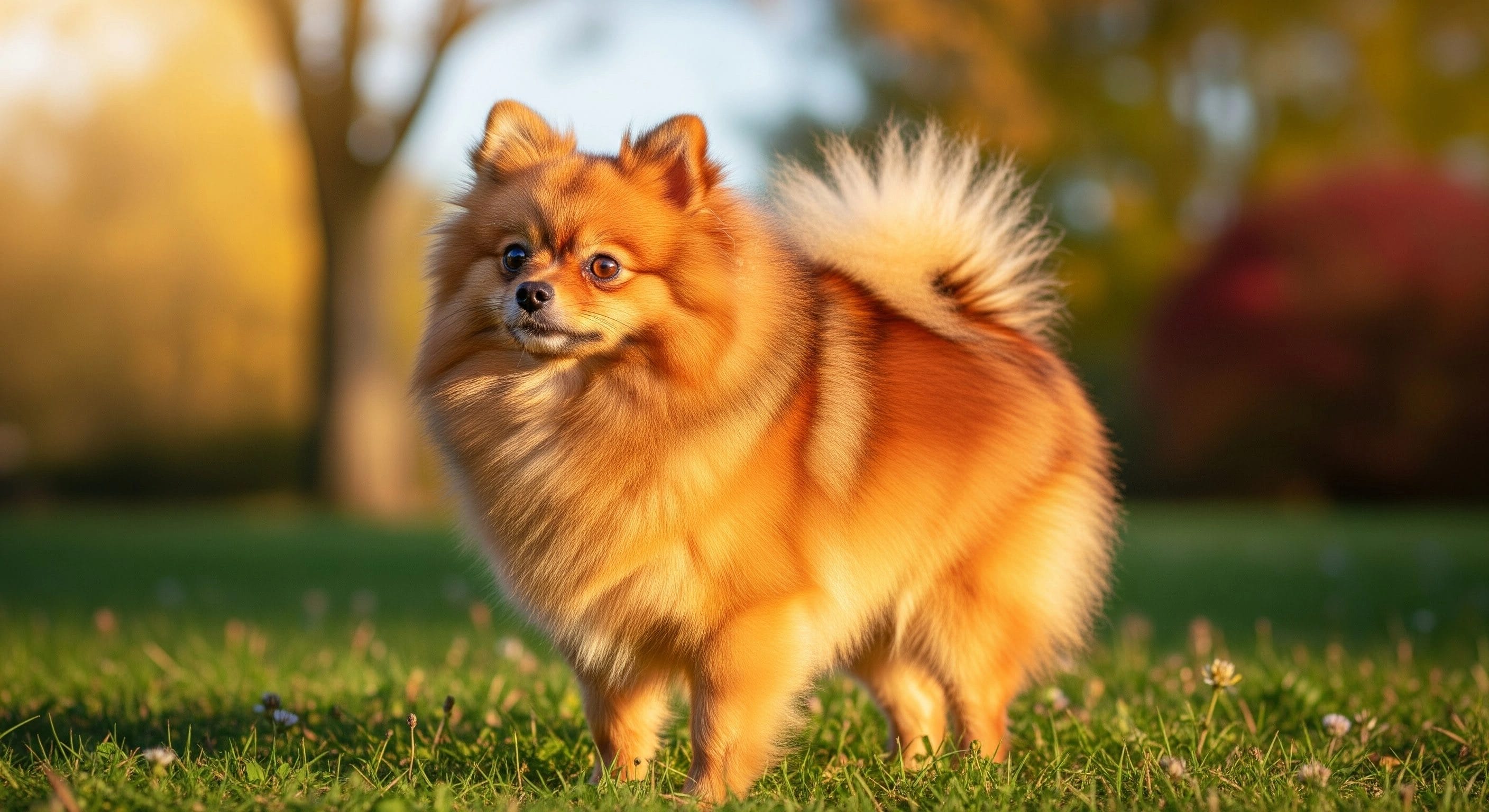
If you’re thinking about bringing home a fluffy little Pomeranian—or already have one zooming around your house—you’ve probably noticed the snowstorm of fur that seems to follow them. Yep, Pomeranians shed. A lot. But don’t freak out! That glorious fluff comes with a few trade-offs. In this fun, no-stress guide, we’ll break down why Poms shed, when it happens, and how to manage it like a pro—so you can spend more time cuddling your puffball and less time vacuuming the couch.
Understanding the Pomeranian Double Coat
Here’s the deal: Pomeranians aren’t just fluffy—they’re double fluffy. They’ve got a two-layer coat working full-time. The undercoat is like their built-in winter sweater—soft, thick, and cozy. On top of that sits the outer coat, made of longer, tougher hairs that give them their poofy “tiny lion” look. Cute? Absolutely. Messy? Sometimes. This double-coat magic is what keeps them warm and fabulous, but it also means more shedding—especially when the seasons change.
How Much Do Pomeranians Actually Shed?
Let’s be real—Pomeranians may be small, but when it comes to shedding, they punch way above their weight class. Most Poms are moderate to heavy shedders, depending on the season. You’ll definitely spot some fur on your clothes, couch, and maybe even your homework (true story). But how much they shed changes throughout the year.
Year-Round Shedding
Even when it’s not “furpocalypse” season, Poms still shed a bit every day. This light, constant shedding is totally normal—it’s just your Pom swapping out old hairs for fresh, shiny new ones. Think of it like a mini makeover happening 24/7.
Seasonal Shedding (Blowing Coat)
Then comes the main event—“blowing coat” season. Twice a year, your Pom basically explodes into a puff of flying fur. In spring, they ditch their heavy winter jacket to cool off. In fall, they bulk back up for sweater weather. For a few weeks, it might look like your living room lost a snowball fight with your dog. Seriously, you’ll wonder how such a tiny creature can produce that much fluff. But don’t worry—it’s all part of the Pom life!
Factors That Influence Pomeranian Shedding
Not all Poms shed the same—some seem to leave a fur trail everywhere they go, while others are a bit more polite about it. Here’s what really affects how much fluff you’ll be sweeping up.
Age and Health
Baby Poms don’t shed much—until they hit that awkward “teen phase” around 4–6 months when they lose their puppy coat. It’s like a mini fur explosion as they grow into their adult look. Older Poms might shed differently too, depending on their health. If your Pom suddenly starts losing more hair than usual or has bald spots, don’t panic—but definitely call your vet. It could be allergies, stress, or something as simple as a diet tweak.
Diet and Nutrition
You know how eating junk food makes your skin break out? Same deal with dogs. Feed your Pom quality food packed with omega-3 and omega-6 fatty acids (basically, the “good stuff” for skin and hair), and their coat will thank you. Studies even show that fatty acids help keep fur soft, shiny, and less likely to cover your black hoodie in fuzz.
Stress and Environment
Yep—Poms can totally stress shed. Big changes like moving, loud noises, or even missing their favorite human can cause them to lose more hair. And fun fact: dogs who live in homes with steady air conditioning or heating often shed a bit all year instead of in big seasonal bursts. So if you feel like your Pom never stops shedding… blame the thermostat.
Hormonal Changes
Female Poms have their own fur drama—especially during heat cycles or after having puppies. Their hormones go on a little roller coaster, and the result? More shedding. Spaying (or neutering for males) can sometimes help level things out and make their coat care a bit more predictable.
Managing Pomeranian Shedding: Practical Tips
Okay, here’s the truth: you can’t stop your Pom from shedding completely (unless you find a magic spell, and if you do—please share). But you can seriously cut down on the fur tumbleweeds floating through your house. It’s all about smart grooming, good food, and a little consistency.
Establish a Regular Brushing Routine
If you only remember one thing—brush your Pom. Seriously, it’s the golden rule.
- Daily brushing: Grab a slicker brush and an undercoat rake—your two new best friends. These tools pull out the loose fur before it decorates your couch.
- 3–4 times a week normally: Keeps the coat smooth, spreads natural oils, and prevents those nasty tangles.
- Go deep: Don’t just skim the surface—get down to the skin! That’s where most of the loose fur hides.
Bathing Best Practices
Bath time = shedding control and squeaky-clean fluff!
- Give your Pom a bath every 3–6 weeks using a good-quality dog shampoo.
- When they’re shedding like crazy, switch to a de-shedding shampoo and conditioner.
- Brush before the bath (or you’ll regret it). Wet mats turn into furry cement—impossible to fix.
- Brush again afterward once they’re dry to catch all the loose stragglers.
And no, don’t bathe your Pom every week—they’ll lose their coat’s natural oils and end up looking frizzy instead of fabulous.
Professional Grooming
Sometimes, you just gotta call in the pros. Every 6–8 weeks, a trip to the groomer can save you hours of brushing (and sanity). They’ve got:
- High-powered dryers that blast out undercoat fluff like a mini hurricane.
- Special de-shedding treatments that work magic.
- The skills to keep your Pom’s double coat healthy and gorgeous.
Huge warning: Never, ever shave your Pomeranian. It doesn’t help with shedding—it just wrecks their coat and can cause bald spots. Trust me, it’s not worth it.
Optimize Their Diet
You want your Pom to look like a fluffball superstar? It all comes down to what goes in their bowl. Don’t cheap out—grab food that lists real meat like chicken, fish, or lamb right at the top. Forget mystery meat. Those omega-3s and omega-6s? Total game-changers for making their coat glossy, not greasy. Vitamins and minerals don’t hurt either.
If your little furball’s looking more “mop” than “majestic,” or you’re drowning in fluff tumbleweeds, maybe it’s time for a chat with your vet about coat supplements. Seriously, don’t just guess and toss random pills in their food. Leave the science stuff to the pros.
Control Your Home Environment
Even the best-groomed Pom leaves a bit of fluff behind, so set your space up for success:
- Get a vacuum made for pet hair (your regular one will tap out fast).
- Use washable furniture covers during heavy shedding months.
- Keep lint rollers everywhere—car, couch, backpack, you name it.
- Air purifiers help catch floating fur and dander before it settles.
- Give your Pom a designated nap spot with washable bedding. (Bonus: it keeps the rest of your house cleaner.)
Health Concerns Related to Shedding
Okay, listen up—shedding is totally normal for Poms, but how they shed can tell you a lot about their health. If your little fluff suddenly starts losing hair like they’re auditioning for a bald role, something’s up.
Call your vet if you notice:
- Your Pom is shedding way more than usual, out of nowhere
- Bald spots or weird patches of missing fur
- Red, itchy, or irritated skin
- Non-stop scratching or licking
- A dull or rough coat that’s lost its shine
- Hair loss plus other symptoms like tiredness or not eating well
Are Pomeranians Hypoallergenic?
Hate to break it to you—but no, Pomeranians aren’t hypoallergenic. Actually, no dog is truly hypoallergenic (yeah, even those “allergy-friendly” breeds you see online). People with allergies usually react to proteins in dander (tiny flakes of skin), saliva, and urine—not the fur itself. But since Poms shed like little fluff factories, that dander gets everywhere.
That said, if you’re allergic and still totally smitten with Poms (and honestly, who can blame you?), it’s not impossible. You’ll just need to go into “clean freak” mode:
- Brush and groom your Pom regularly—like, religiously.
- Use HEPA air filters to trap all that floating fluff.
- Keep your bedroom a no-Pom zone (yeah, I know, it’s hard).
- Wash your hands after snuggle time.
- And if allergies still hit hard, team up with an allergist for a game plan.
The Bottom Line: Is a Pomeranian Right for You?
Yep—Pomeranians shed. Sometimes a lot. But here’s the thing: with good grooming, a solid diet, and a few extra lint rollers, it’s totally manageable. If you’re cool with brushing sessions and the occasional “fur confetti” on your clothes, the trade-off is so worth it.
Poms are loyal, goofy, and full of attitude packed into a tiny, fluffy body. They’ll make you laugh, snuggle you when you’re down, and maybe leave a little fur behind as a souvenir. Every dog sheds—it’s part of the deal. But if you’re patient and consistent, you and your little puffball can live happily ever after (even through the “fluff storms”).

- Does Cat Litter Melt Ice? The Complete Guide to Winter Safety - January 30, 2026
- Happy Tail Dogs: Understanding This Common Canine Condition - January 29, 2026
- How Cold Can Outdoor Cats Handle? Feline Winter Safety - January 27, 2026
GIPHY App Key not set. Please check settings