

 Lauryn Dell
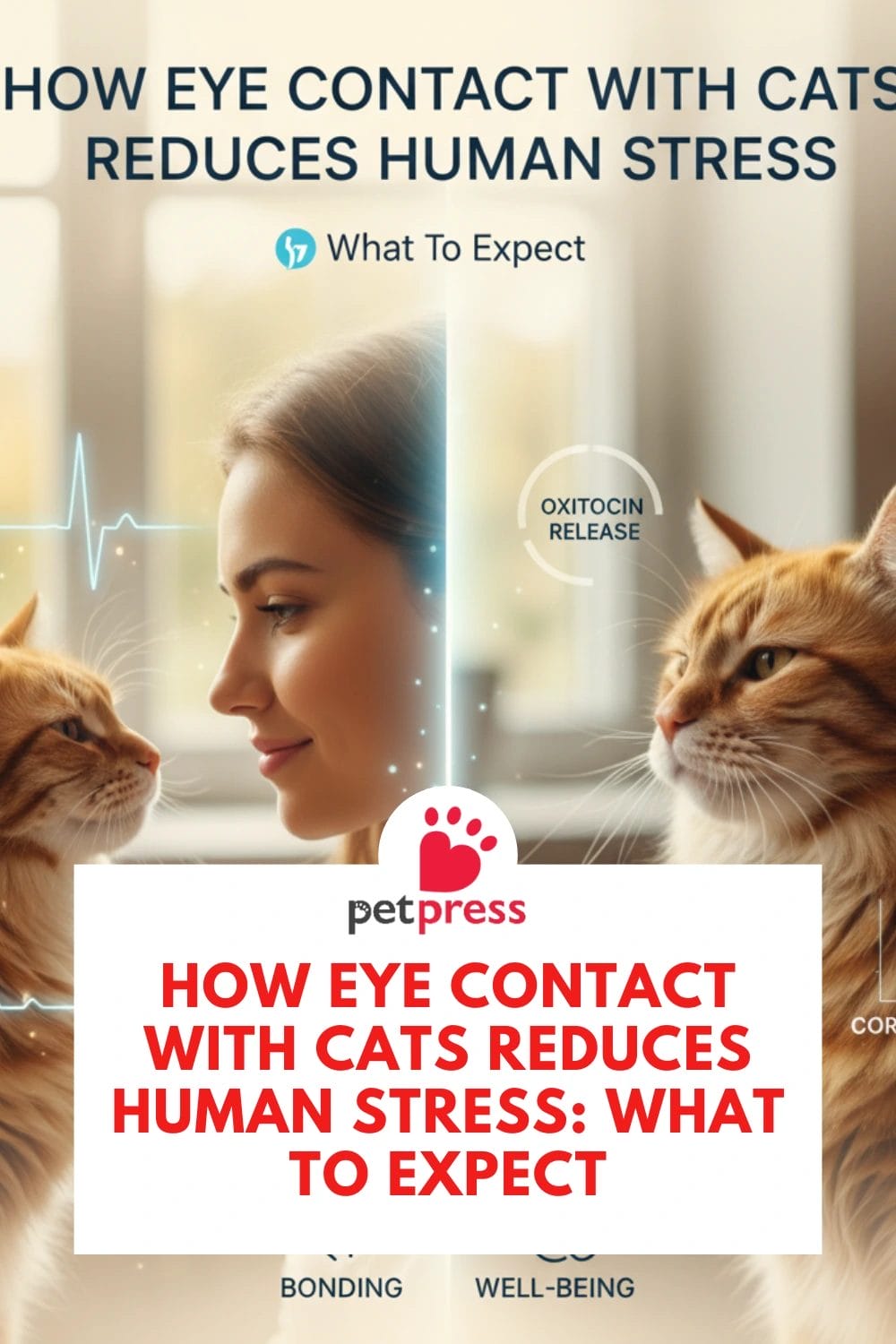
Have you ever considered how eye contact with cats reduces human stress? Cats have long been considered enigmatic companions, mysterious, elegant, and profoundly intuitive.
While much of the focus has traditionally been on their physical comfort (soft purring, gentle kneading, or their presence on our laps), recent research and anecdotal experiences highlight another subtle yet powerful interaction: eye contact.
The gaze of a cat is more than just an idle glance; it holds potential healing properties for humans. This blog explores how eye contact with cats reduces stress, regulates emotions, and contributes to overall mental health.
Why Eye Contact Matters in Human-Animal Relationships
Eye contact is one of the oldest and most fundamental forms of cat communication. In human relationships, it conveys trust, empathy, and emotional connection. In the human-animal bond, especially with cats, eye contact has a slightly different but equally profound significance.
- Trust Building: Cats are naturally cautious creatures. When they willingly hold eye contact, it signals comfort and trust. This subtle exchange helps humans feel emotionally validated.
- Calm Synchronization: Just as mutual gazing in humans promotes oxytocin release (often called the “bonding hormone”), a similar response occurs during shared gaze with animals. This synchronization leads to relaxation and stress reduction.
- Nonverbal Dialogue: For people who struggle with communication, especially in times of emotional strain, eye contact with a cat can provide a form of silent companionship that reassures and calms.
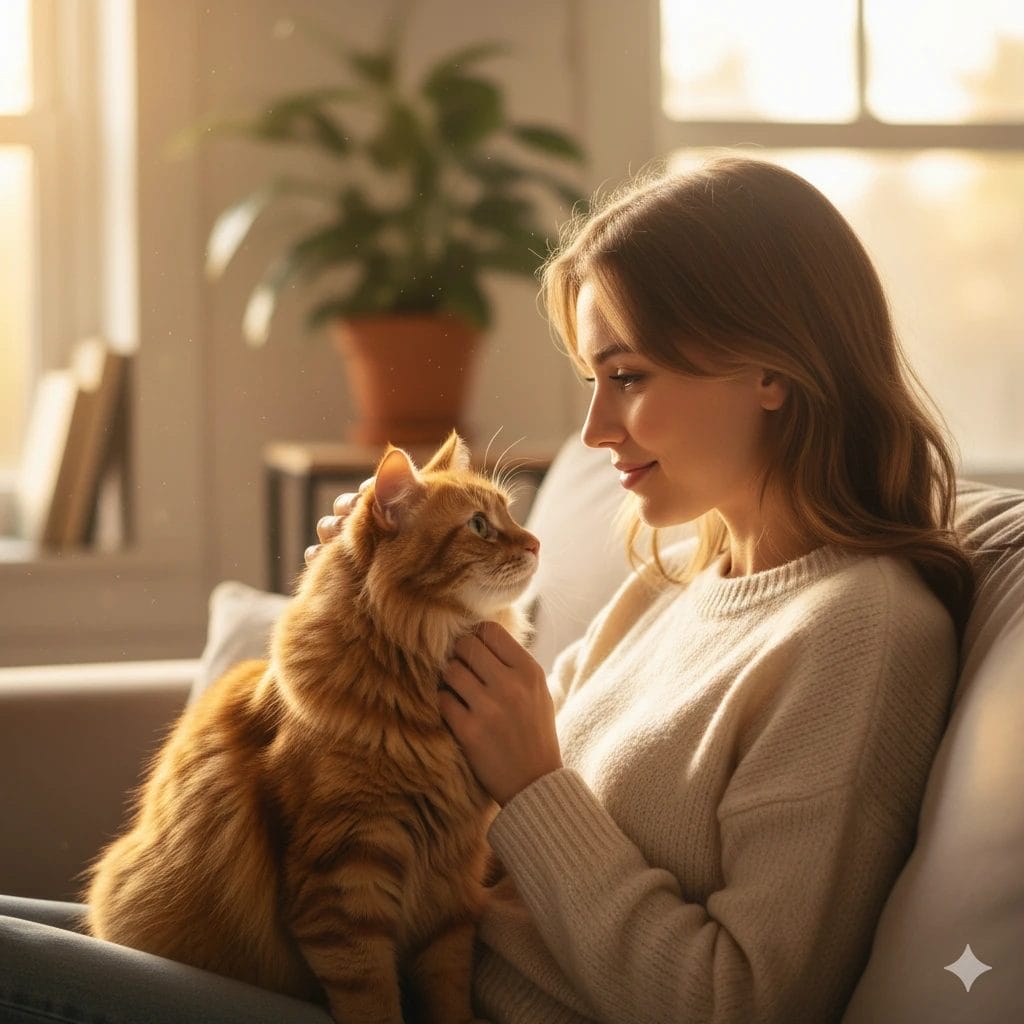
The Science Behind Eye Contact and Stress Relief
Oxytocin Release
When humans make eye contact with animals, studies show an increase in oxytocin levels. This hormone is associated with reducing stress, lowering blood pressure, and fostering feelings of security.
Cats, though independent by nature, can stimulate oxytocin release during moments of shared gaze, leading to a measurable reduction in stress.
Cortisol Regulation
Cortisol, known as the stress hormone, spikes during anxiety or pressure. Prolonged stress can lead to sleep problems, weakened immunity, and mental health struggles.
Eye contact with cats, paired with their purring and relaxed presence, has been shown to lower cortisol levels, easing both physical and psychological tension.
Neurological Responses
Brain imaging studies reveal that mutual gazes activate the prefrontal cortex, the region associated with emotional regulation and social bonding.
This neurological engagement enhances mood stability and promotes a sense of belonging, making eye contact with cats more than just a fleeting interaction—it’s a therapeutic exercise.
How Cats Use Eye Contact Differently?
Unlike dogs, who are often expressive and direct, cats communicate in subtler ways. Understanding their unique approach to eye contact helps humans interpret the healing benefits more effectively.
- The Slow Blink: Sometimes called the “cat’s kiss”, the slow blink is a signal of relaxation and affection. When cats offer a slow blink, humans often reciprocate, creating a cycle of mutual reassurance and emotional grounding.
- Gentle Stares: A soft, sustained gaze from a relaxed cat can be comforting, unlike the predatory stare cats use while hunting. This gentle form of eye contact conveys trust and companionship.
- Avoidance and Respect: Cats may also avoid eye contact when stressed. Respecting this boundary ensures a positive interaction and reinforces the bond when they do choose to meet your gaze.
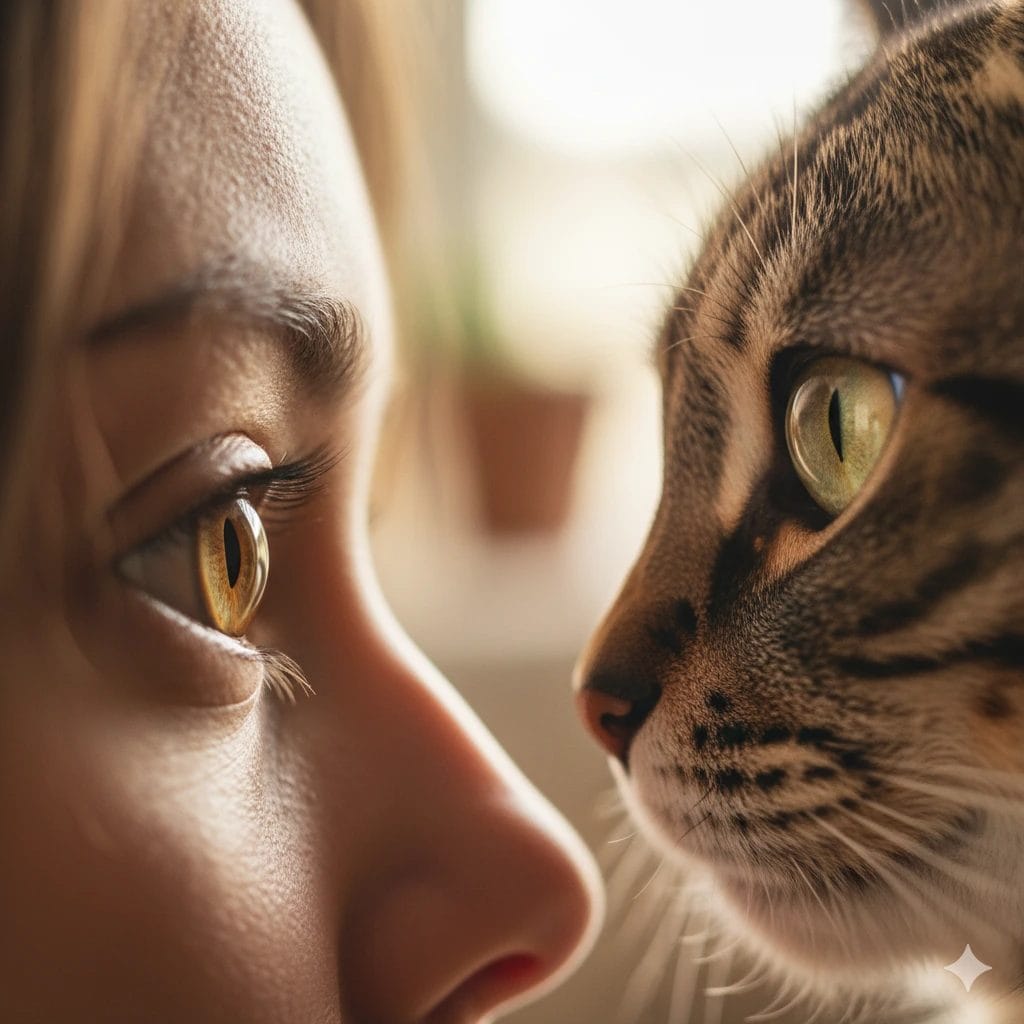
Psychological Benefits of Eye Contact With Cats
Stress Reduction
Eye contact with cats creates a grounding effect. In stressful environments, locking eyes with a calm cat provides a moment of stillness that interrupts the cycle of anxious thoughts.
Emotional Validation
People experiencing loneliness or emotional isolation often find comfort in their pets. A cat’s gaze offers silent validation—a sense that someone sees and accepts them without judgment.
Mindfulness Practice
Engaging with a cat through eye contact encourages mindfulness. It brings attention to the present moment, helping people shift away from ruminating about the past or worrying about the future.
Improved Social Skills
For children or adults with social anxiety, practicing non-threatening eye contact with cats can ease the discomfort of human interactions. It provides a safe, nonjudgmental environment to build confidence in connecting with others.
Eye contact is a form of emotional therapy.
Animal-assisted therapy is increasingly recognized in psychology and healthcare. While dogs dominate the conversation, cats are also making their way into therapeutic environments. Eye contact plays a role in this process:
- Therapy for Anxiety Disorders: Clients suffering from generalized anxiety often benefit from interacting with therapy cats. Eye contact serves as a calming anchor during emotional turbulence.
- Support for Trauma Survivors: Trauma can make trust and connection difficult. A cat’s nonverbal gaze offers a gentle bridge, helping survivors ease into relational comfort without pressure.
- Elderly Care: For seniors struggling with loneliness, eye contact with cats reduces feelings of abandonment and boosts mood, often lowering symptoms of depression.
Practical Tips for Strengthening Eye Contact With Your Cat
- Respect Boundaries: Never force eye contact. Allow your cat to initiate and maintain control over the interaction.
- Practice Slow Blinks: Imitate your cat’s slow blink to signal trust and relaxation. Over time, they may return the gesture.
- Stay Relaxed: Cats pick up on human energy. A calm demeanor makes them more likely to sustain eye contact.
- Use Quiet Spaces: Eye contact works best in low-stress environments where the cat feels safe and secure.
- Pair With Gentle Touch: Combining eye contact with soft petting enhances the bonding effect and amplifies stress relief.
The Modern Wellness Connection
In an era where stress-related illnesses are on the rise, integrating pets into wellness routines is more relevant than ever.
Eye contact with cats provides an accessible and natural stress management tool. From remote workers battling screen fatigue to students facing exam pressures, a few minutes of shared gaze with a cat can reset the nervous system.
The popularity of mindfulness, meditation, and wellness practices also highlights how something as simple as eye contact aligns with broader self-care strategies.
It is cost-free, available daily, and uniquely tailored to each individual-cat relationship.
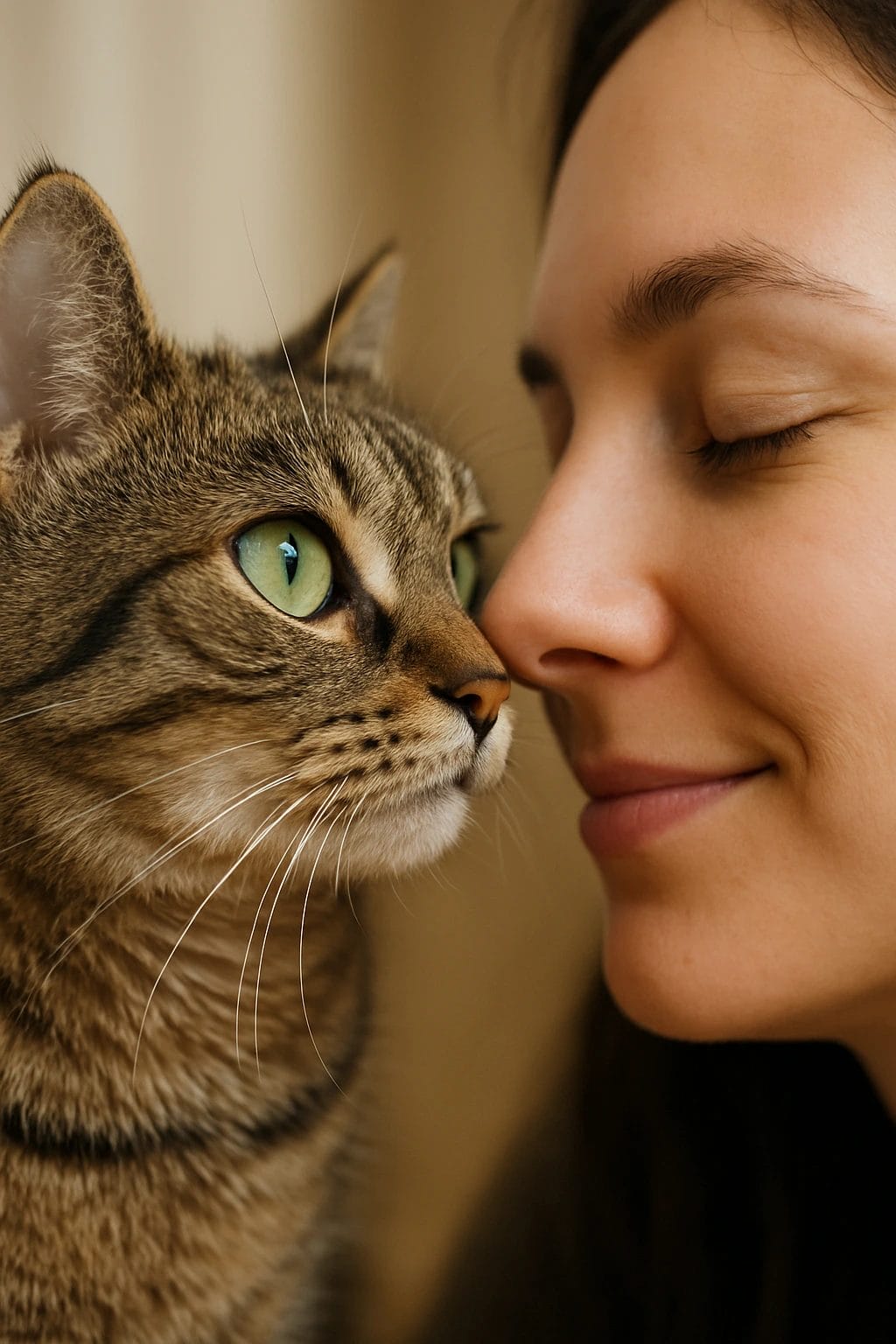
Conclusion : How Eye Contact With Cats Reduces Human Stress
The healing gaze of a cat is more than a fleeting moment; it is a therapeutic exchange rooted in biology, psychology, and deep companionship.
Eye Contact With Cats Reduces Human Stress, lowers cortisol levels, and builds trust, all of which directly contribute to reducing human stress.
For cat owners, this form of nonverbal communication becomes an everyday source of comfort, grounding, and healing.
In a fast-paced world, the quiet and steady gaze of a cat reminds us of the profound power of presence.
FAQs
Yes. Scientific studies suggest that eye contact with animals, including cats, increases oxytocin and lowers cortisol, both of which help reduce stress.
The slow blink is a sign of trust and affection. When a cat blinks slowly at you, it signals that they feel safe and relaxed in your presence.
Not always. While gentle eye contact can be calming, prolonged or intense staring may be interpreted by cats as threatening. Balance and respect are key.
Yes. Eye contact provides a grounding effect and emotional validation, which can help people manage symptoms of anxiety and depression.
Create a safe, quiet environment, practice slow blinking, and respect their boundaries. Over time, as trust builds, your cat will initiate more eye contact

- 15 Meaningful Dog Memorial Tattoo Ideas & Costs - March 20, 2026
- Best Horse Hoof Supplement Reviews for Beginners (2026) - March 19, 2026
- Pet Rat Hammock Setup Guide: Best Layouts & Prices - March 19, 2026
GIPHY App Key not set. Please check settings