

 Emily Walker
As a dog owner, one of the best feelings ever is seeing your dog lose their mind with happiness when you walk through the door. That tail wag? Pure joy.
But here’s the plot twist: for some dogs, that superpower can actually backfire. Enter happy tail syndrome—a problem caused by too much excitement.
In this guide, I’ll break it down simply: what happy tail syndrome is, why it happens, and how to stop your dog from turning happiness into pain.
If you love dogs (and I know you do), this is something you should know.
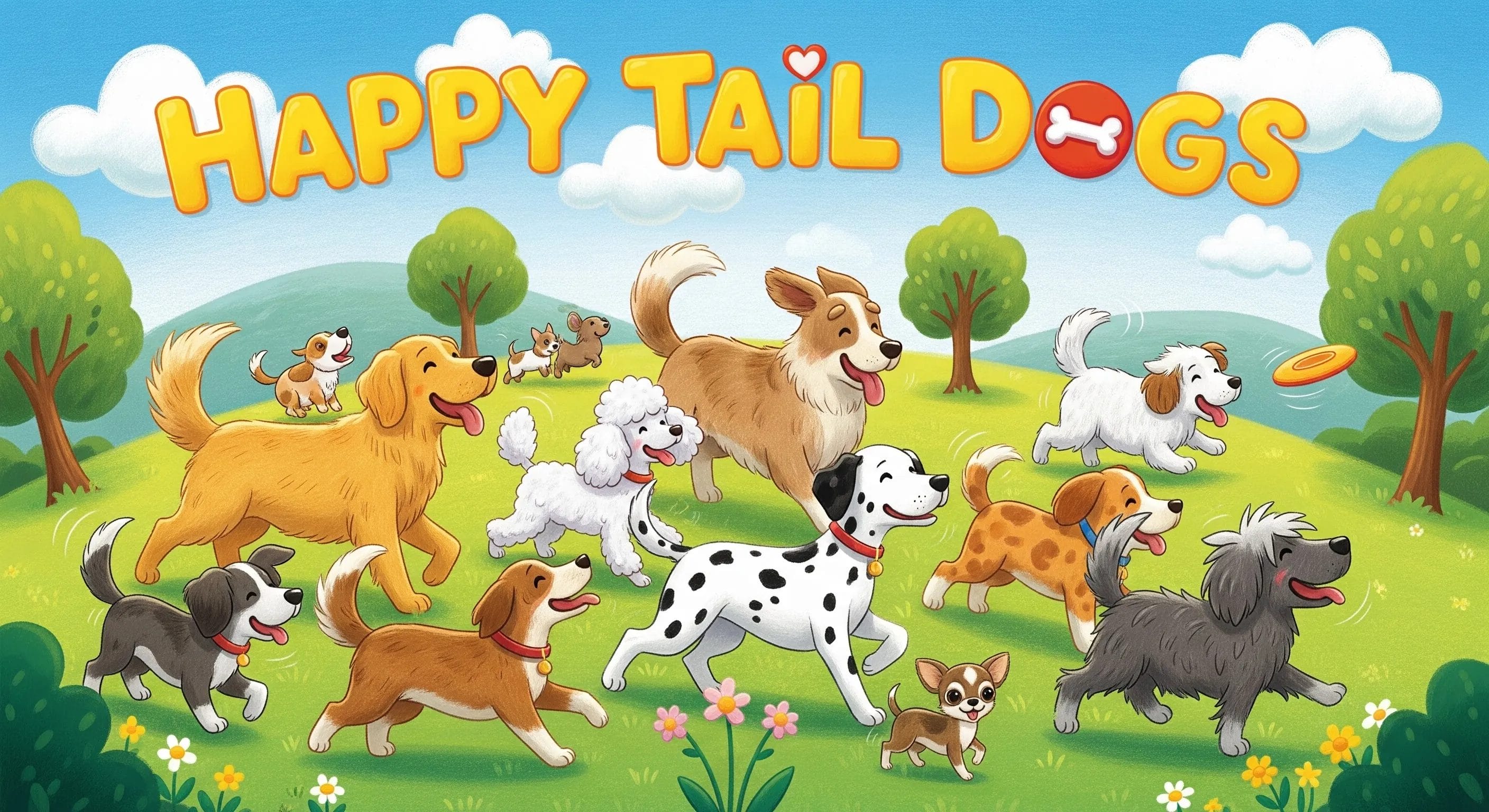
What Is Happy Tail Syndrome?
Happy tail syndrome—also called kennel tail or bleeding tail—happens when a dog wags their tail so hard it smacks into walls, furniture, crates, or anything solid nearby. Over and over.
Imagine slapping your hand against a wall every time you’re excited. Yeah… that’s the idea.
The tip of a dog’s tail has thin skin and not much padding, so repeated hits can crack the skin open. The worst part? Dogs don’t realize they’re injured.
They’re like, “I’m bleeding? Cool, but YOU’RE HOME!” So they keep wagging, and the wound just won’t heal.
This happens a lot in big, energetic dogs with long, skinny, whip-like tails—think Labradors, Great Danes, Pit Bulls, Greyhounds, and Pointers. Basically, the dogs who are way too happy for their own good.
It’s kind of sad and funny at the same time—your dog is just expressing love… and accidentally hurting themselves doing it.
Understanding the Causes and Risk Factors
Happy tail syndrome doesn’t just happen out of nowhere—it’s usually a perfect storm of dog design, personality, and environment.
Breed Characteristics
Dogs with long, skinny tails are basically walking danger sticks. Add short hair and boom—no padding, no protection.
One excited wag against a wall and smack, you’ve got a problem.
Personality Traits
Some dogs are just… extra. The overly happy, bouncing-off-the-walls types? They wag harder and faster. Working and sporting dogs are famous for this. Their tails don’t chill—even when they should.
Environmental Factors
Tight spaces are the enemy. Crates, kennels, narrow hallways, hard walls—these turn every tail wag into a mini car crash. The smaller the space, the higher the risk.
Confinement Stress
Anxious or excited dogs wag even more when confined. Shelters and boarding kennels see this a lot. Stress + excitement = turbo wag mode.
And here’s the wild part: dogs don’t connect the pain to the wagging.
So even if their tail is bleeding, they’re still like, “I’m fine! HI!!!” That’s why preventing happy tail can be tricky—but super important.
Recognizing the Symptoms
Early identification of happy tail syndrome can prevent the condition from becoming severe. Watch for these warning signs:
- Blood spatter on walls, furniture, or crate surfaces
- Visible cuts, abrasions, or raw areas at the tail tip
- Hair loss or thinning at the end of the tail
- Swelling or inflammation around the tail tip
- Signs of infection such as discharge, odor, or increased redness
- Behavioral changes indicating pain when the tail is touched
One distinctive characteristic of happy tail is the dramatic blood spray pattern it creates.
Because tails wag rapidly, even a small wound can create surprisingly large blood spatters across walls and surfaces, often alarming owners who may think the injury is more severe than it actually is.
Effective Prevention Strategies
Stopping happy tail is all about working with your dog’s excitement—not fighting it.
Environmental Modifications
Think of your house like an obstacle course… for tails. Tight corners and hard walls are the villains. Give your dog more space to zoom and wag, and pad the danger zones.
Foam on walls, corner guards, even soft padding near crates can save a tail. I’ve seen dogs heal just because their humans padded one hallway corner.
Crate and Kennel Management
If your dog’s tail hits the crate every time they turn around, the crate is too small—or too sharp. Choose crates with room to move and add padding where tails smack.
Dome-style crates? Honestly underrated. No corners = fewer tail injuries.
Tail Protection
If your dog already has a sore tail, think of wraps like a helmet for wagging. Foam tubes, tail guards, or wraps can cushion the hits while healing.
Just don’t DIY this blindly—your vet should help make sure it’s safe and clean.
Behavioral Training
You can’t tell a dog to stop being happy (and you shouldn’t), but you can help them chill a little. Reward calm behavior.
Teach them that “four paws on the floor” gets treats. Less chaos = less helicopter tail.
Regular Monitoring
Once a week, do a quick tail check. It takes 10 seconds. Look for hair loss, scabs, or tiny cracks. Catching it early is the difference between “easy fix” and “vet drama.”
Treatment Options for Happy Tail
If happy tail happens, act fast. Ignoring it is how small cuts turn into long-term nightmares.
Initial Care
Clean the wound gently—no harsh stuff. Use vet-approved antiseptic, add antibiotic ointment, and cover it with a non-stick bandage. Not tight. Ever. Tails need blood flow to heal.
Professional Veterinary Treatment
If it’s bleeding a lot, looks infected, or keeps reopening, go to the vet. They might prescribe antibiotics, special wound care, or even splint the tail to stop the constant motion.
Bandaging Techniques
Bandaging a tail is an art. Vets usually wrap farther up the tail so it doesn’t fly off the second your dog wags.
Bad wraps fall off. Good wraps stay put and keep circulation healthy.
Surgical Intervention
In really stubborn cases, part of the tail may need to be removed. Sounds scary—I know. But most dogs bounce back fast and don’t care at all.
Research shows they’re still happy, playful, and totally themselves.
Healing Time
This is the hardest part. Tails move constantly, so healing takes weeks. Stay consistent, follow your vet’s advice, and don’t give up.
Your dog doesn’t understand the problem—but they’ll definitely feel the relief when it finally heals.
Living with a Happy Tail Dog
Living with a happy tail dog is a bit like living with a tiny, furry wrecking ball—and you’ve got to stay one step ahead.
Pad the danger zones, keep bandages clean and dry, and check that tail often. If it looks swollen, weirdly colored, or smells bad, that’s your cue to act fast.
Don’t do this alone. Make sure your family, friends, or pet sitters know what’s going on. I’ve seen tails reopen just because someone didn’t know to be careful.
Online dog owner groups can also be lifesavers—real people, real tips, real “yep, been there” energy.
The Importance of Professional Guidance
This stuff isn’t one-size-fits-all. Every dog is different, and your vet is your MVP here. If a wound won’t heal or looks infected, don’t play guessing games—get professional help.
Vets can spot hidden issues too, like skin problems or anxiety that makes the wagging worse. They’re not just fixing the tail—they’re helping the whole dog.
Conclusion
Happy tail syndrome is one of those cruel jokes of life: your dog is too happy for their own good. The good news? Most cases can be managed without surgery if you catch them early and stay consistent.
The big lessons: notice problems early, protect your dog’s environment, care for wounds properly, and lean on your vet when things get stubborn.
Your dog isn’t being dramatic—they’re just overflowing with joy.
With patience, smart changes, and a little teamwork, that wild tail can stay a symbol of happiness—not pain. And honestly? A dog who wags that hard is worth the effort.

- Does Cat Litter Melt Ice? The Complete Guide to Winter Safety - January 30, 2026
- Happy Tail Dogs: Understanding This Common Canine Condition - January 29, 2026
- How Cold Can Outdoor Cats Handle? Feline Winter Safety - January 27, 2026
GIPHY App Key not set. Please check settings