

 Lauryn Dell
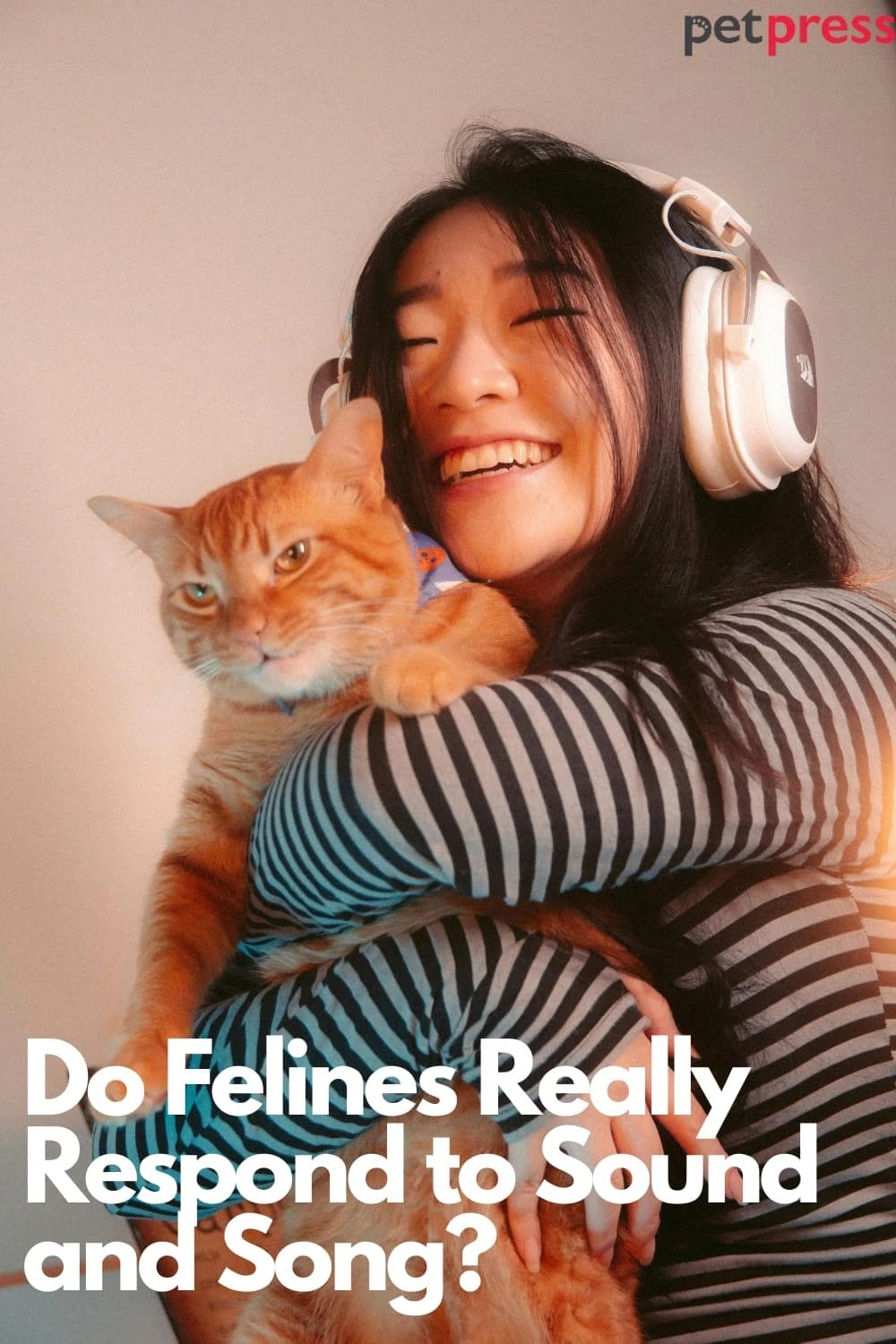
Cats have long been considered mysterious companions, often leaving us curious about what truly captures their attention.
While we know they respond to food, movement, and affection, another fascinating area of study is how pets respond to sound and music.
Do they appreciate a calming melody, or is music simply background noise to them? Can specific frequencies affect their behavior, mood, and stress levels?
Research into animal behavior and bioacoustics has shed light on this intriguing subject. Cats, unlike humans, process sound differently, which means their perception of music is uniquely tied to their biology.
In this blog, we’ll explore how cats React To Music that influences them, scientific studies on cat-specific music, and practical tips for cat owners who want to use music as enrichment for their pets.
Understanding Feline Hearing: Why Cats Hear Differently
To understand how cats respond to music, it’s essential to start with their extraordinary hearing abilities.
Cats have one of the broadest hearing ranges among mammals, capable of detecting sounds between 48 Hz and 85 kHz. In comparison, humans hear between 20 Hz and 20 kHz.
This means cats not only hear higher-pitched sounds but also process subtle variations in tone and pitch that are completely inaudible to us.
This heightened sensitivity evolved as part of their hunting instincts. Cats rely on hearing to detect prey movements, such as the rustle of a mouse in the grass.
Their outer ears, called pinnae, can rotate independently to pinpoint sound direction, making them highly efficient auditory hunters.
Because of this unique adaptation, cats experience music differently. A piano concerto, for example, may sound pleasant to us but irrelevant or even stressful to a cat if it falls outside their natural auditory preferences.
Do Cats Actually Enjoy Human Music?
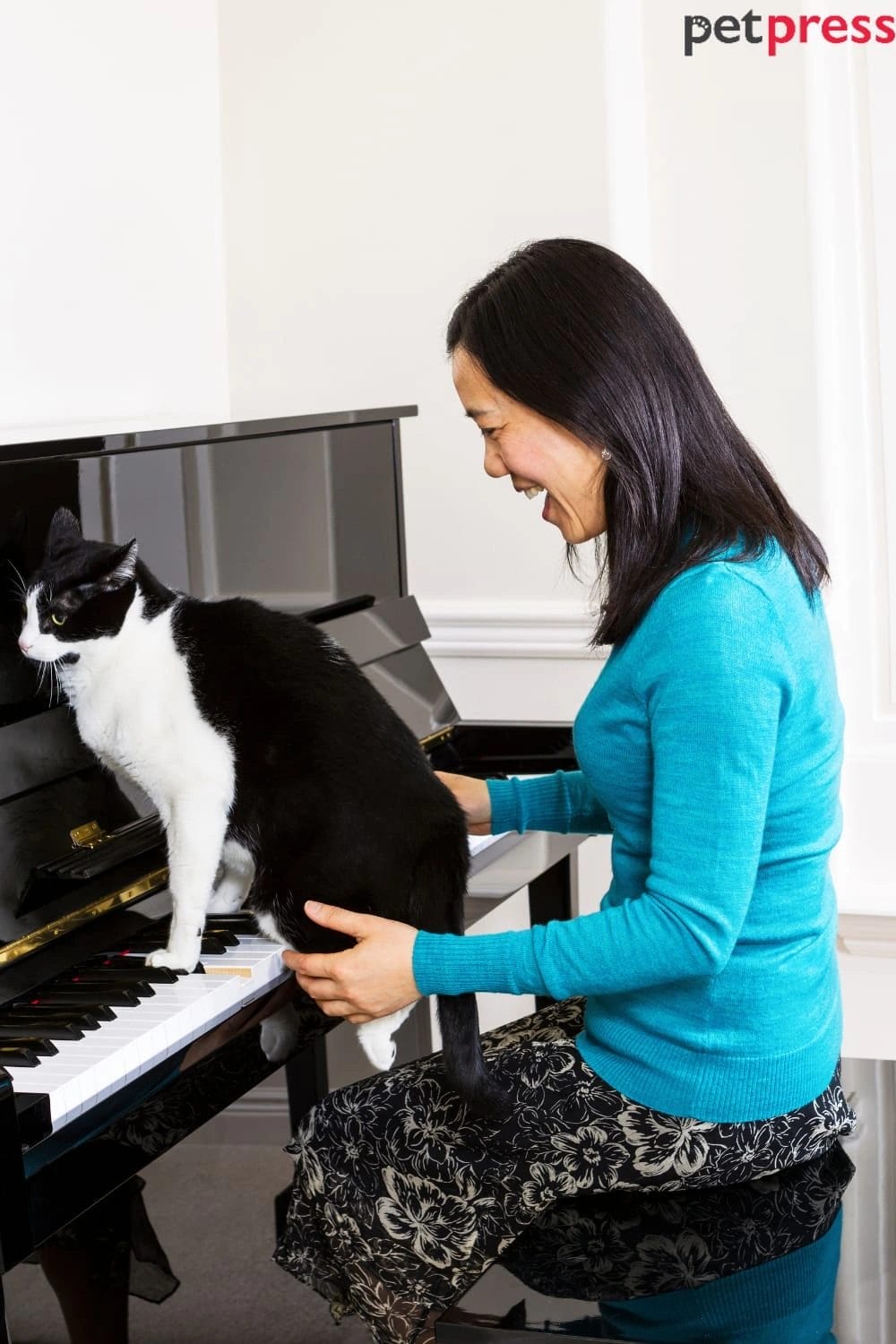
One of the biggest questions cat owners ask is whether their pets can enjoy the same music humans do. The answer is more complex than a simple yes or no.
Most studies suggest that cats are indifferent to human music. While dogs have shown signs of responding to certain genres such as classical music, cats often fail to display noticeable reactions when exposed to typical human melodies.
This doesn’t mean cats dislike music—it simply means that human music wasn’t designed with their biology in mind.
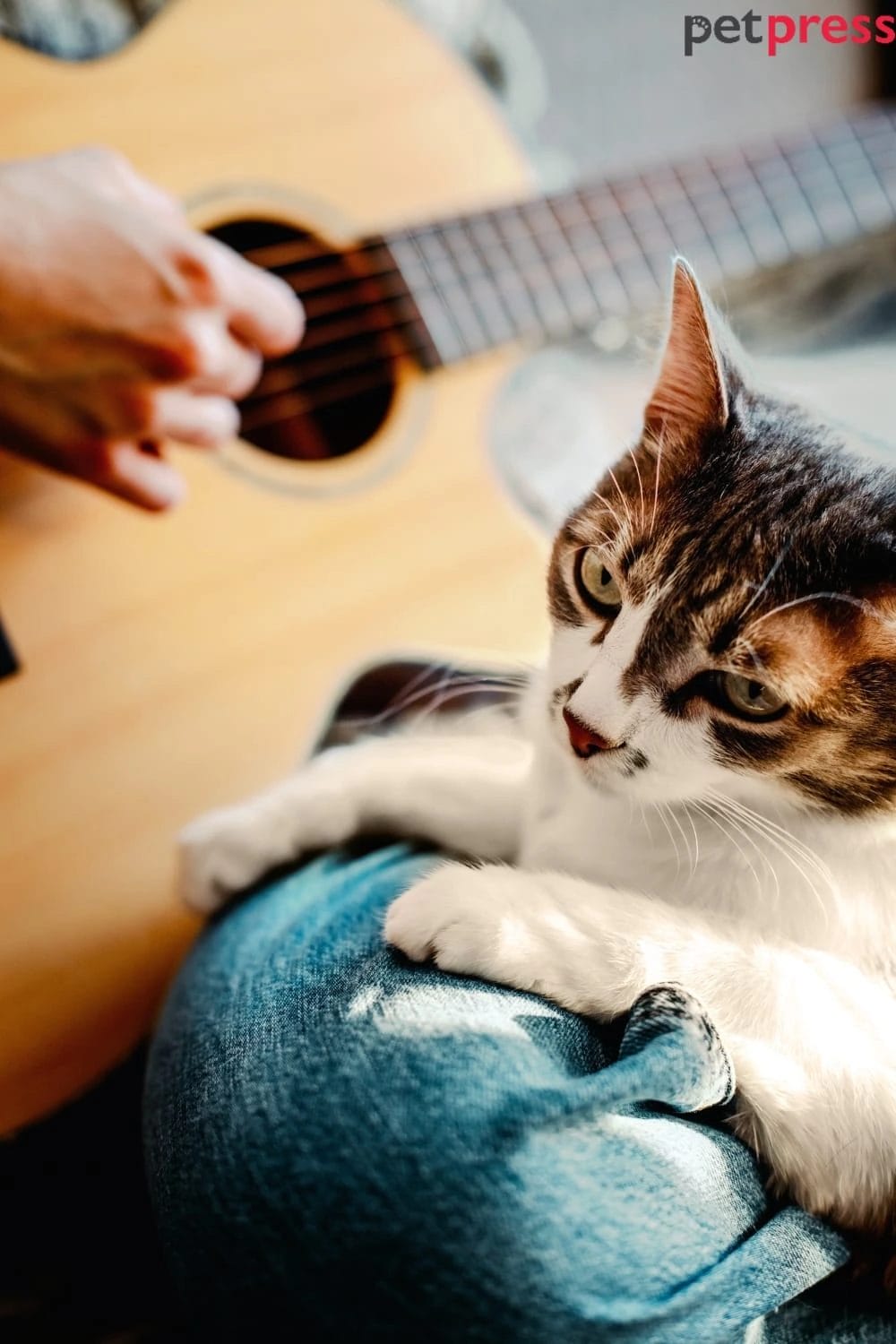
That being said, anecdotal evidence from cat owners suggests that some felines appear calmer when exposed to soft classical pieces, ambient sounds, or acoustic guitar melodies.
However, this is usually attributed more to the atmosphere created by the music rather than the music itself.
The Rise of “Cat-Specific Music”
In recent years, scientists and musicians have experimented with creating music tailored specifically for cats.
This type of music is based on frequencies, tempos, and rhythms that align with feline vocalizations and biological rhythms.
A notable study published in Applied Animal Behaviour Science explored the effects of species-specific music on cats. The researchers composed songs that mirrored purring frequencies and the tempo of nursing sounds.
When these pieces were played, cats showed significantly more interest—rubbing against the speakers, orienting toward the sound, and even purring in response.

Cat-specific music often includes
- Frequencies within the feline vocal range (higher than human voices).
- Rhythms that mimic purring or grooming sounds.
- Soothing, repetitive patterns rather than sudden shifts in pitch or tempo.
Several companies now produce cat-focused music tracks that pet owners can stream to help reduce anxiety, encourage relaxation, and even make veterinary visits less stressful.
How Cats React to Music
Not all sounds are created equal when it comes to feline comfort. Cats can respond positively, neutrally, or negatively depending on the type of sound.
Sounds Cats May Find Calming
- Purring frequencies (20–50 Hz)
- Slow, rhythmic tones
- Cat-specific music compositions
- White noise or ambient nature sounds
Sounds Cats May Dislike or Find Stressful:
- Loud bass or percussion-heavy music
- Sudden sharp notes or unpredictable changes
- High-pitched electronic beeps
- Very loud volume levels
It’s important for cat owners to observe their pets’ body language. Signs of comfort include purring, kneading, and relaxed posture, while signs of stress include flattened ears, twitching tails, and attempts to leave the area.
Music as a Tool for Feline Well-being
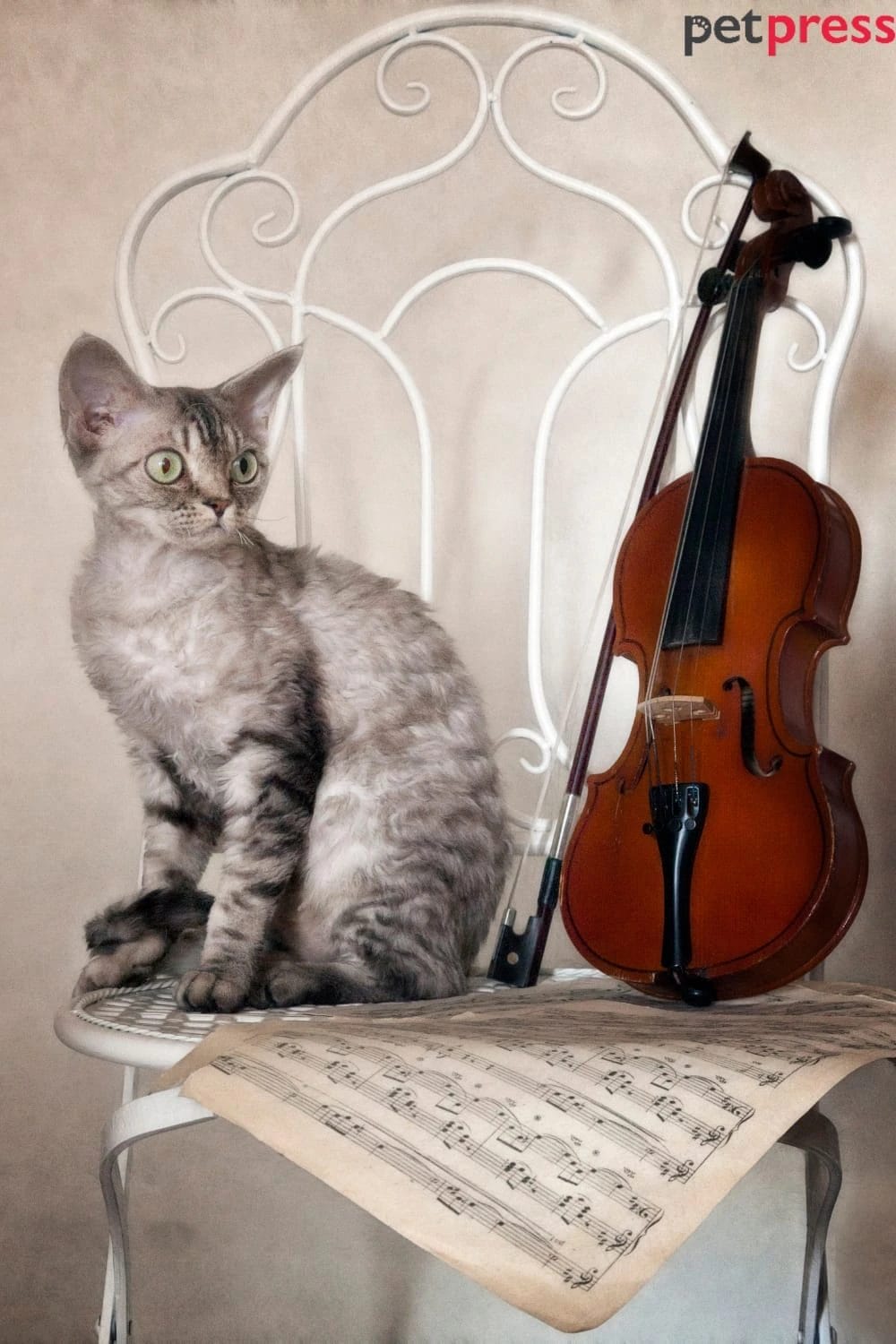
While not every cat will visibly enjoy music, many can benefit from carefully chosen soundscapes in specific situations. For example:
- Reducing Anxiety During Travel: Playing soft, cat-specific music in the car can help lower stress levels during trips to the vet.
- Creating a Relaxing Home Environment: Gentle background sounds can make cats feel more secure, especially in multi-pet households.
- Enrichment for Indoor Cats: Music can add auditory stimulation for cats that lack outdoor experiences.
- Helping Cats Sleep: Slow, repetitive tones may encourage rest and relaxation.
Some shelters and veterinary clinics have already adopted music therapy as part of their feline care routines, reporting calmer behavior and reduced aggression among cats exposed to tailored soundtracks.
Practical Tips for Playing Music for Your Cat
If you’re curious about whether music can positively impact your cat, here are some tips to get started:
- Start Slowly: Introduce music at a low volume and gradually increase it to see how your cat reacts.
- Choose the Right Genre: Experiment with cat-specific tracks, classical pieces, or ambient music. Avoid loud, fast-paced genres.
- Watch for Reactions: Pay attention to whether your cat seems relaxed, curious, or stressed.
- Use Music as Routine: Playing calming sounds during feeding or nap times can create positive associations.
- Don’t Force It: If your cat walks away or shows signs of discomfort, respect their preferences.
The Science Behind Cats and Rhythm
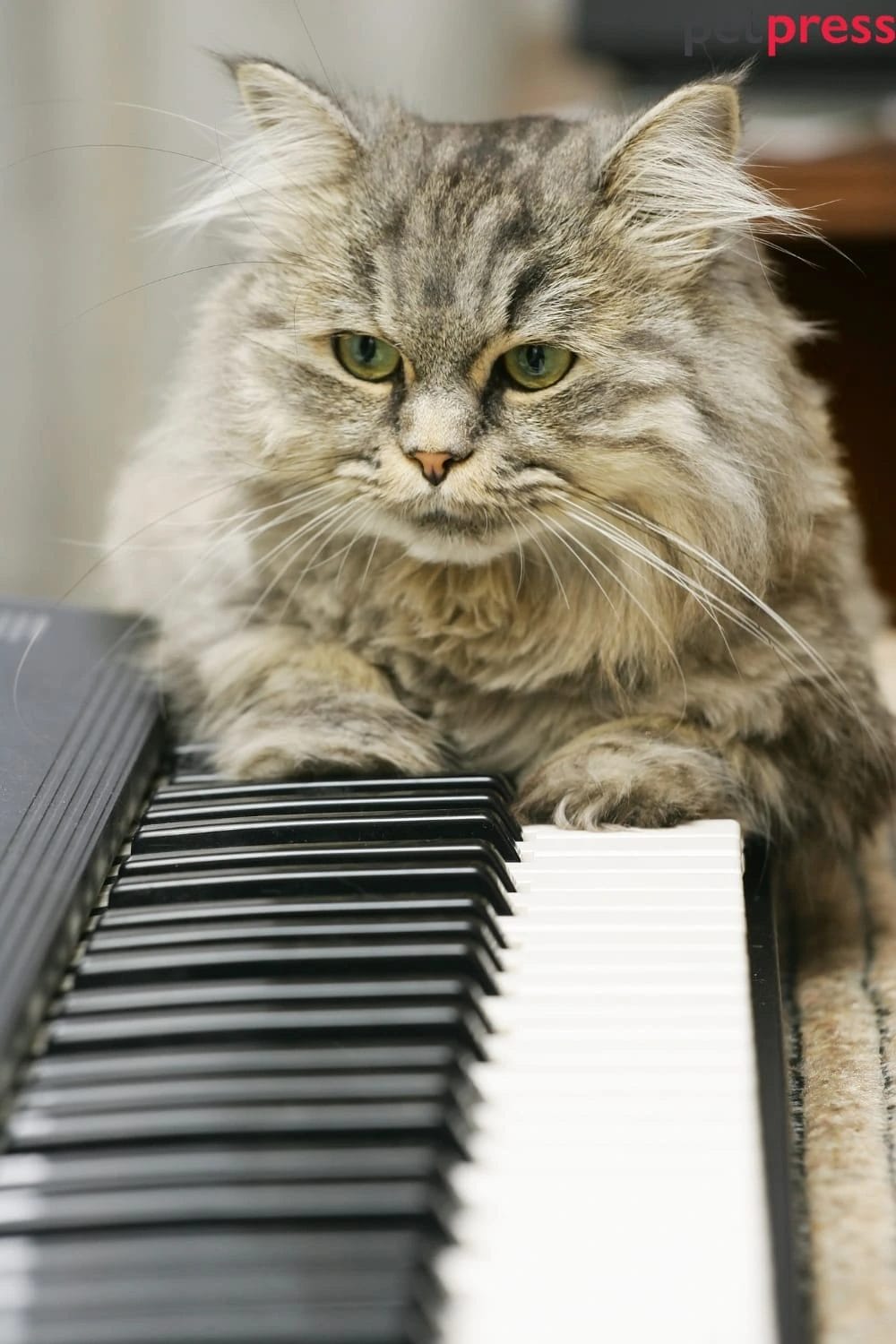
One interesting distinction between humans and cats is rhythmic perception. Humans naturally move to the beat of music, but cats do not display this behavior.
Instead, they respond more strongly to tempo and tone that mimic natural biological sounds, such as heartbeats or purrs.
This suggests that while cats may not “dance” or respond rhythmically to music, they can still process patterns in sound that align with their instincts.
In short, rhythm matters to cats, but only when it reflects something meaningful in their world.
Conclusion: How Cats React To Music?
So, do cats really respond to sound and song? The answer is yes—but not in the same way humans do.
While most cats remain indifferent to standard human music, specially designed feline compositions have been shown to capture their interest and even promote relaxation.
By understanding how cats perceive sound and tailoring auditory experiences to observe your cat’s behaviour and respectto their biology, owners can use music as a powerful tool for reducing stress, enriching environments, and strengthening bonds.
Ultimately, the key is observing your cat’s behavior and respecting their unique preferences.
FAQs Related To How Cats React To Music?
Yes, but most cats won’t show much interest. Soft classical or acoustic music may be tolerated, but species-specific music is more effective.
Some cats may find your voice comforting, especially if it’s soft and calm. Others may be indifferent. Cats generally prefer sounds within their vocal range.
Yes. Cats have highly sensitive hearing, so loud music can cause stress and even long-term damage. Always keep the volume low.
Absolutely. Many studies and anecdotal reports suggest cat-specific music can reduce stress, particularly in high-anxiety situations like travel or vet visits.
Several streaming platforms and websites offer playlists designed specifically for cats, often labeled as “cat music” or “pet relaxation tracks.”

- 15 Meaningful Dog Memorial Tattoo Ideas & Costs - March 20, 2026
- Best Horse Hoof Supplement Reviews for Beginners (2026) - March 19, 2026
- Pet Rat Hammock Setup Guide: Best Layouts & Prices - March 19, 2026
GIPHY App Key not set. Please check settings