

 Emily Walker
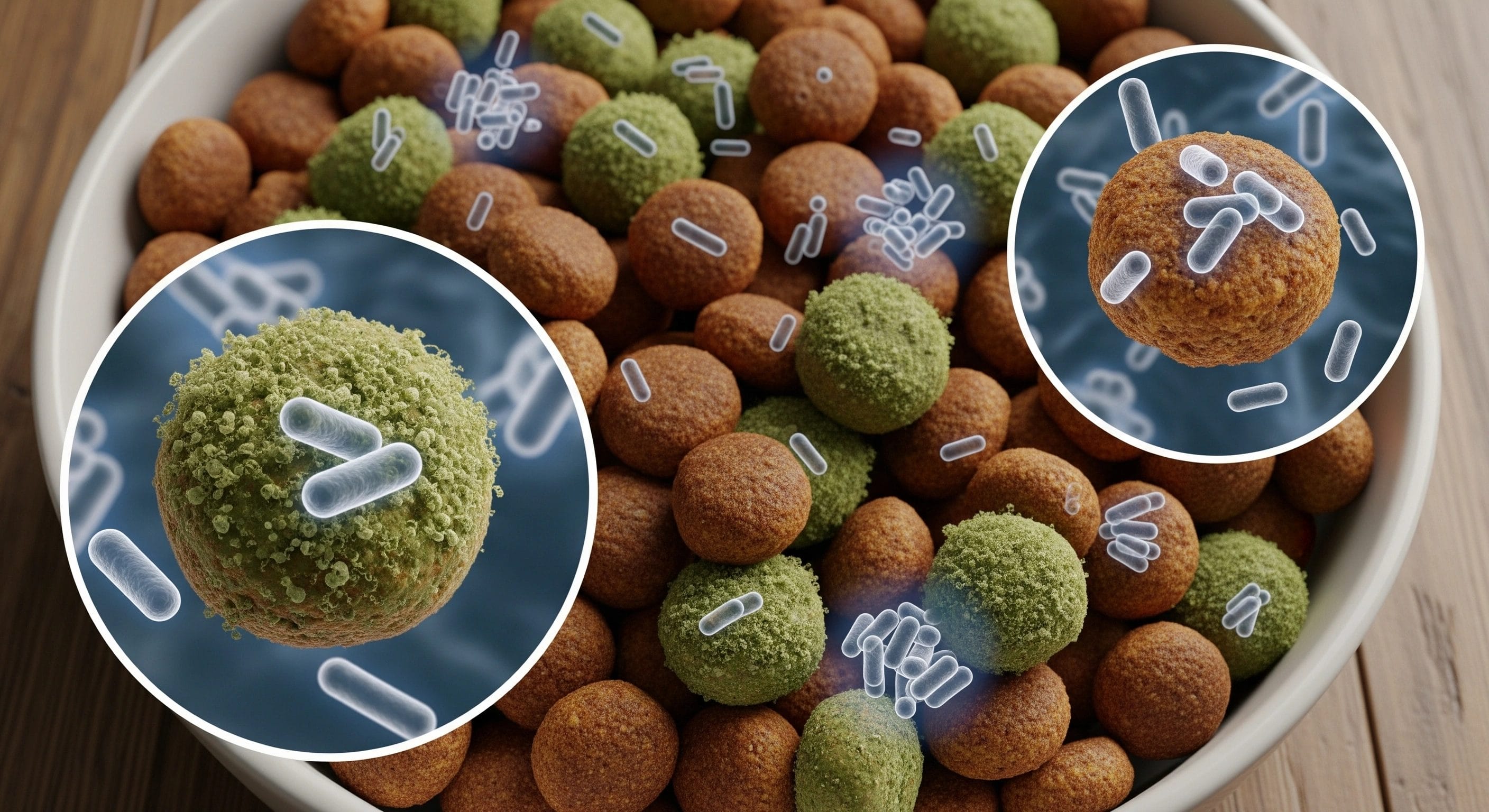
Dogs are basically part of the family—sometimes I swear they run the place.
Lately, though, there’s been all this talk about salmonella showing up in dog food you buy at the store.
Kinda freaky, right? I’ve seen folks absolutely crushed when their dog gets sick, and most of the time, they had no idea the food was sketchy.
The wild thing is, it can mess with humans too. So now, being a dog parent means you gotta keep an eye out for anything weird with their food.
It’s just another way to look out for your best bud, you know?
Understanding Salmonella and Its Impact on Dogs
Salmonella is a bacteria that causes salmonellosis — basically a nasty infection that can hit animals and people.
The CDC says dogs pick it up from contaminated food, water, or by touching infected animals or their poop.
Some pups carry the bacteria and act totally fine, while others get really sick.
Vets often share stories of perfectly normal dogs testing positive only after someone in the house got sick — surprise plot twist.
There are over 2,500 different serotypes, and some of them are significantly more virulent than others.
When contaminated food is eaten by a dog, the bacteria can quickly grow in the intestine and cause acute gastroenteritis and, if it spreads systemically, infection throughout the body.
Symptoms to Watch For in Your Dog
Pet owners should be vigilant for the following signs of salmonella infection in their dogs:
Gastrointestinal symptoms
Usually pop up anywhere from a few hours to a couple days after your dog’s been exposed—so it’s not always obvious right away.
You’ll probably notice some seriously messy diarrhea (sometimes even with blood, which is never fun), throwing up, and maybe your pup just isn’t interested in food.
They might look downright exhausted, maybe running a bit of a fever, and if they’re losing a lot of fluids, dehydration can kick in pretty quickly.
Septicemia (Blood Infection)
If it enters the bloodstream, that’s septicemia — it can travel all through the body and is fatal.
This requires a vet immediately. Puppies, older dogs, and those with compromised immune systems are the most vulnerable.
Chronic Carriers
Some dogs never look sick but still carry and shed Salmonella in their poop.
That’s a quiet risk because they can pass it to other pets or people in the house without anyone realizing. Keep an eye on hygiene and food safety — it actually matters.
The Rising Trend of Dog Food Recalls
Lately, there’s been a noticeable spike in dog food recalls — and yeah, it’s pretty alarming.
The FDA actually tracks this stuff, and their database shows that salmonella contamination is one of the top reasons dog food gets pulled off shelves.
It’s a big deal because these recalls don’t just mean a bad batch — they reveal deeper problems in how some pet foods are made and handled.
I’ve seen cases where a recall came after dogs already got sick, which is exactly why staying informed matters.
Common Sources of Contamination
Salmonella can sneak into dog food at almost any point in the process — from farm to food bowl.
Raw Material
are the largest red flag, particularly meats such as beef, fish, and chicken.
The bacteria have a chance to gain entry into the finished product if the supplier is not careful or the meat is not properly handled during processing.
A contaminated lot may find its way into thousands of homes.
Manufacturing Facilities
need to be kept very clean so that they are not cross-contaminated.
Even dry kibble — which is heated at high temperature — can be re-contaminated later on during cooling, packaging, or with dirty equipment.
It’s similar to cooking dinner perfectly and then dropping it on a grimy counter.
Raw and Freeze-Dried Diets
The AVMA (which is the American Veterinary Medical Association) observes that raw pet food is more likely to harbor fatal bacteria because it skips the cooking phase that would kill bacteria.
Raw feeding sounds natural, but it is not always safe.
Treats and Supplements
aren’t off the hook either. Stuff like pig ears, bully sticks, and other animal-based snacks have been tied to salmonella outbreaks too.
They look innocent enough, but they can be just as risky as contaminated food — especially if they’re not properly processed.
The Human Health Connection
Listen — salmonella in dog food isn’t just a pet problem; it can make people sick too.
The CDC estimates about 70 human infections a year from contaminated pet food and treats, and that number is probably higher because lots of cases never get reported.
I’ve heard vets and public-health folks swap stories about families who didn’t connect the dots until someone in the house got sick — then everything clicked.
That’s why this matters for you, your dog, and everyone at home.
How Humans Get Infected
Human infection typically occurs through several routes:
- Direct handling of contaminated dog food during meal preparation.
- Cross-contamination of kitchen surfaces, food bowls, and utensils.
- Contact with infected pets or their feces.
- Inadequate hand washing after handling pet food or cleaning up after pets.
Some people really need to watch out for salmonella more than others.
Like, kids under five, people over 65, pregnant women, and folks with weak immune systems? They’re the ones who can get hit hardest. For them, it’s not just some quick stomach bug.
We’re talking about real problems like getting super dehydrated or even ending up in the hospital with something worse.
Identifying Recalled Products
If you’re serious about keeping your dog safe, you’ve gotta stay on top of pet food recalls.
The FDA has a dedicated recall page that’s updated all the time — it lists which brands are affected, the batch numbers, and where those products were shipped.
Think of it like a “do not eat” list for dogs. I’ve seen people find out after their pup got sick that the food had been recalled weeks earlier — don’t be that person.
Key Information to Check
When a recall drops, here’s what you need to look for:
• Product name and brand — make sure the food you’re using isn’t on the list.
• UPC codes and lot numbers — these are printed on the bag or can; they tell you exactly which batches are affected.
• Manufacturing dates — check if your supply matches the recalled time frame.
• Distribution info — see which states or stores got the bad product.
• Reason for recall — know what went wrong, whether it’s salmonella, mold, or something else dangerous.
A lot of pet food brands now offer recall alerts by email or text — and signing up for them is honestly a no-brainer. You’ll get instant updates if something you’re feeding your dog ever ends up on the recall list.
Protecting Your Pet and Family
Prevention is the real MVP here — do the boring, safe stuff and you massively cut the chance of salmonella hitting your dog or someone at home.
Good food-handling and hygiene aren’t optional; they’re the defense line.
Safe Food Handling Procedures
- Purchase from quality sources and inspect for expiration dates. Don’t settle for bags which appear to be tainted — a torn bag is an open invitation to bacteria.
- Keep food in a dry, cool place. Place the food in its packaging bag within an airtight container to keep it fresh and away from acquiring contaminants.
- Hand-wash with soap and warm water for a minimum of 20 seconds after you touch pet food, treats, or bowls — yes, hum the chorus of a song in your head if you need a timer.
- Wash feeding areas daily with hot soapy water. Sanitize bowls every now and then. Tip: stainless steel bowls are cleaner to wash and don’t retain bad odors like plastic.
- Dispose of leftover food, particularly raw or wet material. Food lingering in a single location for hours is essentially granting bacteria a VIP pass to reproduce.
Going for Safer Dog Food Alternatives
- Research manufacturers. Choose manufacturers that demonstrate transparent sourcing, quality control, and transparency.
- Opt for processed commercial foods instead of raw ones when safety comes into question. Bacteria such as salmonella are destroyed with high-temperature processing.
- When you change foods, change them gradually. Gradual change allows you to detect stomach issues and maintains digestion balanced.
- Consult with your veterinarian about what works best for your dog’s lifestyle, age, and health. Your veterinarian can suggest safe alternatives and offer guidance best for your dog.
What to Do If You Suspect Contamination
If you think your dog ate contaminated food or they’re suddenly acting sick — don’t wait it out.
Salmonella isn’t something that just “goes away.” Fast action can literally save your dog and stop it from spreading to others.
Immediate Steps
- Call your vet immediately if your dog’s showing symptoms like vomiting, diarrhea, or acting super tired. Be ready to tell them everything — the food brand, when you bought it, what batch it’s from, and if you recently switched diets.
- Keep the sick dog separated from other pets (and yeah, humans too) as much as you can. Salmonella spreads easily — think shared bowls, licking, or even contact with poop.
- Don’t toss the bag or leftovers. Hang onto the packaging and any remaining food so your vet or health officials can test it.
- Report it to the FDA through their Safety Reporting Portal. That might sound like something only grown-ups do, but seriously — this is how outbreaks get caught and recalls happen.
Conclusion
Salmonella in dog food is a real threat, but it’s totally preventable if you stay alert and smart about it.
Keeping up with recalls, handling food safely, and sticking with trusted brands can make all the difference.
The big takeaways? Check recall lists often, wash your hands and bowls like it’s second nature, know the warning signs of infection, and always loop in your vet about what your dog’s eating.
I’ve seen how small habits — like storing food right or checking batch numbers — can stop major problems before they start.

- Does Cat Litter Melt Ice? The Complete Guide to Winter Safety - January 30, 2026
- Happy Tail Dogs: Understanding This Common Canine Condition - January 29, 2026
- How Cold Can Outdoor Cats Handle? Feline Winter Safety - January 27, 2026
GIPHY App Key not set. Please check settings