

 Lauryn Dell
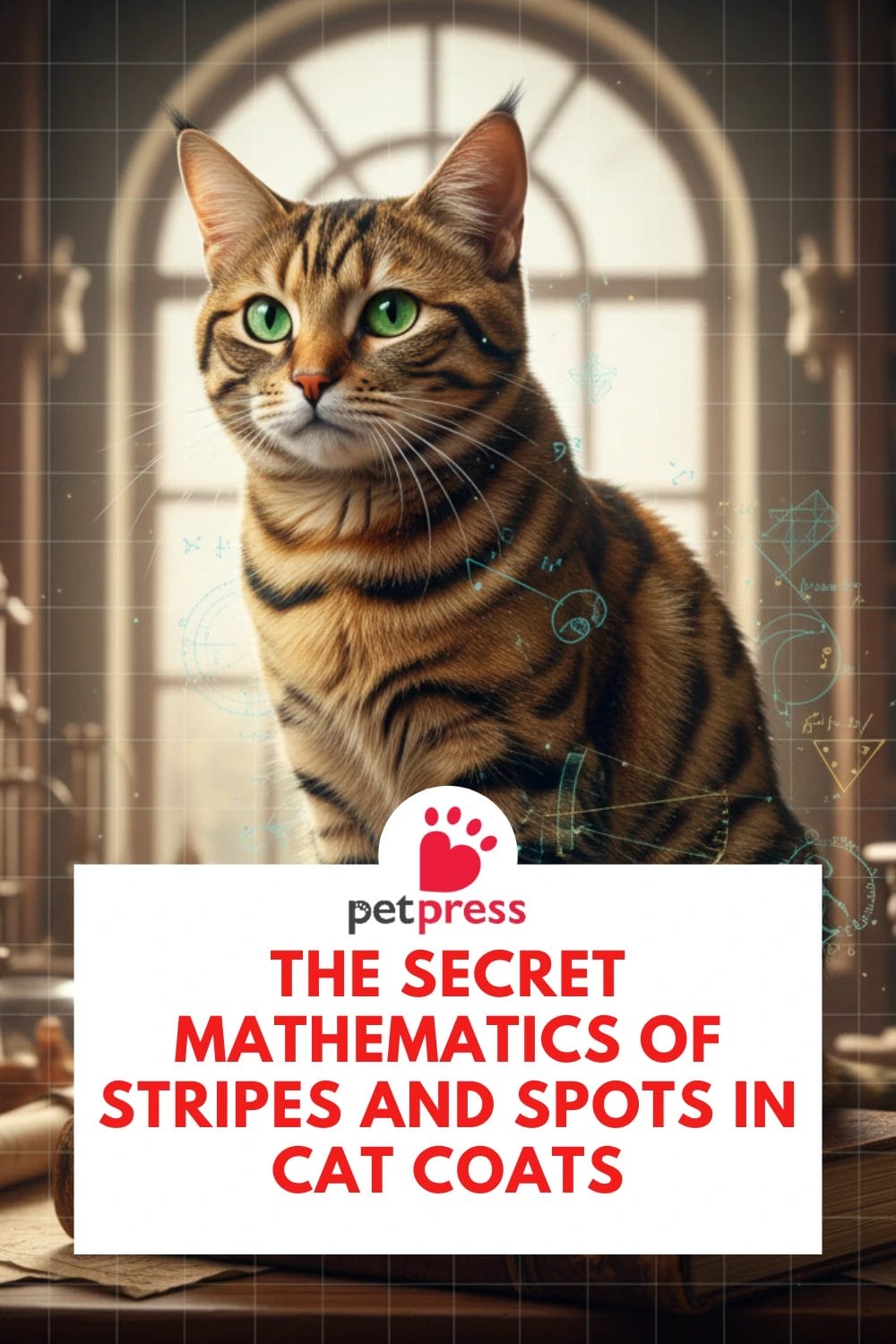
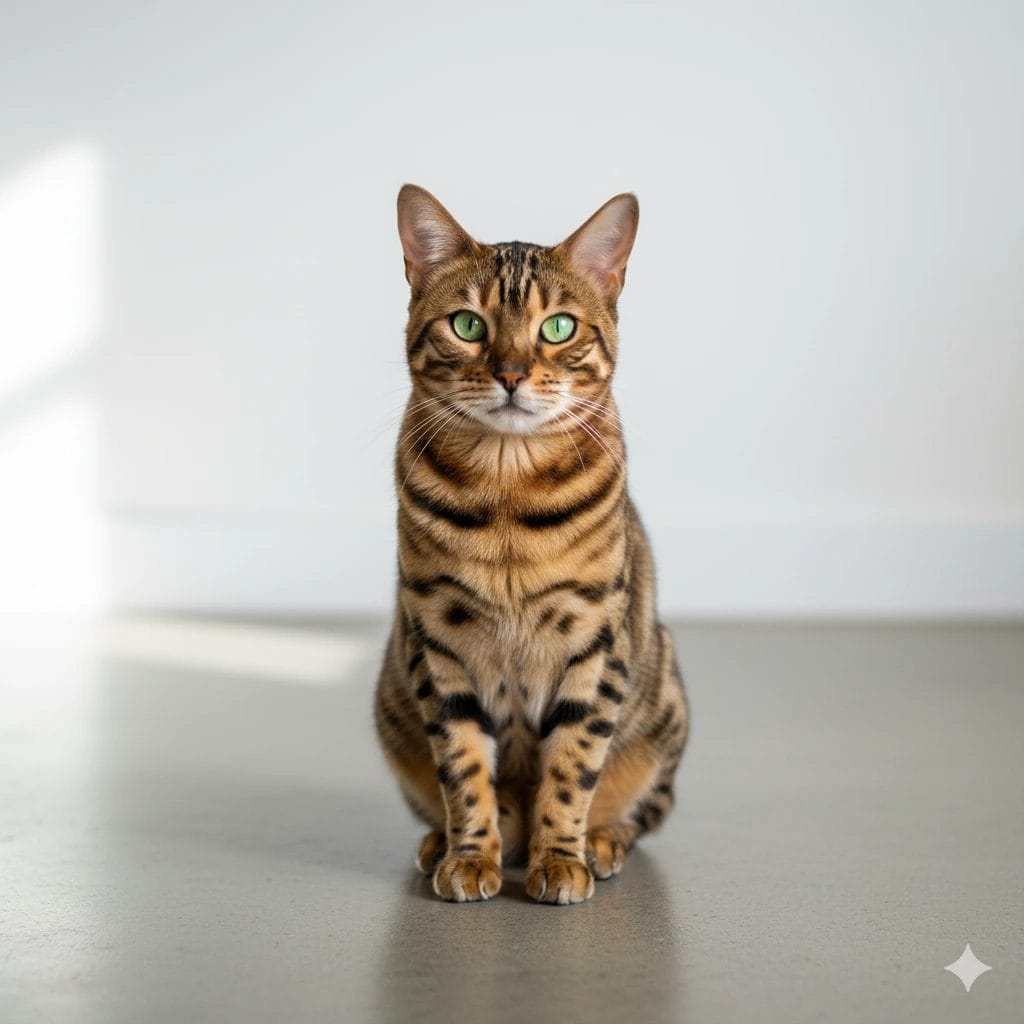
From the sleek Stripes and Spots in Cat Coats related to a Bengal cat to the playful spots of an Ocicat, feline coats have intrigued humans for centuries.
WWhile some people admire these markings purely because of their aesthetic appeal, scientists have uncovered deeper secrets behind them.
Beneath every tabby swirl and every leopard-like rosette lies a complicated combination of genetics, biology, and mathematics.
Recent research in developmental biology and applied mathematics has revealed that cat coat patterns are not random. Instead, they follow precise mathematical principles, rooted in nature’s language of pattern formation.
Understanding this process not only deepens our appreciation of cats but also highlights broader truths about biology and mathematics working hand in hand.
The Science Behind Cat Coat Patterns
Cat coat markings are determined before birth, during the early stages of embryonic development. At this point, skin cells are already receiving instructions from genetic codes that dictate where pigment-producing cells should cluster.
Two primary components shape a cat’s coat pattern:
- Genetics (the blueprint): Genes determine whether a cat will have spots, stripes, or solid coloration. The most famous of these is the tabby gene, which has multiple variants producing different types of patterns.
- Mathematics (the painter): Once the genetic blueprint is set, mathematical processes decide how these patterns appear across the skin. Reaction-diffusion models, discovered by Alan Turing, explain how simple rules give rise to complex natural patterns like tiger stripes or cheetah spots.
This blend of genetics and mathematics ensures that every cat is visually distinct, even among siblings.

Alan Turing’s Role: The Reaction-Diffusion Model
In 1952, British mathematician Alan Turing, who is known for breaking Nazi codes during World War II, proposed a revolutionary idea about biological patterns. He suggested that two chemical substances—called morphogens—spread through developing tissues at different rates, reacting and diffusing in ways that create stable, repeating patterns.
When applied to cat coats, this model predicts:
- Spots emerge when one chemical dominates locally but dissipates quickly elsewhere.
- Stripes form when the balance between activator and inhibitor chemicals creates alternating zones of pigment.
Remarkably, decades later, biologists confirmed that Turing’s mathematical model aligns with real genetic processes in cats, fish, and even mammals like zebras. This discovery means every feline coat carries a hidden mathematical signature.
The Genetics of Stripes and Spots
While mathematics explains the “how,” genetics explains the “why.” The primary gene families influencing coat patterns include:
- The Tabby Gene (Taqpep): This gene is central to stripe and blotch formation. Variants of Taqpep create the difference between narrow tiger-like stripes and wide swirling blotches.
- The Agouti Gene: This gene controls whether individual hairs are banded with multiple colors, giving coats a shimmering effect often seen in tabby cats.
- Modifier Genes: These fine-tune the sharpness, spacing, and clarity of the patterns, making some cats appear bolder while others look faded.
Interestingly, domestic cats share many genetic similarities with wild big cats. For example, the same Taqpep mutations that give leopards their rosettes also contribute to the Bengal cat’s dramatic coat.

The Mathematics of Nature: Beyond Cats
Cats are not the only species to display mathematically driven patterns. Stripes, spots, and spirals appear across the natural world:
- Zebras: Their black-and-white stripes follow similar reaction-diffusion principles.
- Leopards and Jaguars: Their rosettes are mathematically stable formations, offering camouflage.
- Fish Scales: Tropical fish exhibit vibrant repeating bands due to comparable pigment distribution.
This universal application reinforces the idea that mathematics is nature’s preferred language for creating order from apparent chaos. Cats, however, remain one of the most accessible and beloved examples for humans to observe daily.
Why No Two Cats Look Alike
EEven with shared genetic codes, cats rarely look identical. This individuality arises because:
- Small variations in chemical diffusion during development alter the final outcome.
- Environmental factors within the womb may subtly shift how patterns emerge.
- Randomness plays a role: mathematics can guide probabilities, but exact results differ in every individual.
This explains why two littermates may look dramatically different—one striped like a miniature tiger, the other spotted like a leopard.
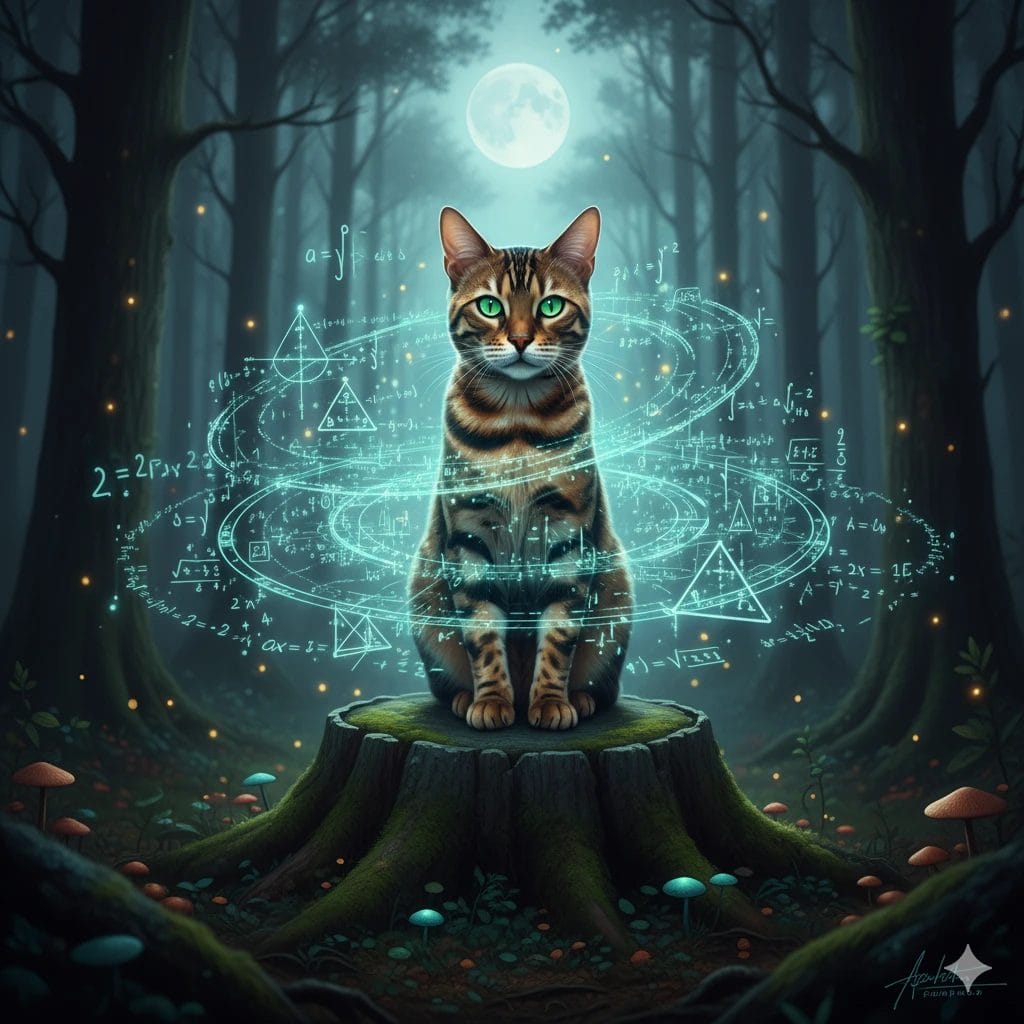
The Evolutionary Purpose of Cat Patterns
Stripes and spots are not just decorative; they serve critical survival functions. In the wild, these patterns provide camouflage, helping cats blend into grasslands, forests, or desert terrain. For domestic cats, the evolutionary link persists, even if camouflage is no longer essential for survival.
Some biologists also suggest that coat patterns play a role in communication among cats, allowing subtle signals through visual cues. While less studied, this theory highlights the multi-layered importance of feline patterns beyond aesthetics.
The Future of Research: Mathematics Meets Genetics
Modern research is now combining genetic sequencing with computational modeling to predict coat patterns more accurately. By simulating embryonic development on computers, scientists can visualize how stripes and spots emerge before they even appear on kittens.
This growing field has practical implications:
- Veterinary science: Understanding coat genetics may help identify links to hereditary diseases.
- Conservation biology: Studying wild cat patterns supports efforts to track and protect endangered species.
- Mathematics and AI: Machine learning models inspired by reaction-diffusion principles are being applied in fields from image processing to architecture.
Conclusion: Stripes and Spots in Cat Coats
The mysterious beauty of Stripes and Spots in Cat Coats is no longer just an aesthetic wonder. Stripes and spots are the product of precise mathematical principles interacting with powerful genetic instructions.
From Turing’s equations to the Taqpep gene, science has revealed that the playful markings of a household tabby are part of a much larger story about nature’s patterns.
By uncovering the mathematics behind feline patterns, we gain insights into our beloved pets and appreciate the universal logic governing life itself. Cats, in their quiet elegance, carry on their fur the equations of nature.
FAQs
Cat coat patterns are shaped by a combination of genetic instructions and mathematical processes during embryonic development. Each cat’s unique mix of genes and chemical reactions leads to distinct markings.
It is highly unlikely. Even cats with the same parents have unique coat patterns because small developmental variations influence the final outcome.
The Taqpep gene plays a key role in forming tabby patterns, determining whether stripes are narrow, wide, or swirled. Mutations in this gene affect how patterns are expressed.
Yes, many wild and domestic cats share similar genes. For instance, the same gene responsible for domestic tabby stripes also contributes to the rosettes in leopards and jaguars.
Absolutely. The same mathematical principles behind cat patterns are applied in computer graphics, physics, and even urban planning. Reaction-diffusion models provide insights into how complex designs can emerge from simple rules.

- 15 Meaningful Dog Memorial Tattoo Ideas & Costs - March 20, 2026
- Best Horse Hoof Supplement Reviews for Beginners (2026) - March 19, 2026
- Pet Rat Hammock Setup Guide: Best Layouts & Prices - March 19, 2026
GIPHY App Key not set. Please check settings