

 Emily Walker
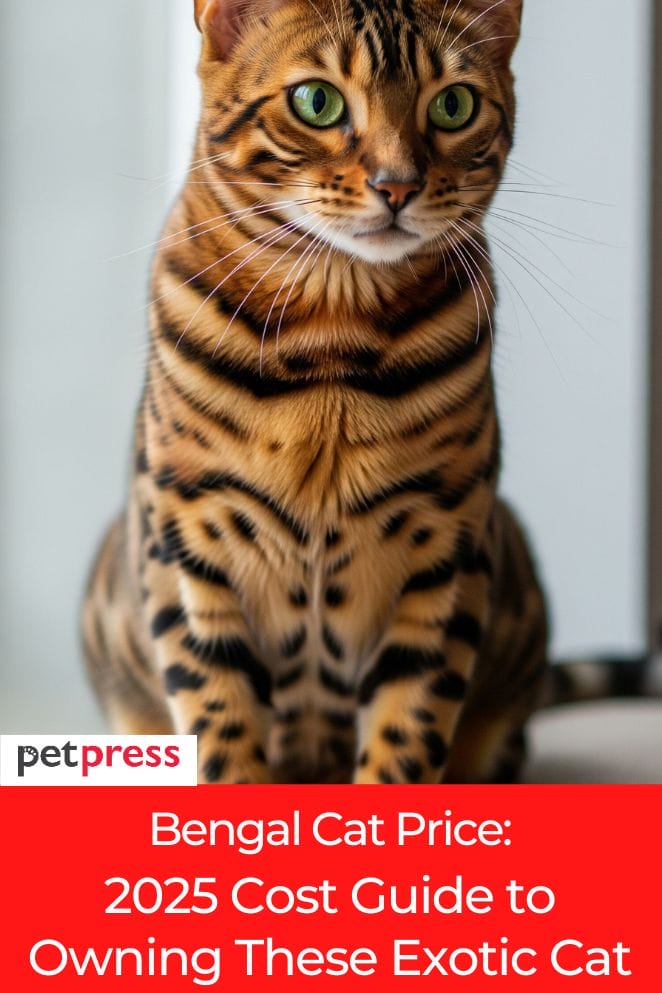
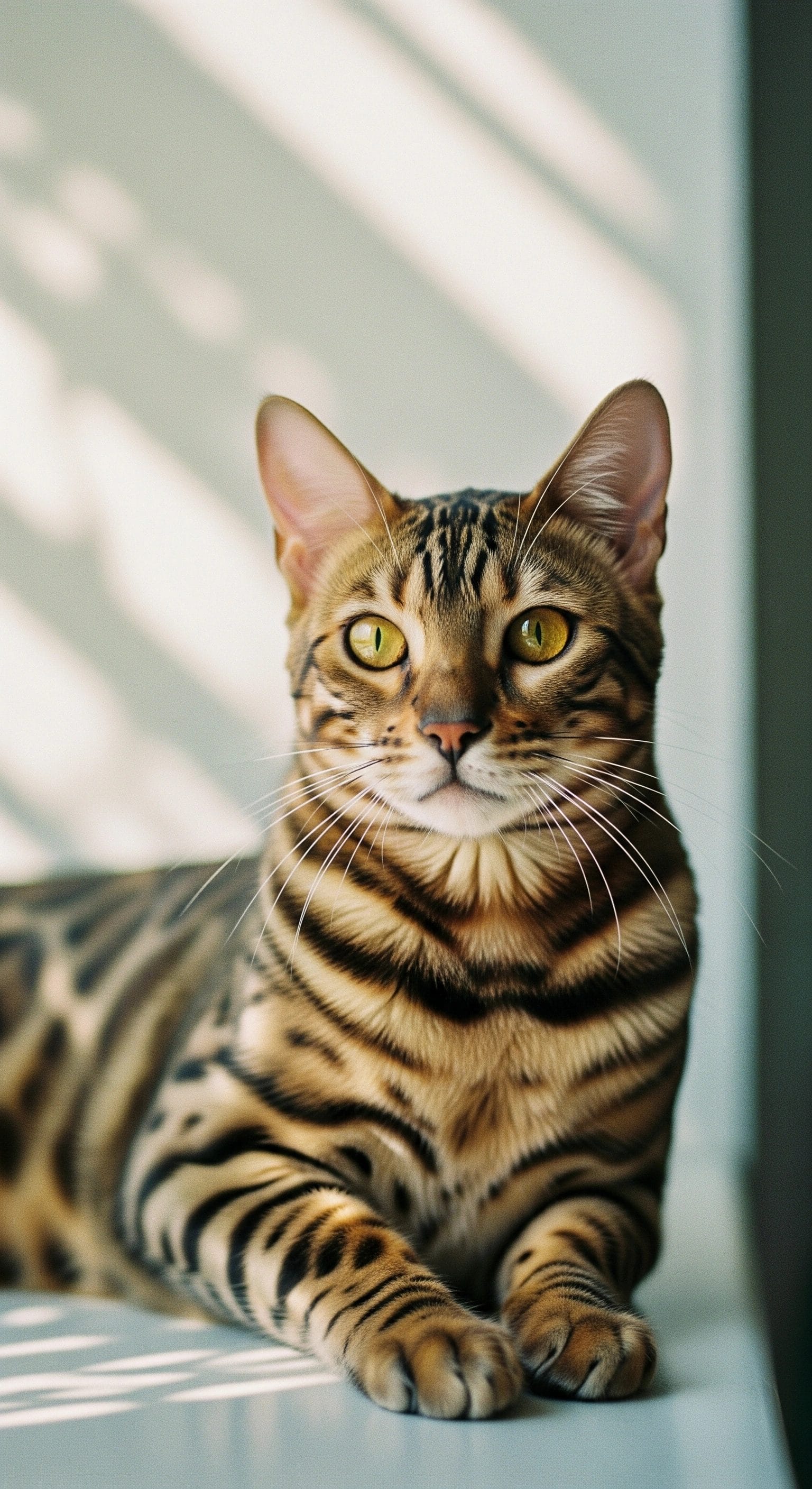
Bengal cats look wild because they come from Asian Leopard Cats, and that also makes them pricey.
Before you get one, know what you’re signing up for financially—these aren’t your average house cats, and their costs show it.
How Much Do Bengal Cats Cost in 2025?
Bengal cats don’t come with bargain-bin price tags.
Their wild ancestry and unique look mean you’re paying more than you would for most breeds.
On average, a Bengal costs about $2,000, but the range runs from $1,000 for the most affordable pet-quality cats to $10,000+ for rare, top-tier bloodlines.
Here’s the real scoop:
Budget Range — $1,000 to $1,500
- Pet-quality Bengals from trusted breeders
- Small imperfections in looks that don’t affect health or personality
- Usually spayed or neutered
- Limited registration (so, no breeding rights)
Mid-Range — $1,500 to $2,500
- Comes from a solid lineage
- Good breeding practices
- Could be show-quality (but not always)
High-End — $2,500 to $5,000+
- Elite bloodlines
- Top-tier looks and personality
- Often fully registered with breeding rights
- Show-quality kittens can easily land in the $3,000 to $5,000 range
Premium / Foundation Cats — $5,000 to $10,000+
- Includes F1 Bengals (first-generation hybrids with direct Asian Leopard Cat heritage)
- The rarest and most expensive
- Pricing depends on gender, breeding rights, and overall quality
Think of these like the exotic sports cars of the cat world — powerful, rare, and not for casual pet owners.
Factors That Influence Bengal Cat Pricing
Bengal cats don’t come with a one-size-fits-all price tag. A bunch of factors play into the cost.
Let’s break down the big ones:
1. Generation Classification (F1, F2, F3, SBT)
Bengals are rated based on how closely they’re related to their wild ancestors.
The closer they are to the Asian Leopard Cat, the pricier they get.
F1 Bengals (First Generation):
These are the wildest of the wild, with 50% Asian Leopard Cat blood.
They’re rare and expensive, usually topping the $5,000+ mark. They need experienced owners and lots of care.
F2 Bengals:
A step down from F1, these still have that wild look.
Males run around $1,500, but females can fetch $5,000 or more. These cats are still pretty wild and need a dedicated owner.
F3 Bengals:
Less wild, more domesticated. Their prices are lower than F1 or F2 but still carry that leopard-esque appearance.
SBT Bengals (Stud Book Tradition):
These are fully domesticated, fourth-generation or later Bengals.
These are the most common type and typically the least expensive, making them the go-to for most pet owners.
2. Breeding Quality and Pedigree
Not all Bengals are created equal, and the quality of breeding makes a big difference in price.
Cats from champion bloodlines or show-quality Bengals go for big bucks because of:
- Perfectly matching breed standards
- Gorgeous coat patterns and markings
- Health-tested parent cats
- Registered pedigrees
In short, if a Bengal is show-ready, it’s going to cost you.
3. Coat Patterns and Colors
Bengals come in different looks, and some are worth more than others because of their pattern and color.
Here’s the breakdown:
Popular Patterns:
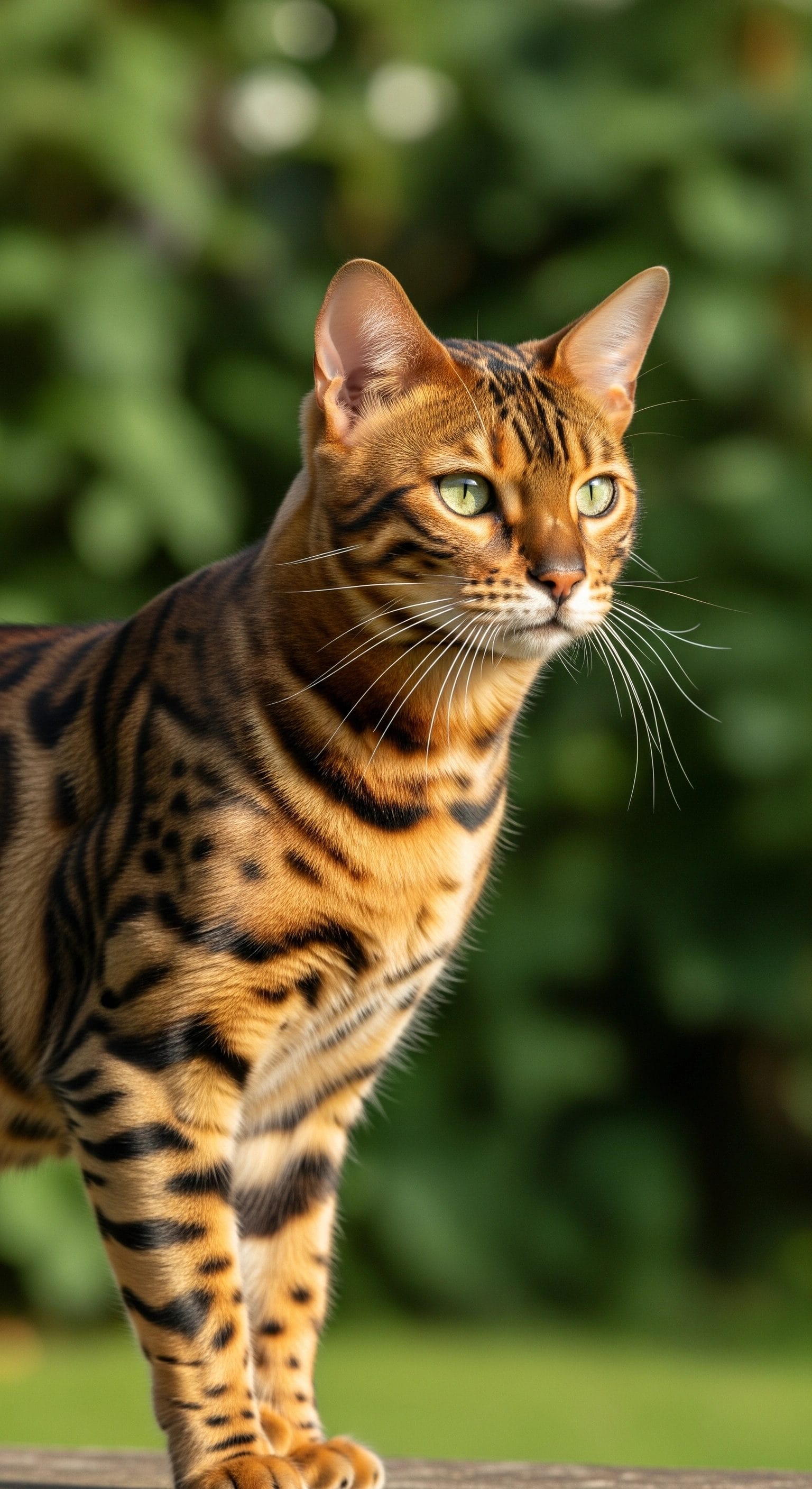
- Rosettes: Big spots that look like leopard markings
- Marbled: Flowing, organic patterns
- High contrast: The bigger the difference between the base color and the markings, the more expensive it can be
Popular Colors:
- Brown (spotted/rosetted): The most common
- Snow varieties: Seal lynx, seal mink, seal sepia
- Silver Bengals: A newer color, often pricier
- Blue & charcoal: Rare and expensive
4. Breeder Reputation and Location
Breeder reputation is crucial. A top breeder with years of experience and excellent breeding practices will charge more.
They often provide:
- Health-tested kittens
- Guarantees for healthy pets
- Ongoing support post-purchase
Plus, where you live can also affect pricing.
Urban areas usually have higher prices due to demand, while rural areas tend to be cheaper.
Beyond the Purchase Price: Ongoing Bengal Cat Costs
Buying a Bengal is just the start — keeping one happy and healthy costs real money every month. Here’s what to expect.
Annual Care Costs
Plan for $1,000–$1,500 a year. That’s about $50–$250 a month depending on food quality, vet visits, and extras.
Monthly Breakdown:
- Food (high-quality): $20–40
- Litter: $15–25
- Toys & enrichment: $10–30
- Grooming supplies: $5–15
- Insurance or emergency fund: $20–50
One-Time Setup Costs
Before your Bengal moves in, you’ll need:
Initial Supplies ($200–500):
- Cat tree & scratching posts
- Interactive toys & puzzle feeders
- Sturdy carrier
- Food & water bowls
- Litter box + quality litter
Safety Upgrades ($100–300):
- Cat-proofing your home
- Secure window screens
- Outdoor fencing for supervised play
Health Care Costs
Bengals have some breed-specific health concerns. Reputable breeders test for:
- HCM (heart condition)
- PRA (eye disease)
- PK-def (blood disorder)
Vet Costs to Plan For:
- Annual check-ups: $200–400
- Vaccinations & prevention: $150–300
- Emergency care fund: $1,000–3,000
- Genetic testing: $300–800
Finding a Reputable Bengal Breeder
Bengals aren’t cheap, so picking the right breeder matters.
The wrong choice can cost you money and heartache. Here’s how to spot the good from the bad.
Red Flags
- Breeder always has kittens available (quality breeders usually have waitlists)
- Won’t let you see where the cats are raised
- No health guarantee or written contract
- Prices that seem too low
- No registration papers or pedigree info
If it feels sketchy, it probably is.
Questions to Ask
- What health tests do you run on breeding cats?
- Can I talk to past buyers?
- What’s your health guarantee?
- Can I visit and meet the kitten’s parents?
- What support do you give after I take the kitten home?
A good breeder won’t hesitate to answer.
Paperwork You Should Get
- Registration papers (TICA, CFA, or similar)
- Health certificates and vaccination records
- Written contract with a health guarantee
- Pedigree documents
- Feeding and care instructions
A reputable breeder is transparent, health-focused, and proud of their cats.
Think of it like buying a luxury watch — you want authenticity, quality, and proof it’s the real deal.
Bengal Cat Ownership: Is It Right for Your Budget?
Before you bring home a Bengal, run the numbers.
They’re not just a pet — they’re a long-term investment.
First-Year Costs
Here’s the starter pack of expenses:
- Purchase price: $1,000–10,000+
- Setup & supplies: $300–800
- Vet care (year one): $300–600
- Food, litter, supplies: $600–1,200
Total first-year bill: $2,200–12,600+
Long-Term Commitment
Bengals live 12–16 years. That’s more than a decade of costs.
- Ongoing yearly costs: $1,000–1,800
- Emergency vet visits: $500–3,000 each incident
- Lifetime estimate: $15,000–30,000+
Owning a Bengal isn’t just about affording the purchase.
It’s about being ready for 15 years of food, vet bills, toys, and “accidental” broken things.
If that number makes your wallet sweat, you might want to reconsider.
Final Thoughts: Making an Informed Decision
Bengal cats cost more than most breeds, and the expense doesn’t stop after you buy one.
Ethical breeding is pricey, and these cats are rare, so their price tag reflects that.
If you’re ready for the cost, care, and 15+ year commitment, they can be incredible companions — smart, active, and stunning.
Before you commit:
- Learn their temperament and needs
- Pick a breeder who health-tests
- Budget for both start-up and ongoing costs
- Prepare your home for an active, curious cat
A cheap Bengal can cost more later if it has health or behavior issues. Paying more upfront for a well-bred cat often saves money and stress in the long run.
For the right owner, a Bengal’s beauty and personality make the investment worth every penny.

- Does Cat Litter Melt Ice? The Complete Guide to Winter Safety - January 30, 2026
- Happy Tail Dogs: Understanding This Common Canine Condition - January 29, 2026
- How Cold Can Outdoor Cats Handle? Feline Winter Safety - January 27, 2026
GIPHY App Key not set. Please check settings