

 Emily Walker
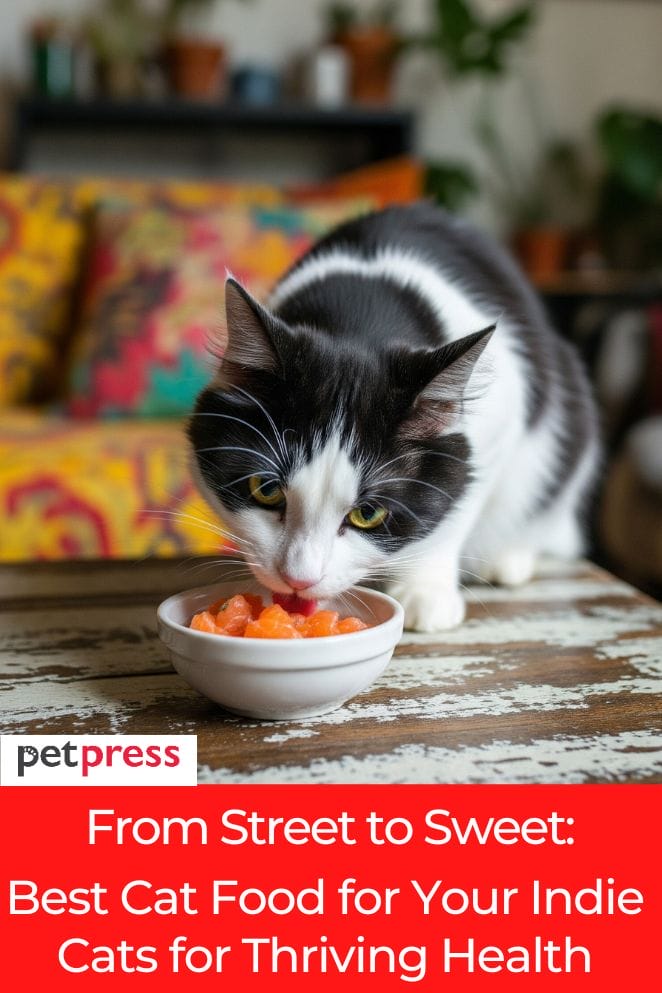
Indie cats—aka stray, rescued, or ex-street cats—aren’t your average fancy fluffballs.
These little fighters survived garbage buffets, rainy nights, and sketchy alleys.
So when they finally land in your home? That’s not just adoption—it’s a glow-up story.
But here’s the catch: you can’t feed them like spoiled house cats.
Their bodies are playing catch-up.
Years of stress and scrappy meals mean they’ve got special needs. Nutrition isn’t optional—it’s the foundation.
This guide breaks down how to feed them right, what types of food actually work, and how to help your indie buddy go from survivor mode to full-on royalty.
Think of it as the makeover montage—but with kibble.
What Defines an “Indie Cat” and Why Their Diet Matters Differently?
An “indie cat” isn’t a breed—it’s a backstory. Think of them as self-made felines.
They grew up on the streets, dodged danger, hunted for scraps, and maybe spent time in a shelter. They weren’t pampered or fed gourmet kibble from Day 1.
And all that rough living shows up in how their bodies work—and what they need to eat now.
Feeding an indie cat isn’t just about filling a bowl.
It’s about fixing damage, building strength, and helping them feel safe, healthy, and full for once.
Let’s break down why their diet needs extra attention:
Unique challenges faced by indie cats:
1. They’re usually underweight
No surprise here: street life doesn’t come with scheduled meals.
Most indie cats show up skinny, hungry, and running on fumes.
Their bodies need real nutrition—protein, fats, and vitamins—to bounce back. It’s not just about gaining weight. It’s about healing.
2. They’ve got parasites
Worms, fleas, ticks—you name it. These freeloaders steal nutrients straight from your cat’s system.
So even if you feed them good stuff, parasites are hoarding it.
Deworming helps, but until that’s done, your cat’s body is basically fighting off roommates it didn’t ask for.
3. Their immune systems are tired
Living outside means constant exposure to germs, fights, stress, and terrible weather.
Their immune systems are burnt out. They need food that boosts defenses—think antioxidants, taurine, and immune-supporting nutrients.
Not mystery meat with artificial dyes.
4. Dental issues
Most indie cats didn’t grow up with dental checkups.
Gnawing trash, bones, or whatever they could scavenge wears down their teeth.
Many have tooth pain or gum issues, which makes eating hard.
You’ll need to choose food that’s easy to chew—or even soft, at least in the beginning.
5. Sensitive stomachs are common
They’re not used to regular meals or rich ingredients.
So if you go straight to premium food, their guts might say “nope.”
Diarrhea, vomiting, or gas can happen when switching foods too fast.
You need to go slow and keep it simple.
6. You don’t know their past
Age? Medical history? Food allergies? It’s often a mystery.
So you’ve gotta be patient, observant, and ready to pivot.
If something seems off, like itchiness or runny poop, it might be the food. Trial and error is part of the game.
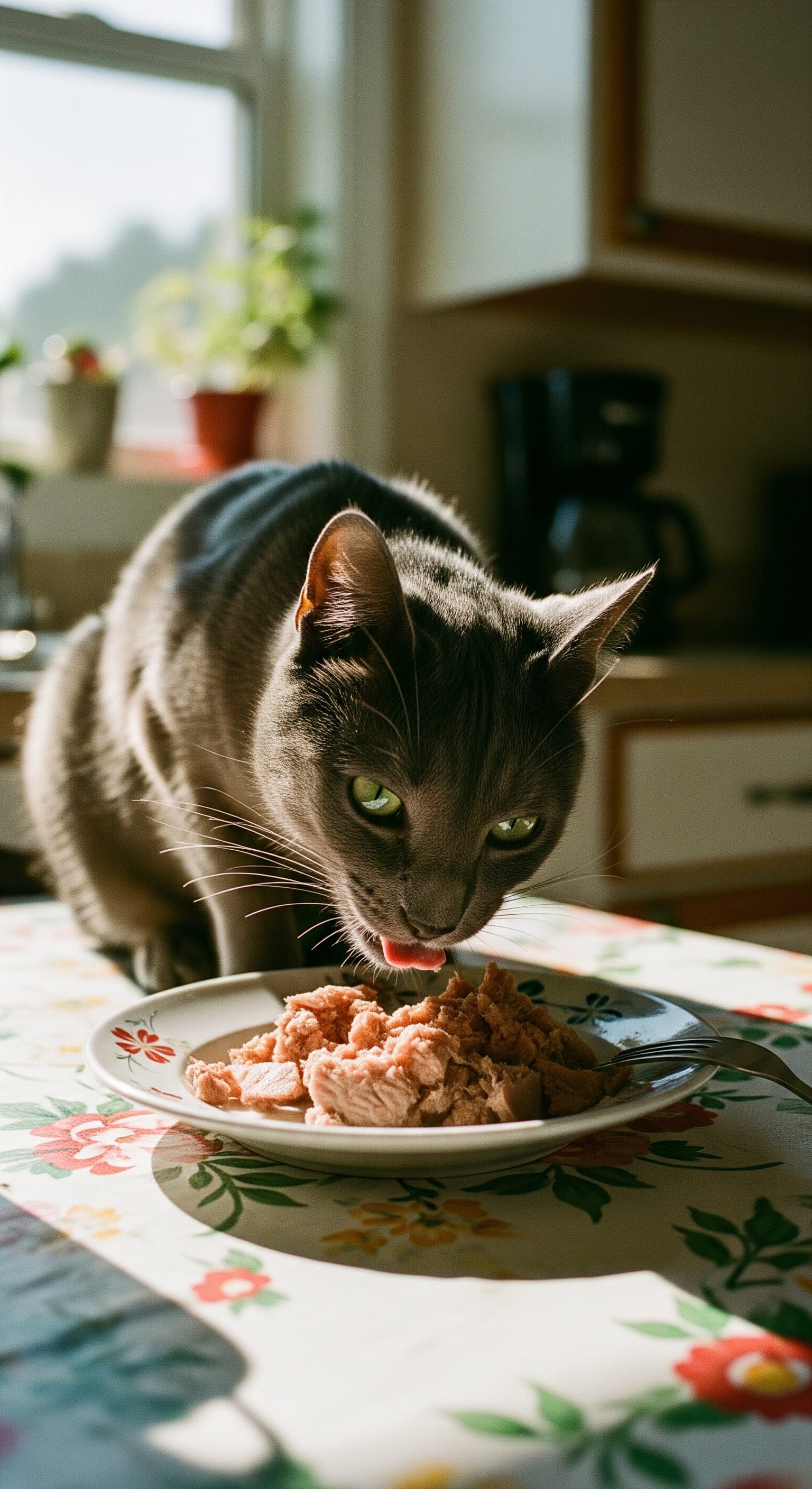
Core Nutritional Requirements for ALL Cats (Crucial for Indies!)
First off, cats are obligate carnivores.
That’s just science speak for: they need meat to survive. Not tofu. Not rice. Not peas. Meat.
Every cat’s body runs on it. But for indie cats—the ones who’ve been living on scraps? These needs matter even more.
Let’s break it down:
High-quality animal protein
Cats don’t just like meat—they depend on it.
Meat gives them amino acids like taurine, arginine, and methionine (don’t worry, no quiz later).
These build muscle, fuel organs, and keep them functioning like the jungle kings they are. Indie cats are often skin and bones, so protein is their comeback fuel.
Taurine
Taurine = non-negotiable.
It’s only found in animal flesh, and cats can’t make enough of it on their own.
Without it? Boom—heart disease, blindness, or worse. Since indie cats likely missed out on proper meals, they’re more likely to be running low.
You need to get taurine in every bowl, no excuses.
Essential fatty acids
These are the healthy fats from animal sources.
They do all the behind-the-scenes work: help the immune system, keep the brain sharp, and turn that patchy, greasy fur into a silky catwalk coat.
If your indie cat looks like they styled their fur with a leaf blower, this is what they need.
Vitamins and minerals
Think of these as the little building blocks.
Vitamin A, D, B-complex, calcium, potassium—all crucial for bones, nerves, muscles, and pretty much everything else.
Street cats miss out on these, which means they’re starting at a deficit. Their food needs to bring it all back.
Water
Here’s the thing: cats don’t drink much water on their own. In the wild, they got it from eating fresh prey.
Indie cats may be dehydrated already—especially if they’re older or recovering from illness.
Wet food is a smart move, or you’ll have to sneak hydration in with broths and water-rich snacks.
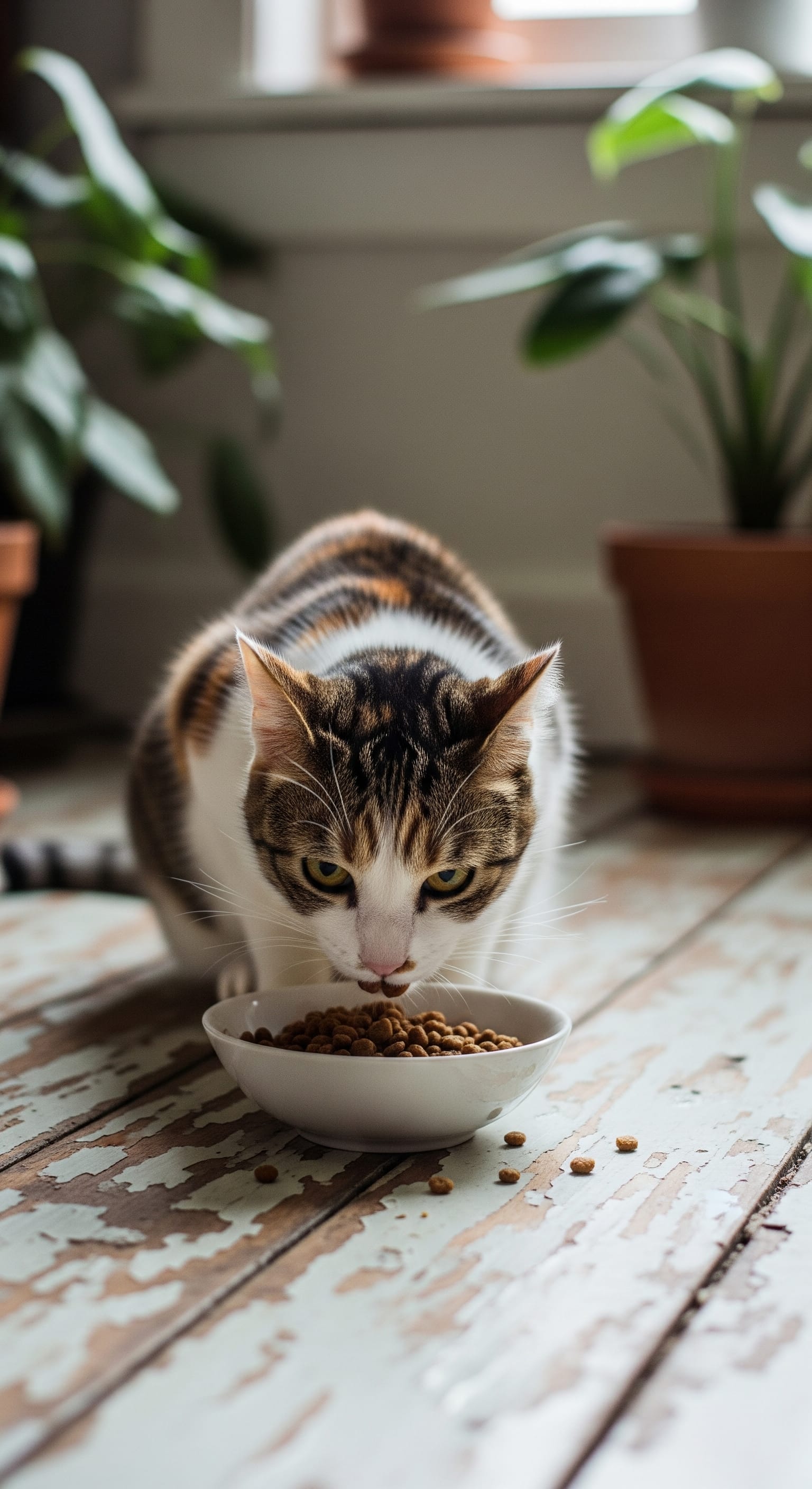
Dry vs. Wet Cat Food for Indie Cats: Weighing the Options
When you’re feeding an indie cat (aka rescued street cat), the “wet or dry?” debate actually matters. It’s not just about taste—it’s about survival, healing, and hydration.
Wet food benefits
High moisture content
This helps with hydration, kidney health, and flushing the system.
Great for indie cats who may have never seen a water bowl in their life.
High palatability
Wet food smells like “real food” to a cat.
Even picky eaters or cats with sore mouths will usually go for it. Super helpful if your indie cat’s not eating much yet.
Easier to digest
Many indie cats have been through the digestive wringer—parasites, trash food, who knows what.
Wet food is softer on the gut and easier to process.
Often higher in protein
Most good wet foods use more real meat.
And that’s what your indie cat needs to rebuild their body—meat, not mystery cereal bits.
Calorie-dense options
Some wet foods are made for weight gain. Great for cats that are too skinny and need to bulk up fast.
Dry food benefits
Let’s be real—it’s easy. But comes with trade-offs.
Cheap and convenient
Dry food is budget-friendly and doesn’t go bad fast. You can leave it out all day.
Perfect for busy humans. Not always perfect for recovering cats.
“Cleans Teeth” (Sorta)
Some brands say it helps with dental health.
But it’s not a replacement for actual vet dental care. Think of it like chewing gum—it helps a bit, but don’t skip the brushing.
Free-feeding possible
You can use it for free-feeding if your cat needs constant access to food.
But if you’re trying to manage weight? Might be better to portion.
Recommendation for indie cats
Start with wet food—always. Especially in the early rescue phase.
Indie cats are often dehydrated, underweight, and struggling with stomach or mouth issues.
Wet food checks all the boxes.
Once your cat’s stable? You can mix in some high-quality dry food to balance cost or keep things flexible.
But hydration and protein should stay the priority.
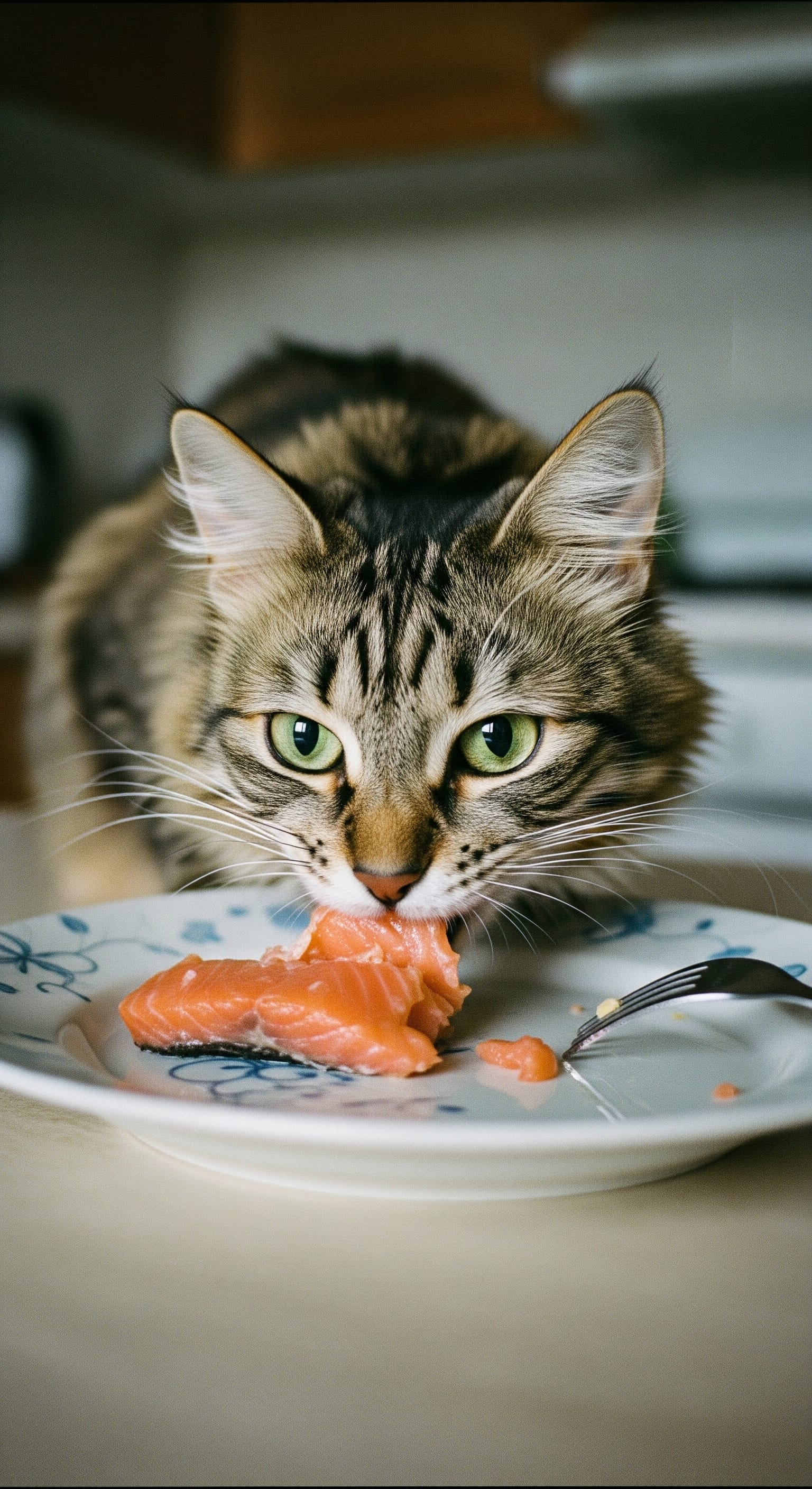
Key Considerations When Choosing “Indie Cat” Food
Okay, so you’ve got an indie cat. Cool. Now let’s talk food—not just dry vs. wet, but what’s actually in the bag or can.
Here’s how to pick food that helps your street-smart cat heal and thrive.
1. Meat should be the first thing listed
Read the label. You want to see real meat up top—like chicken, beef, salmon.
If it starts with “meat by-product” or “corn gluten,” skip it. Indie cats need legit animal protein to rebuild strength.
2. Cut the junk: No fillers or fake stuff
Watch out for corn, wheat, soy, and ingredients you can’t pronounce.
Also, ditch food with fake colors and preservatives. These can mess with digestion and don’t offer anything useful.
3. Go high-cal if your cat’s skinny
Indie cats often show up underweight.
Look for calorie-dense food to help them gain weight safely. Some kitten foods work for this, too—but check with a vet first.
4. Match the food to their age
Kittens? Use real kitten food. They need extra everything—protein, fat, nutrients—to grow strong.
Adults? A balanced adult formula does the job.
Seniors (7+ years)? Go for senior food. It supports joints, kidneys, and keeps their brains sharp.
5. Got tummy issues? go gentle
Many indie cats have sensitive stomachs.
Try grain-free or limited-ingredient food. Some come with probiotics or prebiotics to help their gut reset.
6. Boost that immune system
Choose food with added Vitamin E, Vitamin C, omega-3s, and gut-friendly stuff like probiotics. Indie cats have been through a lot—give their immune system backup.
7. Balance budget with ingredients
Top-shelf brands are awesome, but not everyone can afford them.
That’s fine. Some mid-range options have great ingredients too. Don’t fall for flashy packaging—read the label.
Transitioning and Feeding Strategies for Indie Cats
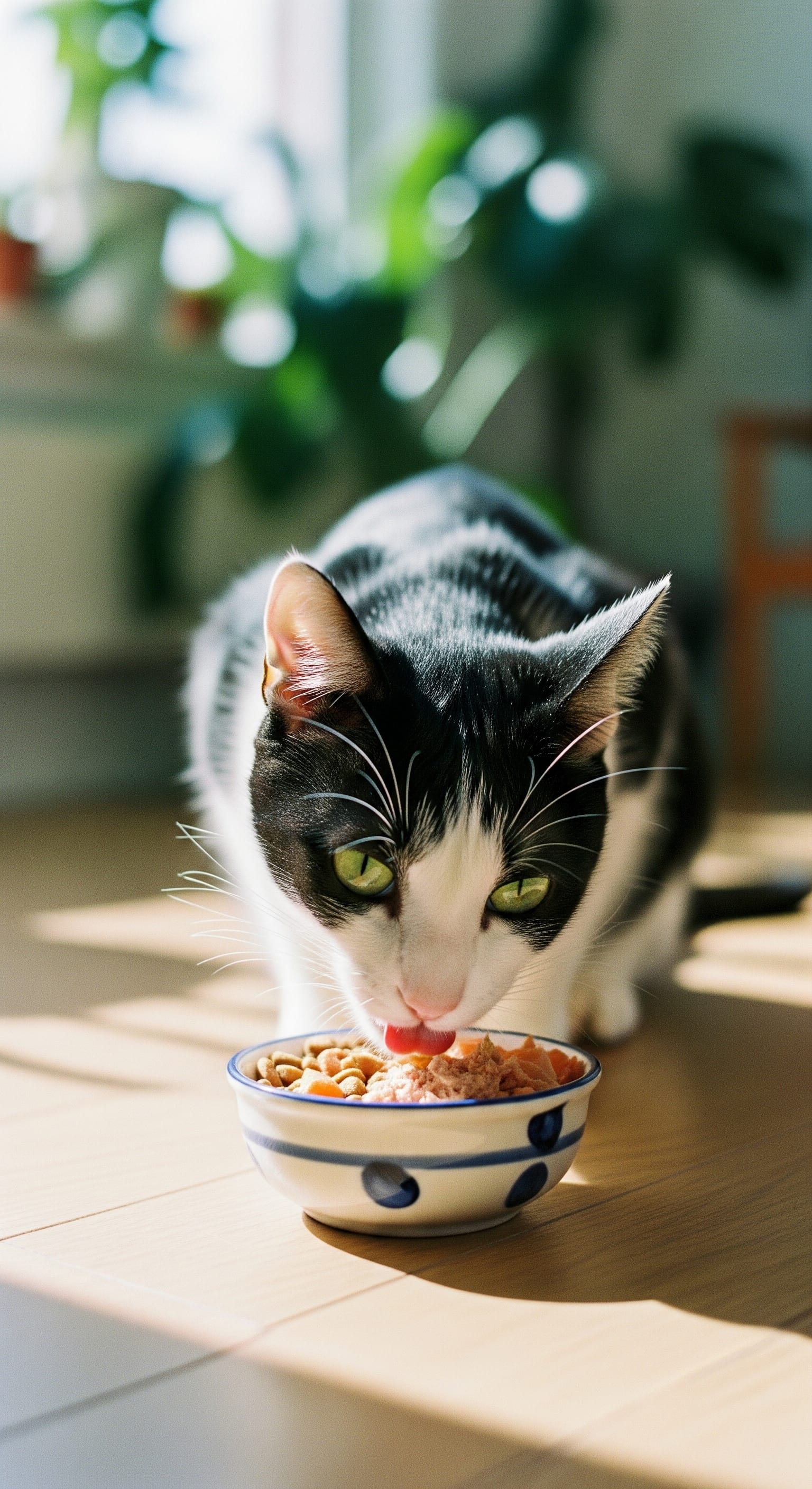
Bringing home a rescued cat isn’t just cute videos and purring—it’s a project.
Feeding them right takes patience, a game plan, and some trial and error. Here’s how to handle it like a pro.
Step 1: Don’t switch food overnight
Cats hate change. Their stomachs hate it more.
If you dump a new food in their bowl without warning, expect vomit, diarrhea, or the silent treatment.
Ease into it over a week:
- Days 1–2: 75% old food, 25% new
- Days 3–4: 50/50
- Days 5–6: 25% old, 75% new
- Day 7+: All new food, no drama
Step 2: Small meals, more often
Most indie cats come home underweight or weak.
Instead of feeding two big meals, start with 3–4 smaller ones. It’s easier to digest and helps them gain weight without overload.
Step 3: If they’re picky, use some tricks
Some cats act like food critics. If yours sniffs the bowl and walks off, try this:
- Warm it up – A few seconds in the microwave makes wet food smell more “alive.”
- Soften dry food – Add warm water or mix it with wet food.
- Top it off – A pinch of freeze-dried meat or a little tuna water (not oil!) can seal the deal.
Give it time. Their instincts may take a while to realize this food is actually good.
Step 4: Hydration is non-negotiable
Indie cats may be used to scrounging puddles or nothing at all.
Always leave fresh water out—in a few places if you can.
Pro tip: Try a pet fountain. Many cats love running water (don’t ask why, they’re just weird like that).
Step 5: Track their progress
Weigh them weekly at first. Watch their energy, coat shine, and poop (yep, the litter box tells all).
If something feels off, the food may not be the right fit. Adjust early, not after they’ve lost more weight.
Step 6: Set the vibe right
Don’t feed them in the middle of chaos. Indie cats—especially the former ferals—need peace to feel safe.
Set up a calm, quiet corner. No kids, no barking dogs, no distractions. Let food time feel safe and predictable.
Addressing Common Health Issues Through Diet
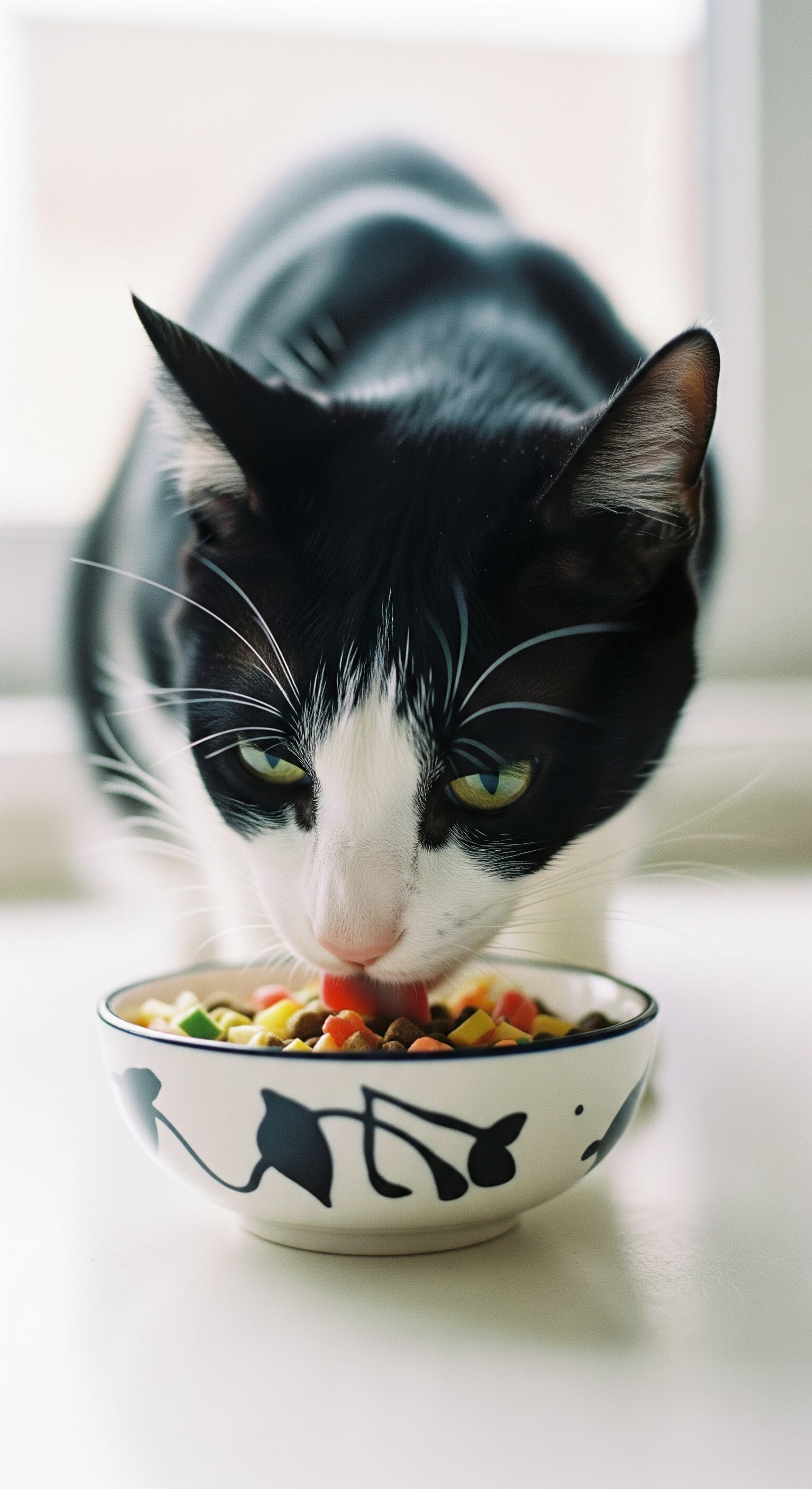
Indie cats don’t just carry street smarts—they usually show up with health problems too.
The good news? Food can help fix a lot of them. Here’s what to feed based on what’s going on.
1. Too skinny or malnourished
Go for high-protein, high-calorie food. Think recovery diets or kitten formulas (yep, even for adults—just check with your vet first).
These help rebuild muscle and energy fast.
2. Tummy problems or diarrhea
Choose food that’s easy to digest and has limited ingredients.
No fancy flavors or weird fillers. Some cats also need probiotics to reset their gut—ask your vet for a good one.
3. Bad coat or dry skin
If your cat looks like they’re styled with static electricity, it’s probably a fatty acid problem.
Look for food with Omega-3 and Omega-6. A little fish oil can also help—just be sure to get the right dose from your vet.
4. Mouth pain or dental issues
Start with wet food—it’s soft and easier to eat.
Long-term, you’ll still need to talk to your vet about dental care, but feeding won’t be a battle in the meantime.
5. Kidney trouble (common in older indie cats)
For senior cats, your vet might recommend kidney-friendly food.
It’s usually low in phosphorus and protein to ease the load on their kidneys.
Don’t DIY this—always ask your vet before switching to a renal diet.
The Role of Supplements (Use with Caution)
Good cat food already has everything most cats need.
But sometimes your vet might suggest adding a little extra—just don’t go rogue with the pills.
- Probiotics – These help the gut get back on track after stress, sickness, or antibiotics.
- Omega fatty acids – Help with dry skin, dull coat, and creaky joints.
- Vitamins/minerals – Only give these if your vet says there’s a legit deficiency. Too much can mess things up.
Always consult your veterinarian before adding any supplements to your cat’s diet.
Beyond the Bowl: Holistic Care for Your Indie Cat
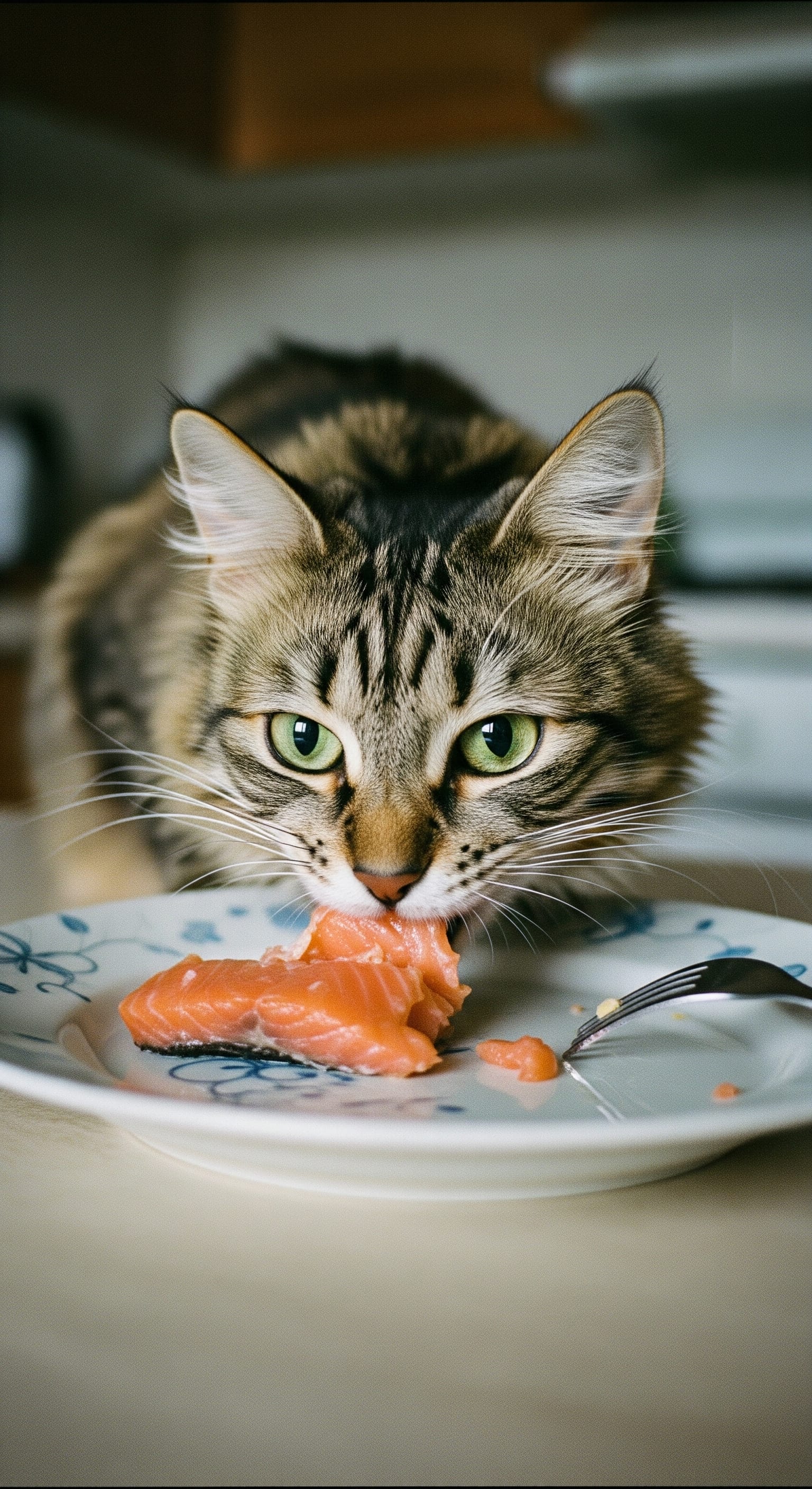
Feeding is just part of the glow-up. Real recovery needs more than food. Here’s the rest:
Vet visit
First stop? The vet. You’ll need vaccines, deworming, and a full checkup to find hidden issues. Plan for follow-ups too.
Parasite prevention
Indie cats almost always have fleas, ticks, or worms.
Treat both the inside and outside bugs. Parasites steal nutrients and wreck progress.
Safe space
Give your cat a calm, indoor space where they feel safe.
No stress, no drama. Toys help too. They’re not just cute—they build trust and brain power.
Patience and love
This isn’t an overnight fix. Some indie cats take weeks (or longer) to fully relax and recover.
Stick with it. Be gentle. Keep routines. Love helps them heal more than you think.
Final Take: Feeding an Indie Cat Is a Big Deal
Feeding an indie cat isn’t just about filling a bowl—it’s how you help them bounce back from street life. Focus on real meat, wet food for hydration, and food that fits their age and health.
Go slow with changes, watch their progress, and stay patient.
You’re not just feeding a cat—you’re helping a scrappy survivor turn into a happy, healthy housemate. That’s real magic.

- Does Cat Litter Melt Ice? The Complete Guide to Winter Safety - January 30, 2026
- Happy Tail Dogs: Understanding This Common Canine Condition - January 29, 2026
- How Cold Can Outdoor Cats Handle? Feline Winter Safety - January 27, 2026
GIPHY App Key not set. Please check settings