

 Emily Walker
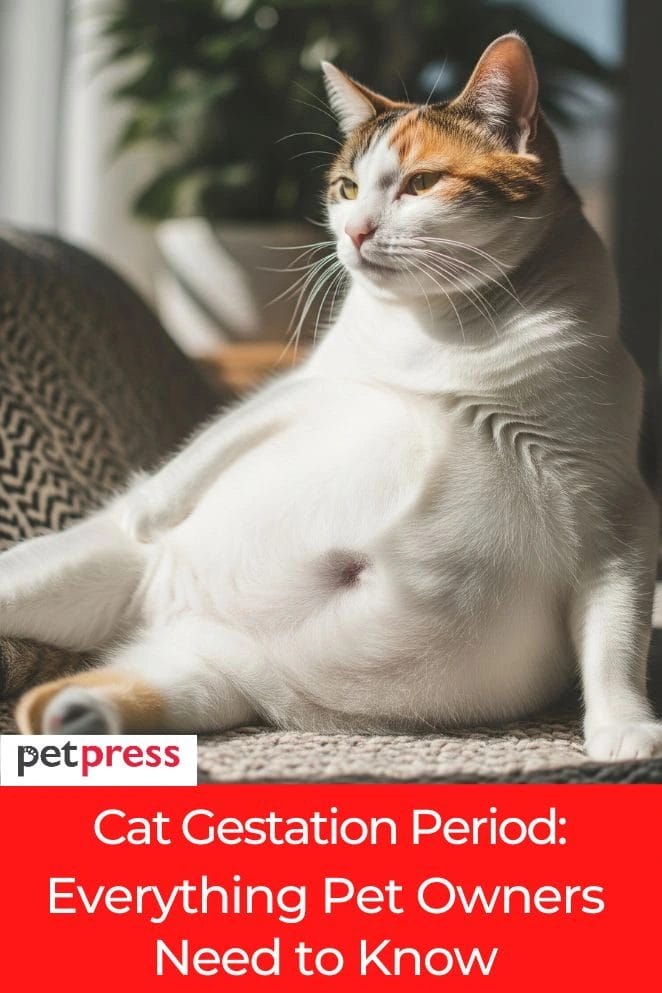
Knowing your cat’s pregnancy timeline is key, whether it’s a surprise or planned.
A cat’s pregnancy lasts about 63-65 days, and it’s pretty much her own version of “keeping up with the kittens.”
From spotting the first signs to caring for the babies, here’s your no-stress guide to cat pregnancy—think of it as your feline’s own “What to Expect When You’re Expecting.”
Understanding the Cat Gestation Period
Your cat’s pregnancy usually lasts about 65 days, but it can range anywhere from 52 to 74 days—that’s basically two months, or just long enough to binge-watch a new Netflix show.
Most cats deliver kittens between days 63 and 67, but sometimes they take their sweet time (up to 72 days), especially first-timers who are still figuring things out.
Factors like litter size, the cat’s age, and if it’s her first rodeo can all influence when she finally pops.
Why Does Gestation Matter?
Knowing your cat’s pregnancy timeline helps you prep for kitten arrival—think nesting boxes, kitten-proofing your home, and scheduling vet visits.
The magic window of around 63-65 days lets kittens fully develop organs, bones, and even their adorable fur, making sure they arrive ready for their Instagram debut.

The Three Stages of Cat Pregnancy
Cat pregnancies break down into three easy-to-follow stages, each lasting about three weeks.
Think of them like episodes in a short Netflix series—each with its own plot twists.
First Trimester (Days 1-21)
The first few weeks are sneaky—your cat might be pregnant, but she’s keeping it low-key.
Fertilized eggs settle into the uterus around days 12-13 and start becoming tiny embryos.
Most cats won’t show any clear signs, so spotting pregnancy here is like catching an Easter egg in a Marvel movie—easy to miss if you’re not paying attention.
Key moments:
- Fertilization happens 1-2 days after mating
- Embryos implant in the uterus by day 12-13
- Organs start forming
- No obvious signs yet
Second Trimester (Days 22-42)
Things get a bit clearer during weeks 4-6.
Your cat’s nipples turn pinker and more noticeable—this is called “pinking up,” kind of her own pregnancy glow-up.
She might put on some weight, get moodier, or even get a bit of morning sickness.
Think teenage drama vibes, feline edition.
What to look for:
- Pinker, bigger nipples
- Gradual weight gain
- Slight mood swings (yes, cats have them too!)
- Possible morning sickness
Third Trimester (Days 43-Birth)
In the final weeks, your cat officially starts showing off her baby bump.
Her belly gets big, she eats more (hello, cravings!), and she’ll probably start nesting, prepping her space like she’s on a DIY home makeover show.
Her body also gears up to produce milk for the little furballs on the way.
Signs you’re almost there:
- Big belly—no hiding this now
- Serious appetite boost
- Nesting behavior (finding cozy spots)
- Milk glands prep for kitten arrival
Early Signs of Cat Pregnancy
Spotting early pregnancy in your cat helps you prep from day one.
Think of it as your cat dropping subtle hints, kinda like Taylor Swift teasing a new album.
Physical Signs to Watch For
- Pinking-up: Around two weeks in, your cat’s nipples get bigger and pinker. Yep, your cat basically just got her pregnancy glow-up.
- Weight gain: She’ll slowly start gaining weight after a few weeks—it’s not a food baby, it’s real kittens growing in there!
- Behavior changes: Your cat might act extra cuddly, needy, or picky about food. Some even get morning sickness, making them just like humans during pregnancy.
- Belly growth: By week five, her belly starts to round out. Soon she’ll be rocking her own furry baby bump.
When Do Signs Show Up?
Usually, pregnancy signs stay hidden for the first two or three weeks.
But once you spot them, you’ve got about a month to get ready before those adorable furballs arrive. Time to kitten-proof your life!

Caring for Your Pregnant Cat
Taking care of your pregnant cat means making small changes to food, home setup, and vet visits.
Basically, you’re prepping for kittens like you’re getting ready for a big event—minus the balloons and cake.
What She Should Eat
Your cat needs extra nutrients now that she’s eating for a whole litter.
Switch her to kitten food (yep, kitten food!) because it’s packed with protein and fats she needs to grow healthy babies.
Easy tips for feeding:
- Gradually increase how much she eats
- Give small meals multiple times a day (think snacks, not feasts)
- Always have fresh water available
- Keep giving her kitten food until she’s done nursing
Setting Up Her Space
Your cat needs a cozy spot to chill and have her kittens.
Set up a quiet nesting area away from busy rooms, other pets, and little kids running around.
Think of it as her own private suite—no interruptions allowed.
Checklist for her nesting zone:
- Soft, clean box with low sides (for easy kitten access)
- Food, water, and a litter box nearby
- Quiet spot with no loud noises
- Keep room temperature comfy
Vet Visits
Regular check-ups at the vet are key.
They’ll make sure mom and babies are doing great and get you prepped for kitten delivery day—like your own feline version of Grey’s Anatomy, but hopefully without the drama.
Vet stuff you shouldn’t skip:
- First visit to confirm pregnancy
- Regular checkups until kittens arrive
- Tips on what she should eat
- Instructions for handling any birth issues
- Emergency contacts ready (just in case!)

Preparing for Labor and Delivery
When your cat gets close to kitten time, you’ll see signs she’s ready to pop—think of it like the finale of her own reality TV show.
Here’s how to spot those signs and know what to expect.
Signs She’s About to Give Birth
A few days before kittens arrive, your cat might start acting differently.
You could see milk drops on her nipples, she’ll lose interest in food, and her body temp can dip below 100°F (yep, she’s literally getting cold feet about motherhood!).
Quick signs to watch for:
- Restless pacing around the house
- Extra clingy or hiding away
- Not hungry anymore
- Temperature dropping under 100°F
- Intense nesting (like she’s on HGTV mode)
- Milk leaking from nipples
What Happens During Birth
Cats usually deliver all their kittens within six hours, but every cat is different (some love drama!).
Birth has three main stages: early labor, active labor (kittens coming out), and delivery of the placenta (the after-party cleanup).
Usually, cats handle birth like pros, so you probably won’t have to step in.
Still, knowing what’s normal helps you stay calm and ready if something doesn’t seem right.
Just think of yourself as her personal assistant, ready to call the vet if the star of the show needs backup.
When to Seek Veterinary Help
Most cats have kittens without drama, but sometimes things can get real—think reality TV, but with fur.
Here’s when you absolutely need to call your vet:
Vet Emergency Checklist
- Labor lasts forever with no kittens popping out
- Heavy bleeding (not just a few spots!)
- Mom looks super stressed or in pain
- A kitten gets stuck on the way out
- Green or black goo before any kittens arrive (gross, and not normal!)
What to Do After Birth
After the kittens arrive, keep an eye on mom and babies.
Mom should be eating and taking care of kittens like a boss, and kittens should be drinking milk regularly and putting on weight.
If they’re not, it’s vet time again—think of it like a wellness check for your furry influencers-in-training.

Common Concerns and Complications
Cat pregnancy usually goes smoothly, but sometimes things get complicated—like a TikTok challenge gone wrong.
Knowing these issues helps you act fast if something weird pops up.
Problems During Pregnancy
- Miscarriage or kittens being reabsorbed (yeah, it happens!)
- Infections (gross, and needs vet help ASAP)
- Not enough nutrients (like your cat skipping meals)
- Pregnancy toxemia (rare but serious)
Problems During Birth
These don’t happen often, but call your vet if they do:
- Difficult labor (kitten drama in the birth canal)
- Placenta stuck inside (it should come out easily)
- Mom too tired to push (uterine inertia—lazy uterus vibes)
- Kittens positioned wrong (think traffic jam, but with kittens)
Why Spaying is a Good Idea
Cats can have up to 4 litters a year (talk about busy!).
Getting your cat spayed means no accidental kittens, fewer health issues, and a longer life—basically, she’s happier, healthier, and drama-free.
Spaying benefits:
- No surprise pregnancies
- Lower risk of cancer
- No more annoying heat cycles
- Your cat lives her best life longer
Wrapping Up Cat Pregnancy 101
Knowing your cat’s pregnancy timeline (about 63-65 days, quick compared to humans!) helps you prep better and keep mom and kittens safe.
Whether the kittens are a surprise or planned, spotting pregnancy signs, giving the right care, and knowing when to call the vet is key.
Think of yourself as the manager behind your cat’s big moment—stay informed, watch carefully, and always keep your vet on speed dial.

- How to Remove Pet Hair from Couch: A Guide for Pet Owners - April 15, 2026
- Does Cat Litter Melt Ice? The Complete Guide to Winter Safety - January 30, 2026
- Happy Tail Dogs: Understanding This Common Canine Condition - January 29, 2026
GIPHY App Key not set. Please check settings