

 Emily Walker
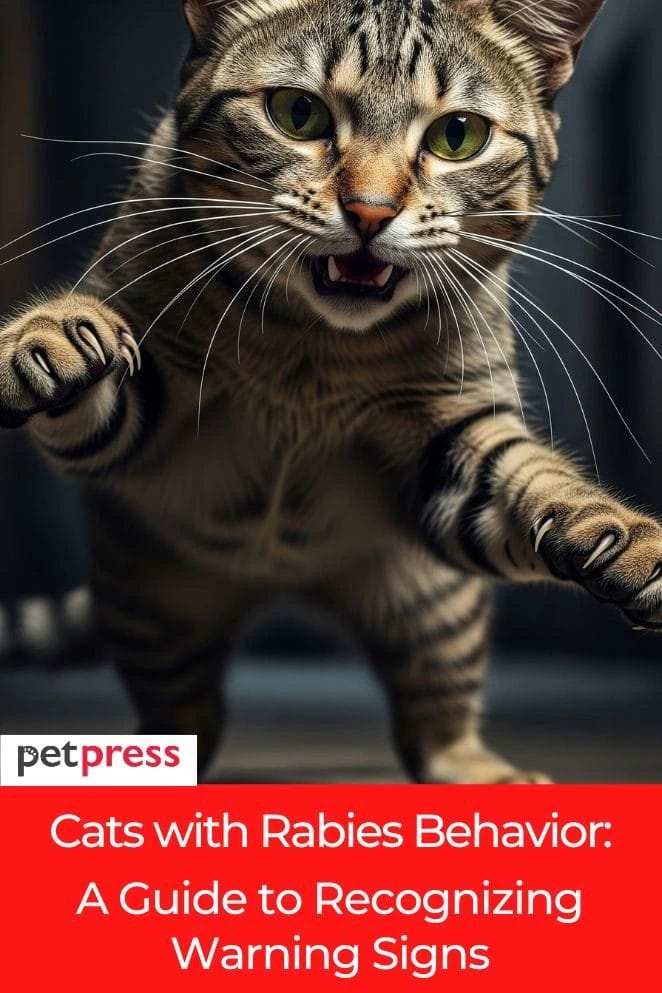
Every cat parent’s worst fear? Finding out their furball has rabies.
It’s one of the scariest cat diseases out there—attacking the brain and nervous system, and once symptoms show up, it’s almost always too late.
I’ve seen cases where owners thought their cat was just “acting weird,” but those early signs turned out to be rabies.
That’s why noticing changes in behavior fast can literally save lives—not just your cat’s, but yours too.
Understanding Rabies in Cats: The Basics
Rabies is a brain-attacking virus that spreads through spit—usually from the bite of an infected animal like a bat or raccoon.
Once it sneaks into the body, it climbs up the nerves to the brain, causes swelling, and almost always ends in death.
Scary part? Once symptoms show, there’s basically no cure.
Here’s the tricky bit: a cat can look totally fine for weeks—or even months—before showing signs.
I remember a case where a cat seemed normal one day, then suddenly started acting strangely the next.
That “silent stage” is what makes rabies so sneaky.
And forget the movie-style image of a foaming mouth—cats don’t always show it that way.
They often act weird or different first, and those subtle changes are the red flags every cat owner needs to catch.

The Three Stages of Rabies Behavior in Cats
Stage 1: Prodromal Phase (1–3 Days)
This is the “something feels off” stage.
A cat’s personality does a total flip.
That sweet, cuddly lap cat? Suddenly hissing and swatting.
The shy one who always hides? Suddenly acting clingy.
I once saw a super-friendly cat who loved belly rubs turn into a “don’t-touch-me” monster practically overnight—it was heartbreaking, but it was also one of the first signs.
Other clues you might notice:
- Personality flip: Friendly cats act mean, shy cats act weirdly social
- Restless and edgy: Pacing, nervous energy, like they can’t settle down
- Voice changes: Meowing way more—or suddenly going silent
- Skipping meals: Turning away from food or water
- Looking unwell: Fever, low energy, just “not themselves”
Stage 2: Furious (Excitative) Phase (2–4 Days)
This is when things get really scary.
The cat can become unpredictable, snapping at shadows or lashing out at people they normally love.
I once heard of a cat who started attacking chair legs like they were enemies—no joke.
Loud sounds, bright lights, even a quick hand movement can set them off.
Here’s what usually happens:
- Aggression dialed up: Random attacks—biting, scratching, even charging
- Hypersensitive: Every sound or flash makes them go wild
- Nonstop noise: Yowling, crying, or even screaming
- Fearless (in a bad way): Running into dangerous stuff they’d usually avoid
- Confused brain: They don’t recognize you, your house, or even themselves
Stage 3: Paralytic (Dumb) Phase (2–4 Days)
This is the tragic final chapter.
The virus wrecks their nervous system, and they start losing control of their body.
Remember that classic “foaming at the mouth” image? That’s from not being able to swallow—drool just builds up.
From there, things only get worse.
What you’ll see:
- Trouble swallowing: Leads to drooling and “foaming”
- Paralysis spreading: Starts with the jaw and throat, then the whole body
- Wobbly walking: Stumbling, falling, can’t control movements
- Breathing issues: Muscles weaken, making it hard to breathe
- The end: Coma, then death, usually within a few days

Critical Warning Signs Every Cat Owner Should Know
If your cat suddenly turns into a little monster—biting for no reason, drooling everywhere, or stumbling like they’re dizzy—it’s not just “weird cat stuff.”
These can be serious rabies warning signs, and waiting it out is not an option.
Spotting them fast could save your cat’s life—and protect your family too.
Immediate Red Flags
Behavioral Red Flags:
- Out-of-nowhere aggression: Sweet lap cat turns into a fighter overnight
- Unprovoked attacks: Scratching or biting family, pets, or even furniture (yeah, I once heard of a cat that went after a vacuum cleaner like it was a sworn enemy)
- Extreme anxiety or fear: Jumping at shadows with no reason
- Weird friendliness: Shy cats suddenly acting clingy and needy
- Disoriented: Acting “lost” in their own home, like they don’t recognize you or their surroundings
Physical Red Flags:
- Big, blown-up pupils: Rabid cats often have wide, dilated eyes no matter the light
- Drooling waterfalls: Trouble swallowing makes spit pour out, giving that “foaming mouth” look
- Clumsy walking: Wobbling, stumbling, or looking drunk
- Shaking or seizing: Muscle tremors that come out of nowhere
- Can’t close mouth properly: Jaw starts losing control
When to Seek Emergency Veterinary Care
If your cat shows any combo of these signs—especially if they’ve been outside where wildlife hangs around—call your vet immediately.
Rabies moves fast, and every hour counts.
One super important note: don’t try to play hero with a cat that’s acting aggressively and possibly rabid.
You could get bitten and infected yourself.
Instead, safely confine them (if possible) and call animal control or your vet for instructions on how to get them to care without putting yourself in danger.
Risk Factors and Exposure Scenarios
To really protect your cat, you’ve got to know how they actually catch rabies.
Once you understand the risks, you can see how even “harmless” outdoor adventures can be dangerous.
High-Risk Situations
- Outdoor access: Letting your cat roam outside is like sending them into a game of chance.
- Wildlife encounters: Cats are natural hunters, but that “trophy mouse” they drag in could be carrying rabies.
- Unvaccinated status: If your cat isn’t vaccinated, it’s like walking into a fight without armor. One bite and the virus has a free pass.
- Geographic location: Live in an area with lots of wildlife rabies cases? That means the danger is literally right outside your door.
Common exposure scenarios
- Late-night fights with mystery animals (cats love sneaking out at night, but danger loves it too)
- Running into wild animals acting “off”—like a raccoon stumbling around in daylight
- Bat bites—even teeny-tiny ones count, and you might not even notice them at first
- Rabid domestic animals—yes, even someone’s unvaccinated dog or barn cat could spread it
- Exploring sheds, attics, or crawl spaces where infected wildlife might be hiding out

Prevention: The Power of Vaccination
Here’s the deal—rabies is nearly always fatal, but the vaccine? It’s like giving your cat superhero armor.
One quick shot can mean the difference between a long, happy life and the unthinkable.
Kittens should get their first rabies shot around 12–16 weeks old. That first jab is like their training day against the virus.
After that, boosters keep their shield strong.
Vaccination Schedule and Requirements
- Initial vaccination:
- First rabies vaccine: 12–16 weeks old (kitten’s first “armor upgrade”)
- Booster shot: One year later
- After that: Every 1–3 years, depending on your vet’s advice and local rules
- Legal requirements: Most places require rabies vaccines for cats—it’s not just about health, it’s the law. Think of it as your cat’s official “license to stay safe.”
- Vaccine effectiveness: These vaccines are crazy effective. As long as you stick to the schedule, your cat is almost untouchable when it comes to rabies.
Additional prevention strategies
- Indoor housing: Keeping your cat indoors is like bubble-wrapping them from wildlife danger.
- Supervised outdoor time: Want your cat to touch grass? Totally fine—but do it with supervision, like on a harness or in a catio.
- Property management: Don’t leave food or garbage outside unless you want raccoons sending you an invite to the rabies party.
- Prompt veterinary care: Weird injuries? Sudden behavior changes? Get them checked ASAP. I’ve seen cases where quick action made all the difference.
What to Do If You Suspect Rabies
If you even think your cat might have rabies—or tangled with something that does—don’t wait and see.
Rabies moves fast, and so should you.
Immediate Steps
- Ensure Safety: If your cat is hissing, snapping, or acting “possessed,” don’t try to scoop them up.
- Contain the animal: If possible, get them into a safe room or carrier so they can’t hurt you, other pets, or themselves.
- Contact professionals: Call your vet immediately. If they’re closed, contact animal control or your local health department. These people are trained for this exact situation.
- Document details: Jot down what you saw—symptoms, behavior flips, or any wildlife encounters. Trust me, your vet will thank you for the details.
Professional Evaluation and Testing
Here’s the tough truth: rabies can only be 100% confirmed by testing the brain after death.
That means no simple blood test, no “quick scan.” Because of this, prevention and acting early are everything.
Depending on what happened, your vet might suggest a quarantine period or close observation.
In really serious cases, they may have to bring up euthanasia—not because they want to, but because it’s the only way to keep people (and other animals) safe and confirm the diagnosis.
I know that sounds heavy, but it’s the reality of this disease.

Conclusion: Protecting Your Feline Companion
Knowing how rabies affects cats isn’t just trivia—it’s a lifesaver.
Keep your cat’s vaccinations up to date, watch for sudden behavior changes, and call your vet immediately if anything seems off.
I’ve seen cats acting “weird” and owners shrug it off—sometimes, fast action made all the difference.
Rabies is scary, but modern vaccines and smart pet care make it mostly preventable.
Every year, vets vaccinate millions of cats and dogs, creating a “shield” that keeps pets, families, and communities safe.

- Does Cat Litter Melt Ice? The Complete Guide to Winter Safety - January 30, 2026
- Happy Tail Dogs: Understanding This Common Canine Condition - January 29, 2026
- How Cold Can Outdoor Cats Handle? Feline Winter Safety - January 27, 2026
GIPHY App Key not set. Please check settings