

 Emily Walker
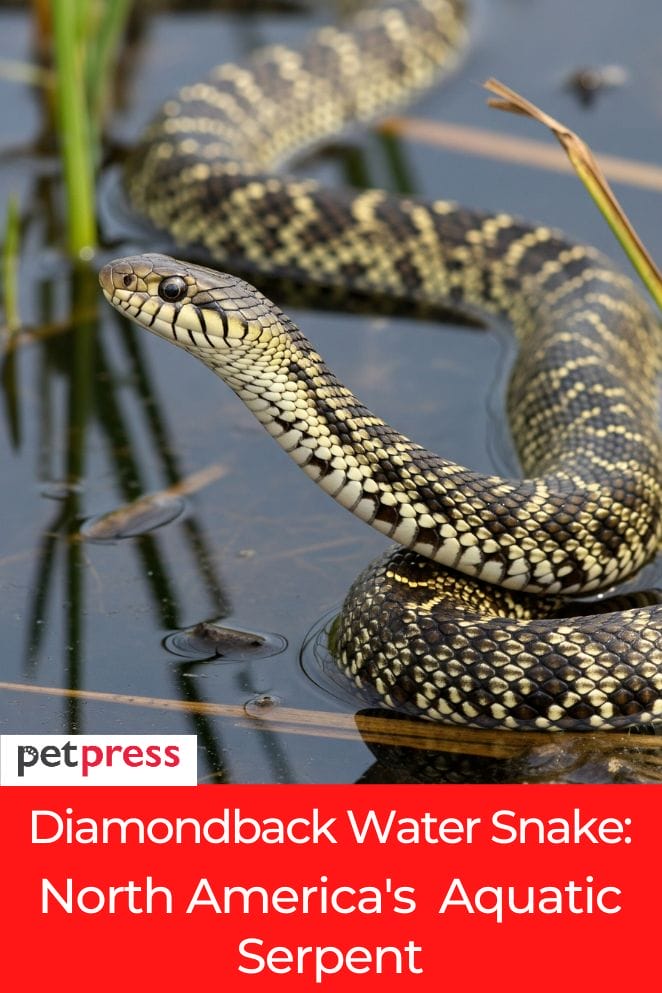
The diamondback water snake (Nerodia rhombifer) is basically the Spider-Man of North American snakes—often misunderstood and mistaken for the bad guys (venomous snakes).
They’re totally harmless to people, but because they look kinda like dangerous snakes, they get unfairly targeted.
In this guide, I’ll break down how to recognize them, where they hang out, why they’re actually great for the environment, and what their status is today.
Understanding the Diamondback Water Snake
Physical characteristics and identification
Okay, imagine the diamondback water snake as Aquaman—but the snake version.
Here’s how you spot one in the wild:
Size and build
Most adults hit around 3 feet long, about the length of your favorite skateboard.
They’re muscular and built like swimmers, perfect for chasing down slippery fish.
Color and pattern
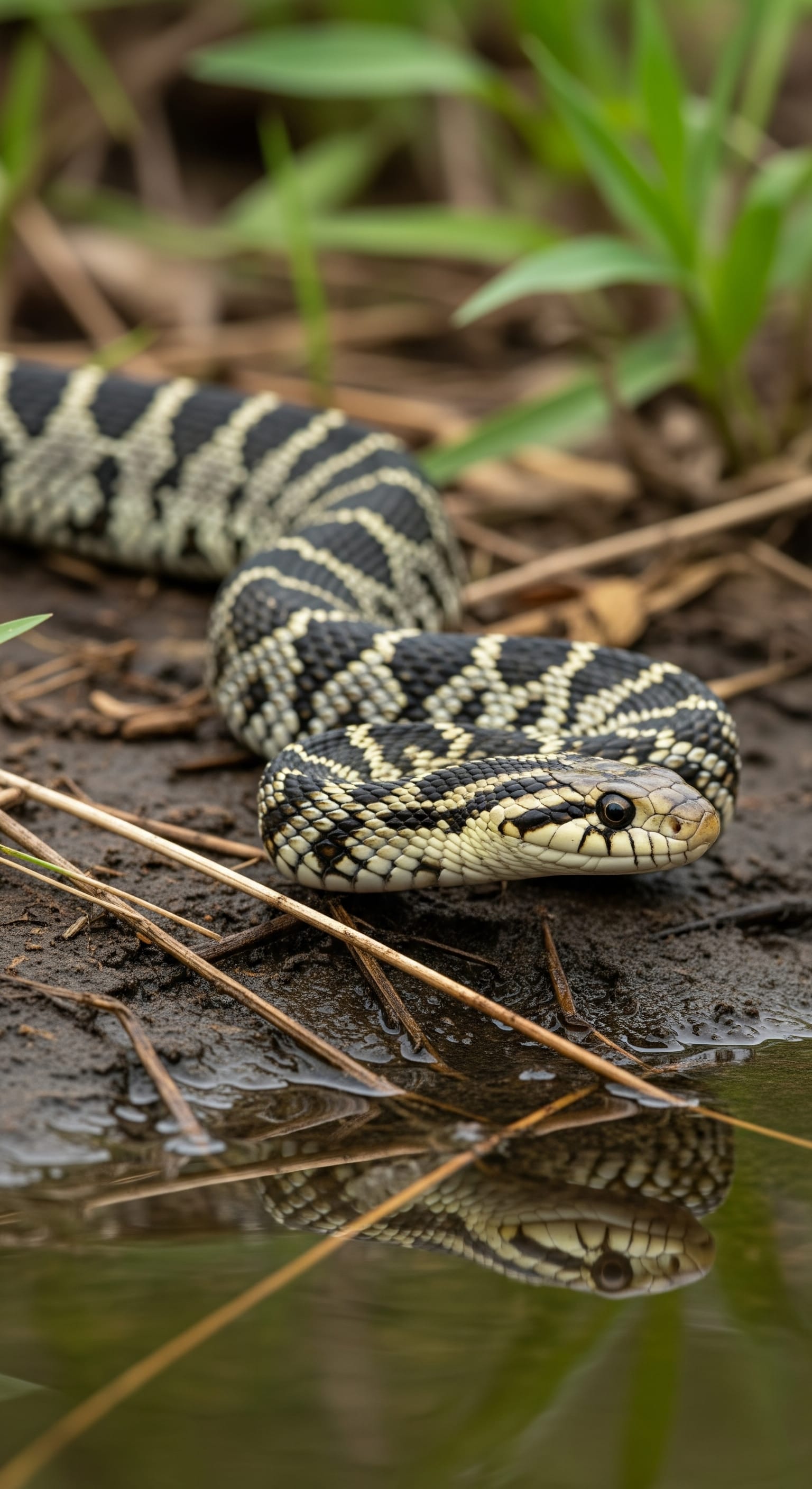
These snakes rock a black net-like pattern on their backs that forms cool diamond shapes—think Harley Quinn’s diamond patterns, but snake-style.
Flip them over, and their belly is usually yellowish with dark spots or little half-moon marks. Easy clues for quick ID.
Scale structure
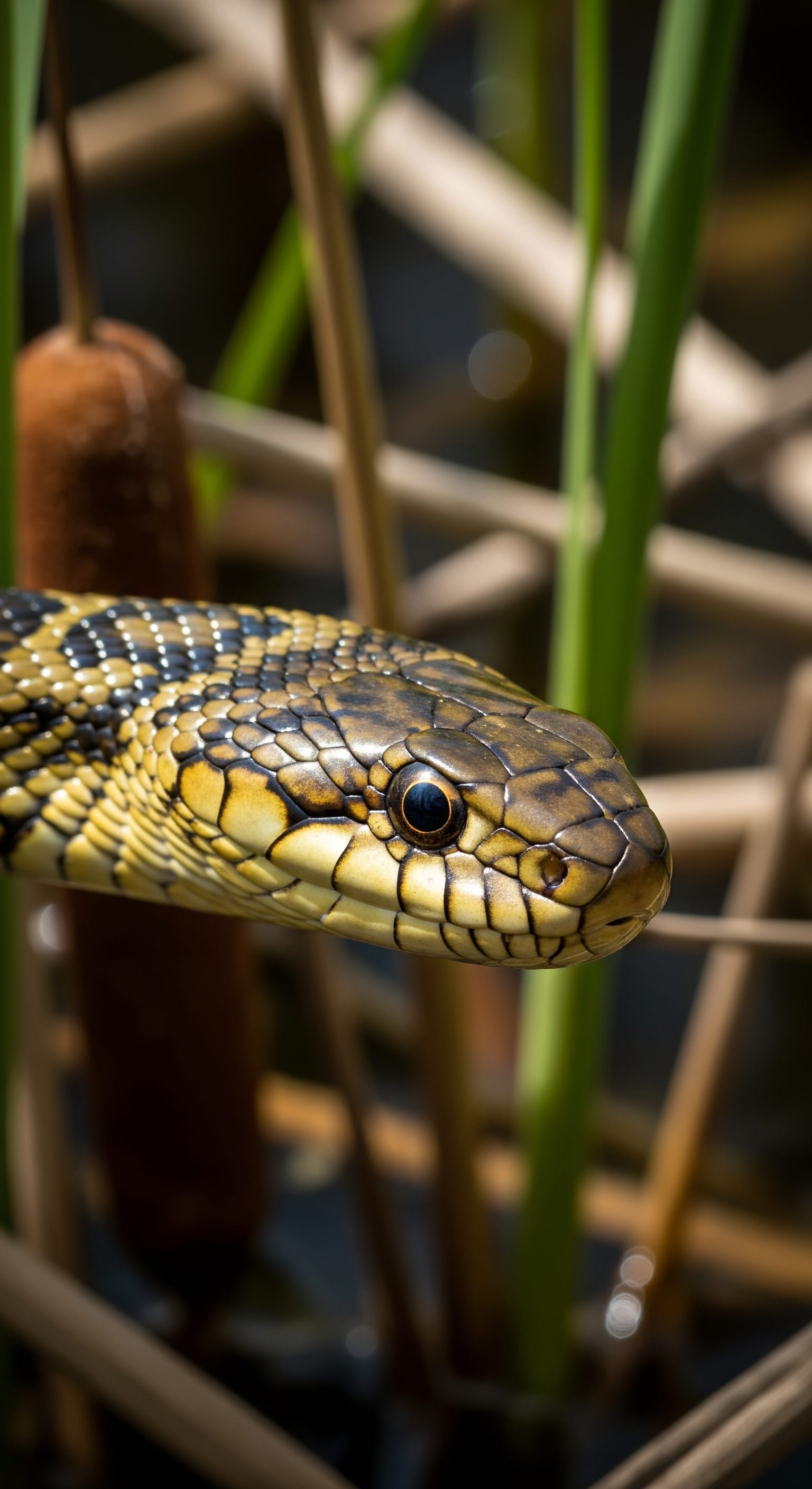
They’ve got keeled scales, meaning their skin feels rough like sandpaper—not smooth.
Think Batman’s armored suit rather than Spidey’s slick spandex.
Defense tactics
When threatened, these snakes flatten out their bodies, making them look bigger—kind of like when cats puff up.
If you push your luck, their bite does hurt (sharp teeth to grab slippery prey, plus their saliva has a tiny bit of toxin causing extra bleeding).
But they’re not venomous snakes, just good at bluffing—think Deadpool, looks dangerous but mostly harmless.
- Read also: Uncovering the Mystery: 10+ Interesting Snake Facts
- Read also: Do Snakes Like Being Pets? Exploring Serpent Sensibilities
Geographic distribution and habitat
Diamondback water snakes chill mostly around the central U.S. and northern Mexico—think places like Texas, Oklahoma, Missouri, Alabama, and a bunch more states in between. They’re like the Midwest-to-Southern water ninjas, popping up where you least expect them.
Primary environments
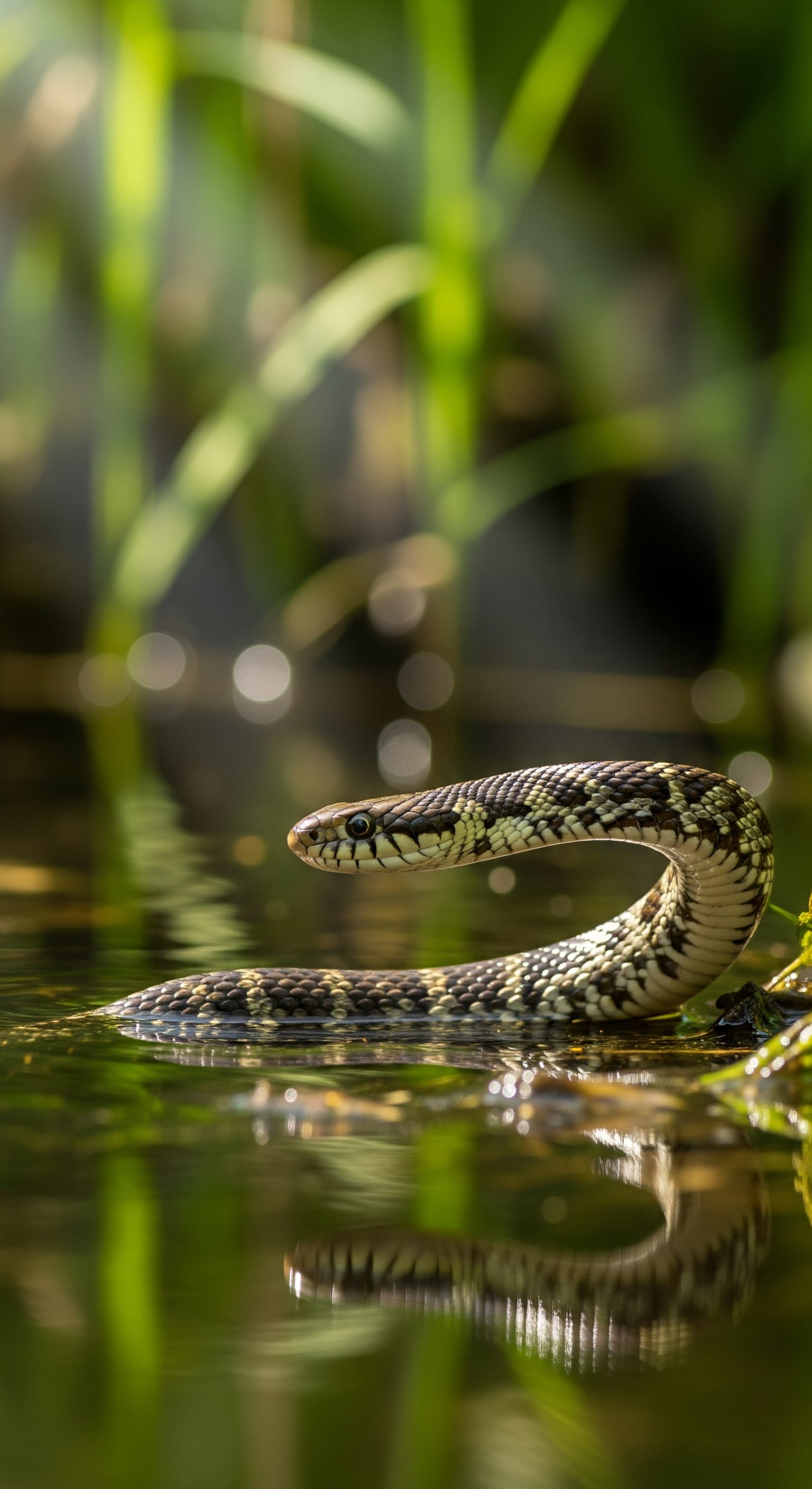
These snakes love slow or still waters—places like swamps, marshes, and those lazy, curved lakes (oxbows) that feel straight out of a Stranger Things episode.
Why? Because these spots are loaded with fish and frogs—their go-to snacks.
Secondary habitats
Diamondbacks aren’t picky. They’ll also settle in man-made areas like farm ponds, drainage ditches, and retention basins.
They’re basically the Tony Stark of snakes—good at adapting, even when their natural homes get messed up.
Seasonal variations
When temperatures drop, they don’t swim. Instead, they hide out in logs, empty burrows, or thick bushes near water.
Think of it as their version of hibernation mode—kind of like Jon Snow waiting out winter, but with less drama.
Diet and Hunting Behavior
Diamondback water snakes are basically the aquatic version of Hawkeye—precision hunters, specialized in catching slippery snacks underwater.
Primary prey species
- Fish: With super sharp teeth designed to grip slippery prey, these snakes latch onto fish like Venom holding onto Spider-Man—tight and not letting go.
- Amphibians: Frogs, toads, and salamanders are prime targets, especially in breeding seasons when these creatures are extra active.
- Aquatic insects & crayfish: Younger diamondbacks start small, munching on insects and crayfish—think of it as their training montage before tackling bigger prey.
Hunting techniques
These skilled predators employ several hunting strategies:
- Ambush style: They lay low, staying motionless near shorelines or shallow water, waiting for prey to wander close.
- Active hunting: Sometimes, they actively swim through underwater plants and debris looking for hidden snacks.
- Opportunistic snacking: They’re not picky—if they see injured or dying fish, they’ll happily swoop in for an easy meal.
Behavior and Life Cycle
If you’ve ever wondered what diamondback water snakes do all day, think of them as the daytime crew—like daytime TV hosts, they’re busiest when the sun’s up.
Daily activity patterns
Diurnal behavior
They’re most active during daylight hours, especially when it’s warmer.
They spend their days swimming, hunting, and chilling by the water—basically living the good life like Moana on her island.
Basking behavior
To keep their bodies warm, these snakes regularly bask on logs, rocks, or branches near water.
Imagine them soaking up the sun like Thor relaxing after saving the day.
Defensive responses
These snakes aren’t aggressive (they’d rather ghost humans altogether), but if threatened, they won’t hesitate to bite as a warning.
It’s their version of Wolverine—small, not deadly, but with a painful bite.
Life cycle and reproduction
Breeding season
Diamondbacks usually mate in spring.
Female snakes give birth to live babies instead of laying eggs, kind of like baby Yoda—no eggs, just cute, tiny replicas appearing out of nowhere.
Litter size
Females can have a bunch of babies at once, depending on their size and surroundings.
It’s like the Weasleys from Harry Potter—a big, lively brood!
Juvenile development
Newborn snakes measure about 8–10 inches and are independent from the start.
They’re thrown into life immediately, hunting for food just like young Simba learning to survive without help.
Living with Diamondback Water Snakes
Sharing space with diamondback water snakes is actually super easy—as long as you respect their boundaries, you’ll both live drama-free.
It’s like learning to live with wildlife neighbors—think Rocket Raccoon: interesting, harmless if you keep your distance, but feisty if bothered.
Safety considerations
- Keep your distance: Most snake bites happen because someone got too close or tried to mess with them.
- Don’t disturb their homes: Avoid flipping logs, moving vegetation, or disturbing spots around the water.
- Pet safety: Keep dogs leashed near water, especially in snake-friendly spots. You don’t want your pup accidentally provoking a snake encounter.
Appreciation and education
- Photography opportunities: Diamondback water snakes are awesome photo subjects. Snap pics from a safe distance and impress your friends with your wildlife skills.
- Educational value: Learning to correctly identify diamondbacks helps clear up misunderstandings. You won’t mistake them for venomous snakes.
- Ecosystem appreciation: Understanding these snakes helps you appreciate their role in wetlands, controlling pests and balancing nature.
- Read also: Rainbow Snake Myth: A Guide to Its History and Cultural Significance
- Read also: Snakes as Pets: Fascinating Facts & Expert Care Tips
Wrapping it Up
Diamondback water snakes are basically the misunderstood heroes of American waterways—think Shrek, a bit scary-looking but totally harmless once you get to know them.
They’re important for keeping aquatic ecosystems balanced, eating pests, and becoming food for bigger animals.
Even though people sometimes mistake them for venomous snakes (classic case of mistaken identity, like Clark Kent and Superman), their populations are holding steady thanks to conservation efforts and their own adaptability.

- Does Cat Litter Melt Ice? The Complete Guide to Winter Safety - January 30, 2026
- Happy Tail Dogs: Understanding This Common Canine Condition - January 29, 2026
- How Cold Can Outdoor Cats Handle? Feline Winter Safety - January 27, 2026
GIPHY App Key not set. Please check settings