

 Emily Walker
Winter weather can turn your driveway into a surprise skating rink overnight. I’ve been there—one wrong step, arms flailing, dignity gone.
That’s why people panic, run to the garage, spot the cat litter, and think: “This will save me.” But here’s the real deal.
Cat litter does NOT melt ice.
Yep, myth busted. Cat litter doesn’t have the science magic needed to melt ice. But before you toss it aside—hang on.
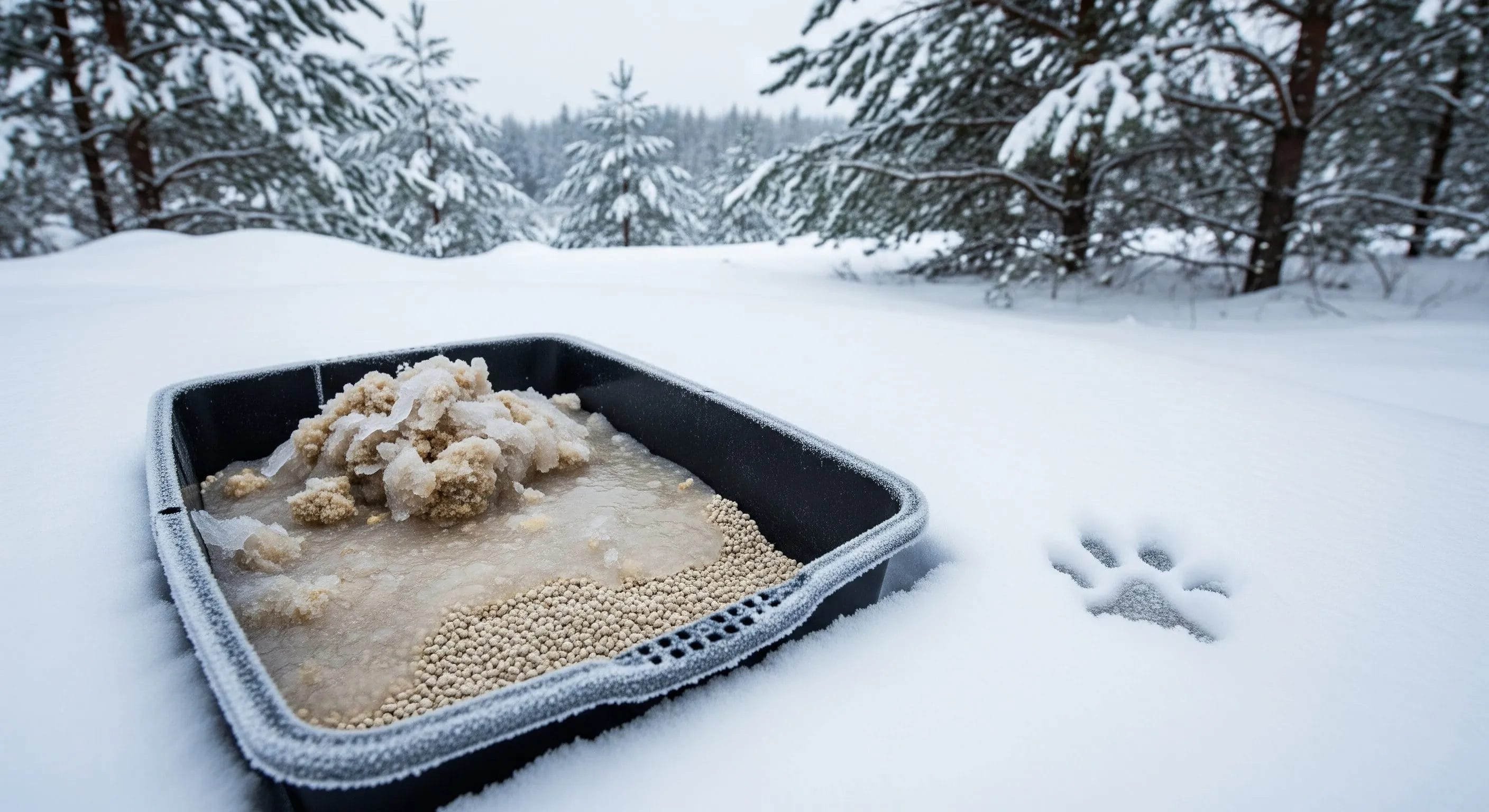
Understanding the Cat Litter and Ice Relationship
Let’s be crystal clear: cat litter will not melt ice. Ever. It doesn’t lower freezing temperatures or break ice apart.
What it does do is save you from wiping out. When you sprinkle cat litter on ice, it adds grip—like throwing gravel or sand on a slippery floor.
Suddenly, your shoes (or tires) have something to grab onto. So while the ice stays put, you don’t go flying.
Think of cat litter as a pair of cleats for the ground. No melting—just traction.
The Science Behind Ice Melting
Real ice melters are chemistry nerds. They use salts (like rock salt or calcium chloride) that mess with water’s freezing point so ice turns back into water—even when it’s crazy cold.
Cat litter? It’s just clay, silica, or plant stuff. Totally harmless. Totally useless for melting. It just sits there, doing nothing… except keeping you upright, which is honestly still pretty heroic.
When Cat Litter Is Your Best Option
Okay, so cat litter won’t melt ice—but there are moments when it’s the unsung hero of winter. I’ve used it myself in a full-on “oh no, I’m stuck” moment, and trust me, it can save the day.
Immediate Traction Needs
This is where cat litter shines. If your car tires are spinning like a video game glitch, cat litter gives you instant grip. No waiting, no chemistry lesson—just traction right now. It’s perfect for:
- Emergency situations when you need help immediately
- Getting your car unstuck from ice or packed snow
- Making a slippery walkway safer for a short time
- Walking up steep, icy driveways without slipping like a cartoon character
Environmental Concerns
If you care about the planet (and your pets’ paws), cat litter is a gentler choice. Regular salt can burn plants, hurt animals, and mess with nearby water. Basic clay cat litter? Much safer.
When the ice melts naturally, it won’t leave your lawn looking sad and defeated in spring.
Budget Considerations
Let’s be real—ice melt can be pricey. Cat litter is cheap, easy to find, and you might already have a bag sitting at home. Why spend more when all you need is grip?
The Limitations of Cat Litter on Ice
Alright, quick reality check. Cat litter can help—but it’s not a miracle fix. I’ve seen people trust it way too much and then nearly wipe out anyway. Here’s why you need to know its limits.
No Actual Ice Removal
Big one: the ice is still there. Cat litter just sits on top. When things warm up, that hidden ice can turn slick again, and suddenly your “safe” path is a trap. False confidence = surprise slip.
Messy Aftermath
Ever tracked sand through the house? Yeah, it’s like that—but worse. Cat litter sticks to shoes, gets everywhere, and hangs around until spring when you’re stuck sweeping it all up. Not fun.
Limited Effectiveness in Extreme Cold
When it’s really cold, ice turns into a rock-hard skating rink. Lightweight litter can blow away or barely help at all. At that point, it’s like tossing crumbs on concrete.
Not Pet-Safe for All Types
Important PSA: don’t use clumping litter outside. It can be dangerous if pets or wildlife eat it. Plain, non-clumping clay litter is the safer option.
Comparing Cat Litter to Traditional Ice Melters
To make an informed decision about winter safety, consider how cat litter stacks up against common ice-melting alternatives.
Rock Salt (Sodium Chloride)
Pros:
- Inexpensive and widely available
- Effective down to about 15°F (-9°C)
- Actually melts ice rather than just providing traction
Cons:
- Damages concrete and vegetation
- Harmful to pet paws
- Leaves white residue
- Environmental concerns
Calcium Chloride
Pros:
- Works in extremely cold temperatures (down to -25°F)
- Melts ice quickly
- Less damaging to concrete than rock salt
Cons:
- More expensive than alternatives
- Can be irritating to skin and paws
- Leaves oily residue
Magnesium Chloride
Pros:
- Less corrosive than other chloride products
- Effective to about 5°F (-15°C)
- Relatively pet-friendly
Cons:
- Higher cost
- Slower acting than calcium chloride
- Can still irritate paws in high concentrations
Safe Paw and Pet-Friendly Products
Pros:
- Non-toxic to pets and wildlife
- Won’t damage surfaces
- Environmentally safe
Cons:
- Significantly more expensive
- May work more slowly
- Less effective in extreme cold
Best Practices for Using Cat Litter on Ice
If you decide cat litter is the right choice for your situation, follow these guidelines for optimal results:
- Choose the right type: Non-clumping clay litter works best. Avoid clumping varieties, which can form slippery masses when wet, and crystal litters, which provide minimal traction.
- Apply generously: Use more than you think you need. A thin scattering won’t provide adequate traction—aim for coverage that obscures the ice beneath.
- Combine with ice removal: For best results, chip away as much ice as possible mechanically before applying litter. Use a proper ice scraper or shovel to break up ice, then apply litter to remaining slick spots.
- Focus on high-traffic areas: Conserve your litter by concentrating on areas where traction is most critical—entrances, stairs, steep slopes, and areas where you’ll be walking repeatedly.
- Plan for cleanup: Place mats at all entrances to catch litter tracked indoors. When spring arrives, sweep or vacuum treated areas and dispose of used litter properly.
Alternative Traction Solutions
If cat litter feels too messy (or you’re tired of vacuuming it out of your house), you’ve got options. I’ve tried a few of these myself—some work great, some come with… surprises.
Sand
Old-school and super reliable. Sand gives awesome grip, doesn’t blow away easily, and is usually cheaper than cat litter. Downside? Come spring, you’re still sweeping it all up. Worth it, though.
Wood Ash
Got a fireplace? Congrats—you’ve got free traction. Ash is dark, so it soaks up sunlight and can help a tiny bit with melting. But heads up: it’s messy and not great for gardens if you use too much.
Birdseed
Yes, people really do this. It’s eco-friendly, safe, and biodegradable—and birds love it. But it’s pricey and might invite squirrels to throw a party on your driveway. Fun… but chaotic.
Commercial Traction Products
These are made specifically for grip. Think grit mixes that don’t turn your house into a sandbox—and some even melt a little ice too. More expensive, but cleaner and more effective.
Creating a Comprehensive Winter Safety Strategy
The most effective approach to winter ice management combines multiple strategies:
- Prevention: Apply ice melter before storms when possible. Preventing ice formation is easier than removing established ice.
- Mechanical removal: Shovel snow promptly before it compacts into ice. Use ice choppers or scrapers for thick ice accumulation.
- Chemical treatment: Apply appropriate ice melter based on temperature conditions and environmental concerns.
- Traction enhancement: Use cat litter, sand, or other traction materials in areas where ice can’t be completely removed or where you need immediate safety improvements.
- Maintenance: Reapply materials after snow, rain, or significant foot traffic. Monitor treated areas regularly throughout winter.
Making the Right Choice for Your Situation
So, should you use cat litter on ice? The answer depends on your specific circumstances:
Choose cat litter when:
- You need immediate traction without waiting for melting
- Environmental concerns outweigh ice removal needs
- You’re dealing with emergency situations like a stuck vehicle
- You already have cat litter readily available
- Budget is a primary concern
Choose ice melter when:
- You need to actually remove ice, not just cover it
- You’re treating surfaces before anticipated use (planning ahead)
- Temperatures are extremely cold
- You need long-term ice prevention
- You have the budget for effective ice-melting products
Combine both when:
- You need immediate traction while ice melt works
- You’re dealing with heavy ice accumulation
- You want comprehensive winter safety coverage
Conclusion
Here’s the big takeaway—cat litter won’t melt ice, but it can stop you from eating it on your driveway. And honestly? That still matters. It’s cheap, fast, and gives instant grip when things get sketchy.
Think of winter safety like a toolbox. Cat litter is the emergency grip tool—great for quick traction, eco-friendly spots, or “oh no” moments. But if you actually want ice gone, real ice melt is still the boss.

- Does Cat Litter Melt Ice? The Complete Guide to Winter Safety - January 30, 2026
- Happy Tail Dogs: Understanding This Common Canine Condition - January 29, 2026
- How Cold Can Outdoor Cats Handle? Feline Winter Safety - January 27, 2026
GIPHY App Key not set. Please check settings