

 Lauryn Dell

Socialization is one of the most important aspects of raising a happy and well-behaved dog. A well-socialized dog is confident, friendly, and less likely to develop fear-based aggression or anxiety.
Whether you’ve just brought home a puppy or adopted an adult dog, it’s never too late to start socialization.
In this blog post, we’ll share actionable dog socialization tips, common mistakes to avoid, and how to make the process enjoyable for both you and your furry friend.
Why is Dog Socialization Important?
Dog socialization is the process of gently exposing your dog to a wide variety of people, animals, environments, sights, sounds, and experiences.
It helps your pet learn how to navigate the world calmly and confidently.
Whether it’s meeting strangers, hearing loud noises, or exploring new places, positive socialization teaches your dog that these situations are safe and nothing to fear.
Proper dog socialization offers many benefits for both dogs and their owners. It builds your dog’s confidence, helping them feel secure in unfamiliar settings.
Socialized dogs are less likely to develop fear, anxiety, or aggressive behaviors. This means activities like going for walks, visiting the vet, or taking your dog to the groomer become much easier and more enjoyable.
In addition to improving daily life, good socialization encourages positive interactions with other dogs and people, fostering better manners and communication.
It also helps prevent future behavioral issues that can arise from fear or uncertainty. By investing time in dog socialization, you’re setting the foundation for a well-rounded, happy, and well-behaved companion.
The critical window for puppy socialization is between 3 to 14 weeks of age. But don’t worry — even adult dogs can benefit from thoughtful, patient socialization!
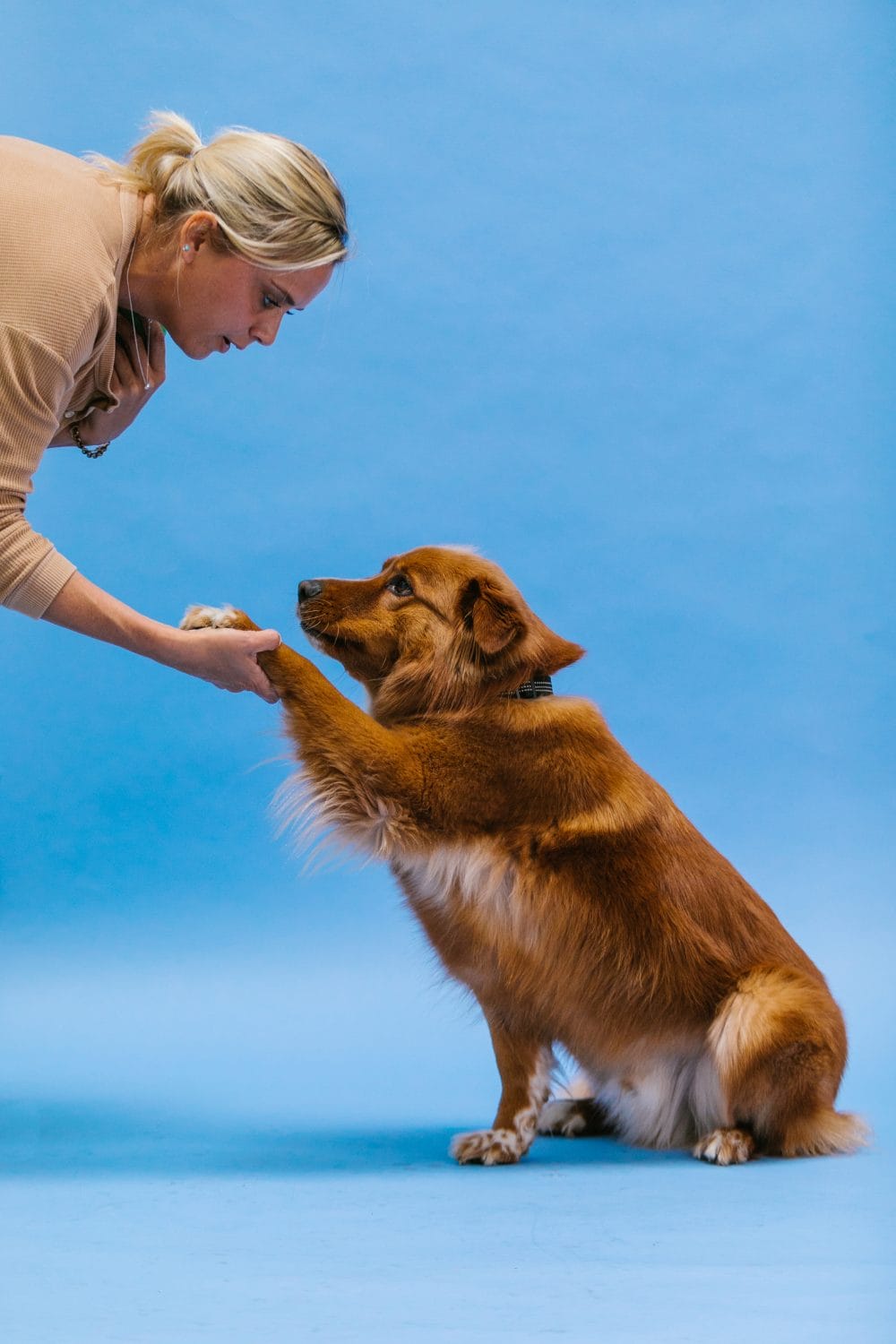
Start Early, But Go at Your Dog’s Pace
When possible, begin puppy socialisation as early as your vet recommends. Enroll your pup in puppy training classes or puppy socialization groups that focus on positive experiences.
For older dogs, take it slow. Introduce new experiences one at a time. Rushing the process can lead to fear or overwhelm.
Pro Tip: Use positive reinforcement dog training. Reward calm, curious behavior with treats, praise, or play.
Expose Your Dog to a Variety of Experiences
To build a confident dog, aim to safely expose your pet to:
- People of different ages, appearances, and clothing (hats, uniforms, sunglasses)
- Other dogs — ideally calm, well-socialized ones
- Cats and other animals if possible
- Different sounds (sirens, vacuum cleaners, traffic)
- New environments (parks, pet-friendly stores, sidewalks, busy streets)
Always monitor your dog’s body language. If they seem nervous — tail tucked, ears back, yawning, lip licking — give them space or take a break.
Arrange Safe, Controlled Dog-to-Dog Introductions
Dog socialization with other dogs is crucial, but it must be done right:
- Choose friendly, vaccinated dogs for initial meetups.
- Start with one-on-one interactions in a neutral space.
- Keep both dogs on-leash initially, but loose enough that they can move freely.
- Watch for positive signs: relaxed posture, play bows, wagging tails.
- End the interaction on a good note — before either dog gets overwhelmed.

Common Socialization Mistakes to Avoid
- Forcing interactions — Let your dog approach new people or animals at their own pace.
- Overwhelming your dog — Too many new things at once can cause stress.
- Reinforcing fear — If your dog acts fearful, stay calm. Don’t coddle excessively, as it may confirm to your dog that there is something to fear.
- Skipping socialization after puppyhood — Socialization is a lifelong process. Regular exposure to new experiences keeps your dog adaptable.
Make Socialization Positive and Rewarding
Each new experience should be paired with good things:
- Treats
- Praise
- Toys
For example, if your dog meets a new person, have that person offer a favorite treat (if your dog is comfortable approaching). This creates a positive association.
Consider carrying high-value treats when working on dog socialization outside.
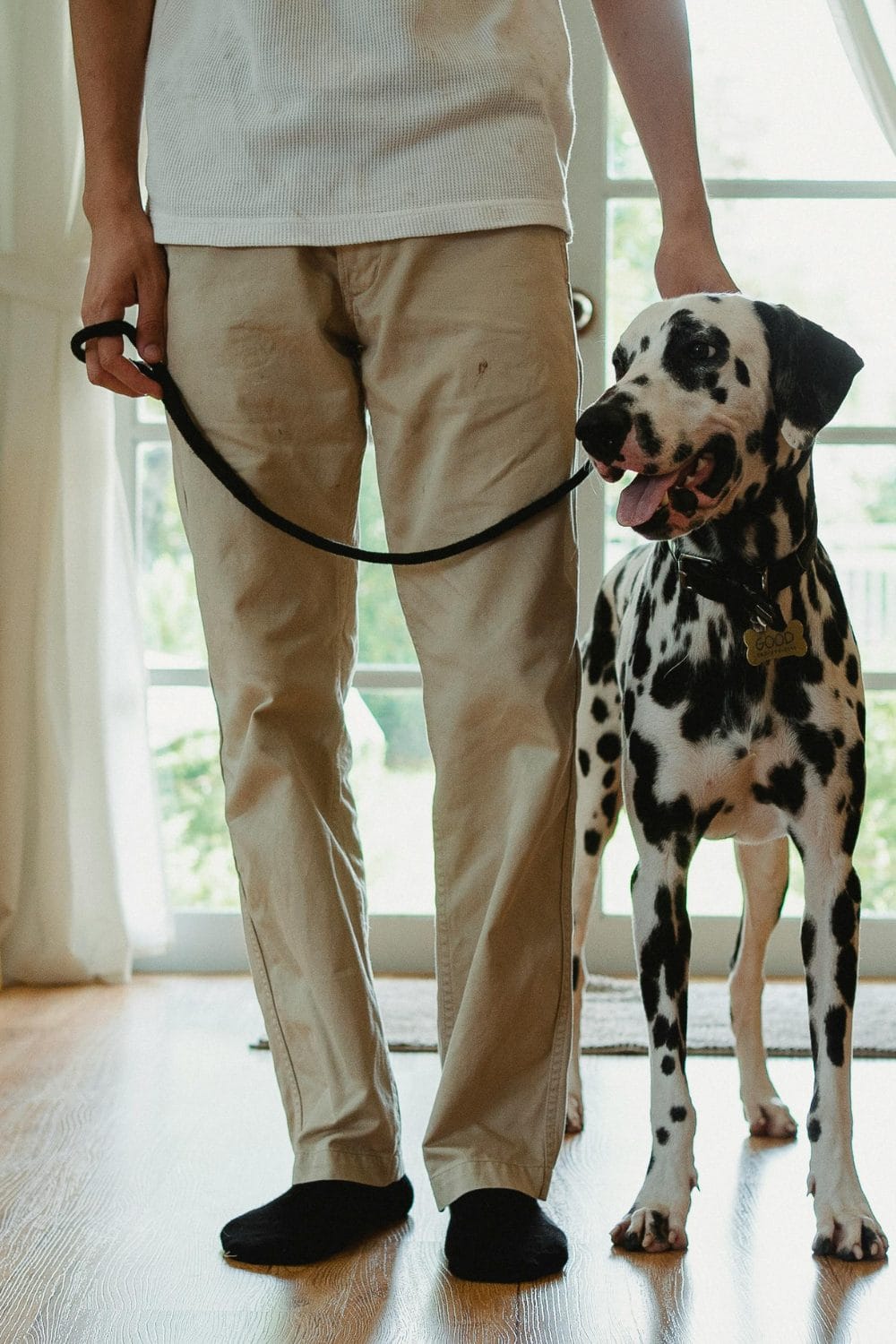
Final Thoughts : Dog Socialization Tips
Dog socialization Tips aren’t just about meeting other dogs — it’s about helping your pet feel safe and confident in the world around them.
With patience, consistency, and positive reinforcement, your dog can learn to enjoy a wide variety of people, animals, and environments.
Remember, every dog is different. Some may need more time or professional support to feel comfortable. The key is to make each new experience positive and to go at your dog’s pace.
Bonus Tip: Keep a socialization journal! Tracking your dog’s progress helps you stay organized and spot patterns in what your dog enjoys or finds challenging.
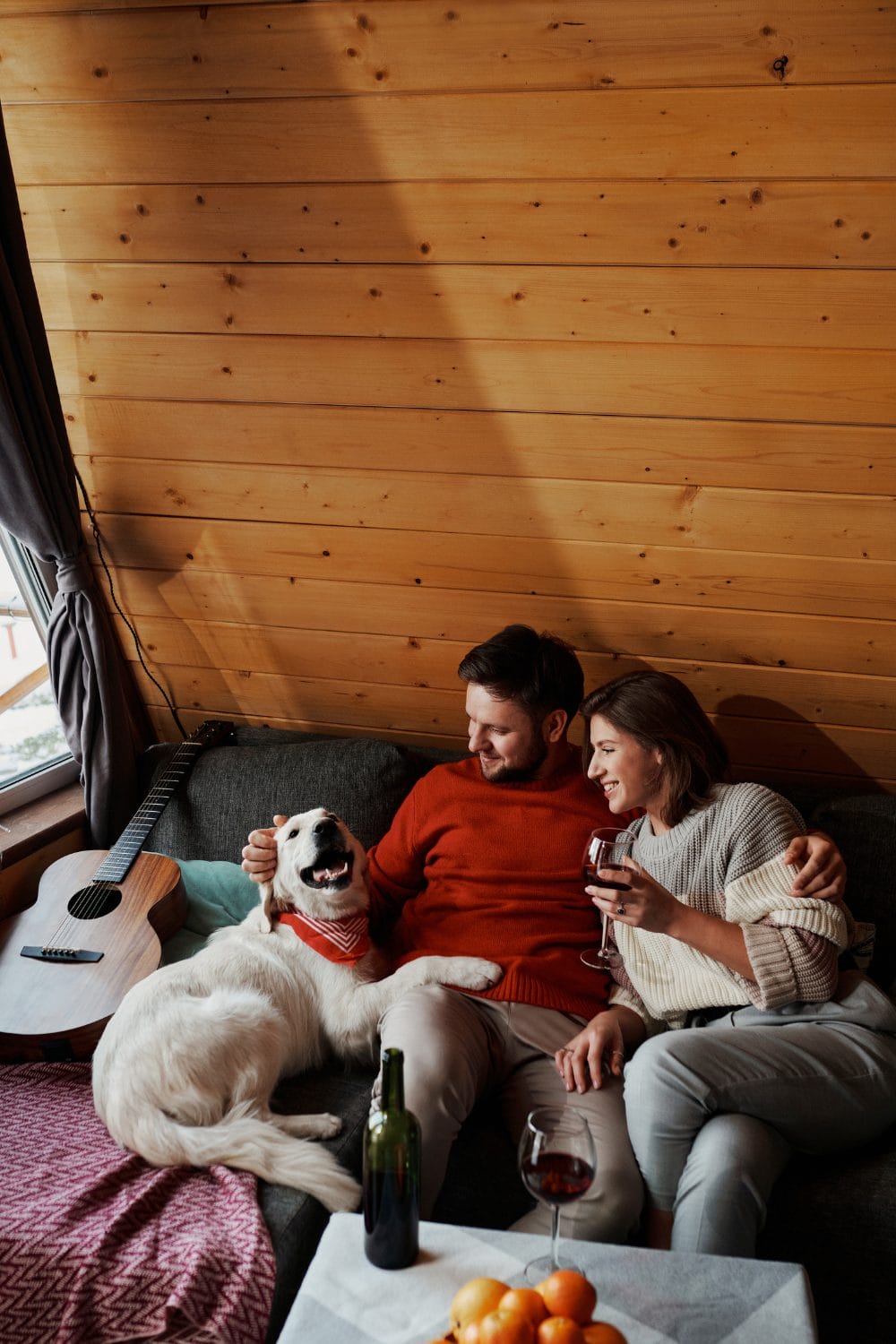
FAQs About Dog Socialization
Start as soon as your vet gives the green light — usually after initial vaccinations. The critical puppy socialization period is 3-14 weeks, but controlled, safe exposure before your puppy is fully vaccinated is possible (e.g., carrying them, inviting healthy vaccinated dogs over).
With adult dog socialization, take things slowly. Start with low-stress environments and build positive associations gradually. Work with a professional dog trainer or behaviorist if needed.
Dog daycare can be great for socialization — but only if it’s well-managed and your dog enjoys group settings. Not all dogs like daycare, so monitor your pet’s stress signals.
Absolutely! You can invite friends over, play sound desensitization recordings (e.g., thunder, sirens), and set up safe meetups with other dogs or pets. Dog socialization at home can be the first step before going into busier public spaces.
If you notice growling, lunging, or snapping, don’t punish your dog. These are communication signals. Give your dog space, remove them from the situation calmly, and consult a dog behavior specialist for help.

- Mushroom Complex Supplements for Dogs with Cancer: A Guide - March 25, 2026
- 15 Meaningful Dog Memorial Tattoo Ideas & Costs - March 20, 2026
- Best Horse Hoof Supplement Reviews for Beginners (2026) - March 19, 2026
GIPHY App Key not set. Please check settings