

 Emily Walker
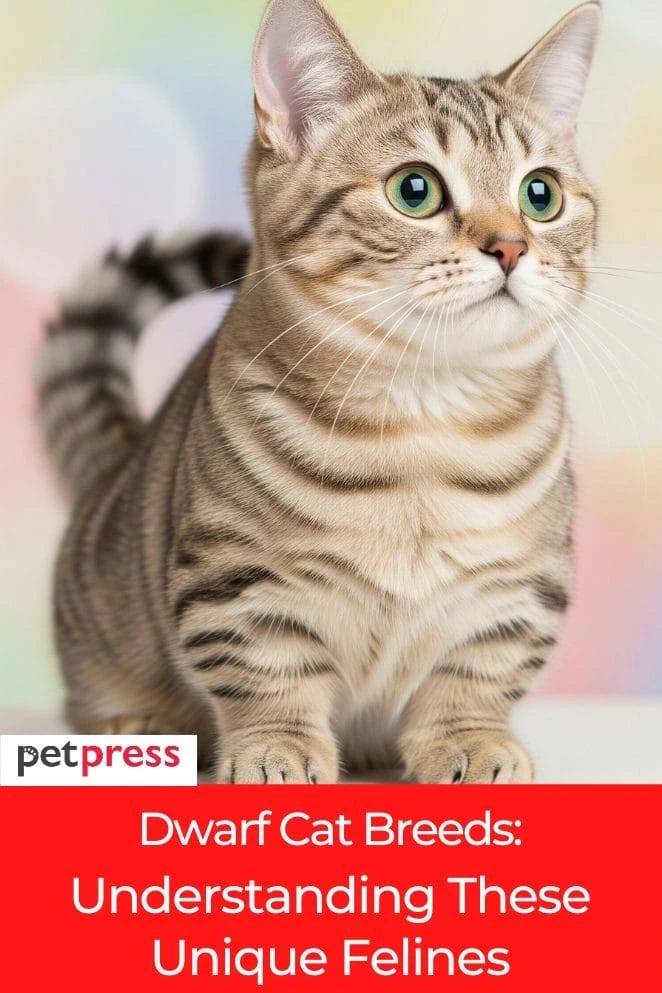
Dwarf cats, known for their short legs and big personalities, have become popular among cat lovers.
But there’s more to them than just their cute looks.
Their genetics, health, and ethical breeding are key things to consider.
In this guide, we break down everything you need to know about dwarf cat breeds.
What Are Dwarf Cat Breeds?
Dwarf cats are cats with a genetic condition that causes shorter legs while keeping a normal-sized body.
The Munchkin breed, recognized by TICA in 1994, is the most well-known of these.
They usually weigh between 4 and 9 pounds, lighter than the typical domestic cat.
Despite their size, Munchkins are active and outgoing.
Dwarf cats gained massive popularity thanks to internet stars like Grumpy Cat and Lil Bub.
But their rise has also sparked debates about breeding ethics and animal welfare.
Understanding Dwarf Cat Genetics
Dwarfism in cats happens due to a genetic mutation that affects how their bones, especially in the legs, develop.
This condition is called chondrodysplasia or osteochondrodysplasia, and it’s a dominant gene, meaning only one parent needs to pass it down for the kittens to get short legs.
But it’s not that simple.
If two dwarf cats with the gene are bred, some kittens might inherit two copies of the gene, which is usually fatal before birth.
This complicated genetic situation makes breeding dwarf cats tricky and has raised ethical concerns in the breeding world.
Popular Dwarf Cat Breeds
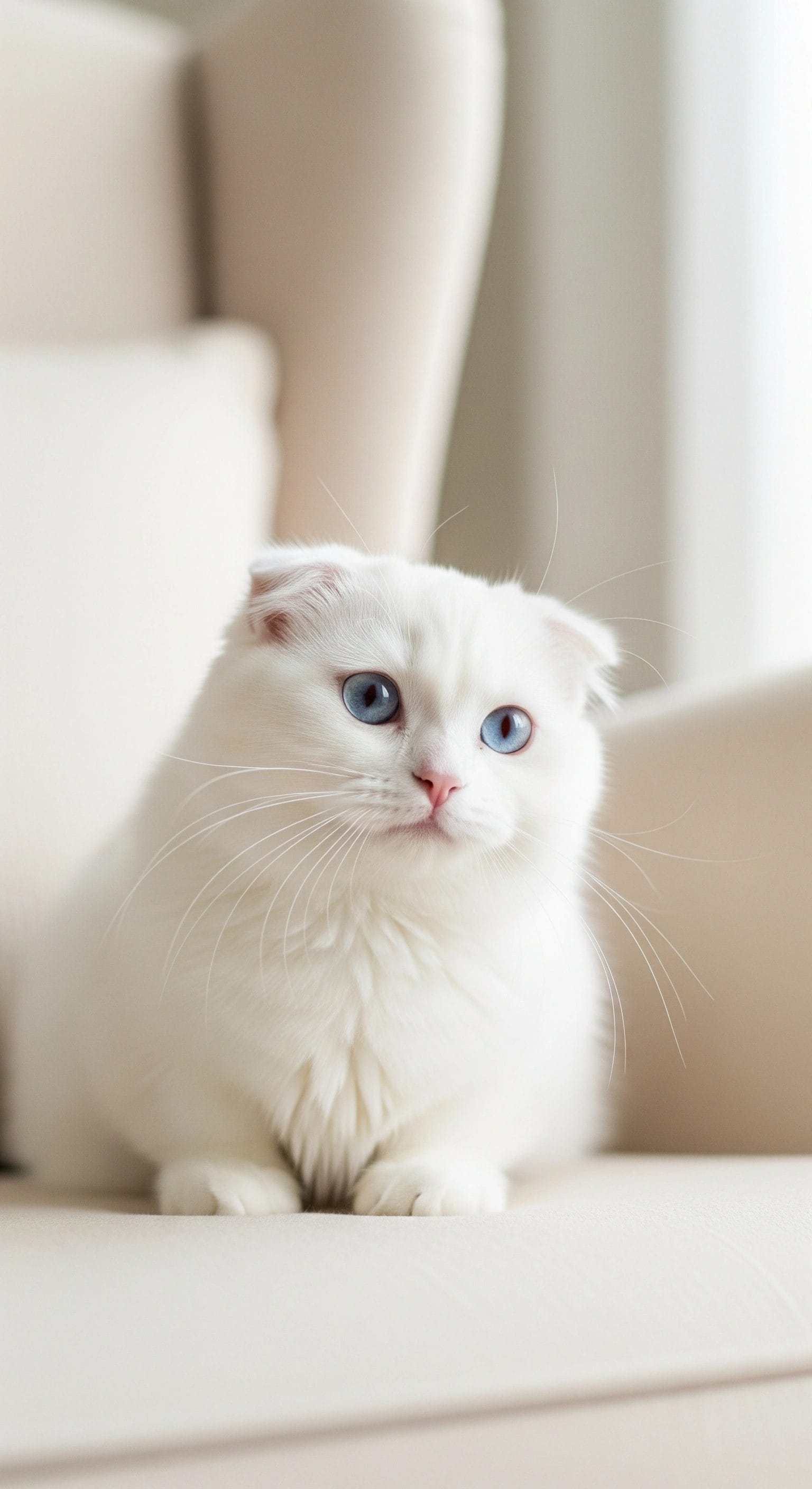
Munchkin cat
The Munchkin is the original dwarf cat, and it’s the one that started it all.
These cats have short legs due to a genetic mutation that affects bone and cartilage development, but they don’t let that slow them down.
Munchkins are outgoing, playful, and energetic.
They act just like any other cat—climbing, jumping, and running around—without caring that they’re a bit shorter than the average feline.
- Weight: 4-9 pounds
- Personality: Outgoing, playful, social
- Coat: Short or long-haired varieties
- Colors: Any color or pattern
Napoleon (Minuet) cat
Napoleon cats are a hybrid between Munchkin and Persian cats.
These cats are the adorable love child of the two breeds, combining the best qualities of both.
Their short legs come from the Munchkin side, while their luxurious, long coat comes from the Persian side.
This breed is often referred to as the Minuet, and their round faces and big eyes make them impossible to resist.
- Weight: 4-9 pounds
- Personality: Sweet, gentle, laid-back
- Coat: Long, fluffy coat that requires regular grooming
- Colors: All accepted patterns
Lambkin (Nanus Rex)
The Lambkin is another Munchkin hybrid, but this time it’s crossed with the Selkirk Rex, a breed known for its curly coat.
The result is a short-legged cat with a soft, curly coat, making the Lambkin look like a plush little bundle of joy.
It was first bred in 1991 and is still relatively new in the world of dwarf cat breeds.
Despite being a recent creation, the Lambkin has gained attention for its playful and affectionate nature.
- Weight: 5-9 pounds
- Personality: Playful, affectionate
- Coat: Curly, soft coat
- Life expectancy: 15-20 years
Bambino
The Bambino is a striking mix of the Munchkin and the Sphynx cat, so it’s got both short legs and a hairless body.
These cats are known for their unique, almost alien look, which appeals to those who want a cat that’s truly different.
Without a coat to protect them, Bambinos require extra care to keep their skin healthy, and they also tend to be more social, often seeking out human attention.
- Weight: 4-9 pounds
- Personality: Affectionate, social, attention-seeking
- Coat: Hairless or very short coat
- Special care: Needs skin protection due to lack of fur
Dwelf
The Dwelf is one of the most unique dwarf breeds because it combines Munchkin, Sphynx, and American Curl genetics.
These cats inherit the short legs of the Munchkin, the hairlessness of the Sphynx, and the curled ears of the American Curl.
The result is a highly distinctive cat with a lot of personality.
Dwelfs are incredibly social and enjoy being the center of attention, so they’re perfect for cat lovers who want a cat that’s as quirky as it is cuddly.
- Weight: 5-10 pounds
- Personality: Highly social, attention-seeking
- Coat: Hairless body with soft skin
- Special traits: Curled ears from the American Curl breed
Skookum
The Skookum is another breed that combines Munchkin genetics with another unique breed—this time, the LaPerm cat, known for its curly coat.
The result is a dwarf cat with short legs and a soft, curly coat that’s low-maintenance.
Skookums are friendly and enjoy human company, but they also love to play and explore.
Their coat may be curly, but it doesn’t require as much grooming as the long-haired Munchkin hybrids.
- Weight: 4-9 pounds
- Personality: Playful, friendly, social
- Coat: Curly, low-maintenance coat
- Special care: Easy grooming due to curly fur
Health Considerations and Potential Issues
Dwarf cats can live happy lives, but potential owners need to understand the health risks linked to these breeds.
Dwarfism caused by osteochondrodysplasia can lead to long-term health problems, though they’re not usually life-threatening.
These issues often involve joint pain, mobility problems, and arthritis. Here’s a closer look at common health concerns:
Spinal issues
One major concern is a condition called lordosis, which causes the spine to curve downward.
This puts pressure on the heart, lungs, and trachea, making it harder for the cat to breathe and function normally.
This condition can reduce the cat’s quality of life and might need medical treatment.
Joint problems
Because the bones are structured differently in dwarf cats, their joints often face more stress than usual.
This can cause arthritis to develop earlier than expected and may lead to mobility issues as they get older.
This can make basic activities, like walking or jumping, painful for them.
Mobility limitations
Shorter legs can make it harder for dwarf cats to perform some of the activities other cats do, like jumping or climbing high places.
While many adapt well, they may still struggle with these basic feline tasks.
This limitation can affect their physical and mental well-being, especially if they love to explore and play.
Breeding complications
Breeding dwarf cats can be tricky due to the genetics of dwarfism.
Sometimes, when two dwarf cats are bred together, the kittens can inherit two copies of the gene, which is often fatal during development.
This raises concerns about breeding ethics and the potential for genetic health issues in offspring.
What to Consider Before Getting a Dwarf Cat
Thinking about bringing a dwarf cat into your life? They’re cute and unique, but owning one comes with responsibilities.
Here’s what you need to know before making that commitment:
1. Research reputable breeders
- Health testing: Make sure the breeder tests for common health issues that affect dwarf cats, like joint problems or spine issues.
- Health history: Ask about the health of the parents. If the breeder can’t give you details, that’s a red flag.
- Socialization and care: The breeder should provide proper socialization and care for kittens. A well-socialized cat will adjust better to your home.
- Avoid irresponsible breeding: Stay away from puppy mills or breeders who are only in it for the money. Look for breeders who prioritize health and ethical practices.
2. Prepare for special needs
- Mobility aids or home adjustments: You may need to think about ways to make your home easier for a dwarf cat to navigate, like ramps or lower cat trees.
- Vet bills: Dwarf cats can have higher vet costs because of their special health needs. Be ready to budget for possible treatments or check-ups.
- Long-term care: Owning a dwarf cat means committing to caring for them long-term. This could include managing joint issues or other health problems.
- Vet experience: Find a vet experienced with dwarf cat breeds. Not every vet will know how to handle their specific health concerns.
3. Evaluate your lifestyle
- Exercise and stimulation: Dwarf cats need mental and physical stimulation, just like any other cat. Make sure you can provide enough playtime and exercise.
- Home environment: Consider if your home is suitable for a dwarf cat. They might need extra space or specific setups to feel comfortable.
- Health management: Dwarf cats can face mobility issues and arthritis, so you’ll need to stay on top of their care.
4. Consider adoption
- Shelters and rescue organizations: Don’t forget about adopting. Dwarf cats do end up in shelters and rescue groups, so look there before buying from breeders.
- Support ethical choices: By adopting, you’re supporting more ethical practices and reducing demand for problematic breeding methods.
Bringing a dwarf cat into your life can be incredibly rewarding, but it’s not for everyone.
Make sure you’re prepared for the long-term care, special needs, and health considerations that come with these unique felines.
Caring for Dwarf Cats: Special Considerations
Dwarf cats need the same basic care as regular cats, but their unique body structure means some extra thought and preparation.
Here’s how to make sure your dwarf cat stays happy and healthy:
1. Environmental modifications
- Steps or Ramps: Dwarf cats might struggle to jump or climb as easily as other cats. Adding steps or ramps to help them reach their favorite spots will make life easier.
- Lower food and water dishes: To prevent strain on their bodies, consider placing their food and water bowls lower to the ground.
- Litter box adjustments: Use litter boxes with low sides so they can get in and out without trouble. If it’s too high, it could cause unnecessary stress on their joints.
- Accessible sleeping areas: Ensure their sleeping spots are easy to reach. Avoid placing their bed in places they can’t easily access, as this could affect their rest.
2. Health monitoring
- Vet checkups: Regular vet visits are key. Dwarf cats can face joint and spinal issues, so keeping an eye on their health with routine checkups is a must.
- Watch for joint pain: Keep an eye on signs of arthritis or joint pain, such as limping or difficulty moving around. Early detection can help manage these issues.
- Maintain healthy weight: Keeping your dwarf cat at a healthy weight is crucial to avoid putting extra strain on their joints. Obesity can make existing mobility issues worse.
- Breathing and spinal problems: Be aware of any breathing difficulties or signs of spinal problems, like a slouching posture. Conditions like lordosis (spine curve) can cause issues down the road.
3. Exercise and enrichment
- Toys and activities: Provide toys that don’t require too much jumping, like wand toys or interactive puzzles.
- Encourage movement: It’s important to keep them active, but don’t overdo it. Gentle play sessions can help keep them fit without stressing their joints.
- Mental stimulation: Dwarf cats need mental stimulation too. Puzzle toys or treat dispensers can keep their brains engaged, so they don’t get bored.
- Climbing opportunities: If your cat enjoys climbing, make sure the climbing structures are at appropriate heights.
Conclusion: Making Informed Decisions
Dwarf cat breeds, like the Munchkin and Napoleon, blend genetics, ethics, and animal care.
While they make great pets, potential owners should weigh health risks, ethical concerns, and long-term care.
Dwarfism in cats isn’t just a trend—it raises important questions about animal welfare.
Before adopting or buying a dwarf cat, do your research. Support ethical breeders, consider adopting from rescues, and always prioritize the cat’s health over looks.
These unique cats can thrive with the right care, but it’s important to understand both the rewards and challenges of owning one.
Staying informed and responsible ensures a better future for these cats and their well-being.

- Does Cat Litter Melt Ice? The Complete Guide to Winter Safety - January 30, 2026
- Happy Tail Dogs: Understanding This Common Canine Condition - January 29, 2026
- How Cold Can Outdoor Cats Handle? Feline Winter Safety - January 27, 2026
GIPHY App Key not set. Please check settings