

 Emily Walker
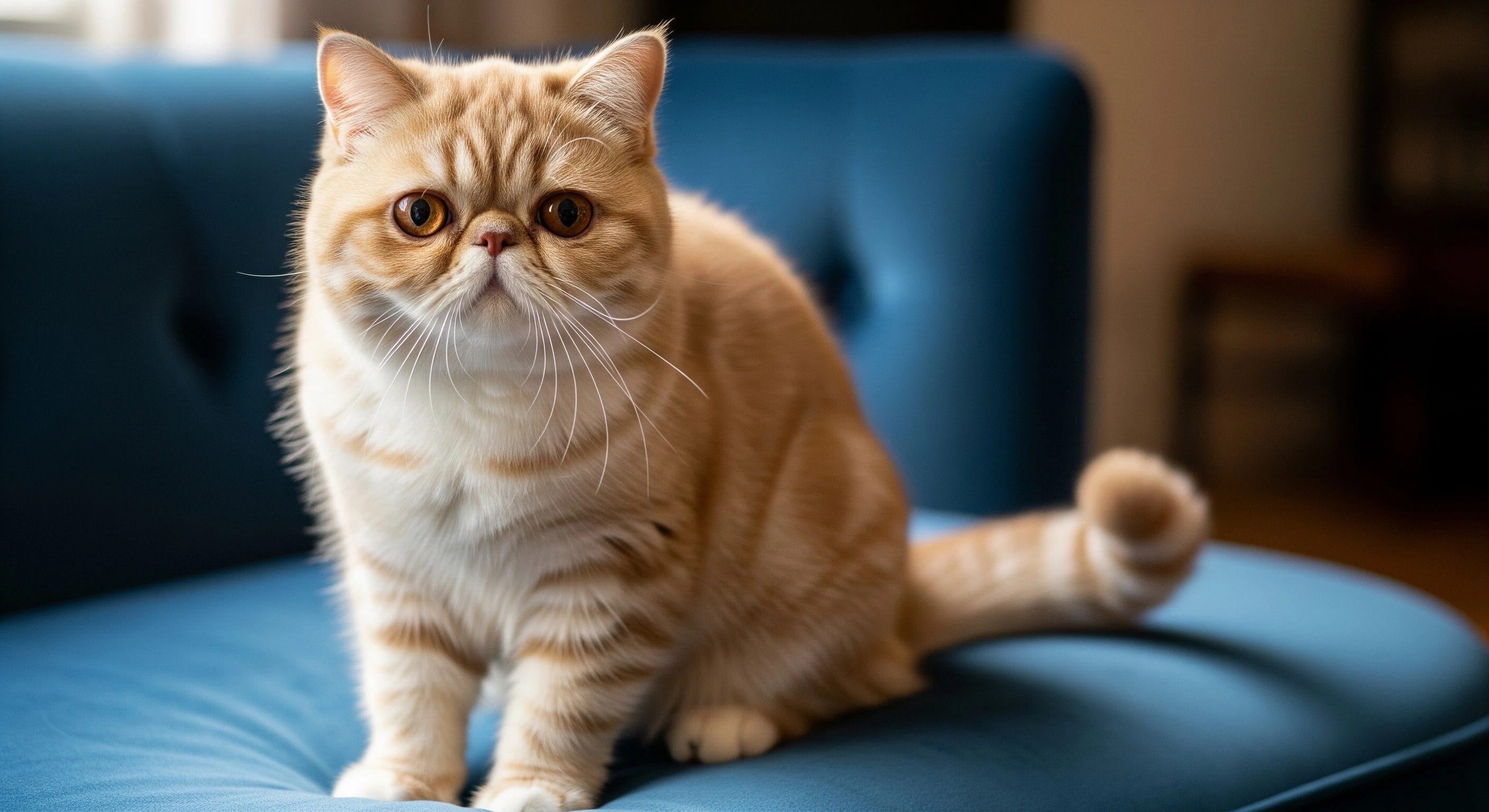
If you’ve ever gotten stuck on cat TikTok, you’ve probably seen those squishy-faced cats with big eyes and “I hate Mondays” expressions.
Yeah—those are flat-faced cats, or brachycephalic breeds.
They’ve blown up in popularity lately because, let’s be honest, they look straight out of a Pixar movie.
But before you start begging your parents for one, here’s the deal: these cats are adorable, sure, but their looks come with extra care needs and some serious health stuff you should know about.
What Makes a Cat Breed “Flat-Faced”?
So, here’s the scoop — flat-faced cats aren’t just born looking like they ran into a wall (in the cutest way possible).
They’ve got something called brachycephaly, which literally means “short head” in Greek.
Basically, humans selectively bred them over time to have shorter skulls and squished-in faces because, well, people thought it looked adorable.
That’s why these cats have:
- Tiny, squished nasal passages that give them that iconic “flat” look
- Big, round eyes that make them look permanently surprised
- Shorter jawbones that create that signature smooshy profile
- Smaller nostrils than your average cat
But here’s the catch — this isn’t just about looks.
That flat face affects how they breathe, eat, and even cool themselves down. Cute? Absolutely. Easy to care for? Not always.
Popular Flat-Faced Cat Breeds
Persian Cats
If cats came with a royalty ranking, Persians would be crowned at the top with a fur crown.
They are the original flat-faced feline — celebrated for silky long hair and calm, queenly disposition.
They originated in Persia (modern-day Iran), and breeders simply kept flattening their faces further because, let’s be real, people loved that soft doll face.
Key characteristics:
Super long, silky coat that demands daily brushing (unless you enjoy hair tumbleweeds on your couch)
- Calm, gentle vibes — total homebodies
- Tons of color combos and coat patterns
- Usually weigh between 7–12 pounds
Persians are the ultimate chill companions.
They love routine, peace, and predictability — basically, if you’re a “let’s stay home and binge Netflix” kind of person, they’re your match.
Exotic Shorthair
Imagine a Persian with a low-maintenance makeover — that’s the Exotic Shorthair.
They are also called the “lazy person’s Persian” because they have the same cute smooshed face but a short, teddy bear-type coat that is so much less maintenance to deal with.
They were developed in the 1960s when breeders cross-bred American Shorthairs and Persians.
Key characteristics:
- Short, dense, velvety coat — soft enough to make you forget your problems
- Sweet, playful, and full of cuddles
- All the Persian cuteness without the brushing marathon
- A bit more energetic but still major couch potato energy
Exotics are total lovebugs — they’ll follow you around the house like your furry little shadow.
Think of them as clingy in the best possible way.
Himalayan Cats
Himalayans are like if a Persian and a Siamese had a fancy, blue-eyed baby.
They’ve got that flat Persian face but with the Siamese color points — darker shades on their ears, nose, paws, and tail.
Technically, some cat registries don’t even consider them a separate breed, just a color variety of Persians.
Key characteristics:
- Long, silky coat with those iconic color points
- Mesmerizing blue eyes that could stare straight into your soul
- Social and talkative, but not as loud as full-on Siamese
- Need daily grooming — they’re divas about their fur
Himalayans love attention and affection. If you ignore them too long, expect them to plop in front of you like, “Excuse me? I exist.”
Scottish Fold (Flat-Faced Variety)
Not every Scottish Fold has a flat face, but some have been mixed with Persians — and that’s where things get extra cute.
These cats have the famous folded ears and a flatter face, giving them a “stuffed animal come to life” look.
Key characteristics:
- Adorable folded ears that bend forward
- Round faces that look even chubbier with flat features
- Chill, affectionate, and adaptable
- Come in short- and long-haired versions
One heads-up: the gene that causes those folded ears can also affect cartilage, so it’s super important that these cats come from ethical breeders who know what they’re doing.
British Shorthair (Flat-Faced Lines)
Normally, British Shorthairs have those round, teddy bear faces — but some lines have taken it further, developing flatter features.
They’re the definition of chunky and cuddly, with that plush “living cloud” coat and an expression that says, “I run this house.”
Key characteristics:
- Thick, soft coat that feels like luxury carpet
- Big, round eyes and those signature chubby cheeks
- Calm but affectionate — they’ll love you, just not in a clingy way
- Muscular, sturdy build
British Shorthairs are tough little tanks.
They’re usually pretty healthy, but the super flat-faced ones can sometimes deal with the same breathing or heat issues as other brachycephalic breeds.
Health Considerations for Flat-Faced Cats
flat-faced cats are insanely cute, but their smooshy faces bring real health stuff you need to know if you’re thinking of getting one — or just want to not freak out when your cat sounds like a tiny jet engine.
Read this like a PSA from someone who actually cares about cats (and lowkey hates avoidable vet bills).
Brachycephalic Airway Syndrome
That squished skull that gives them the cute face also squishes their airways. Translation: breathing can be harder than it looks. You might see:
- Noisy breathing, snoring, or wheezy sounds
- Trouble breathing during play or when it’s hot
- Getting tired faster during exercise
- Open-mouth breathing or panting
And if it really gets worse, the vets have to step in and surgically open up the nostrils or cut away excess tissue so that they can breathe once more.
Ew, but sometimes it’s needed.
Eye Problems
Those huge pop-out eyes = adorable, but also fragile. Because of their face shape, they’re more likely to get:
- Excess tearing (and annoying tear stains) from wonky tear ducts
- Corneal ulcers from not blinking properly or from accidental scratches
- Cherry eye (when a tear-gland pops out)
- Entropion (when the eyelid rolls inward and rubs the eye)
Dental Issues
Short jaw = crowded teeth. That means:
- Teeth that overlap or grow weirdly
- Higher risk of gum disease and plaque
- Trouble chewing dry food sometimes
- Greater chance of losing teeth over time
Regular dental checks and professional cleanings aren’t optional if you want your cat’s mouth to survive.
Heat Sensitivity
They can’t cool down as well because of restricted airways. So:
- They’re way more likely to overheat or get heatstroke
- Keep them inside with AC or at least a cool spot during warm days
- Think of them like tiny weather-sensitive celebs — they need climate control.
Skin Fold Dermatitis
Those adorable face wrinkles are technically a water trap.
Food, drool, and debris accumulate there and attract bacteria and yeast, which lead to irritation or infection.
Cleaning the folds daily is generally required in an attempt to keep things clean or not sore.
Caring for Your Flat-Faced Cat
Grooming Requirements
For long-haired varieties (Persian, Himalayan):
- Brush daily to stop mats and hair tumbleweeds.
- Bathe monthly or when they start looking like a sad furball.
- Pay extra attention to trouble spots (behind the ears, under the arms, belly) — those hide the nastiest tangles.
For short-haired varieties (Exotic Shorthair):
- Brush weekly to pull out dead hair and cut down on shedding.
- Bathe occasionally if they get greasy or funky.
For all flat-faced cats:
- Clean facial folds every day with a damp cloth or pet-safe wipe — moisture builds up fast.
- Wipe around the eyes daily to remove discharge and prevent gross staining.
- Trim nails regularly so they don’t snag or scratch themselves.
- Clean ears weekly to avoid waxy build-up and infections.
Environmental Considerations
Make your home a chill, cat-friendly zone that works with their special needs:
- Keep temps moderate (think 65–75°F) because they’re heat-sensitive.
- Put water stations all over the house so they actually drink enough.
- Use shallow bowls — deep bowls = awkward face-smooshing while eating.
- Keep air clean: no smoking, no heavy perfumes. Bad air makes breathing worse.
- Create calm, low-stress hangout spots — predictable routines make these cats happiest.
Nutrition and Feeding
Help their breathing and digestion by choosing food and setups wisely:
- Try kibble shaped for flat faces so they can grab it easier.
- Wet food is great — easier to eat and helps with hydration.
- Elevated bowls can reduce neck strain while eating.
- Offer smaller, more frequent meals to lower the chance of regurgitation.
- Watch weight closely — extra pounds make breathing problems way worse.
Regular Veterinary Care
Flat-faced cats need more hands-on health care than most:
- Aim for check-ups twice a year.
- Keep an eye on breathing and report any changes fast.
- Stay on top of dental cleanings — oral problems are common.
- Talk with your vet about preventing breed-specific issues.
- Find a vet who knows brachycephalic breeds — they’ll catch the sneaky stuff earlier.
Is a Flat-Faced Cat Right for You?
Flat-faced cats are sweet, snuggly little weirdos that can totally steal your heart… but they’re not low-effort pets. Before you fall for those big eyes and grumpy expressions, ask yourself if you’re ready to commit to:
- Daily grooming sessions (especially for long-haired ones — Persians don’t brush themselves, sadly)
- Cleaning their face and eyes every single day — yeah, you’re basically their personal stylist
- Spending more on vet bills, because these breeds come with extra health baggage
- Keeping your house cool year-round — heat and flat faces don’t mix
- Watching their breathing and health closely so problems don’t sneak up
- Keeping things chill and predictable — they’re not fans of chaos or loud surprises
Flat-faced cats thrive in households in which someone is home for a good chunk of the day.
They’re complete people-cats who bond strongly with their humans and despise to be left alone for longer than an hour or so.
If you’ve got time, patience, and love to tolerate a little high-maintenance fluffball, they’ll return it in spades (and likely with a lifetime of silly, snorty purrs).
Conclusion
These brachycephalic breeds such as Persians, Exotics, and Himalayans are complete heart-stoppers — easy-going, snuggly, and utterly photogenic.
But that smushy cute face comes with strings attached: additional maintenance, vet work, and additional daily attention.
Before you bring one home, be real with yourself — can you handle the grooming, cleaning, and health stuff for 12–17 years? If yes, awesome.
Just make sure you go through a responsible breeder or a rescue that puts health before looks.

- Does Cat Litter Melt Ice? The Complete Guide to Winter Safety - January 30, 2026
- Happy Tail Dogs: Understanding This Common Canine Condition - January 29, 2026
- How Cold Can Outdoor Cats Handle? Feline Winter Safety - January 27, 2026
GIPHY App Key not set. Please check settings