

 Lauryn Dell
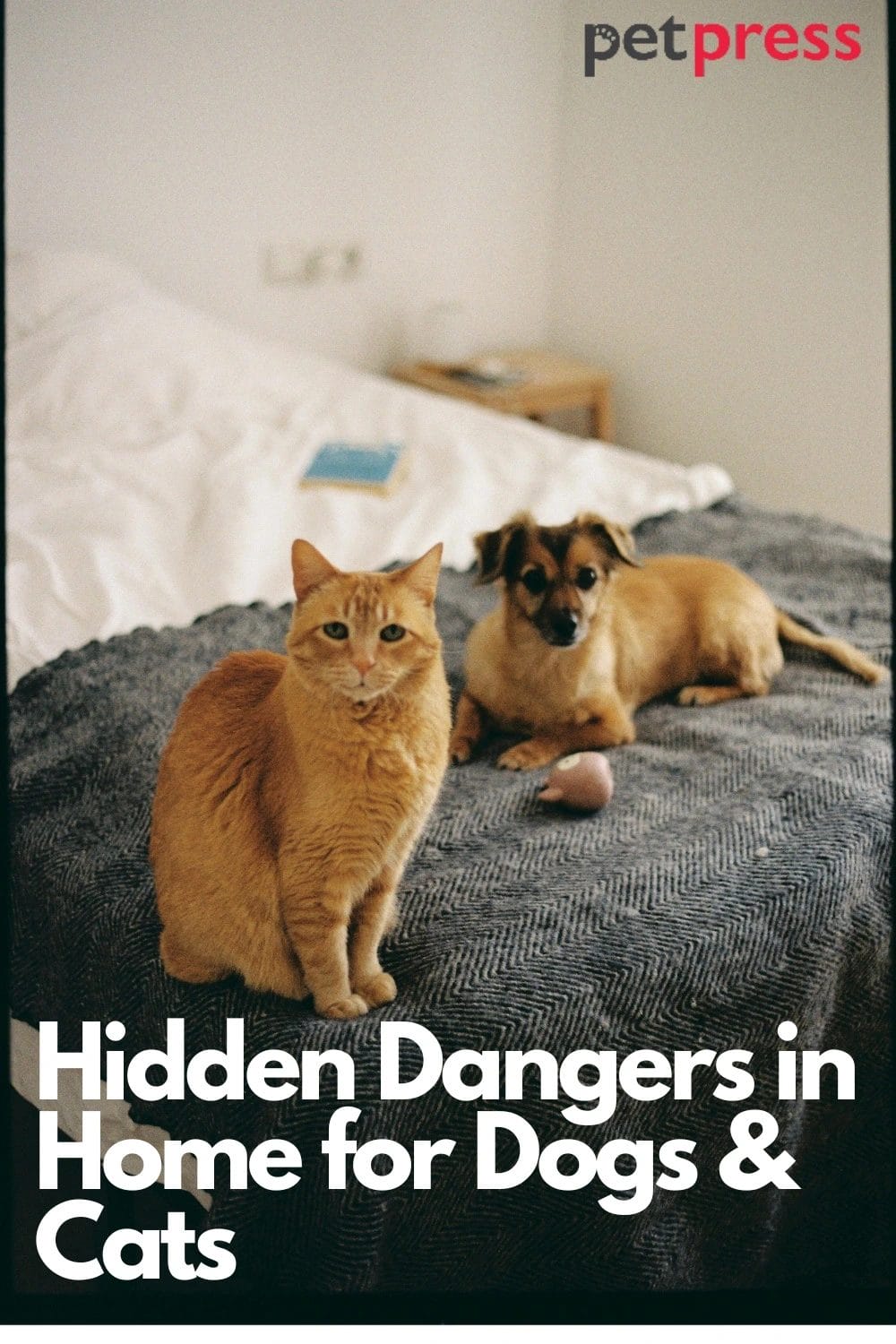
Dogs and cats are more than pets—they are beloved family members. Just like childproofing a home, pet-proofing is an essential step to ensure their safety.
While many pet owners provide food, water, and love, they may overlook everyday items around the house that could be toxic or dangerous.
From common foods and household cleaners to plants and electrical cords, hidden hazards lurk in almost every corner of a home.
This guide dives deep into the hidden dangers in homes for dogs and cats, highlighting potential threats and offering practical solutions to keep your furry companions safe and healthy.
Why Pet-Proofing Your Home Matters
Pets are naturally curious. Dogs love to chew, sniff, and taste objects, while cats are agile explorers who can leap onto counters and shelves.
This curiosity, while endearing, also exposes them to harmful substances and unsafe environments. According to the ASPCA Animal Poison Control Center, thousands of emergency calls each year involve pets exposed to toxic household products or foods.
By identifying potential hazards and taking preventive measures, pet owners can significantly reduce the risk of accidental poisoning, injuries, or long-term health issues.
Common Household Foods Toxic to Pets
One of the most overlooked dangers comes from the kitchen. Many human foods are harmless, or even healthy for us, but can be toxic to dogs and cats.
Dangerous Foods for Dogs and Cats
- Chocolate: Contains theobromine and caffeine, which can cause vomiting, diarrhea, seizures, and even death.
- Grapes and Raisins: Known to cause kidney failure in dogs. Even small amounts can be dangerous.
- Onions, Garlic, and Chives: Damage red blood cells, leading to anemia. Cats are especially sensitive.
- Alcohol and Caffeine: Both can cause nervous system problems, tremors, and organ failure.
- Xylitol (sugar substitute): Found in sugar-free gum, candy, and baked goods. It can cause hypoglycemia and liver failure in dogs.
Safety Tip
Always store food out of reach and avoid feeding table scraps to pets. Educate family members and guests about the dangers of sharing human food with animals.
Toxic Household Plants
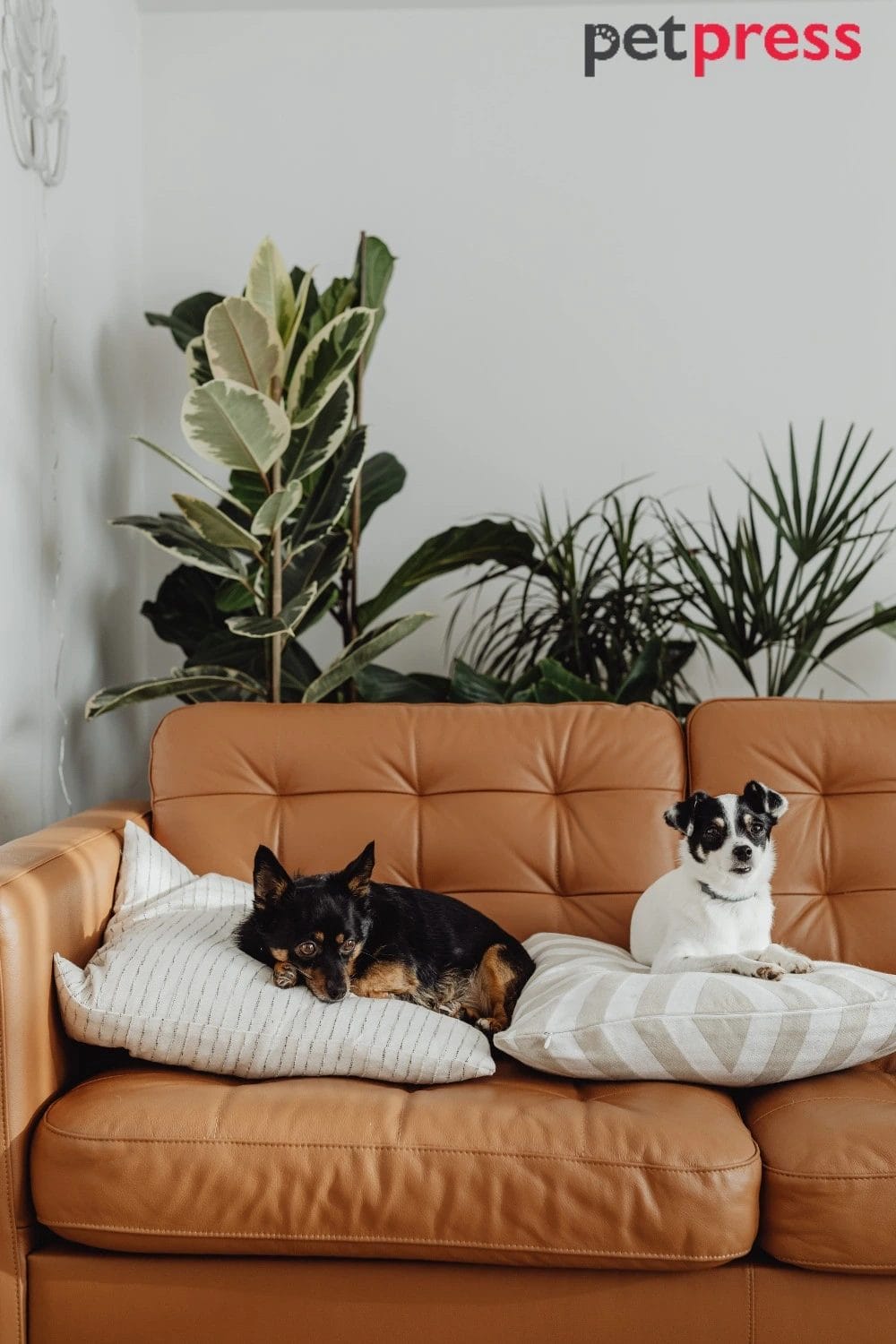
Indoor plants may brighten your home, but many are hazardous to pets. Cats and dogs often chew on leaves out of boredom or curiosity, which can lead to poisoning.

Common Toxic Plants
- Lilies (especially for cats): Can cause kidney failure even with small ingestion.
- Sago Palm: Ingesting seeds or leaves can cause liver failure and death.
- Pothos and Philodendron: Contain insoluble calcium oxalates, causing severe oral irritation and swelling.
- Aloe Vera: While beneficial for humans, it can cause vomiting and lethargy in pets.
- Tulips and Daffodils: The bulbs are especially toxic, leading to gastrointestinal distress and heart issues.
Safety Tip
Opt for pet-friendly houseplants such as spider plants, bamboo, or Boston ferns. If you’re unsure, cross-check plants with a pet poison database before bringing them home.
Cleaning Products and Chemicals
The average home contains dozens of cleaning products, many of which contain harsh chemicals dangerous to pets.
Hazardous Cleaning Agents
- Bleach: Can cause severe vomiting and respiratory distress if ingested.
- Ammonia-based cleaners: Cause irritation to eyes, skin, and respiratory systems.
- Phenol-based disinfectants: Extremely toxic, especially to cats, leading to organ damage.
- Laundry Detergents and Pods: Small but concentrated, detergent pods can cause chemical burns in pets’ mouths and stomachs.
Safety Tip
Store all cleaning products securely in cabinets. Consider switching to pet-safe, eco-friendly cleaning alternatives that don’t contain harsh chemicals.
Everyday Household Items That Can Harm Pets
Beyond foods and cleaning supplies, many everyday items pose hidden dangers.
- Electrical Cords: Puppies and kittens love to chew on cords, risking electrocution.
- Medications (human or veterinary): Even a single pill of ibuprofen or acetaminophen can be lethal to pets.
- Essential Oils: Oils such as tea tree, eucalyptus, and peppermint are toxic if ingested or absorbed through the skin.
- Small Objects (coins, jewelry, batteries): Pose choking hazards and can cause internal blockages.
- Plastic Bags and Wrappers: Can cause suffocation or intestinal obstruction if swallowed.
Safety Tip
Keep medications, essential oils, and small objects locked away. Use cord protectors to prevent chewing.
The Hidden Dangers of the Garage and Yard
Many pet owners forget to pet-proof their garages and outdoor spaces, where several hazards exist.
Garage Hazards
- Antifreeze (ethylene glycol): Extremely toxic, even in small amounts. Pets may be drawn to its sweet taste.
- Fertilizers and Pesticides: Can cause gastrointestinal distress, seizures, and long-term organ damage.
- Paints and Solvents: Contain chemicals that are harmful if inhaled or ingested.
Yard Hazards
- Mulch (especially cocoa mulch): Contains theobromine, toxic to dogs.
- Sharp Tools: Lawn equipment and garden tools can cause injuries.
- Standing Water: Can harbor harmful bacteria and parasites like leptospira or mosquitoes carrying heartworm.
Safety Tip
Always store chemicals in sealed containers and keep pets indoors during yard treatments or garage work.
How to Create a Safe Environment for Dogs and Cats
Creating a pet-safe home requires vigilance and preventive action. Here are some best practices:
- Secure Storage: Store food, medications, and cleaning products in cabinets with child-proof locks.
- Use Barriers: Baby gates can restrict pets from entering hazardous areas like kitchens, garages, or utility rooms.
- Pet-Safe Alternatives: Switch to pet-friendly cleaning solutions, plants, and toys.
- Regular Inspections: Periodically check for loose cords, dropped pills, or accessible chemicals.
- Educate Everyone at Home: Make sure family members and visitors know what pets should and shouldn’t be exposed to.
Emergency Steps if Your Pet is Exposed
Despite best efforts, accidents happen. Knowing what to do in an emergency can save your pet’s life.
- Stay Calm: Panic delays action.
- Identify the Substance: Gather packaging, plant samples, or food wrappers for your vet.
- Call Your Vet or Emergency Clinic: Immediate professional advice is crucial.
- Contact Pet Poison Helplines: ASPCA Animal Poison Control (in the U.S.) offers 24/7 assistance.
- Never Induce Vomiting Without Guidance: Some substances cause more harm if vomited.
Conclusion : Hidden Dangers in Homes for Dogs and Cats
The hidden dangers in homes for dogs and cats are more common than many pet owners realize.
From toxic foods and plants to everyday cleaning products and small objects, hazards exist in nearly every room.
But with awareness and preventive measures, you can create a safe, nurturing environment where your pets can thrive.
By treating pet-proofing as seriously as childproofing, you reduce risks and ensure your furry companions enjoy long, healthy, and happy lives.
FAQs
Chocolate, grapes, raisins, onions, garlic, xylitol, and alcohol are some of the most toxic foods for dogs and cats.
No, but many common ones like lilies, aloe, and sago palms are highly toxic. Always check if a plant is pet-safe before bringing it home.
Many essential oils are toxic, especially tea tree, eucalyptus, peppermint, and citrus oils. Avoid using them in diffusers or on pet bedding.
Call your vet immediately and provide details about what was ingested. Do not try home remedies without professional advice.
Store toxic items securely, avoid dangerous plants, switch to pet-safe cleaners, cover electrical cords, and regularly inspect your home for hazards.

- How to Celebrate a Dog’s First Birthday on a Budget: 2026 Guide - February 18, 2026
- Best Shampoo for Sensitive Skin Dog Grooming: 2026 Guide - February 12, 2026
- 40+ Aesthetic Names for White Dogs (2026 Unique & Rare List) - February 6, 2026
GIPHY App Key not set. Please check settings