

 Lauryn Dell
Dogs are known for their deep bond with humans, often seen following us around the house, seeking cuddles, or even showing signs of distress when we leave.
But have you ever wondered how dogs truly see us? Do they see us as their parents, pack leaders, or something different altogether?
This post explores canine psychology, scientific studies, and expert insights to understand how your dog perceives you, why this perception matters, and how it shapes your relationship with your furry companion.
The Science Behind the Dog-Human Bond
The domestication of dogs from wolves occurred thousands of years ago, leading to behavioral and physiological changes that allowed them to live harmoniously with humans.
One of the most fascinating aspects of this evolution is how dogs have developed the ability to read human emotions and body language.
A study by Attila Andics and his team at Eötvös Loránd University in Hungary found that dogs use the same brain regions as humans to process voices, helping them recognize emotional cues.
Another study showed that dogs prefer to look at their owners’ faces, showing a unique attachment similar to that of a human child to a parent.
These scientific findings suggest that dogs do not merely see us as other dogs but as something unique in their social structure.
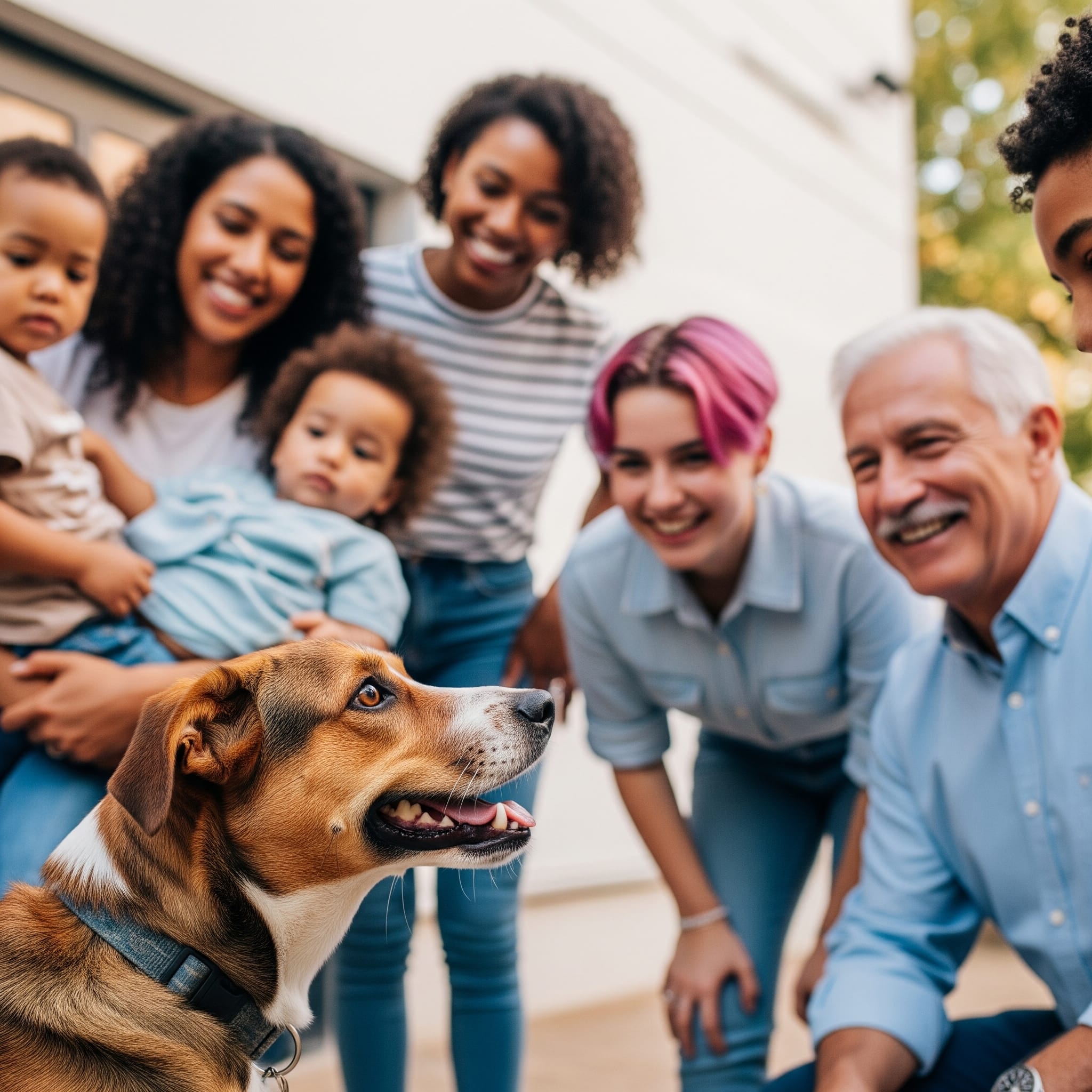
Do Dogs See Humans as Parents?
Many dog owners feel their dogs view them as parents, and research suggests there is some truth to this perspective.
Attachment Similar to Children
Dogs exhibit attachment behaviors similar to human children. They seek proximity, show distress upon separation, and exhibit joy upon reunion. The “secure base effect,” observed in human children, has also been noted in dogs, meaning they use their owners as a secure base to explore new environments.
Oxytocin Connection
When dogs and humans gaze into each other’s eyes, both experience increased oxytocin levels, the hormone associated with bonding and affection. This hormonal response is similar to that observed between parents and their infants.
These factors indicate that dogs can form parent-like bonds with their owners, seeking comfort, guidance, and security.
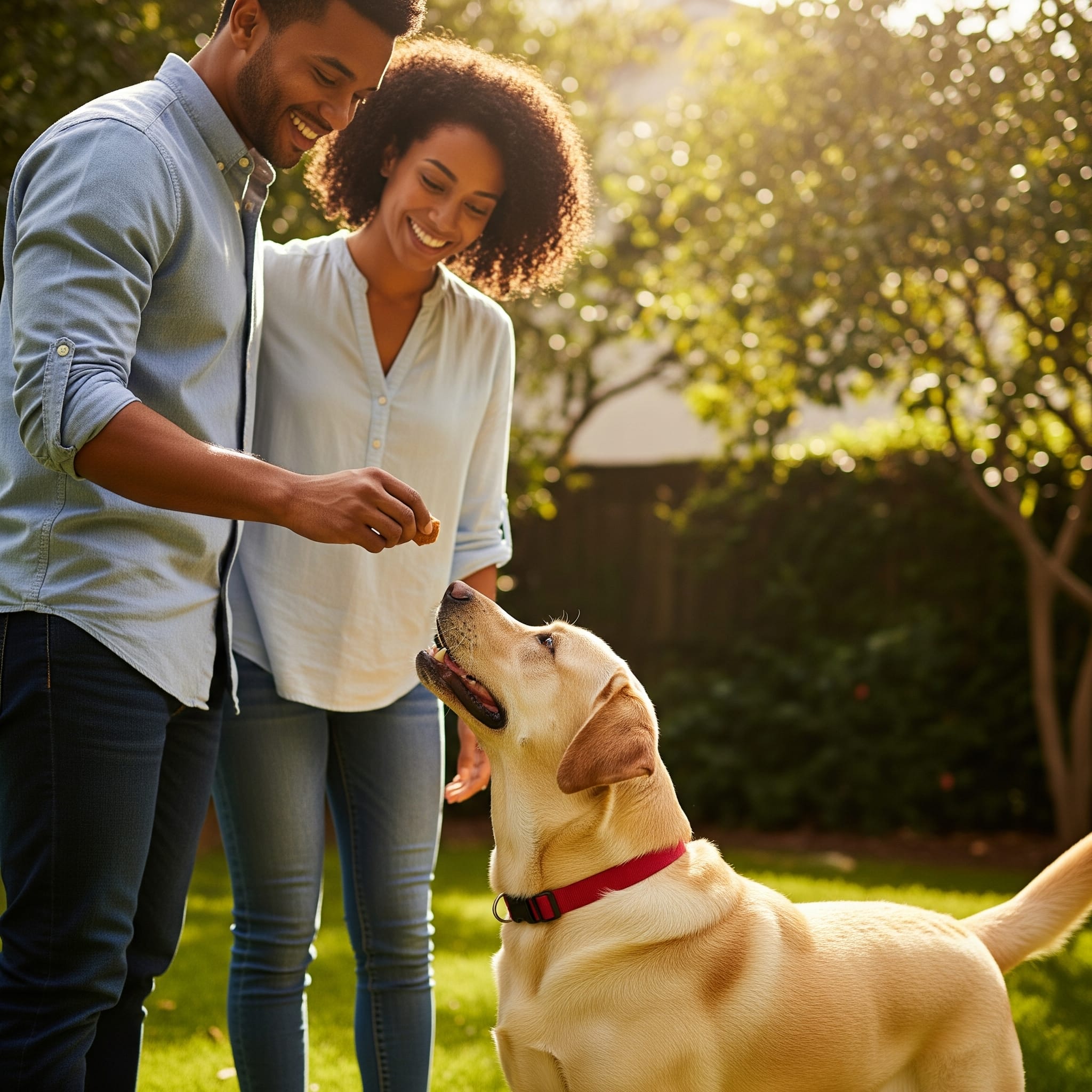
Do Dogs See Humans as Pack Leaders?
The concept of dogs seeing humans as pack leaders originates from early studies on wolf packs. The idea suggests that dogs live by a dominance hierarchy and view their owners as alpha figures in their “pack.”
However, modern research challenges the strict “alpha” theory:
- Dogs are social creatures with flexible social structures.
- They do not follow rigid dominance hierarchies as once believed.
- Their relationship with humans is more based on cooperative bonding and trust rather than fear-based submission.
While dogs may look to us for guidance, structure, and consistency, it is less about strict dominance and more about leadership and trust.
How Do Dogs Really See Us?
Combining current scientific knowledge and behavioral observations, here’s how dogs likely perceive us:
- Attachment Figures: Dogs view us as sources of safety and security.
- Providers: We are their primary source of food, care, and play, strengthening the bond.
- Social Partners: Dogs seek interaction and cooperation with us, much like they would with other dogs.
- Emotion Readers: Dogs can sense our emotional states, responding to our tone of voice, posture, and facial expressions.
- Guides and Leaders: Dogs look to us for cues and structure, especially during training, walks, and uncertain situations.
Dogs do not see us as “parents” or “pack leaders” in a literal sense but rather as a unique combination of both, blending caregiving and guidance within their social structure.
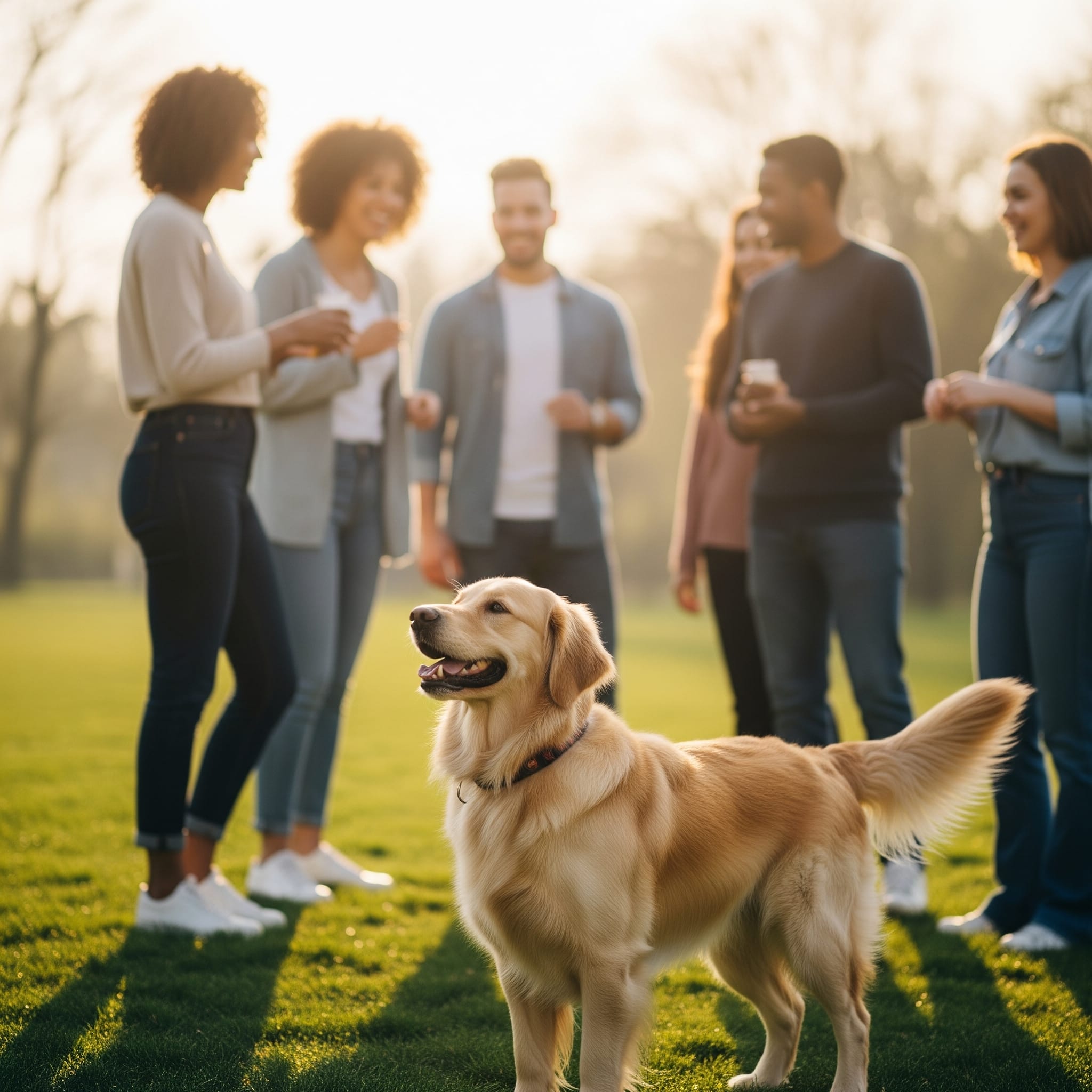
Why This Understanding Matters
Understanding how dogs see humans is crucial for:
- Training Effectively: Knowing your dog views you as a secure guide, you can use positive reinforcement and clear communication instead of dominance-based methods.
- Building a Stronger Bond: Recognizing your role as a secure attachment figure allows you to foster trust and reduce anxiety in your dog.
- Preventing Behavioral Issues: Misunderstanding your dog’s perception can lead to miscommunication, fear-based reactions, and behavioral problems.
By respecting your dog’s perspective, you can improve your relationship and provide the emotional and physical environment your dog needs to thrive.
Practical Ways to Strengthen Your Role with Your Dog
Use Positive Reinforcement
Dogs respond well to encouragement and rewards rather than punishment. Reward-based training builds trust and teaches your dog that you are a consistent, safe guide.
Maintain Consistency
Dogs feel secure when they can predict your responses and daily structure, including feeding times, walks, and play sessions.
Read Your Dog’s Body Language
Understanding your dog’s signals helps you respond appropriately, building a deeper connection and reducing fear or confusion.
Be Present
Spending quality time playing, walking, and simply being with your dog enhances your bond and shows your dog that you are a reliable attachment figure.
Provide Leadership, Not Domination
Guiding your dog with calm, confident direction helps them navigate their world safely without fear-based dominance methods.
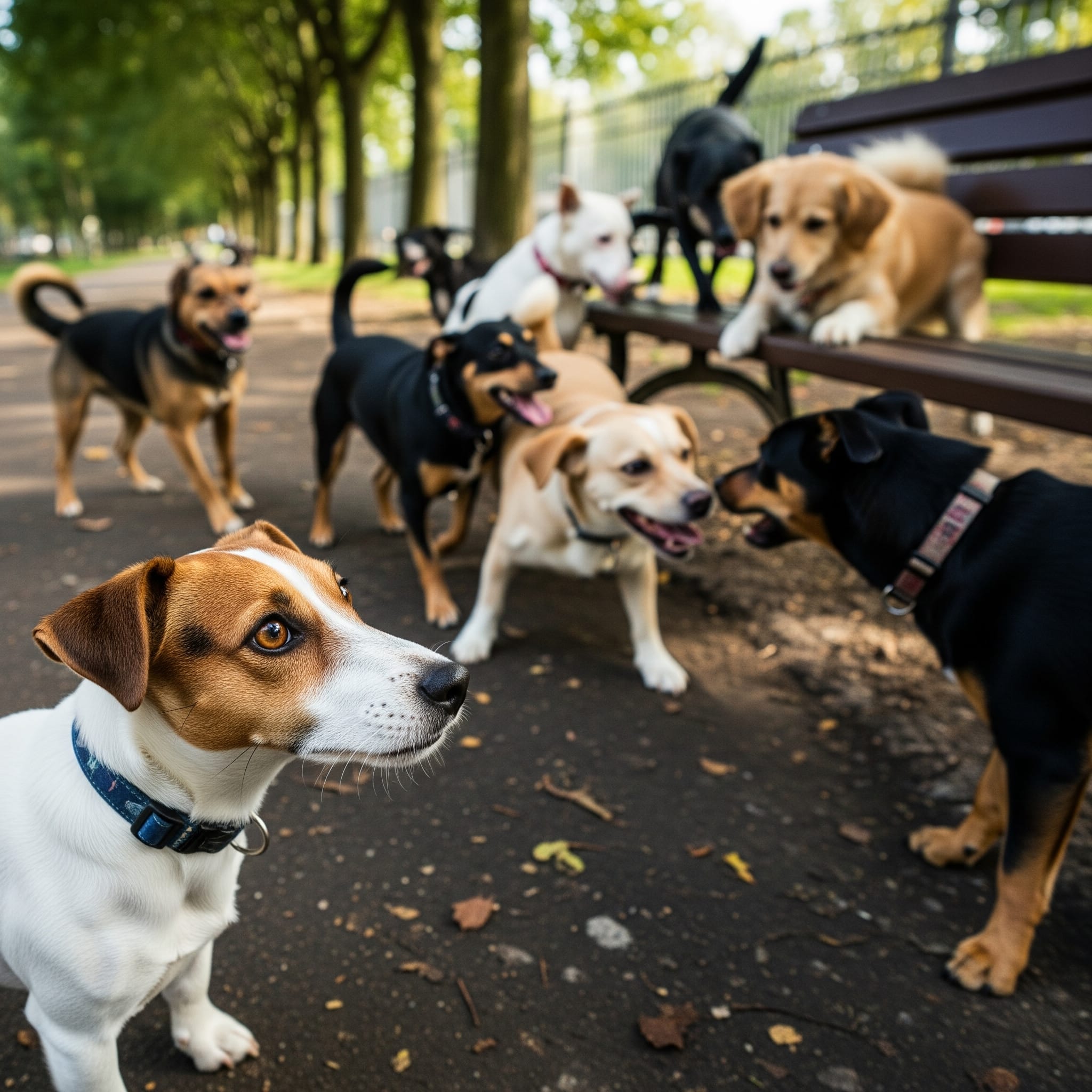
Key Takeaways On How Dogs See Humans
Dogs see humans as more than just “pack leaders” or “parents.” They view us as secure attachment figures, guides, and emotional partners, blending care, trust, and cooperation within their relationship with us.
Understanding this unique perspective allows us to build stronger, healthier bonds with our dogs, helping them live fulfilled and secure lives.
By embracing the science of how dogs view us, you can better meet your dog’s emotional and physical needs, ensuring your relationship thrives in a way that respects and honors your dog’s unique way of seeing the world.
FAQs About How Dogs See Humans
No, dogs recognize that we are different from them, but they adapt their social behavior to interact with us as part of their social structure.
Research shows dogs form deep attachment bonds with their owners, similar to the parent-child bond, driven by oxytocin and secure attachment behaviors.
Yes, modern research shows that dogs do not require dominance-based training and respond better to guidance, consistency, and positive reinforcement.
Your dog likely sees you as their secure base and feels safe around you. Following you is a sign of attachment and a desire for companionship.
Yes, dogs are capable of sensing human emotions through facial expressions, tone of voice, and body language, allowing them to respond with empathy.

- 15 Meaningful Dog Memorial Tattoo Ideas & Costs - March 20, 2026
- Best Horse Hoof Supplement Reviews for Beginners (2026) - March 19, 2026
- Pet Rat Hammock Setup Guide: Best Layouts & Prices - March 19, 2026
GIPHY App Key not set. Please check settings