

 Lauryn Dell
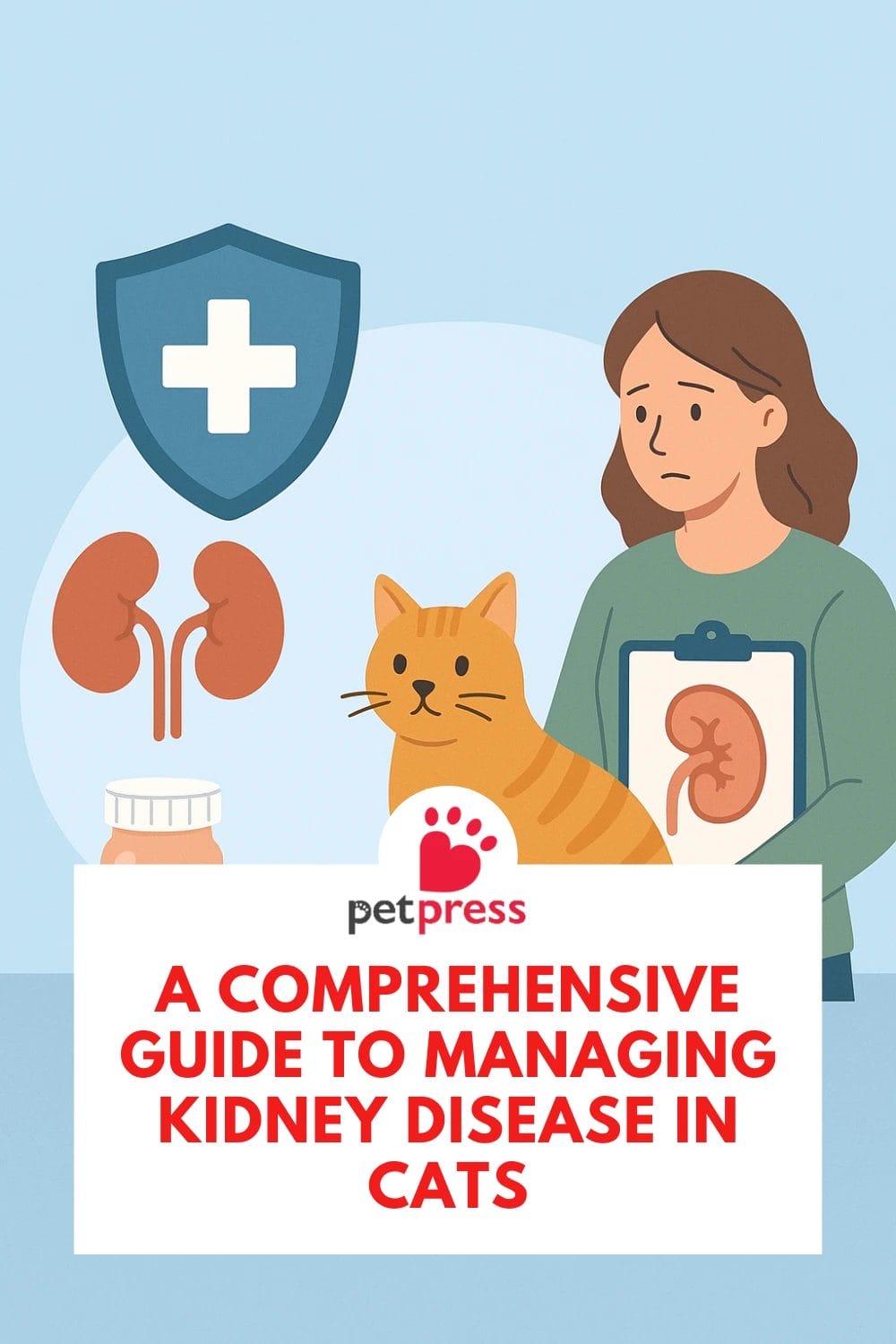
The purr of a cat is a sound of contentment, but beneath that cozy exterior, a silent threat often looms: kidney disease in cats.
This condition, formally known as Chronic Kidney Disease (CKD), is one of the most common and devastating illnesses affecting older felines. According to some estimates, up to one in three cats will develop kidney issues during their lifetime.
The kidneys are essential, life-sustaining organs, acting as the body’s sophisticated filtration system. They clean the blood, manage blood pressure, and maintain the delicate balance of minerals.
Because cats are naturally masters at hiding discomfort, kidney problems often progress unnoticed until the damage is severe.
Understanding the nature of the disease and recognizing its subtle initial symptoms is the single most important step a cat owner can take to protect their beloved companion.
Early detection and proactive management are truly the keys to slowing its progression and ensuring a high quality of life.
The Anatomy of the Problem: Understanding Kidney Function
To grasp why kidney disease in cats is so serious, you must first understand the kidneys’ core functions. These bean-shaped organs perform several critical jobs:
- Waste Filtration: They filter metabolic waste products, like urea and creatinine, from the blood and excrete them in urine.
- Fluid and Mineral Balance: They regulate the body’s water and electrolyte levels (sodium, potassium, calcium).
- Hormone Production: They produce hormones vital for red blood cell production (Erythropoietin) and blood pressure regulation.
When the kidneys destroy their tiny filtering units, known as nephrons, the remaining healthy nephrons compensate for years.
However, once about 70% of the nephrons are damaged, the remaining tissue can no longer keep up, and waste products begin to build up in the bloodstream—a condition known as uremia.
The disease is classified into two main types:
- Acute Kidney Injury (AKI): A sudden onset, often reversible, caused by toxins (like lilies), trauma, or infection.
- Chronic Kidney Disease (CKD): A gradual, irreversible loss of function that progresses over months or years. CKD is the far more common long-term concern for cat owners.
Recognizing the Subtle Signs: Early Symptoms
Because cats evolved to conceal weakness, the early signs of CKD can be incredibly subtle. Many owners mistake these changes for normal aging, which tragically delays diagnosis. Being vigilant about the following symptoms can make a life-saving difference:
Polydipsia and Polyuria (Increased Thirst and Urination)
This is often the first noticeable sign. Damaged kidneys cannot concentrate urine effectively, leading to large volumes of dilute urine. The cat drinks more to compensate for this water loss. You may notice a fuller litter box or your cat drinking from unusual places.
Weight Loss and Muscle Wasting
Chronic nausea and a buildup of toxins cause a steady loss of appetite. The cat begins to metabolize its own muscle mass for energy, leading to a noticeable thinning, particularly along the spine and hindquarters.
Changes in Appetite and Nausea
Cats with CKD often become finicky eaters. They may approach their food bowl but walk away, or vomit frequently. The buildup of toxins irritates the lining of the stomach.
Changes in Coat Quality and Bad Breath
Due to dehydration and poor nutrient absorption, the coat may look dull, matted, or unkempt. A severe buildup of urea can result in uremic halitosis, giving the cat’s breath a distinct, metallic, or ammonia-like smell.
Lethargy and Weakness
As the disease progresses, the cat may sleep more, show less interest in play, and appear generally weak. They may also exhibit weakness in the hind legs due to low potassium levels.
The Diagnostic Journey: How Vets Confirm CKD
Diagnosing kidney disease in cats relies on a combination of blood tests, urine analysis, and medical history. The focus has shifted toward earlier detection to maximize management options.
The Gold Standard Blood Tests
- Creatinine and BUN (Blood Urea Nitrogen): These are waste products that build up when the kidneys fail to filter them. Elevated levels traditionally indicate kidney impairment.
- SDMA (Symmetric Dimethylarginine): This newer, revolutionary biomarker can detect kidney function loss much earlier—as early as 25% loss—compared to the 75% loss needed to significantly elevate creatinine. Annual SDMA testing is crucial for all senior cats.
- Urinalysis: A vet checks the urine’s Specific Gravity (USG), which measures its concentration. Very dilute urine (low USG) confirms the kidneys are not conserving water properly, a classic sign of CKD.
- Blood Pressure Monitoring: High blood pressure (hypertension) is a common side effect and a major contributor to worsening kidney damage.
Staging the Disease: The IRIS Guidelines
The International Renal Interest Society (IRIS) provides a globally recognized system to stage CKD based primarily on the creatinine and SDMA levels. There are four stages:
- Stage 1: Kidney injury is present but with no clear waste buildup; diagnosis often relies on SDMA or other abnormalities.
- Stage 2: Mild kidney failure; symptoms may begin to appear.
- Stage 3: Moderate kidney failure; most clinical signs are apparent.
- Stage 4: Severe/End-stage failure; urgent and intensive care is required.
Staging is vital because it guides the veterinarian in choosing the appropriate treatment plan, from specific dietary changes to starting various medications.
Managing CKD: The Pillars of Treatment
While there is no cure for Chronic kidney disease in cats, the condition is highly manageable, and appropriate treatment can extend a cat’s life by months or even years while maintaining an excellent quality of life. The management strategy focuses on three core areas:
Dietary Management (The Cornerstone)
- Low Phosphorus: This is the most critical dietary component. Phosphorus restriction directly slows the progression of CKD and reduces secondary bone/mineral issues.
- Protein Control: Restricted, but high-quality, protein reduces the amount of nitrogenous waste the failing kidneys have to process.
- High Moisture: Wet food is always preferred over dry kibble for cats with kidney issues to ensure maximum hydration.
Fluid Therapy
Dehydration is a constant threat. In early stages, simply encouraging water intake with fountains or adding water to food may suffice.
However, in more advanced stages (Stage 2 and up), the vet may prescribe Subcutaneous Fluids (Sub-Q). This involves injecting sterile fluids under the skin at home, usually a few times a week, to correct dehydration and flush toxins from the body.

Medication and Supplements
- Phosphate Binders: If dietary restriction alone fails to lower phosphorus, vets prescribe these powders or liquids to bind phosphorus in the gut before it can be absorbed.
- Blood Pressure Medication: Drugs like Amlodipine control hypertension, protecting the kidneys from further pressure-related damage.
- Potassium Supplements: Cats with CKD often lose too much potassium, leading to muscle weakness, which can be corrected with a supplement.
- Appetite Stimulants/Anti-Nausea: Medications like mirtazapine can help combat the nausea and lack of appetite associated with uremia.
Prevention and Proactive Care
While CKD is often viewed as inevitable in senior cats, owners can take proactive steps to support kidney health throughout their cat’s life:
- Maximize Hydration: Cats evolved to get most of their water from food. Feeding a wet food diet is one of the best ways to support kidney function. Investing in a drinking fountain can also encourage water consumption.
- Routine Veterinary Screening: For cats over the age of seven, annual wellness exams with full bloodwork, including SDMA, are non-negotiable. Early diagnosis allows for dietary intervention before the cat ever feels sick, offering the best long-term prognosis.
- Hazard Control: Prevent acute injuries by keeping known toxins like lilies, antifreeze, and certain human medications out of your cat’s reach.
By staying vigilant, prioritizing proactive care, and committing to the long-term management strategies, owners give their cats the best possible chance to live a happy, comfortable life, even with kidney disease in cats.
Frequently Asked Questions
No, CKD is an irreversible, progressive disease. The damage to the kidney tissue cannot be repaired. However, with consistent and proper management (dietary changes, fluid therapy, medication), you can significantly slow its progression, alleviate symptoms, and maintain a high quality of life for your cat for a long time.
It is strongly recommended to feed wet food. Cats with kidney disease need extra hydration, and wet food provides this naturally. Even prescription kidney kibble is often less beneficial than a high-moisture canned food, regardless of its nutrient profile.
The progression rate is highly variable and depends on the stage of the disease at diagnosis and the consistency of treatment. Some cats diagnosed in early stages (IRIS Stage 1 or 2) can live for several years with minimal symptoms, while advanced cases progress much faster. Early diagnosis with SDMA testing is key to a slow progression.
Phosphorus is the most critical dietary component to control. When kidneys fail, they can’t excrete phosphorus efficiently, causing it to build up in the blood. High phosphorus levels directly contribute to kidney damage and lead to mineral imbalances that make the cat feel worse. Phosphorus restriction directly slows the disease’s advancement.
Yes, any cat over the age of seven is at increased risk for developing kidney disease in cats. Due to its high prevalence in the senior population, annual blood work that includes the SDMA test is considered standard preventative care for all older cats.

- 15 Meaningful Dog Memorial Tattoo Ideas & Costs - March 20, 2026
- Best Horse Hoof Supplement Reviews for Beginners (2026) - March 19, 2026
- Pet Rat Hammock Setup Guide: Best Layouts & Prices - March 19, 2026
GIPHY App Key not set. Please check settings