

 Lauryn Dell
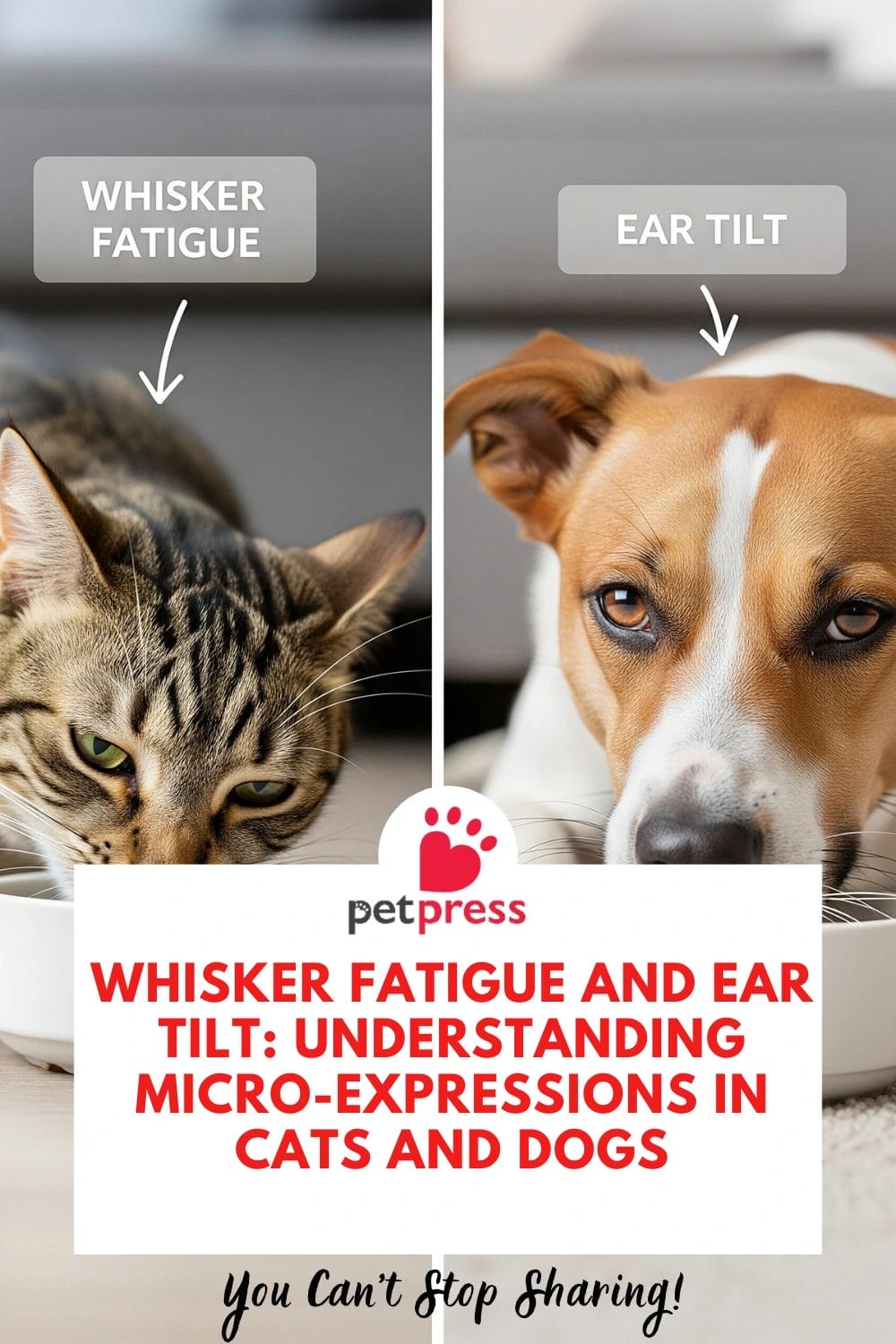
As pet parents, we often recognise the clear indications of Micro-Expressions in Cats and Dogs, such as their moods, wagging tails, purring, or barking.
But beneath these clear signals lies a rich tapestry of micro-expressions, subtle, fleeting cues that can reveal far more about your cat’s or dog’s emotional and physical state.
Two of the most telling yet under-discussed signals are whisker fatigue and ear tilt. By learning to spot and interpret these micro-expressions, you can improve your Micro-Expressions in Cats and Dogs, enhance their quality of life, and catch early signs of stress or discomfort.
Understanding Micro-Expressions in Pets
Micro-Expressions in Cats and Dogs are brief, involuntary facial expressions that occur in humans and animals alike. In pets, these expressions often happen in less than a second and can be easy to miss without careful observation.
While in humans, micro-expressions reveal concealed emotions, in animals, they can indicate everything from curiosity to anxiety, from contentment to sensory overload.
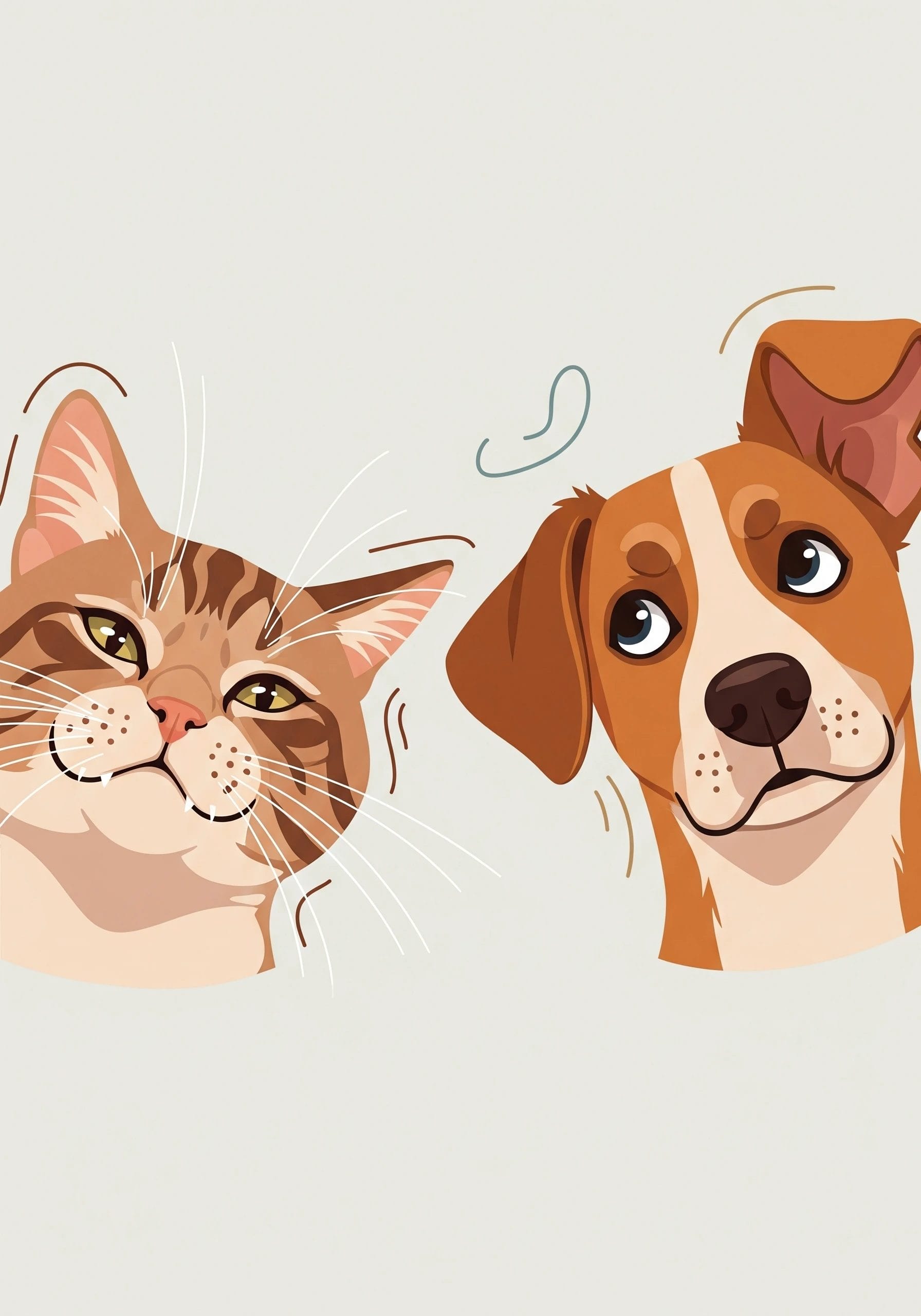
For cats and dogs, micro-expressions include changes in whisker position, ear angle, eye shape, lip tension, and furrowed brows. These tiny adjustments may seem insignificant, but together, they form an emotional language that goes beyond vocalizations or body posture.

Whisker Fatigue: More Than Just a Myth
Whiskers, technically called vibrissae, are highly sensitive touch organs. They are deeply rooted in follicles rich with nerve endings, making them finely tuned sensory tools.
For cats, whiskers help navigate tight spaces, detect air currents, and gauge the size of objects. Dogs, especially breeds with prominent whiskers like Schnauzers, also rely on them for spatial awareness.
Whisker fatigue happens when these sensory hairs become overstimulated, usually from constant contact with objects such as deep food bowls, toys, or even frequent petting near the muzzle.
Common signs of whisker fatigue include
- Reluctance to eat from their usual bowl
- Pawing at the face or rubbing against furniture
- Appearing jumpy or irritable
- Shaking the head after eating or drinking
Why it matters
Ignoring whisker fatigue can lead to chronic stress in pets, potentially affecting appetite and overall behavior. Switching to shallow, wide dishes for cats, or ensuring dogs’ whiskers aren’t constantly pressed against objects, can alleviate the problem.

The Emotional Significance of Ear Tilt
Ears are among the most expressive parts of both feline and canine anatomy. An ear tilt is more than just a charming quirk, it can reveal complex layers of mood and sensory focus.
For dogs, a subtle ear tilt may signal
- Curiosity: Head and ear tilts often occur together when a dog hears a new sound.
- Uncertainty: Ears tilt back slightly if a dog is unsure about a situation.
- Listening focus: Tilting to one side may help pinpoint a sound source.
For cats, ear movement can be even more nuanced
- Forward tilt: Interest or alertness toward a stimulus.
- Sideways tilt: Mild irritation or uncertainty.
- Backward tilt: Fear, agitation, or aggression readiness.
Interpreting ear tilt in context
A tilted ear combined with relaxed body posture likely indicates curiosity, whereas the same tilt paired with tense whiskers and dilated pupils could signal agitation or fear.
How Whisker Position Reveals Mood ?
Just like ears, whiskers also serve as emotional barometers
- Forward whiskers: Indicates hunting mode or intense interest. In cats, this often appears during play or prey stalking.
- Neutral whiskers: Relaxed, indicating calmness and comfort.
- Pulled-back whiskers: Suggests fear, stress, or pain.
In dogs, whisker position changes are subtler, but trained observation can reveal tension in the muzzle area before other stress cues emerge.
Why this matters for owners
Recognizing these subtle signs can help prevent stressful encounters, whether with new environments, unfamiliar animals, or loud noises.
The Science Behind Pet Micro-Expressions
Both cats and dogs have evolved facial muscles that allow for nuanced emotional expression.
Research in canine cognition has shown that dogs produce more expressive faces when humans are paying attention, suggesting a level of social awareness in their expressions.
Cats, though more reserved, display micro-expressions in contexts involving hunting, play, or direct human interaction.
Sensory overload such as that caused by excessive whisker stimulation can interfere with their ability to process emotional cues, leading to miscommunication between pet and owner.
This makes monitoring micro-expressions not just interesting but essential for pet welfare.
Practical Tips for Reading Your Pet’s Micro-Expressions
- Observe during calm moments: Start by watching your pet when they are relaxed so you can identify their baseline expressions.
- Look for pattern changes: Any deviation from normal ear or whisker positions may indicate a shift in mood or comfort.
- Consider the whole body language: Micro-expressions should always be interpreted alongside tail movement, posture, and vocalizations.
- Adjust the environment: If whisker fatigue signs appear, change feeding setups or reduce muzzle contact with objects.
- Be patient: Micro-expression reading improves with consistent observation over time.
Environmental and Behavioral Adjustments
Addressing whisker fatigue and understanding ear tilt isn’t just about observation; it’s about creating a supportive environment:
For Whisker Fatigue
- Use shallow, wide bowls.
- Minimize unnecessary whisker contact during grooming.
- Provide break periods between play involving muzzle contact.
For Ear Sensitivity - Avoid loud, sudden noises that can cause stress.
- Ensure your pet has quiet spaces to retreat to.
- Monitor for ear infections or mites, as these can alter ear posture and mimic emotional signals.

Why This Knowledge Strengthens the Human-Animal Bond?
Interpreting these subtle cues deepens empathy and communication. When you recognize the signs of whisker fatigue or interpret an ear tilt correctly, you respond to your pet’s needs faster.
This fosters trust, reduces stress, and promotes better mental and physical health for your companion animal.
Over time, this mutual understanding strengthens the bond in ways that go beyond simple training commands or routine care; it transforms the relationship into a nuanced partnership.
Conclusion: Micro-Expressions in Cats and Dogs
Whisker fatigue and ear tilt in Micro-Expressions in Cats and dogs are just two examples of the intricate emotional language cats and dogs use to communicate with us.
By tuning into these micro-expressions, you can detect discomfort before it escalates, interpret emotional states more accurately, and respond in ways that enhance your pet’s well-being.
Your pet’s body language is a living diary of their emotional world; learning to read it is one of the most rewarding skills a pet parent can develop.
FAQs
Yes, though it’s less common. Dogs with prominent whiskers can become overstimulated if their whiskers frequently touch objects, leading to signs similar to cats, such as reluctance to eat from deep bowls.
If the ear tilt is persistent and accompanied by head shaking, scratching, or balance issues, it may be medical (ear infection, mites, or injury) and should be checked by a vet. Emotional ear tilts are brief and situational.
Provide shallow, wide feeding dishes and avoid deep bowls that force whiskers into constant contact with surfaces during eating.
Yes, in some contexts, particularly in dogs, a relaxed ear tilt paired with wagging tails often shows curiosity or friendly engagement.
Yes. Facial structure, ear shape, and whisker prominence can affect how expressions appear, but the underlying emotional meanings are generally consistent across breeds.

- 15 Meaningful Dog Memorial Tattoo Ideas & Costs - March 20, 2026
- Best Horse Hoof Supplement Reviews for Beginners (2026) - March 19, 2026
- Pet Rat Hammock Setup Guide: Best Layouts & Prices - March 19, 2026
GIPHY App Key not set. Please check settings