

 Emily Walker

If you want a dog that’s basically the Swiss Army knife of hunting breeds—smart, loyal, and ridiculously good-looking—the Münsterländer is your guy.
These German legends have been rocking the hunting and family scene for over 100 years, pulling off the rare combo of hardcore work ethic and total sweetheart vibes.
What is a Münsterländer Dog?
Think of the Münsterländer as the overachiever of the dog world—born and bred in Germany’s Münster region, and basically built to crush it in the hunting game.
There are actually two kinds: the Large Münsterländer (Großer) and the Small Münsterländer (Kleiner).
And nope, the “small” one isn’t just a baby version—it’s a totally different breed with its own personality and skillset.
Back in the early 1900s, German hunters wanted a one-dog army—something that could track, point, retrieve, and adapt to any kind of game or terrain.
The Münsterländer became that dog. I’ve seen one go from sprinting through a field to calmly sitting with kids five minutes later—like, this breed has range.
But make no mistake: these dogs are working athletes.
If you can’t give them a job, they’ll make their own… and you might not like what they choose.
Key Münsterländer characteristics
- Origin: Germany (Münster region)
- Primary purpose: The all-in-one hunting and sporting sidekick
- Temperament: Wicked smart, loyal to the core, bursting with energy, but gentle with their people
- Lifespan: 12–14 years
- Activity level: Through-the-roof energy; this is not a Netflix-and-chill dog
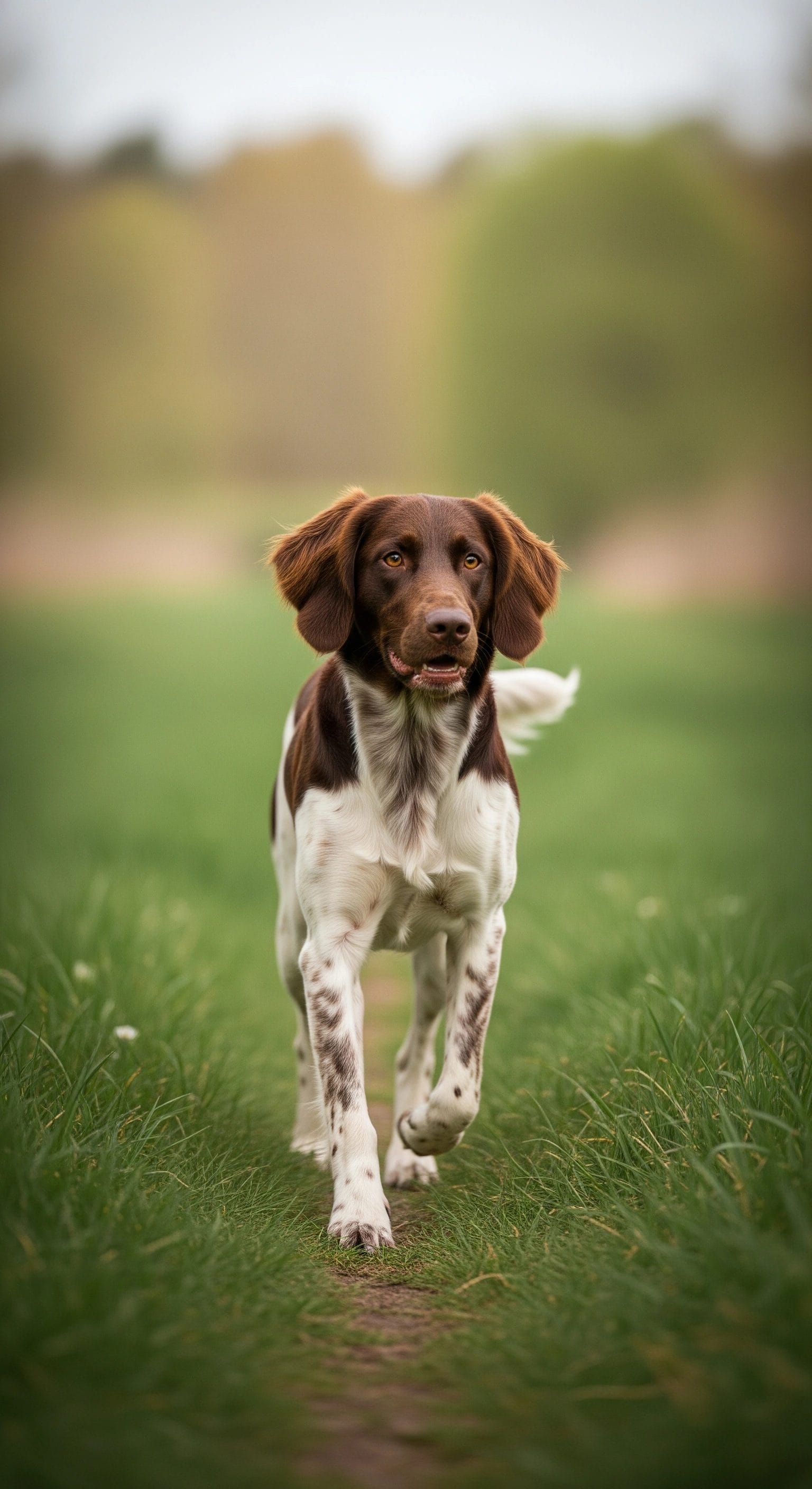
Large Münsterländer vs. Small Münsterländer: Understanding the Differences
Large Münsterländer (Großer Münsterländer)
The Large Münsterländer is basically the celebrity sibling—more famous outside Germany and built like an athlete who trains year-round.
We’re talking 55–65 pounds, 23–25 inches tall, and pure muscle with stamina for days.
Physical characteristics:
- Thick, medium-length coat with fancy feathering on the legs and tail (think “dog runway model” but in hunting boots)
- Black-and-white coat with bold markings—no subtle patterns here
- Strong, athletic frame meant to go all day without breaking a sweat
- Tail with flowing feathers, carried straight out like it’s showing off balance and confidence
Temperament and personality:
- Brainiac level smart and wants to work with you
- Huge prey drive—if it moves, they see it, but they’ll listen if trained right
- Soft-hearted with family, especially kids—these dogs know when to switch from “hunt mode” to “chill mode”
- Might give strangers the side-eye, but not in an aggressive way—more like, “I don’t know you yet”
Small Münsterländer (Kleiner Münsterländer)
Here’s the twist: the Small Münsterländer isn’t just a “fun-sized” version—it’s an entirely different breed.
Slightly smaller at 40–60 pounds and 20–22 inches tall, they’re more common in Germany and have their own fan club.
Key differences:
- Brown-and-white coat—never black (so you can ID them at a glance)
- More compact frame, but still built for serious work
- Registered under different breed standards—dog show judges won’t mix them up
- Rarer internationally, so outside Germany they’re basically the “insider pick” for hunting dog lovers
Münsterländer Training and Intelligence
Here’s the thing about Münsterländers—they’re not just pretty faces.
These dogs are insanely smart, like “figure out how to open the snack cabinet” smart.
In the sporting dog world, they’re basically the honor students who ace every subject but still need to be challenged, or they’ll find “creative” ways to entertain themselves.
Natural hunting abilities
Münsterländers come preloaded with some ridiculous hunting skills, no software update needed:
- Pointing: They’ll freeze mid-stride like a statue when they spot game birds—no one teaches them this, it’s in their DNA.
- Retrieving: Gentle grip, so they can carry a bird without mangling it. Think “delicate with eggs” energy.
- Tracking: Their noses are like GPS for wounded game—they don’t lose the trail.
- Versatility: Water, open fields, thick brush—doesn’t matter. They adapt like pros.
Training best practices
- Early socialization: Start as soon as you bring your pup home—8 weeks is prime time. Introduce them to everything: people, weird noises, random places.
- Positive reinforcement: They thrive on encouragement. Praise, treats, games—these dogs will run through a wall for you if you make it fun.
- Consistency: If you’re wishy-washy, they will find loopholes. Be clear, be firm, and stick to your rules from day one.
- Mental stimulation: A bored Münsterländer is a chaotic Münsterländer. Puzzle toys, scent games, mixing up training drills—it’s about keeping that big brain busy.
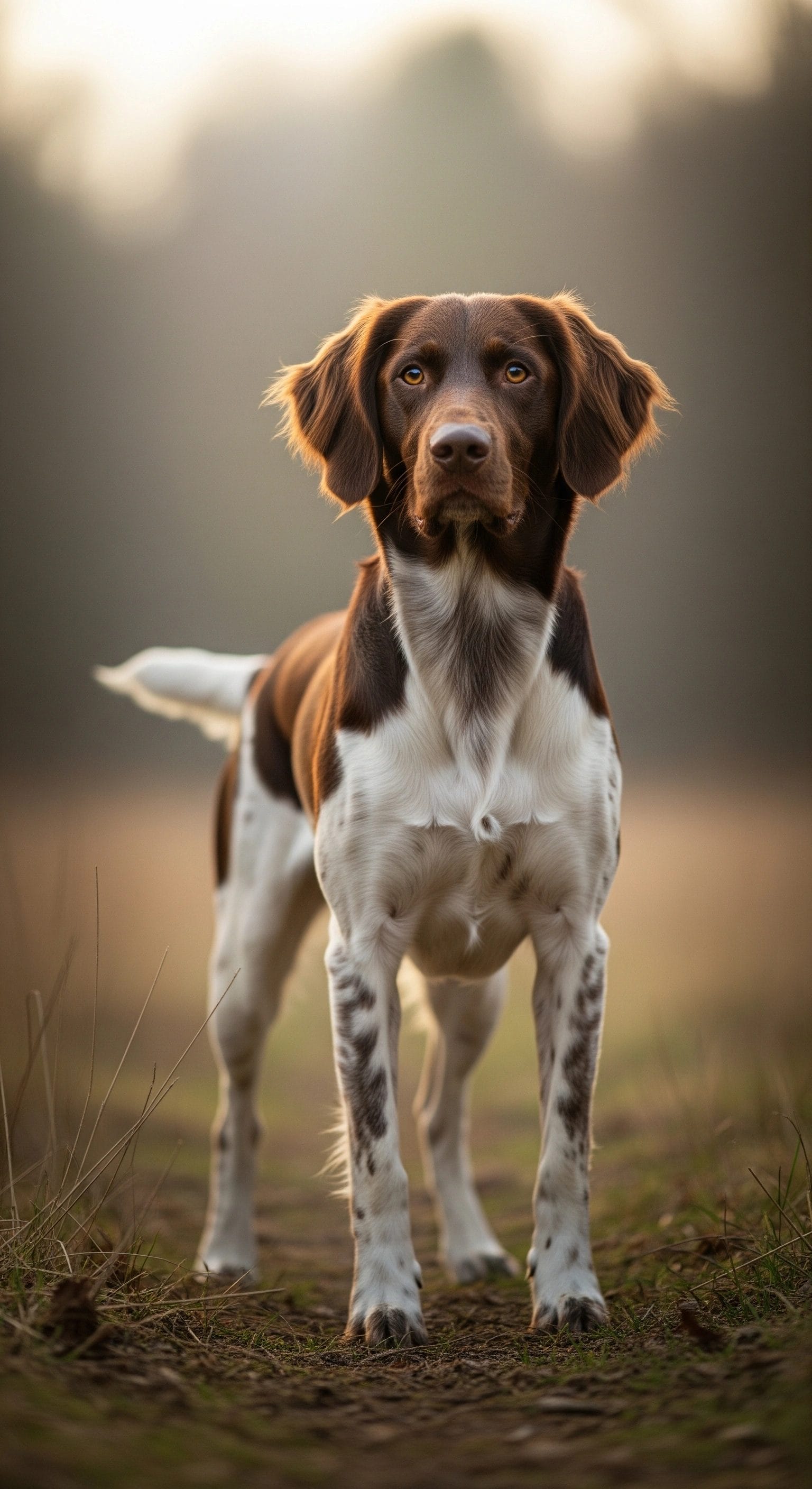
Exercise Requirements and Activity Needs
Let’s be real—Münsterländers are not “couch potato” dogs. If you’re imagining one lounging around while you binge Netflix, forget it.
These pups are wired for action and will make you feel lazy if you can’t keep up.
They’re happiest when they’ve had hours to run, work, and think.
If you don’t give them an outlet, they’ll create their own chaos… usually in ways you won’t appreciate.
Daily exercise needs
- Minimum: 2 solid hours of real exercise every day (and no, a quick walk around the block doesn’t count)
- Ideal: 3+ hours with a mix of activities to keep things interesting
- Types: Running full speed, hiking trails, swimming, endless fetch sessions, or legit field work—basically anything that burns energy and keeps their brain ticking
Mental exercise requirements
Physical workouts aren’t enough for these brainiacs. They need to flex their mental muscles too:
- Scent work and tracking games (hide a sock and watch them go detective mode)
- Regular obedience training to keep their focus sharp
- Puzzle toys and food dispensers to challenge problem-solving skills
- Interactive play that forces them to think, not just run
- Field training that taps into their natural hunting instincts
Warning signs of insufficient exercise
Skip their workout, and you’ll know about it:
- Destructive chewing or digging like they’re auditioning for a home demolition show
- Barking at every. single. thing.
- Indoor zoomies that turn your living room into a NASCAR track
- Zero focus during training—like teaching math to someone hopped up on energy drinks
- Low-key depression or just lying around looking sad (yep, it happens when they’re under-stimulated)
Health and Genetic Considerations
Even though Münsterländers are generally healthy tanks of a dog, they’re still purebreds—which means a few genetic curveballs can show up.
Good breeders work hard to keep these problems rare, but you’ve gotta know what you’re dealing with before diving in.
Common health issues
- Hip dysplasia: Basically, the hip joint doesn’t fit right, which can lead to arthritis and mobility problems.
- Eye problems: Things like progressive retinal atrophy (PRA) or cataracts can mess with their vision. Annual vet eye exams are a must if you want to catch stuff early.
- Osteochondritis Dissecans (OCD): Fancy name for a joint issue that can hit young, fast-growing dogs—usually in the shoulder, elbow, or knee.
Preventive health measures
- Choose a reputable breeder: No backyard breeders. Make sure the parents have clean health clearances for hips, elbows, and eyes.
- Regular vet care: Annual check-ups aren’t optional—catch issues early before they snowball.
- Proper nutrition: Feed a high-quality diet that fuels an athlete, not junk food that turns them sluggish.
- Weight management: Keep them lean; extra pounds are basically kryptonite for their joints.
- Exercise moderation: Puppies aren’t ready for marathon training—too much too soon can wreck their joints before they even hit adulthood.
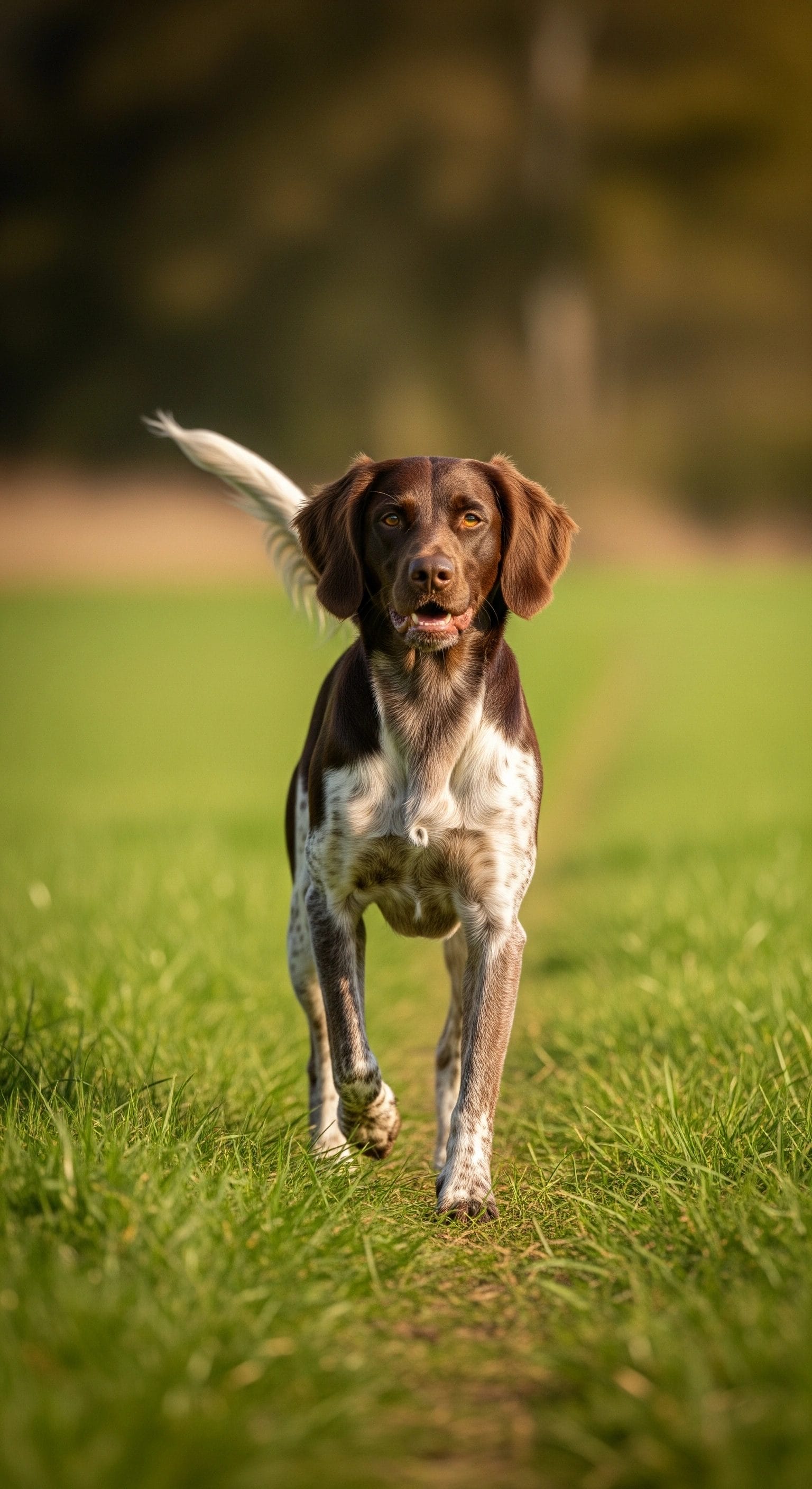
Grooming and Coat Care
Yeah, Münsterländers have that “effortlessly gorgeous” look, but trust me—it’s not actually effortless.
Their coat is high-maintenance enough that if you slack off, they’ll go from “field-ready beauty” to “walking tumbleweed” fast.
Brushing requirements
- Frequency: At least 2–3 times a week, no excuses.
- Daily brushing: Mandatory during shedding season unless you like wearing a fur sweater to school.
- Tools: Slicker brush for tangles, pin brush for fluff, and a metal comb to go full detail mode.
Bathing and professional grooming
- Bathe only when they’re actually dirty (every 6–8 weeks is average, unless they roll in something disgusting—which they will).
- Professional grooming every 8–12 weeks to keep them looking sharp.
- Trim hair between toes and around ears before it turns into little dreadlocks.
- Keep nails short so they don’t slip around like they’re walking on ice.
Seasonal coat changes
They’ve got a double coat, so twice a year—spring and fall—they’ll shed like they’re trying to clone themselves.
This is not the time to slack; daily brushing becomes survival mode for both of you.
Your vacuum cleaner will still hate you, but at least you’ll keep mats and tangles under control.
Is a Münsterländer Right for Your Family?
Is a Münsterländer Right for Your Family?
Let’s cut the fluff: Münsterländers are amazing dogs, but they’re not for everyone.
These pups come with energy, brains, and needs that will call you out if you can’t keep up.
Think of them like a high-performance sports car—you can’t just park it and forget about it.
Ideal Münsterländer owners
- People or families who actually like moving—hiking, running, swimming, you name it
- Experienced dog owners who get the chaos and reward of sporting breeds
- Hunters who want a legit all-in-one field partner
- Folks with secure, fenced yards—no chance for “stealth escape missions”
- Families ready to put in consistent training and socialization (they’ll test limits if you don’t)
Münsterländers may not be suitable if you
- Live in an apartment or have basically zero outdoor space
- Work long hours and can’t commit to daily exercise and training
- Want a chill, low-maintenance dog that just vibes on the couch
- Can’t handle regular grooming or seasonal shedding (they WILL take over your house otherwise)
- Have tiny kids who don’t get personal space—these dogs need respect just like anyone else in the fam
These dogs are epic, but only if your life actually matches their energy and brainpower. Otherwise, you’re signing up for stress, not cuddles.
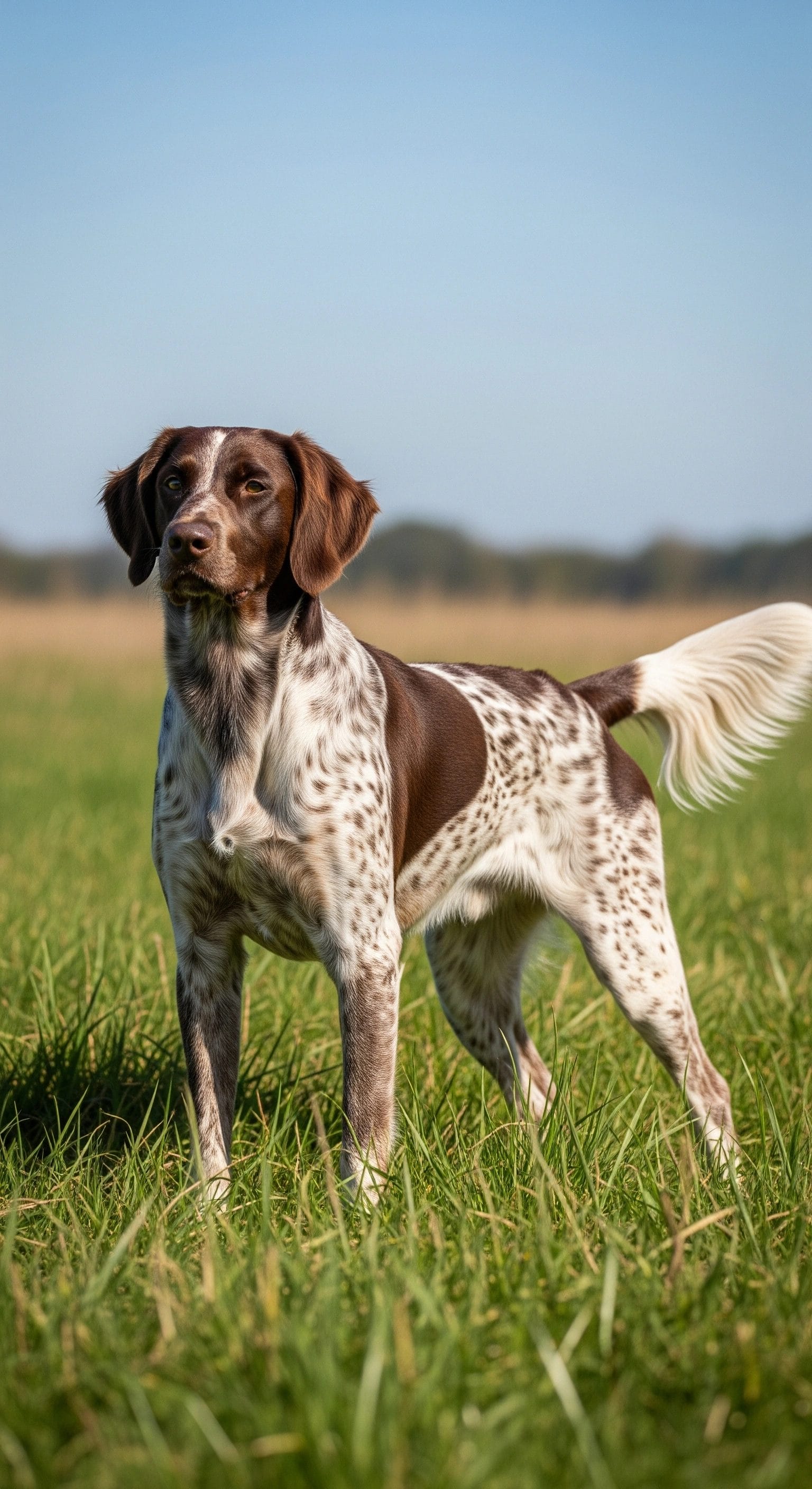
Living with a Münsterländer: Real Owner Experiences
Owners who actually live with Münsterländers basically say one thing: these dogs are next-level awesome if you can keep up.
They’re insanely smart, loyal to the max, and can do everything from hunting to chilling with the fam—but they’ll call you out if you slack on exercise or brain games.
Common owner observations
- Problem-solving pros: These dogs will figure stuff out like little furry geniuses—lost toy? They’ll track it down. Locked gate? They’re scheming.
- People-pleasing energy: They want to work with you, which is great if you give them a job, but lazy owners beware.
- Protective, not aggressive: They’ll guard the fam without turning into a psycho watchdog—loyal but chill.
- Activity chameleons: Hiking, swimming, fetch, hunting—these dogs adapt like they were born for it.
- Family bonds: They don’t just hang out—they attach. You’re not just a human; you’re their whole squad.
Conclusion: The Münsterländer as Your Next Companion
Here’s the real talk: Münsterländers are insane dogs—but only if you’re ready to match their energy and smarts.
They’re loyal, clever, and built for hunting, adventure, and basically being your ultimate sidekick.
But don’t get it twisted—they’re not low-maintenance.
Skimp on exercise, training, or mental challenges, and they’ll make their own fun… and your house might not survive it.
Spend time with these dogs, chat with current owners, and be honest: can you handle 12–14 years of running, training, and brain games?
If yes, you’re in for a partner who’s more than a pet—they’re your adventure buddy, problem-solver, and loyal friend rolled into one German sporting package.

- Does Cat Litter Melt Ice? The Complete Guide to Winter Safety - January 30, 2026
- Happy Tail Dogs: Understanding This Common Canine Condition - January 29, 2026
- How Cold Can Outdoor Cats Handle? Feline Winter Safety - January 27, 2026
GIPHY App Key not set. Please check settings