

 Lauryn Dell
Discovering that your dog has cancer is a moment that stays with you forever. The world feels a little quieter, and suddenly, the only thing that matters is how to give your best friend more time, more comfort, and more joy.
As a pet parent, you aren’t just looking for medical facts; you are looking for a lifeline. While traditional treatments like chemotherapy and surgery are vital pillars of veterinary oncology, many families are turning toward nature to find integrative support. Among the most promising natural allies are medicinal fungi.
These aren’t your typical grocery store mushrooms; they are ancient powerhouses packed with compounds that help the body find its footing during its toughest fight.
In this guide, we will explore the science and the soul behind using a mushroom complex supplements to support a dog through a cancer diagnosis.
We will break down which specific mushrooms offer the most benefit, how they interact with the immune system, and what you need to look for when choosing a high-quality supplement.
Our goal is to provide you with actionable, credible information so you can have an informed conversation with your vet and feel empowered in your caregiving journey.
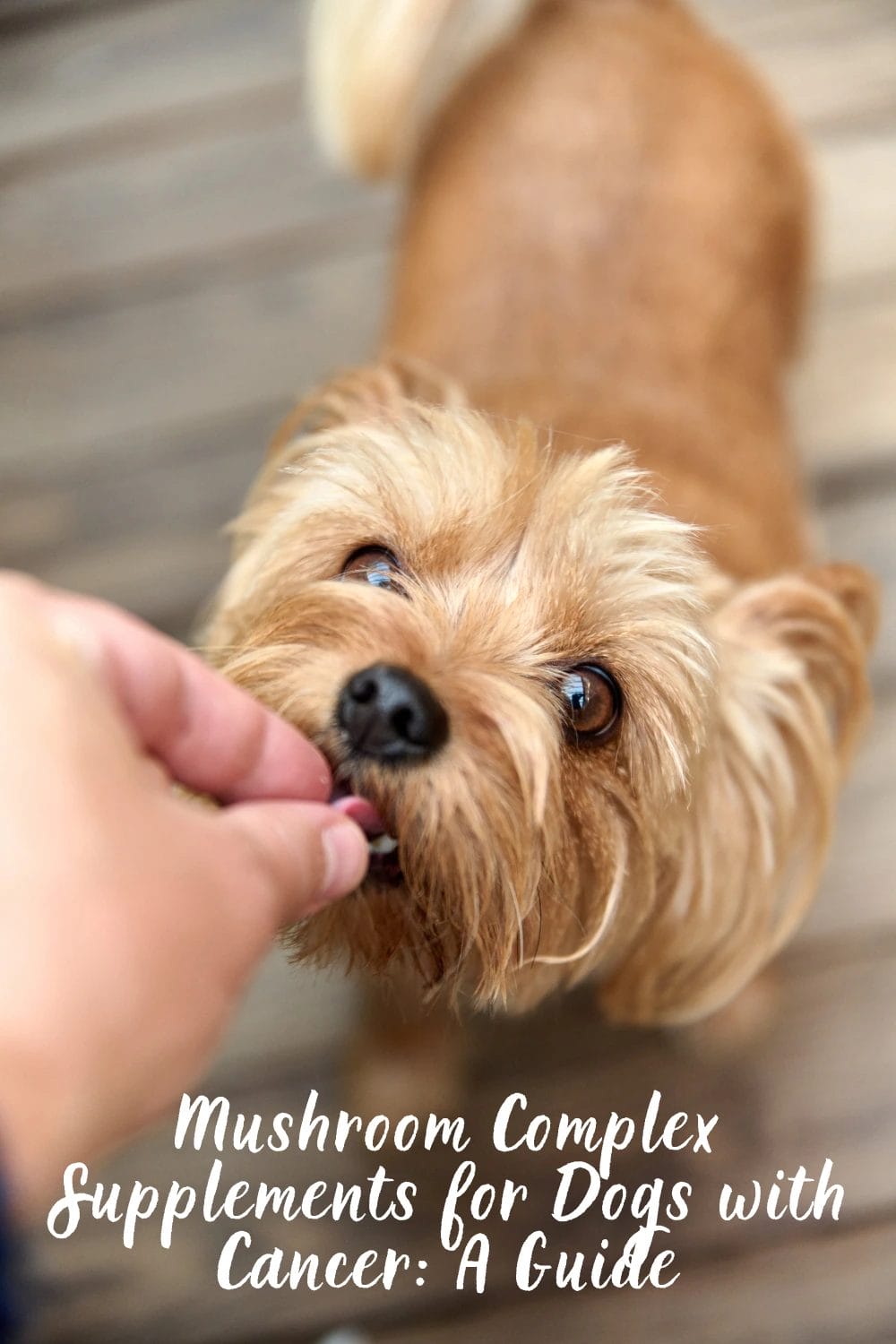
Understanding the Role of Medicinal Mushrooms in Canine Oncology
Cancer in dogs, much like in humans, involves cells that have “forgotten” how to die, leading to uncontrolled growth that drains the body’s resources.
The primary challenge in treating canine cancer is attacking the cancerous cells without completely exhausting the good ones. This is where the concept of “biological response modifiers” comes in.
Medicinal mushrooms do not necessarily “cure” cancer on their own. Instead, they act as instructors for the immune system.
They contain complex polysaccharides called beta-glucans. These molecules sit on the surface of immune cells and “wake them up”, helping your dog’s natural defenses recognize and target abnormal cells more effectively.
When you introduce a high-quality mushroom complex supplements into your dog’s routine, you are essentially giving their immune system a specialized toolkit to help manage the side effects of traditional treatments and improve overall quality of life.
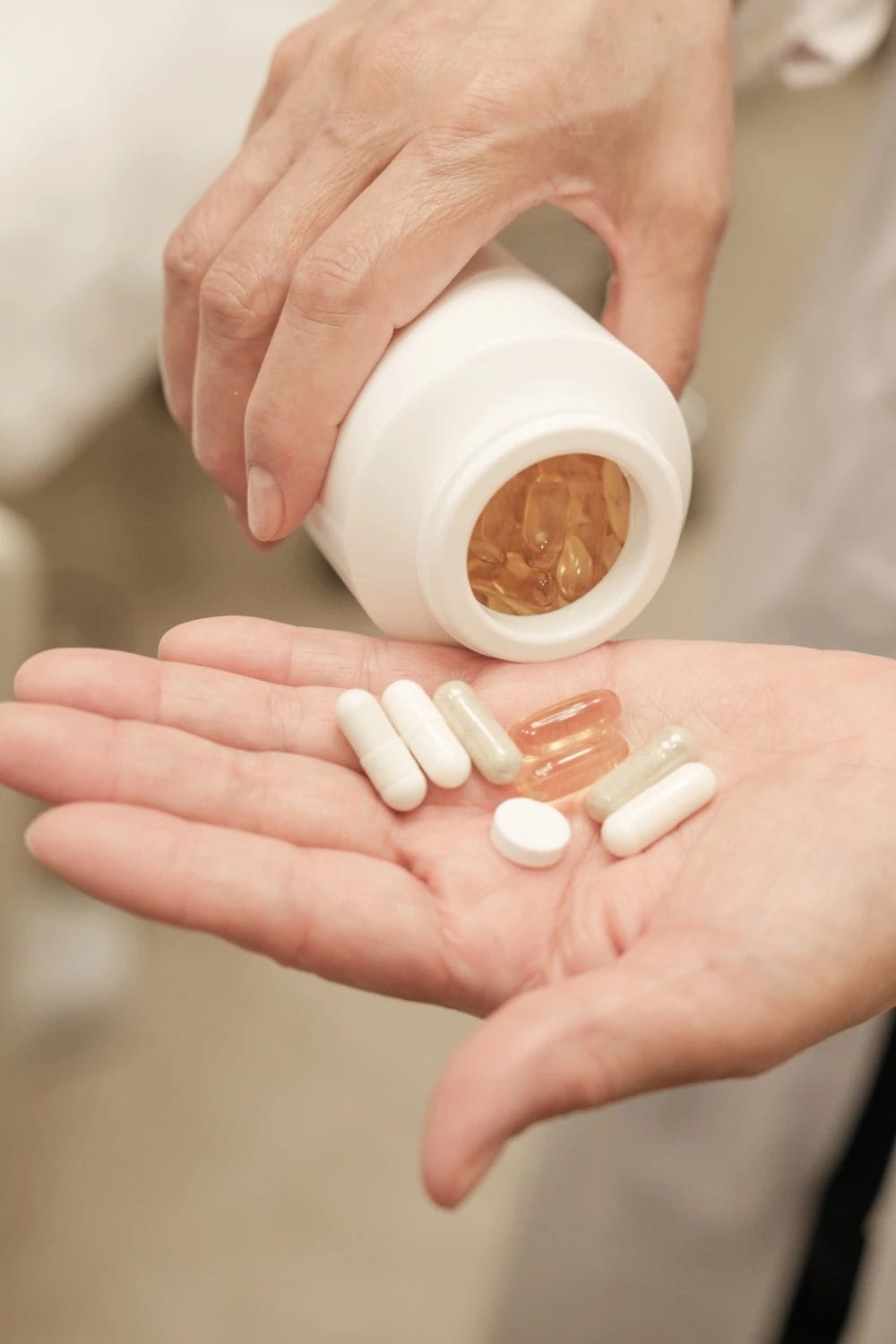
The “Big Five”: Key Fungi in a Mushroom Complex Supplements
Not all mushrooms are created equal. When researchers talk about the benefits of fungi for oncology, they usually focus on a specific group of heavy hitters. A truly effective mushroom complex supplement for dogs with cancer typically features a blend of these five varieties:
Turkey Tail (Trametes versicolor)
Turkey Tail is perhaps the most researched mushroom in the world regarding cancer. It contains a specific compound called Polysaccharide-K (PSK).
A famous study by the University of Pennsylvania showed that dogs with hemangiosarcoma (a common, aggressive blood vessel cancer) had significantly longer survival times when treated with Turkey Tail compounds compared to those who weren’t.
Reishi (Ganoderma lucidum)
Known as the “Mushroom of Immortality,” Reishi is primarily used for its calming properties and its ability to support the liver.
For a dog undergoing chemotherapy, the liver is under immense stress as it filters medications. Reishi helps protect these vital organs while modulating the immune response to prevent excessive inflammation.
Cordyceps (Cordyceps sinensis)
If your dog is feeling lethargic or weak, Cordyceps is the energy booster of the fungi world. It helps improve oxygen utilization and ATP production (the energy currency of cells).
In cancer care, this can help a dog maintain their appetite and stamina during recovery.
Shiitake and Maitake
These two work in tandem to support the gut and the heart. Maitake, specifically, contains the “D-fraction,” which has been shown in various studies to trigger apoptosis (programmed cell death) in certain types of cancer cells.

How Beta-Glucans Support the Canine Immune System
To understand why a mushroom complex supplements is so effective, we have to look at the microscopic level. The immune system has two main parts: the innate (immediate responders) and the adaptive (the specialized snipers).
Cancer often hides from the immune system by cloaking itself as normal tissue. Beta-glucans found in medicinal mushrooms bind to receptors on macrophages and Natural Killer (NK) cells. This binding “primes” these cells, making them much more aggressive in seeking out and destroying tumor cells.
By using these supplements, you are helping your dog’s body do what it was designed to do, but with a significantly higher level of efficiency. It is about creating an internal environment where cancer finds it much harder to thrive.
Navigating the Quality Gap: What Pet Parents Must Know
The supplement industry is unfortunately under-regulated, and not every bottle on the shelf is effective. When you are looking for a mushroom complex supplement for your dog, you must be a savvy shopper.
Mycelium vs. Fruiting Body
Many cheap supplements are made from “mycelium on grain.” This means the product is mostly the “roots” of the mushroom grown on rice or oats, resulting in a product that is high in starch and low in active compounds.
Always look for “100% Fruiting Body” on the label. The fruiting body is the actual cap and stem of the mushroom, which contains the highest concentration of beta-glucans.
Extraction Methods
Mushrooms are made of chitin, the same hard stuff that makes up crab shells. Dogs cannot digest chitin, so the beneficial compounds are locked inside.
A credible supplement must use “dual-extraction” (water and alcohol) to break down the chitin and make the beta-glucans bioavailable to your dog’s system.
Third-Party Testing
Because mushrooms can absorb heavy metals from the soil they grow in, ensure the brand you choose provides a Certificate of Analysis (COA). This proves the product is free from lead, arsenic, and pesticides.
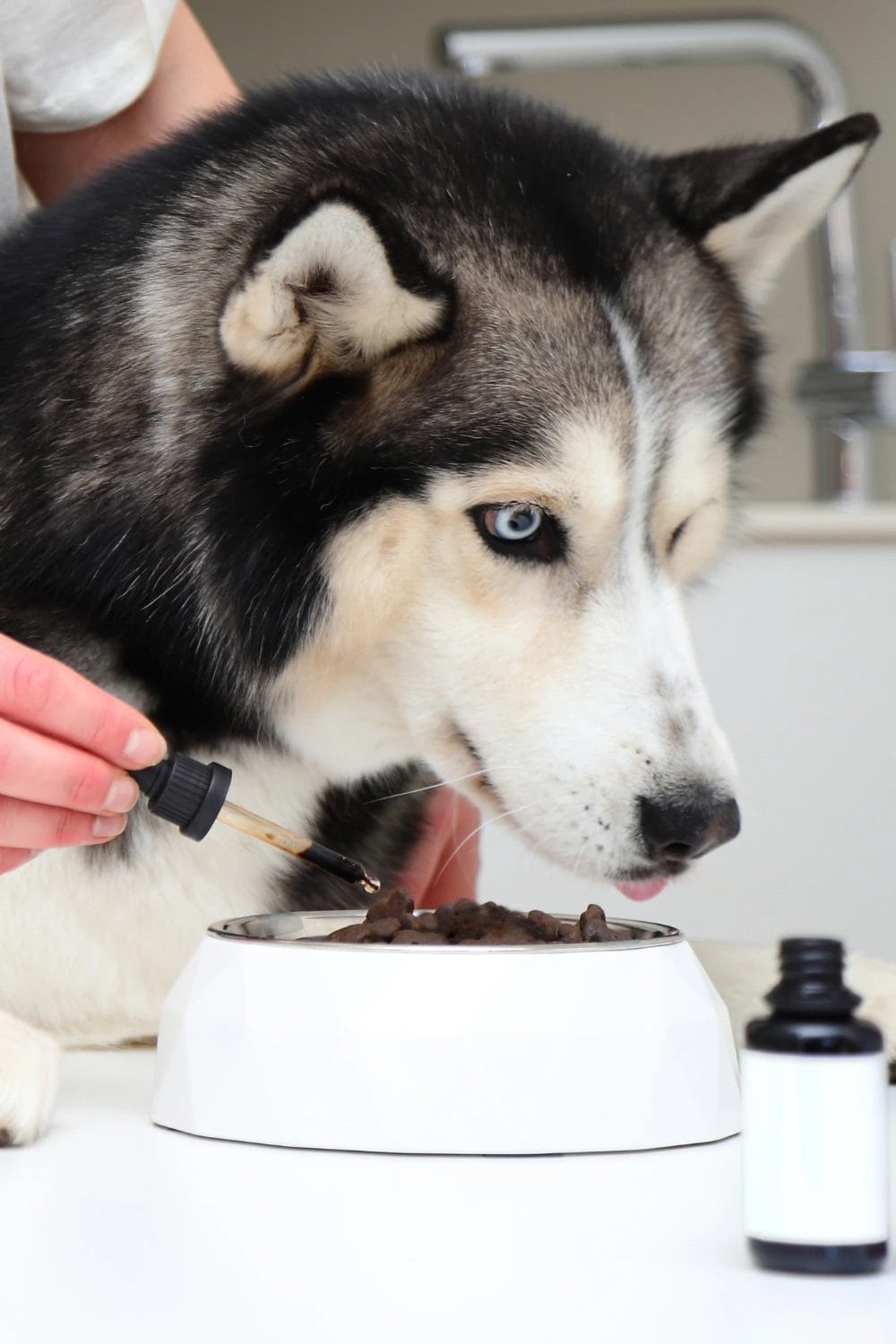
Integrating Supplements with Traditional Veterinary Care
It is important to remember that mushroom complex supplements should be part of an integrative approach.
You should never replace your vet’s prescribed treatment plan with supplements alone without a professional consultation.
- Timing with Chemo: Some mushrooms can actually make chemotherapy more effective by sensitizing cancer cells to the medication.
- Post-Surgery Recovery: The anti-inflammatory properties of Reishi and Cordyceps can help speed up the healing of incisions and reduce the stress of a hospital stay.
- Appetite Stimulation: Many pet parents report that their dogs seem to have a more consistent appetite when on a fungal regimen, likely due to the prebiotic effects on the gut microbiome.
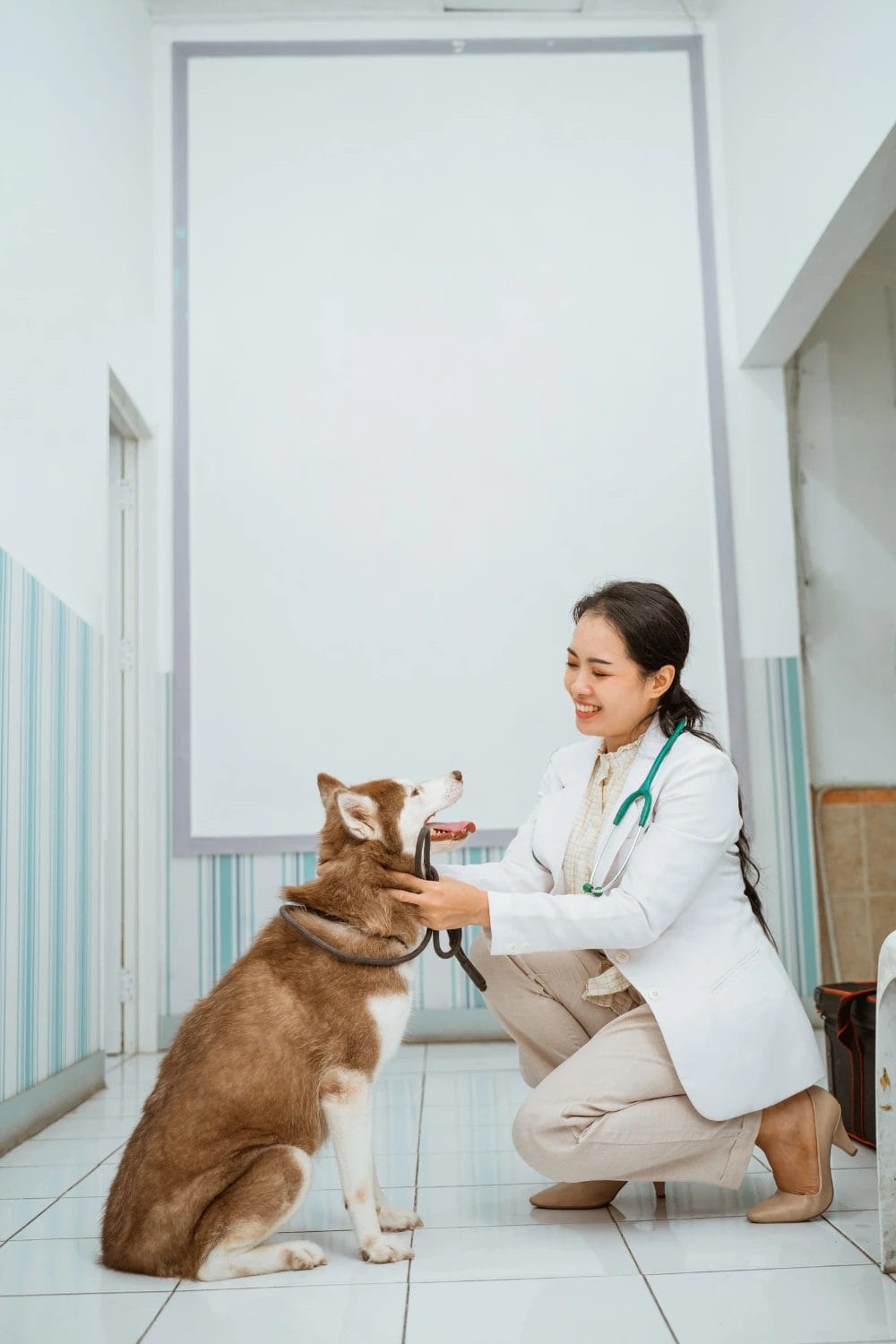
Actionable Steps for Starting Your Dog on Mushrooms
If you feel ready to try this natural path, start with these three steps:
- Consult a Holistic or Integrative Vet: They can help you determine the correct dosage based on your dog’s weight and the specific type of cancer they are fighting.
- Start Slow: Introduce the mushroom complex supplements gradually. Start with a quarter of the recommended dose to ensure your dog’s stomach settles well with the new addition.
- Monitor Your Dog: Keep a simple journal. Note their energy levels, their appetite, and their mood. This data is invaluable for your vet during follow-up appointments.
A Journey of Love and Resilience
At the end of the day, your dog doesn’t know they have a diagnosis. They only know how they feel in the moment.
Whether they are chasing a ball in the yard or napping at your feet, their quality of life is the true North Star of this journey.
Using a mushroom complex supplements is a way for us, as pet parents, to take a proactive stance. It is a way to say, “I am doing everything in my power to support you.”
While nature cannot give us guarantees, it can give us tools.
These medicinal fungi have supported life on Earth for millions of years, and bringing that ancient resilience into your dog’s bowl is a beautiful way to honor the bond you share. Stay hopeful, stay informed, and cherish every wagging tail.
Frequently Asked Questions
No. Most culinary mushrooms are safe, but they don’t have the concentrated medicinal compounds found in a professional supplement. Furthermore, some wild mushrooms are highly toxic to dogs. Stick to lab-tested, canine-specific products.
Most dogs tolerate them very well. The most common side effect is mild digestive upset (gas or soft stools) if introduced too quickly. Always start with a small amount.
Immune modulation is a slow process. While some owners notice energy improvements in a week, the deep cellular benefits usually take 3 to 4 weeks of consistent use.
Absolutely. Many pet parents use a mushroom complex supplements as a preventative measure to support aging immune systems and overall longevity.
Generally, they are safe, but because they can thin the blood slightly or lower blood sugar, you must check with your vet if your dog is on blood thinners or insulin.

- Mushroom Complex Supplements for Dogs with Cancer: A Guide - March 25, 2026
- 15 Meaningful Dog Memorial Tattoo Ideas & Costs - March 20, 2026
- Best Horse Hoof Supplement Reviews for Beginners (2026) - March 19, 2026
GIPHY App Key not set. Please check settings