

 Lauryn Dell
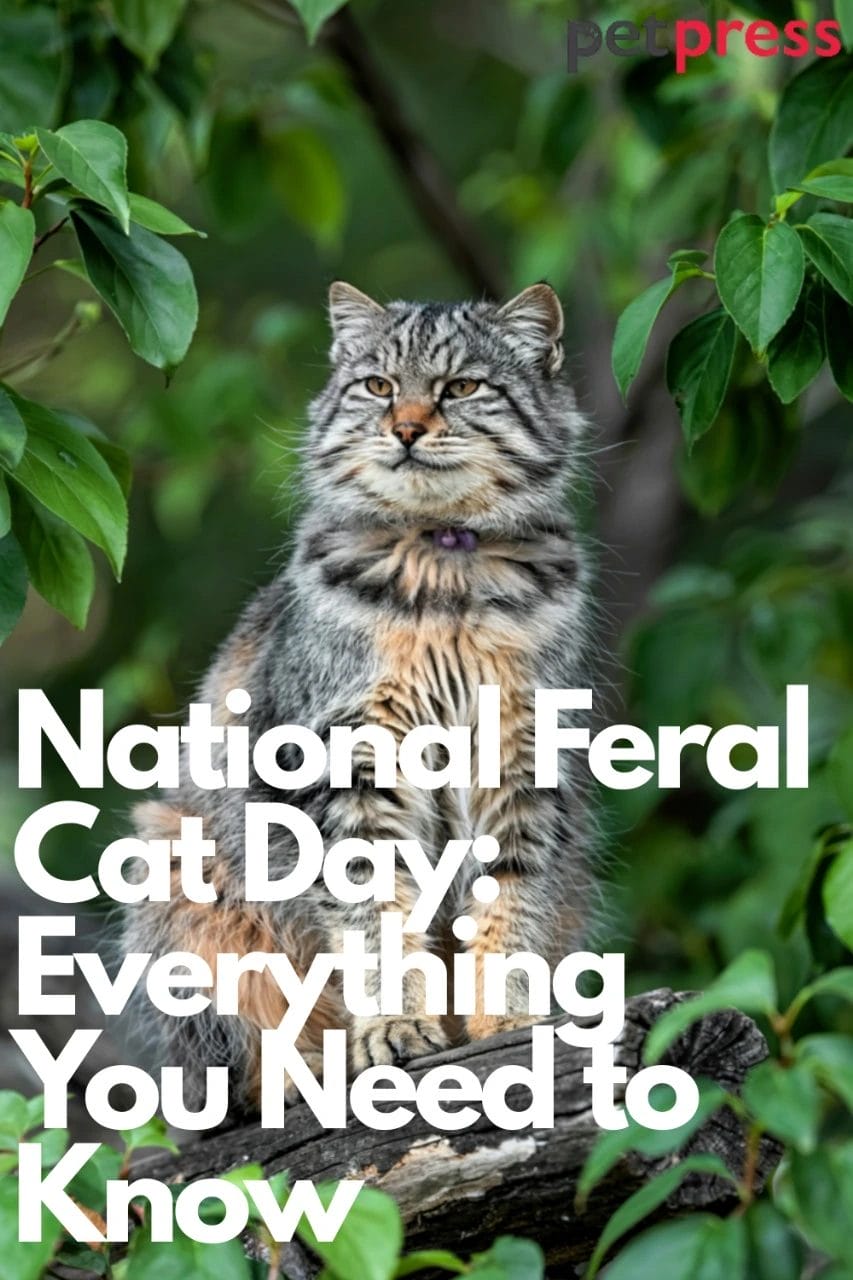
Every year, animal advocates and cat lovers across the United States come together to observe National Feral Cat Day.
National Feral Cat Day raises awareness, promotes humane population control, and encourages community support for these often-misunderstood animals whose welfare people frequently overlook.
This blog explores the day’s significance, the challenges feral cats face, and practical ways you can make a meaningful difference.
What is National Feral Cat Day?
National Feral Cat Day is observed annually on October 16th and was established by the American Society for the Prevention of Cruelty to Animals (ASPCA) in 2001.
The primary goal of this day is to shine a light on the millions of feral cats living in communities across the country and to promote Trap-Neuter-Return (TNR) programs as a humane solution for population control.
Unlike pet cats, feral cats avoid human contact and live independently in colonies. While they may be wary of direct contact with people, feral cats play a critical role in urban and rural ecosystems.
However, without proper care, these populations can grow rapidly, creating health and safety concerns for both cats and communities.
National Feral Cat Day encourages education, outreach, and proactive engagement to address these challenges humanely.
The Importance of Feral Cat Awareness
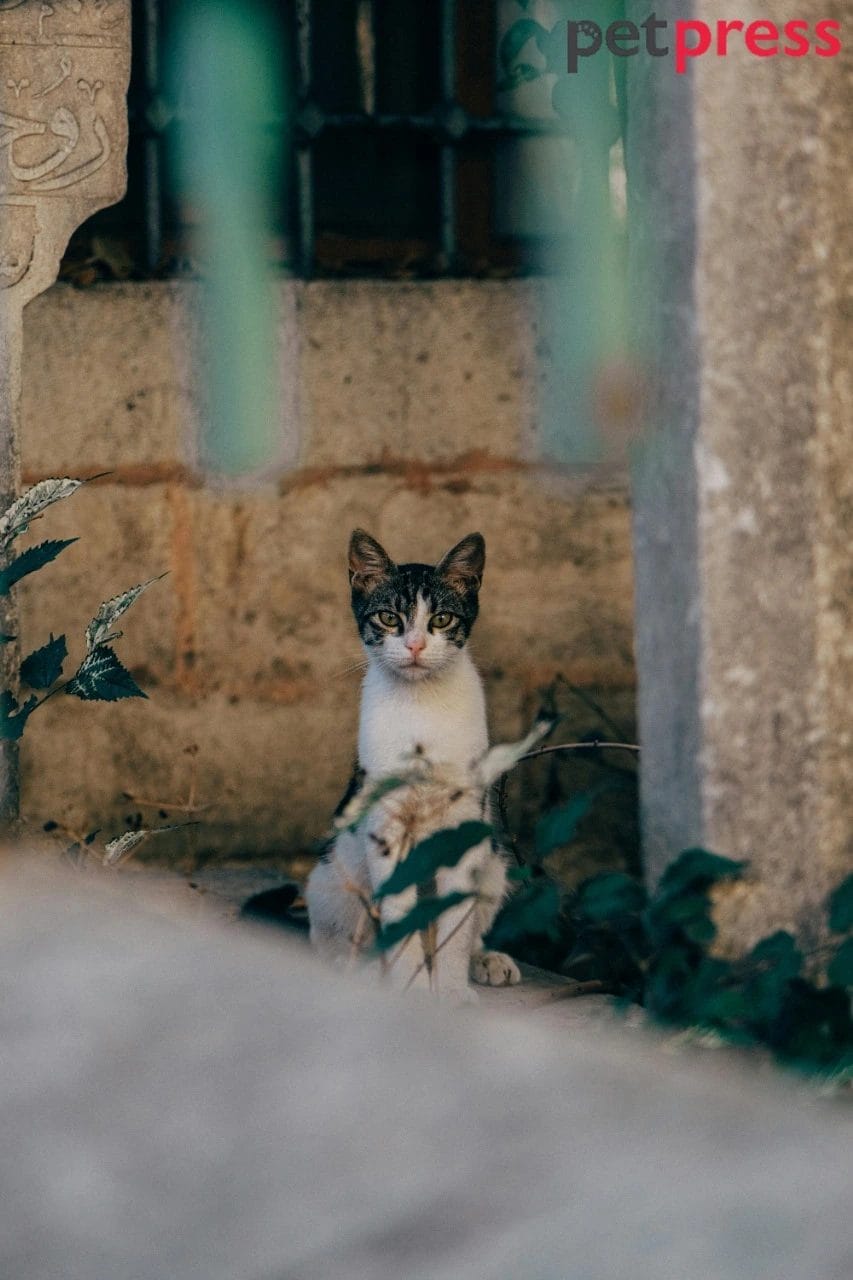
Feral cats face numerous challenges throughout their lives, including:
- Health Risks: Feral cats often lack regular veterinary care, making them susceptible to diseases such as feline leukemia, upper respiratory infections, and parasites.
- Food Scarcity: Many feral cats struggle to find consistent sources of food, especially during harsh weather conditions.
- Human Conflict: Communities sometimes view feral cats as pests, leading to neglect or harmful attempts to remove them.
- Population Growth: Without intervention, feral cat colonies can grow exponentially, creating strain on local ecosystems and community resources.
Raising awareness about these issues is crucial for promoting humane solutions rather than punitive measures.
National Feral Cat Day encourages communities to approach feral cat populations with empathy, education, and practical action.
Humane Solutions: Trap-Neuter-Return (TNR)
One of the most effective strategies for managing feral cat populations is Trap-Neuter-Return (TNR). This process involves:
- Trapping: Feral cats are safely trapped using humane traps to avoid injury or stress.
- Neutering/Spaying: The cats are then taken to a veterinary clinic to be spayed or neutered, preventing further reproduction.
- Vaccination and Health Care: Cats are often vaccinated and treated for any medical issues during this process.
- Return to Colony: Once recovered, caregivers return and monitor the cats in their original location, providing food and shelter.
TNR programs reduce feral cat populations over time while improving the animals’ overall health and quality of life.
Communities that implement TNR programs often report fewer stray kittens, healthier adult cats, and decreased complaints from residents.
How Communities Can Support Feral Cats
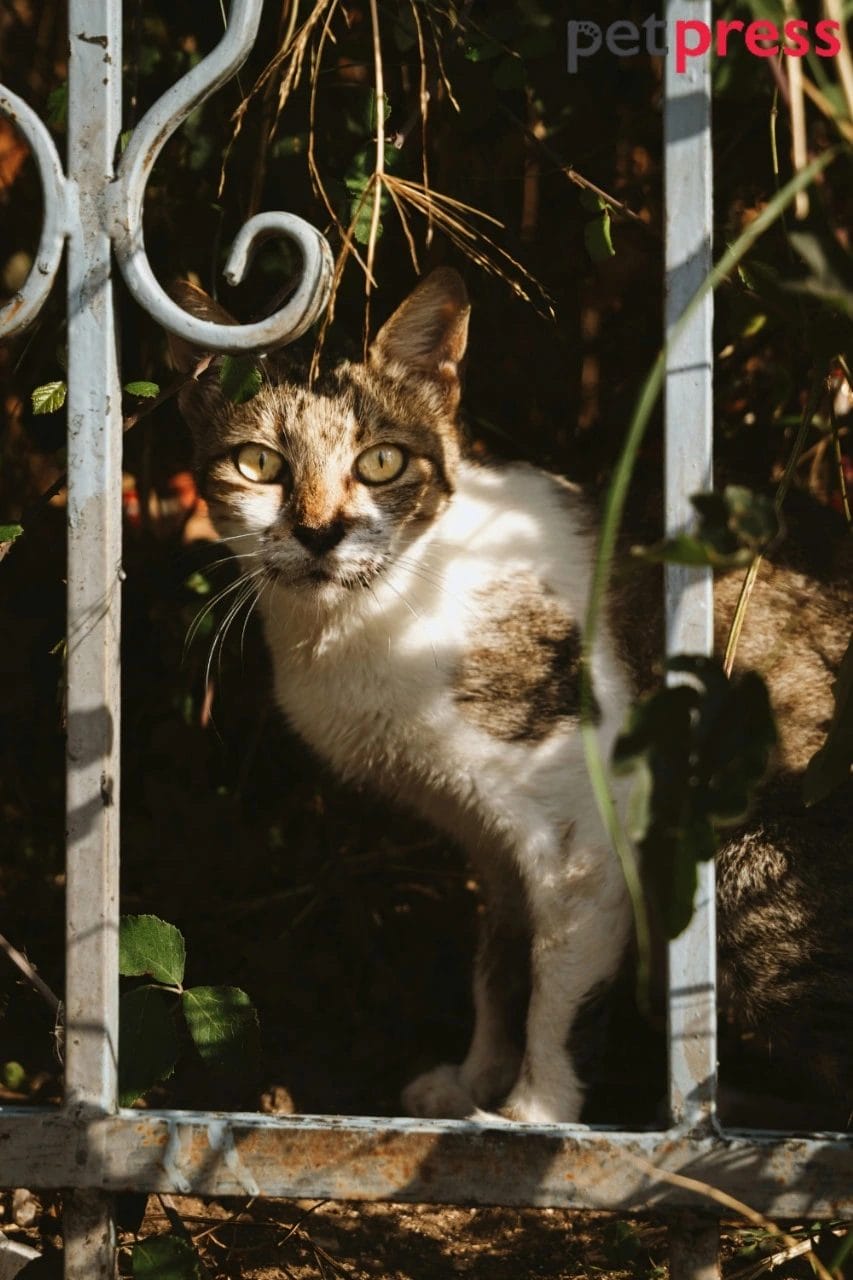
National Feral Cat Day is not just about awareness—it’s a call to action for communities to take tangible steps to support feral cats. Here are several ways communities can get involved:
- Volunteer with Local Animal Shelters or TNR Programs: Many animal organizations rely on volunteers to help trap, transport, and care for feral cats.
- Provide Food and Shelter: Setting up safe feeding stations and weatherproof shelters can help feral cats survive extreme temperatures and scarcity.
- Educate Neighbors: Informing community members about TNR programs and the benefits of humane cat management can reduce conflict and promote compassion.
- Fundraise for Feral Cat Initiatives: Donations can support spaying/neutering, vaccination, and veterinary care for feral cats.
- Participate in National Feral Cat Day Events: Animal organizations often host educational events, workshops, and awareness campaigns to engage the public.
Supporting feral cats is not only a compassionate choice—it also contributes to healthier communities by reducing the spread of disease, controlling overpopulation, and fostering responsible coexistence with animals.
The Role of Animal Welfare Organizations
Animal welfare organizations play a vital role in ensuring the well-being of feral cats.
Organizations like the ASPCA, Alley Cat Allies, and local humane societies provide education, resources, and direct services to support feral cat populations.
00Their work often includes:
- Community Outreach: Providing residents with information about TNR programs and feral cat care.
- Medical Support: Vaccination, spaying, neutering, and treatment for injured or sick cats.
- Policy Advocacy: Promoting humane laws and ordinances that protect feral cats from inhumane practices.
- Research: Studying feral cat populations to develop effective and compassionate management strategies.
By collaborating with these organizations, individuals maximize their impact and ensure feral cats receive the respect and care they deserve.

The Impact of National Feral Cat Day
Since its inception, National Feral Cat Day has had a significant impact on communities and animal welfare efforts. Some key outcomes include:
- Increased Awareness: More people are now aware of the challenges faced by feral cats and the availability of humane solutions.
- Expansion of TNR Programs: Many cities and neighborhoods have implemented organized TNR programs, reducing overpopulation and improving community relations.
- Improved Cat Health: Vaccination, spaying, and neutering efforts have led to healthier feral cat populations with fewer kittens born into precarious conditions.
- Stronger Community Involvement: Volunteers and advocates are more engaged in fostering empathy and responsible animal care.
National Feral Cat Day continues to inspire change, reminding us that communities thrive when we combine compassion and action.
Conclusion
National Feral Cat Day is more than a symbolic observance—it is a call to action.
It challenges communities to recognize the value of feral cats, address overpopulation humanely, and support initiatives that promote their well-being.
Through education, TNR programs, and community involvement, we can reduce suffering, improve public health, and foster coexistence between humans and cats.
By participating in National Feral Cat Day, individuals and communities contribute to a culture of empathy, responsibility, and proactive animal welfare.
Every action, no matter how small, can create a lasting impact for feral cats and the neighborhoods they inhabit.
FAQs About National Feral Cat Day
It raises awareness about the challenges faced by feral cats, promotes humane solutions like TNR, and encourages community support for these often-overlooked animals.
You can volunteer with local shelters, support TNR programs, provide food and shelter, educate neighbors, or donate to organizations focused on feral cat welfare.
TNR is a humane method to control feral cat populations by trapping cats, spaying or neutering them, vaccinating them, and returning them to their original location.
Feral cats are generally wary of humans and avoid contact. While they may scratch or bite if threatened, they are not inherently dangerous and can coexist safely with humans when managed responsibly.
Feral cats are typically unsocialized and live independently, while stray cats are more likely former pets who seek human interaction.

- Mushroom Complex Supplements for Dogs with Cancer: A Guide - March 25, 2026
- 15 Meaningful Dog Memorial Tattoo Ideas & Costs - March 20, 2026
- Best Horse Hoof Supplement Reviews for Beginners (2026) - March 19, 2026
GIPHY App Key not set. Please check settings