

 Lauryn Dell
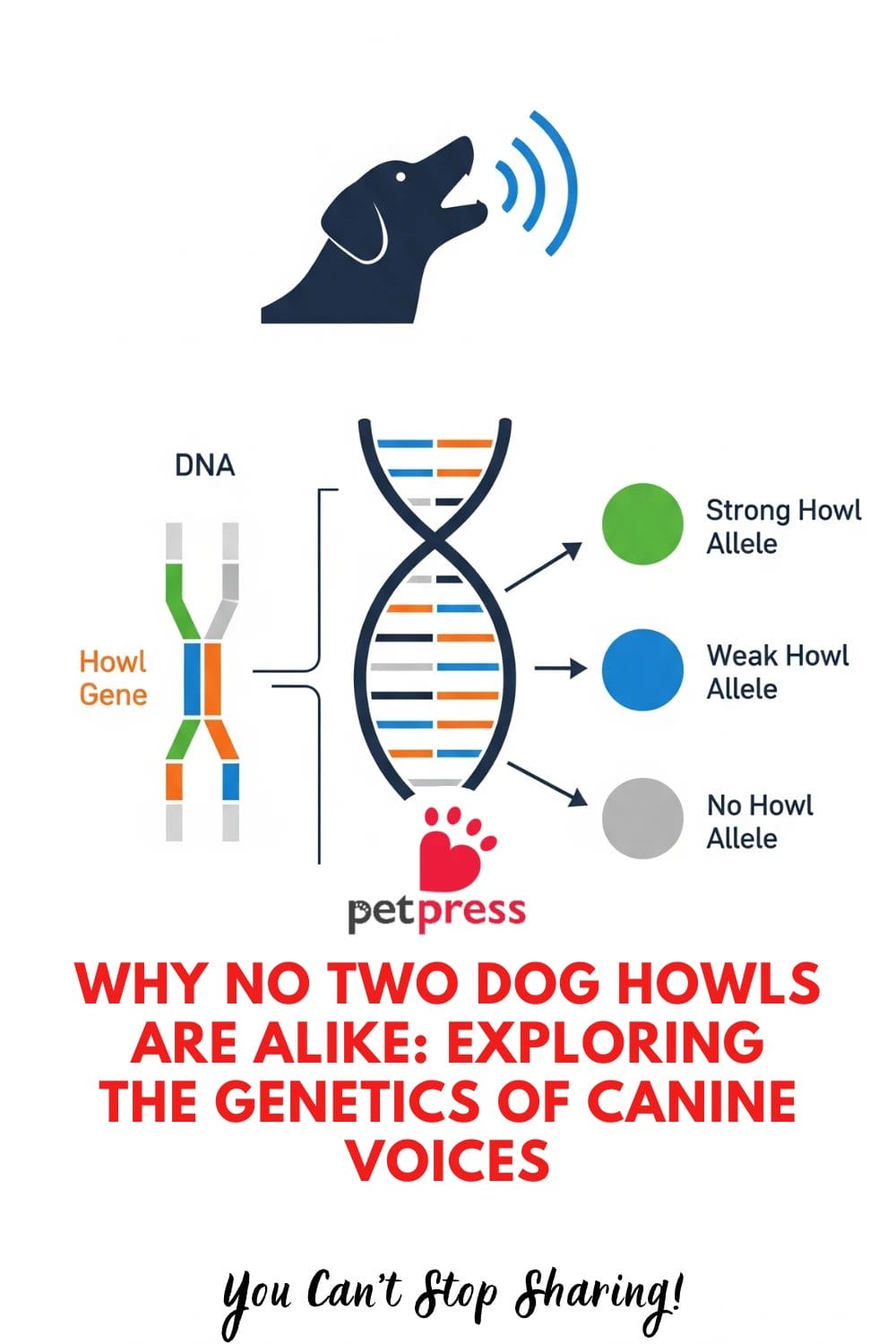
Why No Two Dog Howls Are Alike, have you ever thought about it? From the haunting chorus of wolves under a full moon to the familiar sound of a pet dog howling when left alone, vocal expressions have always been a defining feature of canines.
But have you ever noticed that no two dogs howl in exactly the same way? Some produce deep, resonant calls, while others let out high-pitched, wavering tones. This diversity is not coincidental; it’s rooted in genetics, anatomy, and evolutionary history.
In this blog, we will explore why No Two Dog Howls Are Alike, what role genetics plays, and how these differences impact communication, bonding, and even health.
The Biology of a Dog’s Voice
At the core of every howl is the larynx, commonly referred to as the voice box. Like humans, dogs have vocal folds that vibrate when air passes through them, creating sound. Several factors shape the resulting tone:
- Laryngeal Size and Shape – Larger dogs with bigger larynxes often produce deeper howls, while smaller breeds emit higher-pitched ones.
- Muscle Control – Subtle differences in how dogs control their vocal folds can affect pitch and resonance.
- Resonating Chambers – The shape of the nasal cavity, throat, and even the skull influences how sound travels and echoes.
These biological aspects are highly individualized, creating a vocal “fingerprint” for each dog.

Genetics: The Blueprint of Canine Voices
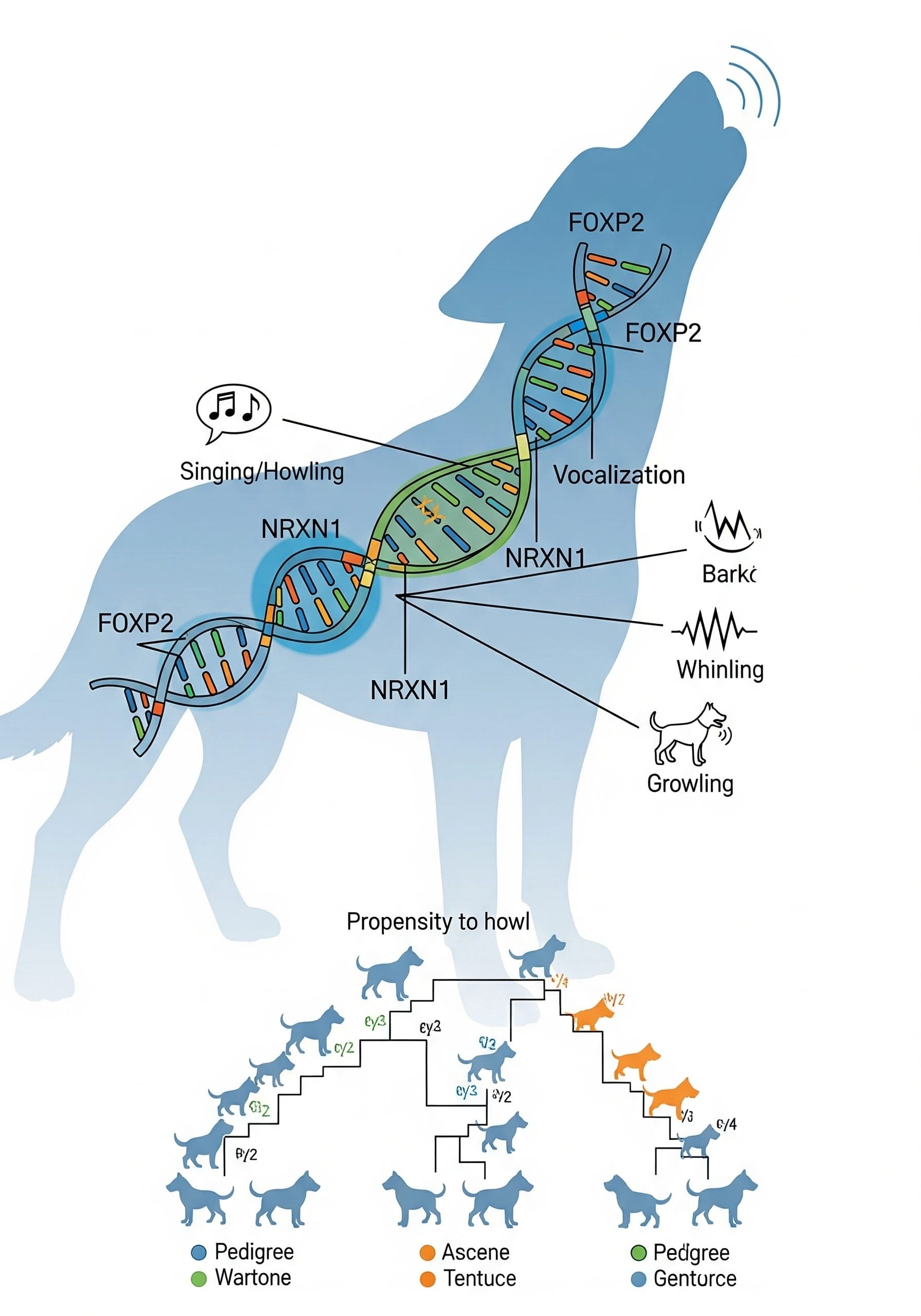
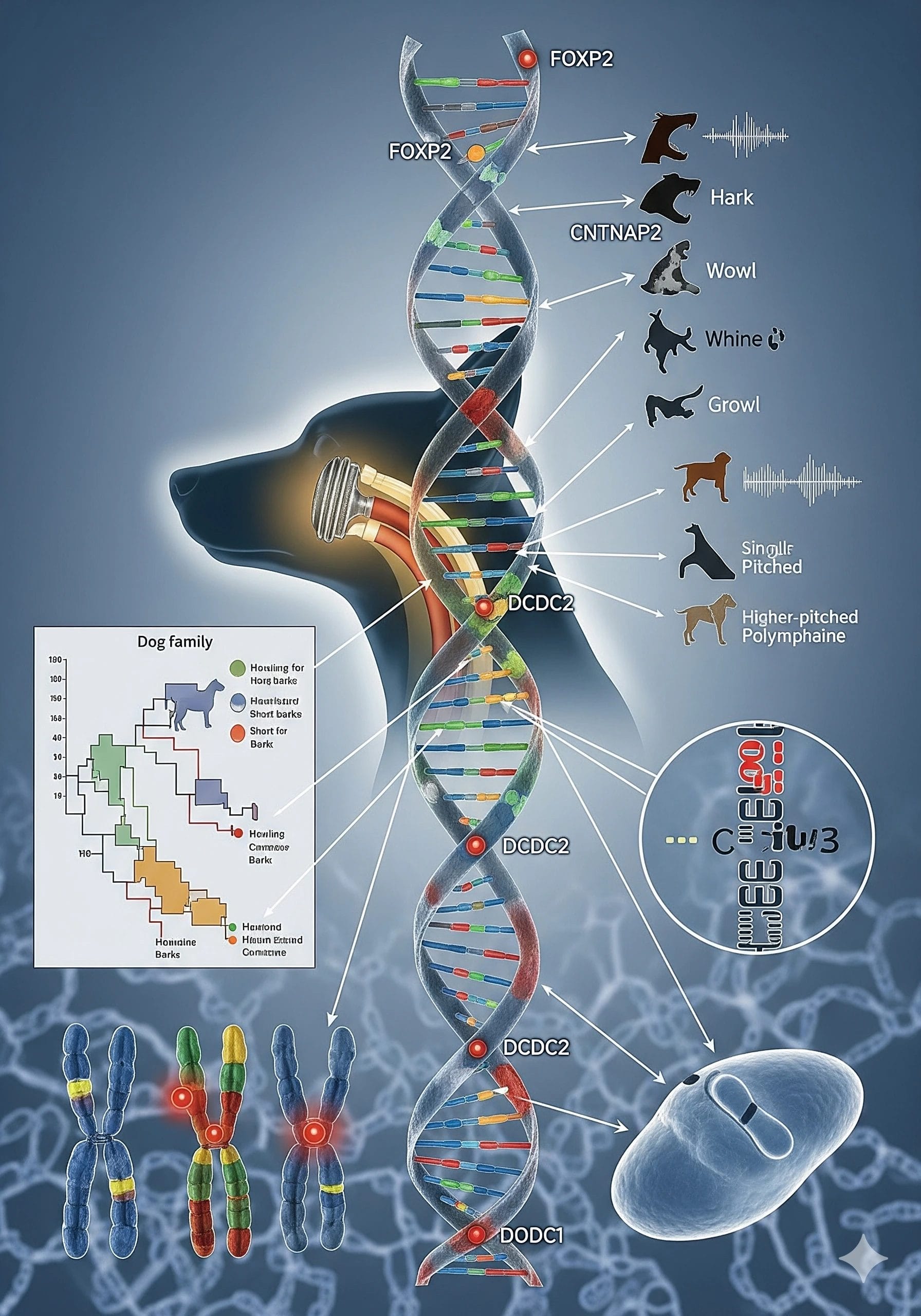
The uniqueness of a dog’s howl isn’t just about anatomy; it’s also written in their DNA. Genetics control the development of the larynx, vocal folds, and musculature, setting the foundation for how a dog can produce sound.
Heritable Traits Affecting Voice
- Breed-Specific Traits: Huskies are known for their long, melodious howls, while Beagles produce shorter, more bark-like howls. This is because selective breeding has emphasized certain vocal patterns.
- Pitch and Range: Genes dictate the length and thickness of vocal folds, which in turn determine how high or low a howl can go.
- Voice Stability: Some dogs inherit more stable vocal control, while others may have a natural vibrato or wobble.
Genetic Variation Between Individuals
Even within the same breed, no two dogs share identical genetic expression. This variation explains why two Labradors can sound completely different when they howl. Epigenetics—how environment and life experiences affect gene expression—also plays a role, further diversifying canine voices.
Evolutionary Purpose of Howling
To understand why uniqueness matters, we need to look at the evolutionary purpose of howling. Wolves, the ancestors of domestic dogs, used howls for communication across long distances. Each howl served as an auditory signature, signaling identity, territory, and emotional state.
- Pack Coordination: Distinctive howls helped wolves locate one another across forests or mountains.
- Territorial Defense: Unique howls warned rival packs of an individual’s presence.
- Bonding and Social Cues: Vocal individuality strengthened pack cohesion, allowing members to recognize each other.
Dogs inherited this evolutionary trait, though its purpose has shifted in domestic life. Today, a dog’s howl may reflect loneliness, excitement, or a response to environmental triggers like sirens.
Environmental Influences on the Canine Voice
While genetics provides the blueprint, environment shapes the final product. Dogs that grow up in noisy households may learn to project louder howls, while those in quieter environments might develop softer tones.
Factors that influence vocal expression include:
- Early Socialization: Puppies exposed to a variety of sounds may develop a wider vocal range.
- Health and Wellness: Conditions like laryngeal paralysis, respiratory issues, or age-related changes can alter a dog’s howl over time.
- Imitation and Learning: Some dogs mimic sounds around them, adding a learned element to their unique voice.
Why No Two Dog Howls Are Alike
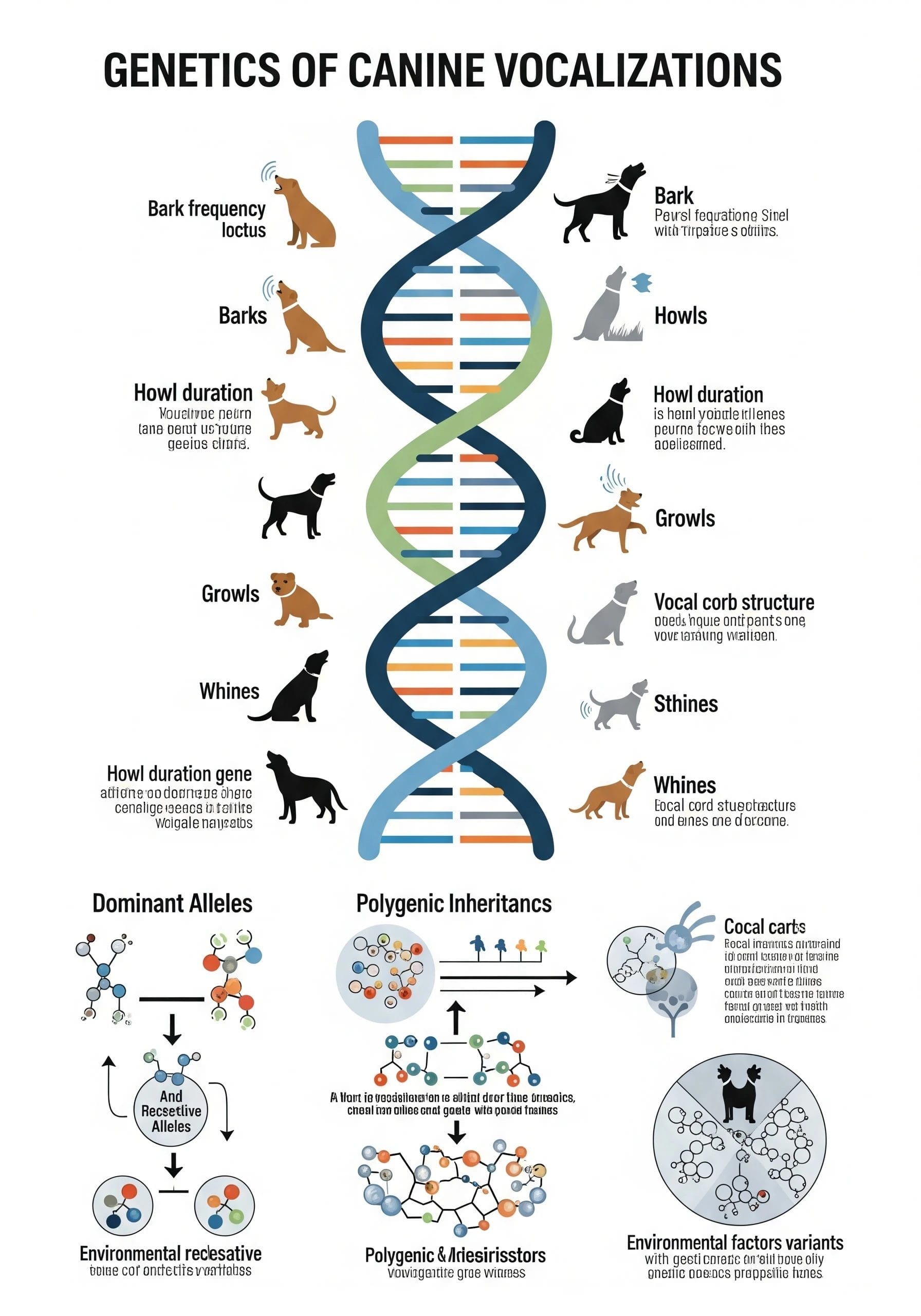
When we combine all these elements—genetics, anatomy, environment, and learning—it becomes clear why no two dog howls are identical. Each dog has:
- A genetic foundation that determines vocal structure.
- A unique anatomy influenced by growth and development.
- Environmental experiences that shape sound production.
- Learned behaviors that add individuality to howls.
In many ways, a dog’s howl is as distinctive as a human fingerprint or voiceprint.
The Role of Howls in Human-Dog Relationships
For pet owners, understanding the uniqueness of their dog’s howl can strengthen the bond they share. Recognizing the nuances in a dog’s vocalization helps owners interpret needs, moods, and emotions. For instance:
- A drawn-out, mournful howl may indicate separation anxiety.
- A sharp, high-pitched howl could reflect excitement or alertness.
- A softer, almost “singing” howl may be a sign of comfort or play.
By paying attention to vocal individuality, owners can respond more empathetically to their pets.
Modern Science and Voice Identification in Dogs
Interestingly, researchers are now exploring canine voice recognition technologies. Just as humans can be identified by voiceprints, dogs may one day be identified by their unique howls or barks. This has potential applications in:
- Tracking Lost Dogs: Using vocal recognition to match a lost dog’s howl with a database.
- Behavioral Studies: Understanding emotional states through vocal analysis.
- Veterinary Diagnostics: Detecting early signs of vocal or respiratory issues by monitoring voice changes.
The uniqueness of canine voices may soon play a role in advancing pet care and animal welfare.
Conclusion: Why No Two Dog Howls Are Alike
The mystery behind why No Two Dog Howls Are Alike lies in the interplay between genetics, anatomy, environment, and learning. From the DNA that shapes vocal folds to the lived experiences that mould expression, each howl is a one-of-a-kind signature of a dog’s identity.
Far from being random noise, a dog’s howl is a complex, genetically influenced form of communication that continues to evolve alongside human-dog relationships.
Next time your dog howls, remember: you’re listening to a voice as unique as their personality.
FAQs
Yes, genetics plays a significant role in determining pitch, range, and vocal fold structure. However, environment and learning also influence the final style.
Certain breeds are genetically predisposed to howl more often due to their ancestry. Huskies, Beagles, and Bloodhounds, for example, are more vocal.
Yes, age, health conditions, and environmental factors can alter the pitch, strength, or frequency of a dog’s howl.
Studies suggest that dogs, like wolves, can distinguish individuals by vocalizations. Each howl carries unique markers of identity.
While you can’t change the genetic foundation of their voice, you can train dogs to reduce howling through positive reinforcement, addressing triggers, and ensuring adequate exercise and stimulation.

- Mushroom Complex Supplements for Dogs with Cancer: A Guide - March 25, 2026
- 15 Meaningful Dog Memorial Tattoo Ideas & Costs - March 20, 2026
- Best Horse Hoof Supplement Reviews for Beginners (2026) - March 19, 2026
GIPHY App Key not set. Please check settings