

 Lauryn Dell
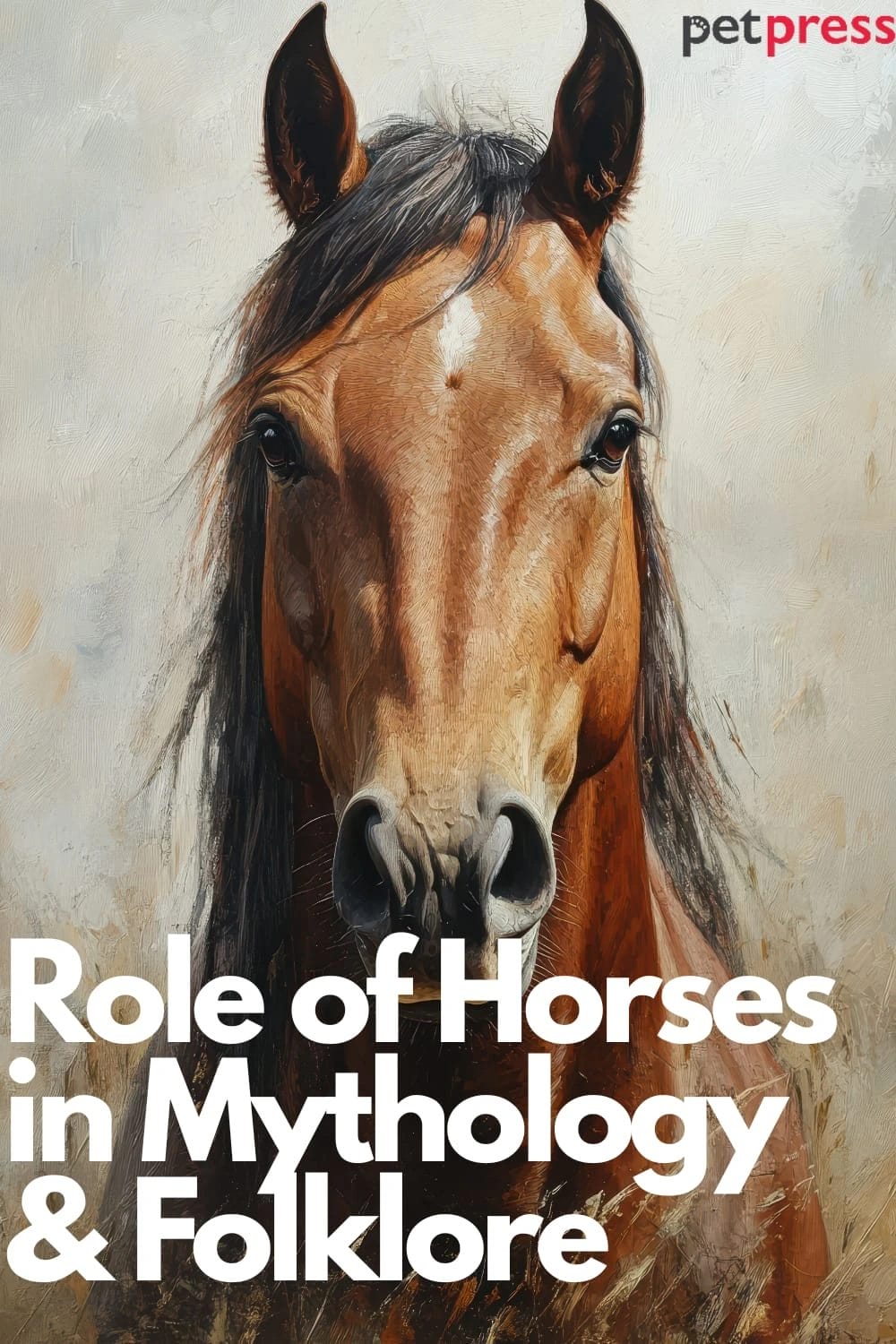
The Role of Horses in Mythology has been humanity’s companions for thousands of years, but their role goes far beyond transportation, agriculture, or warfare.
Across cultures and civilizations, horses have occupied a sacred place in mythology, folklore, and spiritual traditions. Their grace, power, and endurance elevated them to symbols of strength, freedom, and divine will.
Whether pulling the chariots of gods, guiding souls to the afterlife, or embodying freedom itself, horses appear in countless myths and legends.
This blog explores the role of horses in mythology and folklore around the world, shedding light on how different societies interpreted this majestic animal’s significance.
Horses in Greek Mythology: Divine and Fearsome Beasts
Greek mythology features some of the most iconic horse figures in history. Perhaps the most famous is Pegasus, the winged horse born from the blood of the slain Gorgon Medusa.
Pegasus became a symbol of poetic inspiration and divine favor, eventually serving Zeus by carrying his thunderbolts.
Another striking figure is the horses of Helios, the sun god, who drove his fiery chariot across the sky each day. These horses represented not only speed and endurance but also the eternal cycles of life.
The Greeks also feared horses in darker forms, such as the mares of Diomedes, flesh-eating beasts that Hercules had to tame during his labors.
Horses in Greek mythology thus embodied both nobility and terror, reflecting the duality of human experience.
Norse Mythology: Horses as Otherworldly Guides
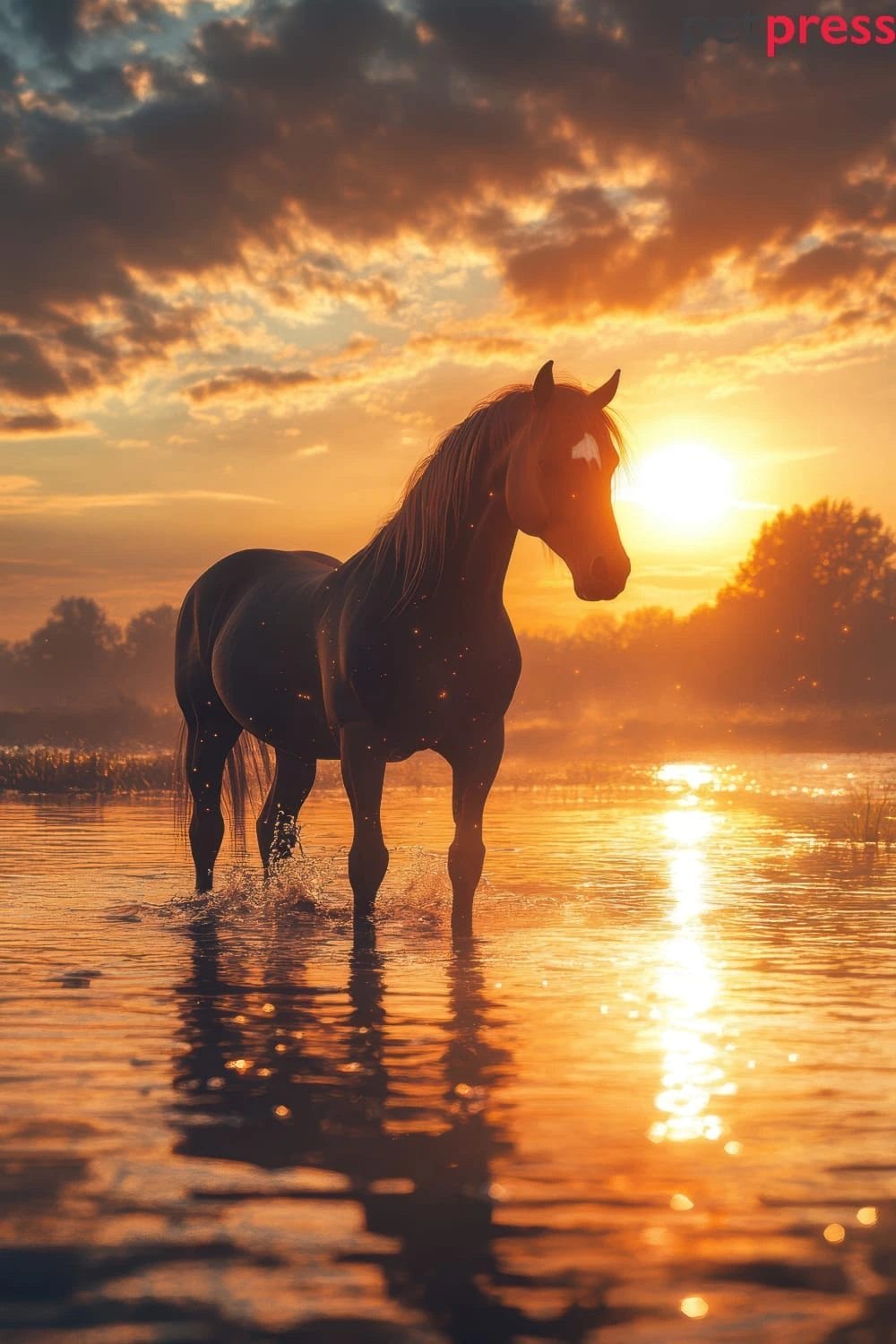
In Norse mythology, horses were deeply connected to gods, warriors, and the journey between worlds. The most famous mythological horse is Sleipnir, Odin’s eight-legged steed.
Sleipnir could travel across realms, heaven, earth, and the underworld—making him a bridge between life and death. His presence symbolized transcendence and divine authority.
Other Norse tales speak of horses accompanying warriors to Valhalla or pulling the chariots of gods such as Freyja and Thor.
Horses in Norse myth were not ordinary animals; they were magical companions, capable of guiding souls or influencing the fates of men.
Hindu Mythology: Horses as Sacred Beings
In Hindu mythology, horses are associated with both divine creation and cosmic balance. The Ashvins, twin horsemen gods, are revered as healers and rescuers, embodying swiftness and vitality.
They are often depicted as riding golden chariots, bringing light and hope to humanity.
Another significant figure is Uchchaihshravas, the seven-headed horse born during the cosmic event known as the Churning of the Ocean.
This divine horse became the king of all horses, representing majesty and divine blessing.
In Vedic rituals, horses also played a central role, particularly in the Ashvamedha (horse sacrifice), a grand royal ritual symbolizing sovereignty and divine favor.
For ancient Hindus, the horse was not merely an animal but a cosmic force interwoven with the destiny of rulers and the universe.
Celtic and Irish Mythology: Horses as Guardians of the Otherworld
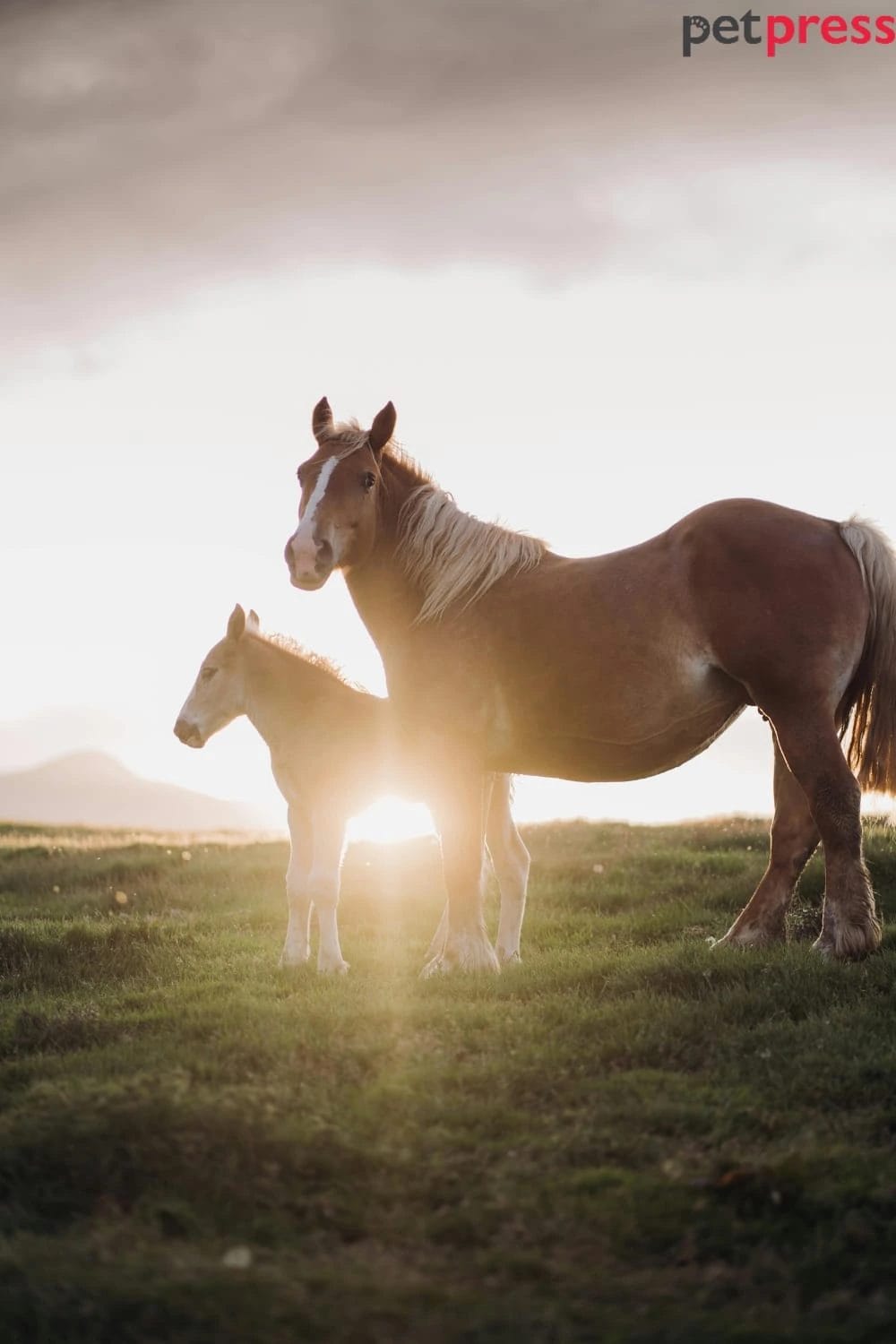
In Celtic and Irish traditions, horses were deeply connected to the Otherworld and supernatural forces. The goddess Epona, worshipped by the Celts, was the protector of horses, fertility, and travel. She was often depicted riding a horse, symbolizing freedom, abundance, and safe passage.
Irish folklore also tells of kelpies, shape-shifting water horses that lured people into lakes or rivers. While dangerous, these creatures reflected the untamed and mysterious power of nature.
Horses also appear in the tales of legendary heroes like Cú Chulainn, whose steeds, Liath Macha and Dub Sainglend, were said to be semi-divine and capable of incredible feats. To the Celts, horses embodied both vitality and a link to mystical realms.
Horses in Native American Folklore: Symbols of Freedom and Power
Horses were not native to the Americas but were introduced by Europeans in the 16th century. Despite this, they quickly became central to many Native American tribes, reshaping culture, mobility, and spirituality.
In Native American folklore, horses often symbolize freedom, endurance, and spiritual power. Tribes like the Lakota and the Comanche viewed horses as sacred gifts, connecting humans with the earth and sky.
Dream visions often featured horses, each color representing different spiritual meanings—white for purity, black for victory, and red for war.
The horse became so integral to Native life that it transcended its role as an animal, becoming a cultural icon of independence and resilience.
Horses in Chinese Mythology and Folklore
In Chinese tradition, horses symbolize speed, perseverance, and success. The legendary Longma, or dragon horse, is said to combine the strength of a horse with the wisdom of a dragon. This hybrid creature symbolized cosmic harmony and divine authority.
During the Tang Dynasty, the “Heavenly Horses” of Ferghana were celebrated for their unmatched strength and endurance. These horses were believed to sweat blood, a sign of their divine origin.
Horses also feature in the Chinese zodiac, where the Year of the Horse represents freedom, ambition, and vitality. To the Chinese, horses were not only vital to military and economic power but also to spiritual balance.
Horses in Middle Eastern and Islamic Traditions
In Islamic tradition, horses are symbols of loyalty, strength, and divine purpose. The Prophet Muhammad’s horse, Buraq, is one of the most significant mythological steeds.
Described as a white, winged horse-like creature, Buraq carried the Prophet on his Night Journey from Mecca to Jerusalem and through the heavens.
Arabian folklore also reveres horses as noble beings, essential to Bedouin culture and warfare. The Arabian horse, often celebrated in poetry, became synonymous with beauty, loyalty, and endurance.
Horses as Psychopomps: Guides to the Afterlife
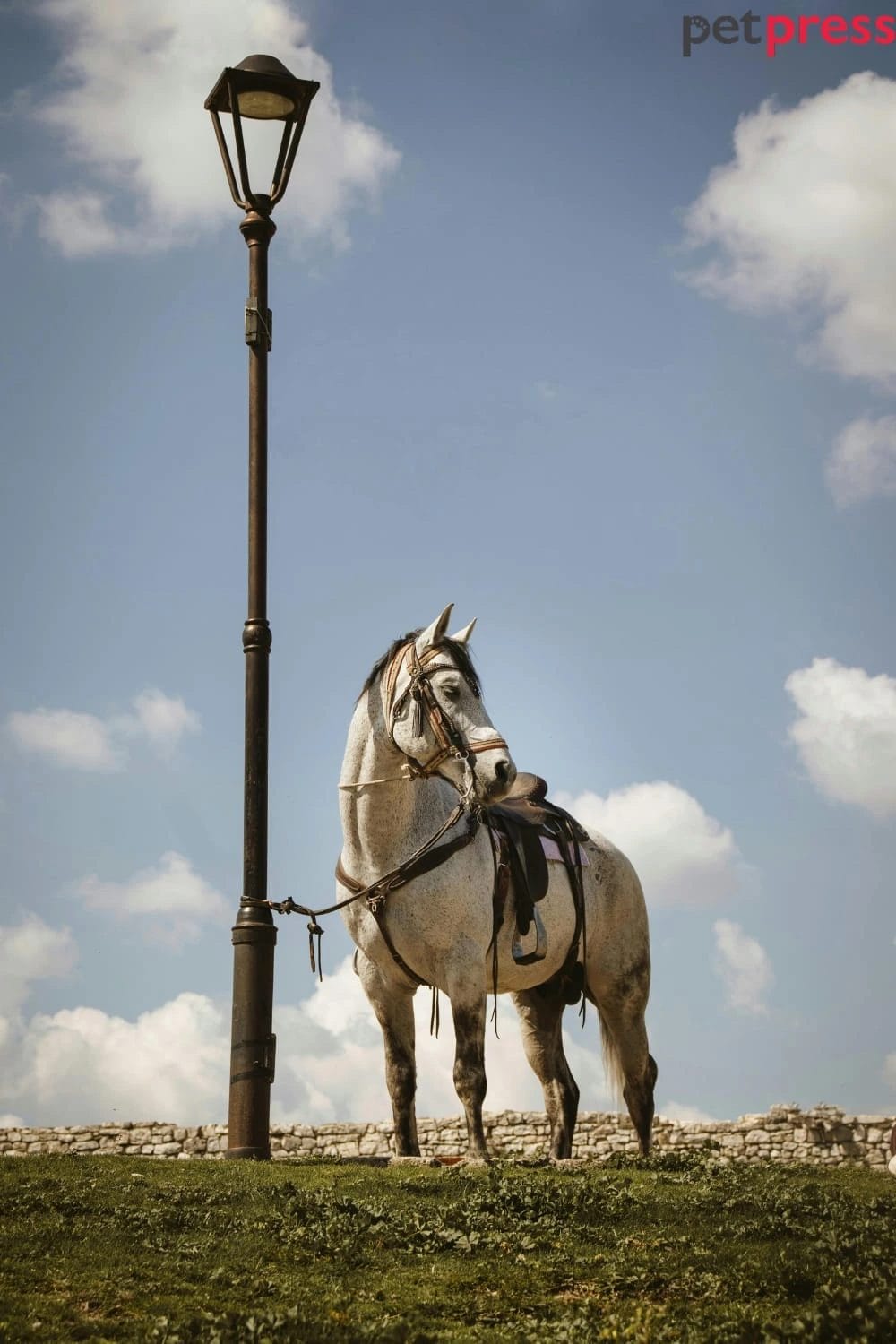
Across many cultures, horses are considered psychopomps, spiritual guides that carry souls to the afterlife.
From Sleipnir in Norse myth to Celtic tales of horses leading souls to the Otherworld, the recurring theme is clear: horses transcend the earthly plane.
This symbolism reflects humanity’s recognition of the horse’s ability to cross boundaries—between lands, between classes, and even between life and death.
Conclusion: The Role of Horses in Mythology
Horses are more than mere companions in human history, they are cultural icons, spiritual guides, and mythological marvels.
From Pegasus in Greece to Sleipnir in Norse tales, from Epona in Celtic lore to Buraq in Islamic tradition, horses continue to gallop through the stories that shape our understanding of the world.
Their role in mythology and folklore demonstrates their enduring power as symbols of freedom, transcendence, and divine connection.
Even today, horses inspire awe, representing resilience, beauty, and the timeless bond between humans and animals.
FAQs Related To The Role of Horses in Mythology
Horses are universal symbols of strength, speed, and freedom. Their role in transportation, warfare, and ritual made them central to human societies, naturally leading to their prominence in myths and folklore.
Pegasus, the winged horse of Greek mythology, is perhaps the most famous, symbolizing inspiration and divine favor.
They often symbolize freedom, power, spiritual guidance, and the connection between the human and divine realms.
No, some cultures viewed horses as dangerous or even deadly. Examples include the flesh-eating mares of Diomedes in Greek mythology and the kelpies in Celtic folklore.
Today, horses still symbolize freedom, endurance, and connection to nature. They are also seen as therapeutic animals, helping humans reconnect with emotional and spiritual well-being.

- Mushroom Complex Supplements for Dogs with Cancer: A Guide - March 25, 2026
- 15 Meaningful Dog Memorial Tattoo Ideas & Costs - March 20, 2026
- Best Horse Hoof Supplement Reviews for Beginners (2026) - March 19, 2026
GIPHY App Key not set. Please check settings