

 Emily Walker
The Scottish Fold is famous for those adorable folded ears and its gentle, cuddly personality. Born from a natural mutation in 1960s Scotland, this breed quickly became a worldwide favorite—and honestly, once you meet one, you’ll get why. If you’re thinking about bringing one home (or you’re just cat-obsessed like I was at 15), it’s important to know what makes these felines so special.
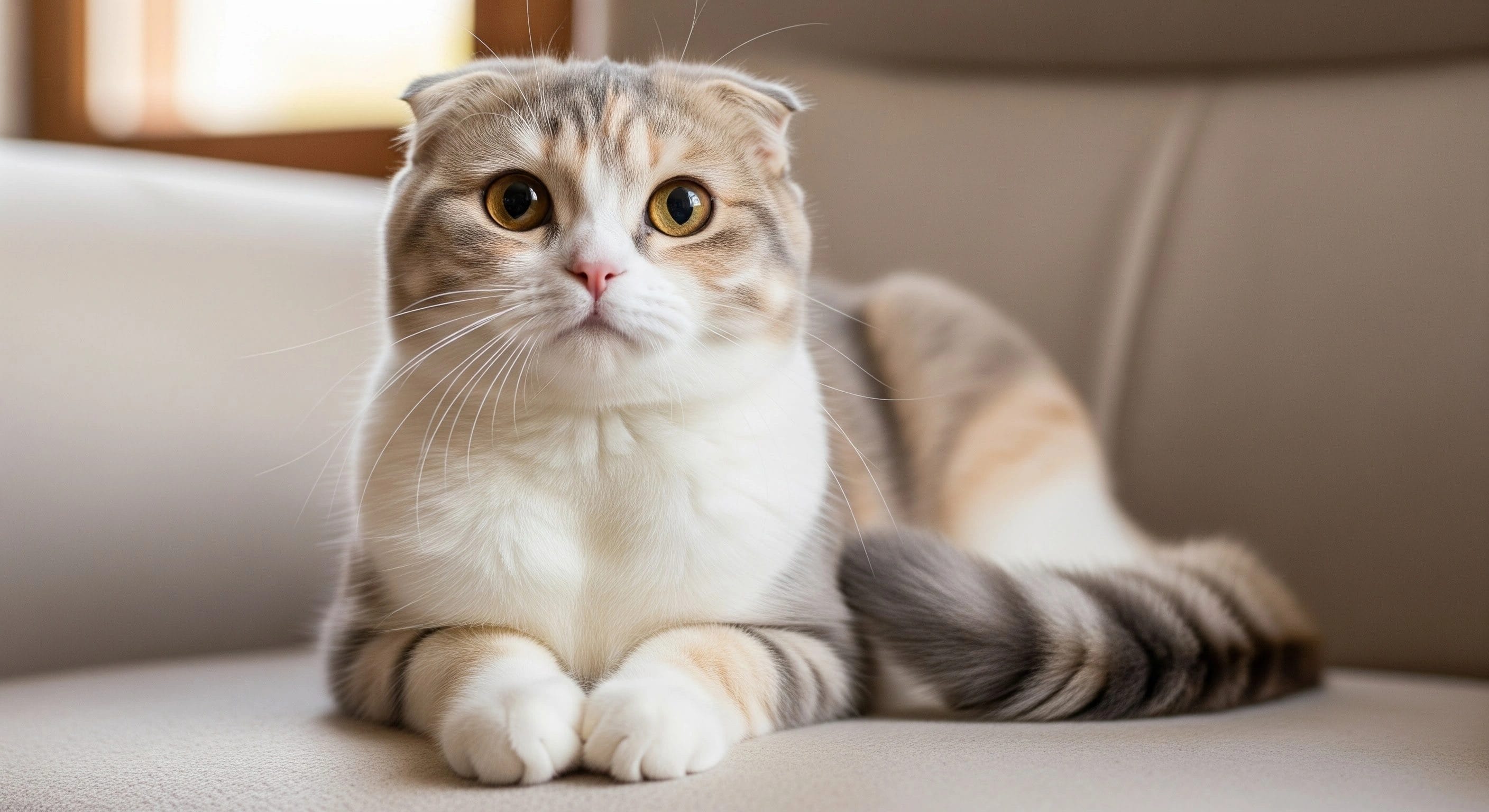
The Distinctive Physical Appearance
Those Unforgettable Folded Ears
Scottish Folds are famous for their forward-flopped ears—the kind that make them look like tiny owl–teddy bear hybrids. This adorable look comes from a natural gene mutation that affects their cartilage. Fun fact: all Fold kittens start with straight ears, and the fold shows up around three to four weeks. Some keep straight ears forever and are called “Scottish Straights,” which honestly sounds like a rock band. Ear folds can be slight or so flat they look ironed down.
Body Structure and Build
These cats are medium-sized, round, and ridiculously cute—like someone hit the “soft” filter in real life. They’re sturdy, usually 6 to 13 pounds, and have big round eyes that make them look like they’re always wondering when snack time is. Their broad chest, chunky cheeks, and balanced proportions give them that signature plush, gentle vibe.
Coat Variations and Colors
Whether shorthaired or longhaired (the majestic Highland Fold), their coats are always pet-me-now levels of soft. Short coats are dense and plush, while long coats add ear, toe, and tail floofs—10/10 majestic. They come in almost every color and pattern you can imagine. Seriously, it’s like someone hit “shuffle” on the cat customization menu.
Personality and Temperament Traits
Gentle and Affectionate Nature
Scottish Folds are basically soft-hearted glue for your family — calm, affectionate, and social. They bond hard with people, love being where the action is, and are more likely to hop off the couch than snap if annoyed. Perfect for kids, other pets, and anyone who wants a cuddly sidekick (they’ll follow you to the kitchen like a furry little detective).
Moderate Activity Levels
They sit squarely between lazy and hyper — game for a play session, then instantly ready for a nap marathon. Expect goofy habits like the “Buddha position” or flopping on their backs in the weirdest places. Apartment-friendly and low-drama, honestly.
Intelligence and Trainability
Surprisingly clever: Scottish Folds learn names, tricks, and sometimes fetch — they notice routines and food schedules like tiny alarm clocks. They’re quiet communicators with sweet, chirpy meows and respond really well to treats and positive reinforcement.
Health Considerations and Genetic Concerns
Understanding Osteochondrodysplasia
The same gene that gives Scottish Folds their adorable folded ears can also mess with cartilage in the rest of their body, leading to a painful condition called osteochondrodysplasia. Think of it like the price some Folds pay for being extra cute. It can cause stiff joints, a tail that barely bends, or a cat who suddenly refuses to jump — all red flags you shouldn’t ignore.
That’s why responsible breeders never pair two Fold-eared cats. Doing so massively raises the risk of severe joint problems. Ethical breeding means crossing a Fold with a straight-eared cat (or breeds like British or American Shorthairs) to keep those kittens healthier and happier.
Other Health Issues to Monitor
Scottish Folds have a few other health quirks you should keep an eye on. Some can develop hypertrophic cardiomyopathy (HCM), a fancy way of saying the heart muscle gets too thick — pretty common in many cat breeds. There’s also polycystic kidney disease (PKD), especially if a Fold has Persian relatives in the family tree. And those adorable folded ears? They don’t get the best airflow, so ear infections can sneak in if you’re not paying attention.
Regular vet visits are non-negotiable — think of them like taking your cat’s “system updates.” Heart checks, ear cleanings, the works. And if your Fold suddenly stops jumping, hides more, or acts “off,” don’t brush it off. Cats are experts at pretending they’re fine, kind of like when you tell your parents you’re “totally not tired” at 2 a.m.
Expected Lifespan
With the right care, Scottish Folds usually live 11 to 15 years — basically a whole childhood plus your early adulthood. Good food, vet checkups, playtime, and a safe home can help them stick around as long as possible. Treat them well, and they’ll spend those years being your loyal little shadow.
Care Requirements and Grooming Needs
Grooming Routines
Shorthaired Scottish Folds are low-maintenance—just a weekly brush to keep them smooth and shiny. Longhaired ones need a bit more love, about two to three brushings a week, unless you enjoy vacuuming hair tumbleweeds (trust me, you don’t). Their folded ears need weekly checkups too, since less airflow means wax and gunk can build up fast. Use a vet-approved cleaner and a cotton ball—never a swab unless you want your vet giving you that look. Start grooming early so your cat doesn’t act like you’re ruining their life every time you pick up a brush.
Nutritional Needs
They don’t need a special diet, but keeping them at a healthy weight is super important—extra pounds = extra pressure on their joints. Feed high-quality food, stick to proper portions, and don’t fall for the “I’m starving” eyes. They’re lying. Every cat lies about food.
Environmental Enrichment
Even though Folds seem chill, they still need fun stuff to do: scratching posts, gentle climbing spots, puzzle toys, window perches for bird-TV—basically a little cat amusement park. And because they’re social fluffballs, they don’t love being alone all day. If you’re gone for long hours, consider a second pet… after all, emotional support is a team sport.
Is a Scottish Fold Right for You?
Ideal Living Situations
Scottish Folds are total homebodies—they can thrive in apartments, houses, or anything in between, as long as someone’s around to love on them. They’re quiet, easygoing, and don’t need a giant space, but they do appreciate little nooks to explore and places to perch.
They fit especially well in homes with:
- People who actually want a cat that hangs out with them (Folds are not “I’ll see you when I see you” cats)
- Kids who can be taught the difference between “gentle pat” and “WWE smackdown”
- Other pets—introduced slowly, of course, unless you enjoy chaos
- Owners willing to keep up on vet visits
- Anyone who wants a snuggly companion, not a judgmental loner cat who acts like rent is beneath them
Considerations Before Adopting
Before you fall for their teddy-bear faces, think about this:
- Health costs — Joint issues and breed-specific conditions can mean future vet bills. Basically, this is not the “cheap” cat breed.
- Ethical breeding — Only get a Fold from breeders who follow strict, humane practices. No sketchy backyard breeders, no matter how cute the kitten pics look.
- Time commitment — These cats crave attention. If you’re barely home, they won’t thrive.
- Long-term care — A Fold could be with you for 15 years. Make sure your future self is ready for that responsibility.
Also, some countries and cat organizations worry about Fold health and have rules or bans on breeding them. It’s important to read up, decide where you personally stand, and adopt in a way that aligns with your values.
Conclusion
Scottish Folds are way more than their famous folded ears (though yes, those ears are dangerously adorable). They’re gentle, loving, people-oriented cats who fit beautifully into families that want a sweet, calm companion. Their smarts and easygoing nature make them fun to live with—and honestly, they’re the kind of cat that ends up sleeping on your homework just to “help.”
But owning a Fold isn’t just cuddles and cute Instagram photos. Their ear gene can cause real joint problems, so you’ve got to be ready for responsible, long-term care: vet visits, good food, a safe environment, and paying attention when something seems off.

- Does Cat Litter Melt Ice? The Complete Guide to Winter Safety - January 30, 2026
- Happy Tail Dogs: Understanding This Common Canine Condition - January 29, 2026
- How Cold Can Outdoor Cats Handle? Feline Winter Safety - January 27, 2026
GIPHY App Key not set. Please check settings