

 Lauryn Dell
It can be heartbreaking to witness your furry friend’s struggle with itchy, red, or irritated skin. As pet parents, we want nothing more than to see them happy, comfortable, and thriving.
Often, the culprit behind constant scratching or dry patches isn’t just seasonal allergies; it is the harsh chemicals hidden in standard grooming products.
Finding the right solution is not just about cleanliness; it is about restoring their comfort and protecting their long-term health.
In this comprehensive guide, we will explore how to identify the shampoo for sensitive skin dog grooming that actually works.
We will dive into the science of canine pH levels, discuss which ingredients to avoid at all costs, and highlight the natural healers that soothe inflammation.
By the end of this post, you will be equipped with the knowledge to transform your dog’s coat and skin health, ensuring every bath is a soothing spa day.
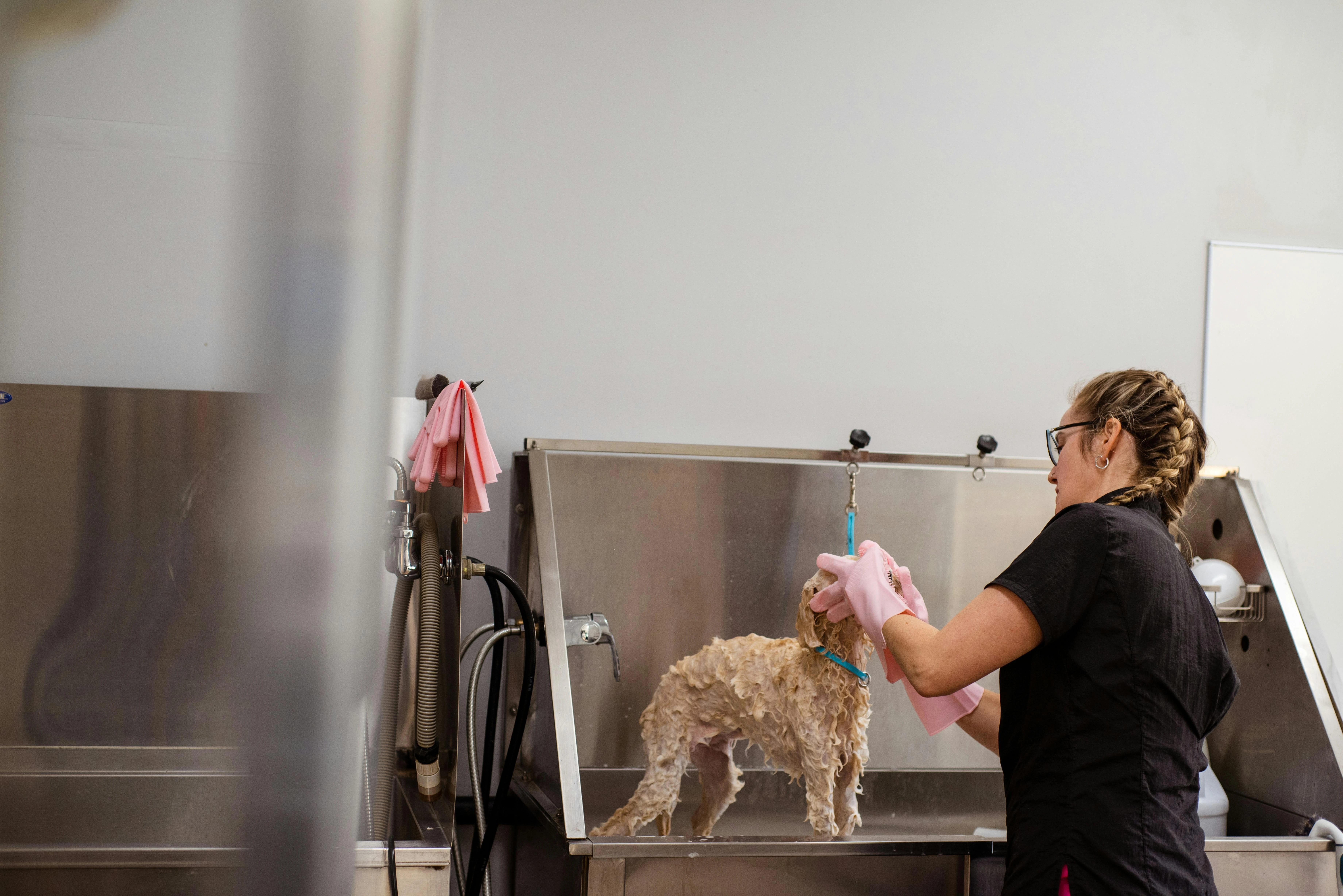
Understanding the “Why” Behind Sensitive Skin
Before you can choose the right shampoo for sensitive skin dog grooming, you must understand why your dog is reacting. Sensitivity can stem from genetics (common in breeds like West Highland White Terriers or Bulldogs), environmental triggers, or most commonly, a disruption in the acid mantle.
The pH Factor: Why Human Shampoo is a No-Go
A common mistake is using human baby shampoo on a dog. While it is gentle for us, a dog’s skin pH is much more neutral (ranging from 6.2 to 7.5), whereas human skin is more acidic (around 5.5). Using the wrong product strips away essential oils and leaves the skin open to bacterial infections. A high quality shampoo for sensitive skin dog grooming is specifically formulated to balance this delicate chemistry.
Common Signs of Skin Sensitivity
- Persistent Scratching: Especially after a bath or a walk.
- Redness and Inflammation: Often found in the “armpits,” belly, or between the toes.
- Dry, Flaky Skin: Similar to dandruff, which can indicate a lack of moisture.
- Licking of Paws: This is a classic sign of contact dermatitis or allergies.
Ingredients: The Good, The Bad, and The Toxic
When shopping for a shampoo for sensitive skin dog grooming, the ingredient list is your most powerful tool. In 2026, the market is flooded with “natural” claims, but a discerning eye is needed to spot true quality.
Ingredients to Avoid
Many standard shampoos contain foaming agents and preservatives that are too harsh for sensitive pups. Look out for:
- Parabens: Used as preservatives, these can disrupt hormones.
- Sulfates (SLS/SLES): These create suds but strip the skin of its protective barrier.
- Artificial Fragrances: Often listed simply as “Parfum,” these are a leading cause of allergic reactions.
- Phthalates: Known to be skin irritants and potential endocrine disruptors.
Nature’s Healing Superstars
The best shampoo for sensitive skin dog grooming often relies on ingredients that have been used for centuries to calm inflammation.
- Colloidal Oatmeal: A powerhouse for stopping the itch and locking in moisture.
- Aloe Vera: Provides immediate cooling relief for red, angry skin.
- Coconut Oil: Offers antibacterial properties while smoothing the coat.
- Chamomile and Lavender: Not just for scent; these botanicals actively reduce skin stress and calm the dog during the bath.
How to Perform a Sensitive Skin Bath at Home
The process of bathing is just as important as the product. If you have the best shampoo for sensitive skin dog grooming but use hot water, you are still going to cause irritation.
The Step-by-Step Soothing Bath
- Brush First: Remove tangles and loose fur before the water hits. This allows the shampoo to reach the skin directly.
- Lukewarm Water Only: Hot water increases skin dryness. Keep the temperature just above room temperature.
- The Dilution Trick: Many professional groomers dilute shampoo with water in a separate bottle. This makes it easier to spread and much easier to rinse off.
- Let it Sit: Most medicated or soothing shampoos need 5 to 10 minutes of contact time to work their magic. Use this time to give your dog a gentle massage.
- Rinse, Rinse, and Rinse Again: Leftover soap residue is a major cause of itching. Rinse until the water runs crystal clear.
Drying the Sensitive Dog
Avoid the high heat setting on blow dryers. Instead, use a highly absorbent microfiber towel and gently pat the skin dry rather than rubbing vigorously. If you must use a dryer, use the “cool” or “no heat” setting to prevent further moisture loss.
The Role of Diet in Skin Health
While a shampoo for sensitive skin dog grooming addresses the external issues, skin health often starts from within. In 2026, we understand more than ever how the gut microbiome affects the coat.
Omega Fatty Acids
Incorporating Omega 3 and Omega 6 fatty acids (found in fish oil or flaxseed) can significantly improve the skin’s resilience. A strong internal barrier makes the skin less reactive to external triggers like grass or dust.
Hydration Matters
Ensure your dog has constant access to fresh, filtered water. Dehydrated skin is tight, itchy, and prone to cracking.
Professional Grooming vs. Home Care
Sometimes, a skin condition is beyond the reach of a standard bath. If your dog has “hot spots” (moist, bloody sores) or a foul odor, it is time to consult a veterinarian or a specialized dermatological groomer.
When to Seek Help
- If the skin is broken or oozing.
- If your dog is losing hair in patches.
- If the itching prevents them from sleeping or eating.
Professional groomers who specialize in shampoo for sensitive skin dog grooming often have access to ozone therapy or specialized mud baths that can provide deeper relief than home products.
Choosing the Best Product for Your Breed
Every dog is different. A hairless breed like a Chinese Crested has different needs than a thick coated Golden Retriever.
- For Short Coats: Look for lighter, gel-based formulas that rinse easily.
- For Long/Double Coats: Choose a “2 in 1” or a separate soothing conditioner to prevent the hair from tugging at the skin.
- For Wrinkled Breeds: Ensure the shampoo is thin enough to get into folds and rinse out completely.
Conclusion: A More Comfortable Life for Your Pup
Investing time in selecting the right shampoo for sensitive skin dog grooming is one of the kindest things you can do for your pet.
It moves the needle from “tolerating” a bath to truly benefiting from one. When your dog isn’t distracted by constant itching, their personality shines brighter, their sleep is deeper, and your bond grows stronger.
Remember, consistency is key. Stick to products that prioritize transparency and natural ingredients, and always perform a patch test when trying something new. Your dog depends on you to be their advocate in a world full of chemicals.
Frequently Asked Questions
Generally, less is more. For dogs with sensitivities, once every 4 to 6 weeks is usually sufficient. Over washing can strip the natural oils that protect the skin. If they get muddy in between, try using a damp cloth or a water only rinse.
Yes! You can grind plain, unflavored oats into a fine powder (colloidal oatmeal) and add it to lukewarm bathwater. It is a fantastic, natural way to supplement your shampoo for sensitive skin dog grooming during an itchy flare up.
This smell is often caused by a yeast overgrowth, which is common in dogs with skin sensitivities. If the smell persists after using a gentle shampoo, you may need an antifungal formula recommended by your vet.
Not quite. “Fragrance free” means no scent chemicals were added. “Unscented” may contain chemicals used to mask the natural smell of the other ingredients. For highly sensitive dogs, always look for “fragrance free.”
Absolutely. Winter heaters can dry out the skin, while spring brings pollen and grass allergens. Adjusting your grooming routine to include more moisturizing conditioners in the winter can help combat these changes.

- Mushroom Complex Supplements for Dogs with Cancer: A Guide - March 25, 2026
- 15 Meaningful Dog Memorial Tattoo Ideas & Costs - March 20, 2026
- Best Horse Hoof Supplement Reviews for Beginners (2026) - March 19, 2026
GIPHY App Key not set. Please check settings