

 Lauryn Dell
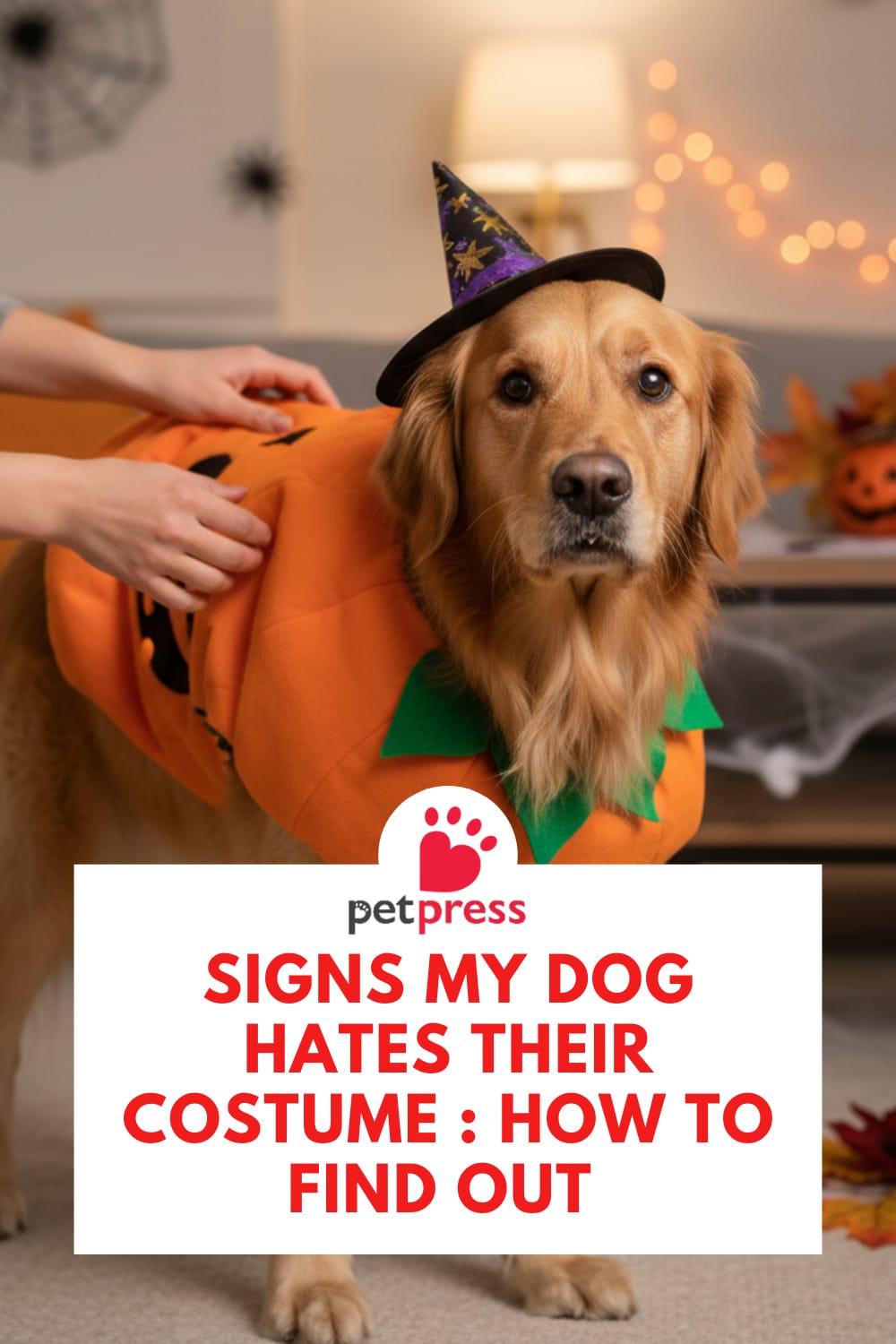
As autumn leaves begin to fall and the air turns crisp, many of us start dreaming of the delightful chaos of Halloween.
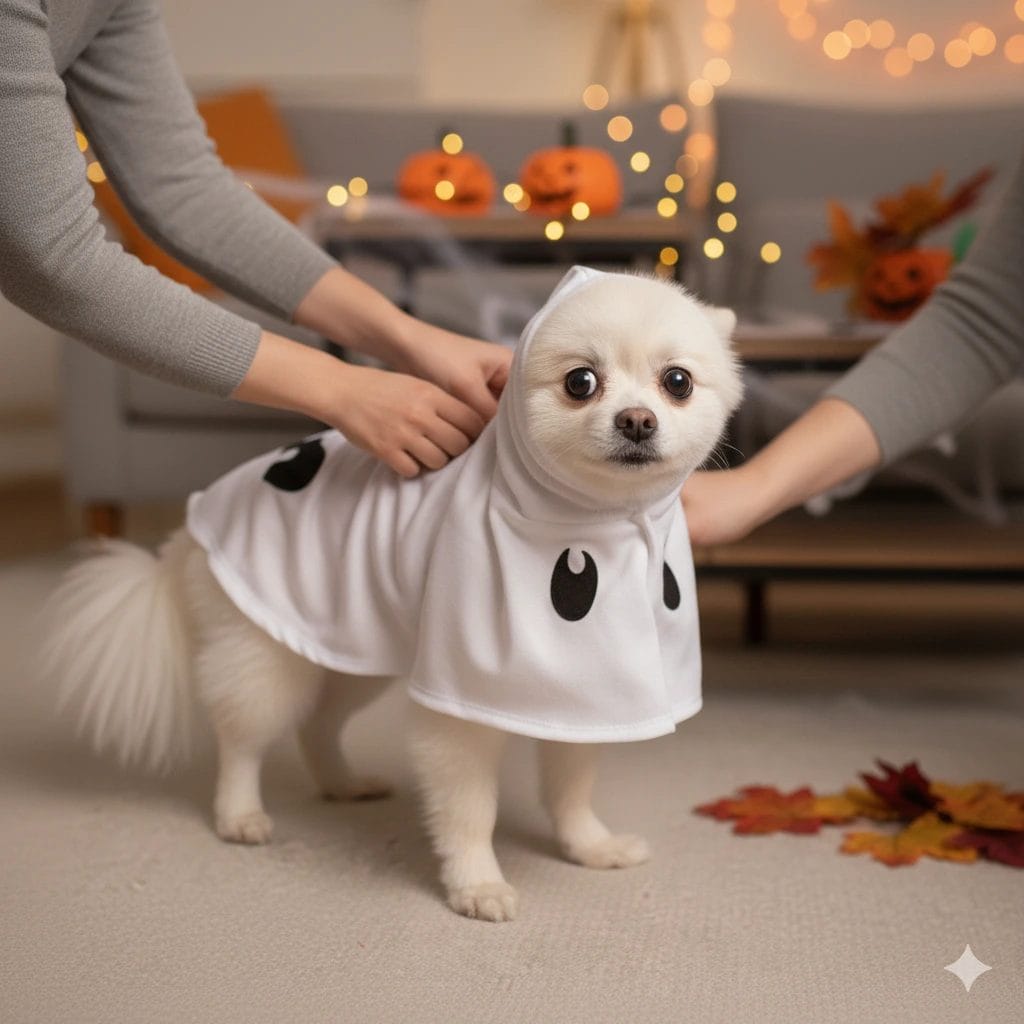
For pet owners, this often includes the fun (and sometimes hilarious) prospect of dressing up our canine companions in an array of adorable costumes, from fierce lion manes to tiny pumpkin outfits.
The internet is awash with viral photos of dogs sporting everything from superhero capes to intricate historical attire, making it easy to believe that every dog is a willing participant in this annual tradition.
However, beneath the surface of those perfectly posed pictures, a less glamorous reality often exists.
While some dogs are truly unfazed by wearing clothes, many others find the experience deeply unsettling, confusing, or even distressing.
As responsible pet parents, it’s our duty to prioritize our dog’s comfort and well-being above any fleeting photo opportunity or human amusement.
So, how can we tell if our furry friend is a fan of their spooky get-up, or if they’re secretly counting down the seconds until it comes off?
The key lies in understanding canine communication. We need to be vigilant for the clear signs my dog hates their costume to ensure their Halloween is happy, not horrifying
The Subtle Language of Canine Discomfort
Dogs communicate primarily through body language—a subtle, constant stream of signals that tells us exactly how they feel.
When it comes to costumes, there’s a massive difference between a dog that is “tolerating” an outfit for a few minutes and a dog that is truly “enjoying” it.
A dog that is relaxed and happy will have soft eyes, loose ears, a relaxed mouth, and a tail that wags loosely. Any departure from this relaxed baseline should be seen as a warning sign.
The earlier we recognize these subtle cues, the faster we can step in and prevent escalation.
Early Warning Signals (Before the Costume is Even On)
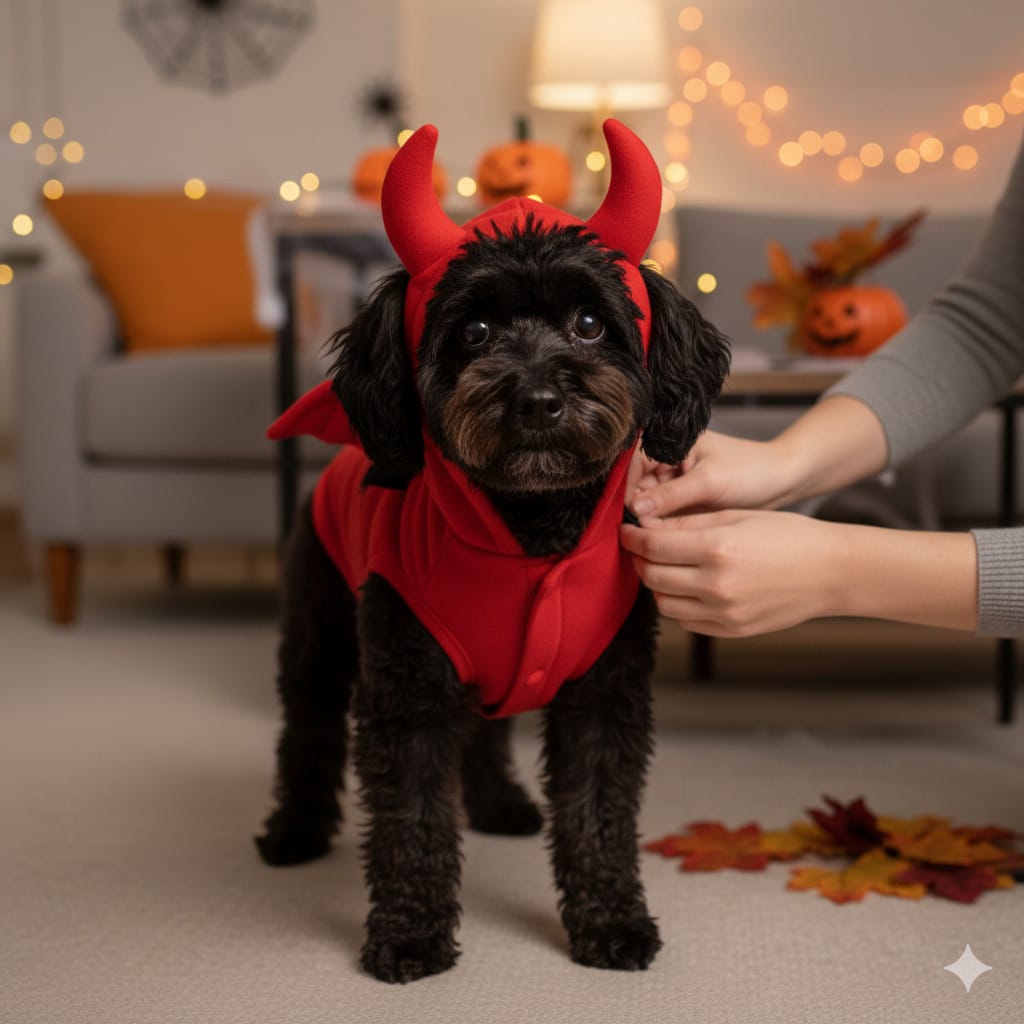
The signs of distress don’t just appear once the zipper is up. You can often tell your dog is apprehensive just by observing their reaction to the costume’s presence:
- Reluctance to Approach: If your dog runs, hides, or avoids the room when you pull out the costume, they’re telling you what they think without making a sound.
- Displacement Behaviors: These are behaviors that seem out of context and help a dog cope with anxiety. Look for exaggerated or repeated yawning, quick nose or lip-licking, or suddenly turning their head away when you bring the costume close. These are low-level stress signals.
10 Obvious Behavioral Cues: When the Costume is On
Once the costume is actually on, the signals become more intense and clearer. These are the definitive signs my dog hates their costume.
1. The “Freeze” or Stiff Posture
This is one of the most serious signals that owners often mistake for compliance. When a dog suddenly stands rigid, refuses to move their feet, or seems “paralyzed,” they are in a high state of stress.
This is often an immediate precursor to snapping or biting because the dog is in distress and has run out of escape options. If your pup becomes a statue, remove the costume immediately.
2. Excessive Scratching, Chewing, or Rubbing
This is arguably the most blatant, overt signal. The dog is trying desperately to remove the perceived threat or discomfort.
They might scratch frantically at the neck or chest areas, rub their body against furniture, or relentlessly chew at the fabric.
If you notice your dog relentlessly scratching or trying to chew off their outfit, these are undeniable signs my dog hates their costume.
3. “Whale Eye” and Dilated Pupils
“Whale Eye” is when a dog turns their head slightly away, but their eyes remain fixed on you, revealing the whites of the eye (the sclera) in a half-moon shape.
Paired with dilated pupils, this is a very strong indicator of fear and apprehension. They feel vulnerable and are worried about the situation.
4. Altered Gait and Movement
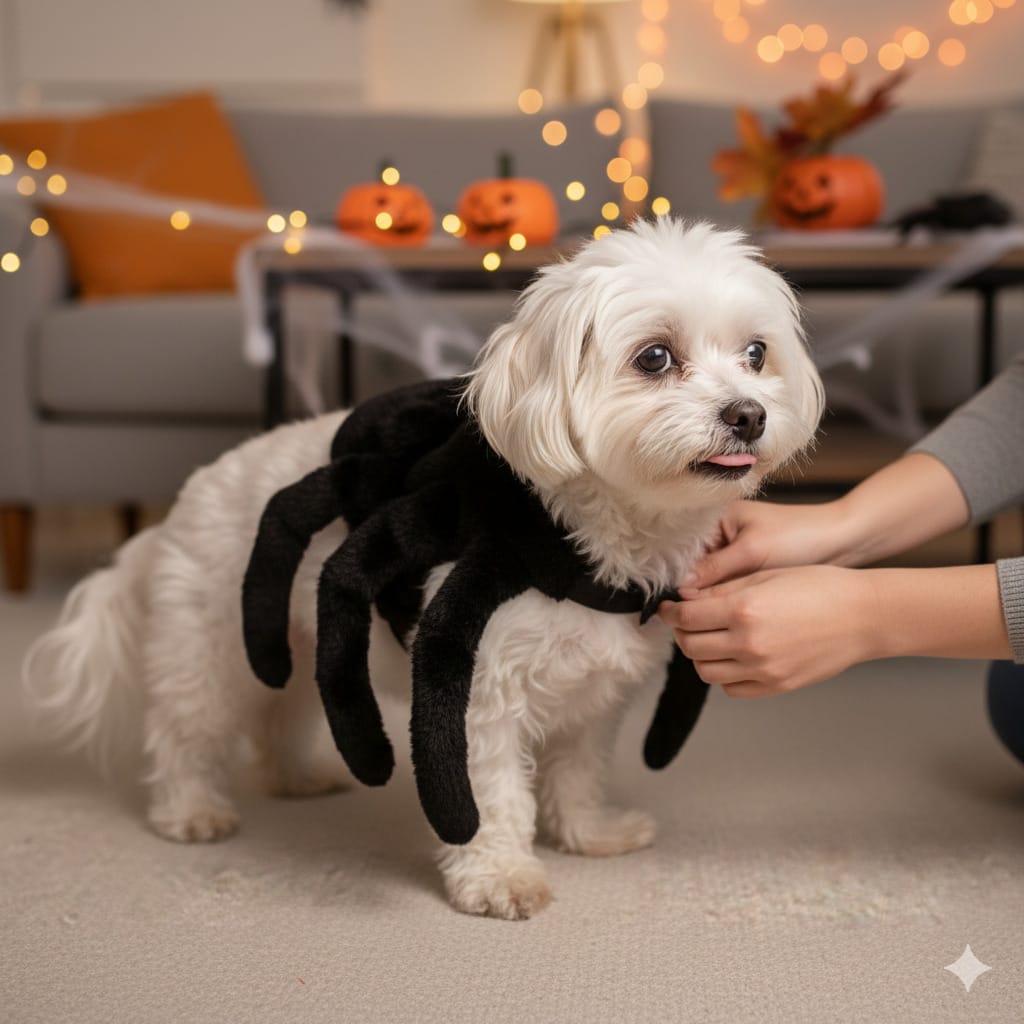
Dogs are not used to having things restrict their torso or legs. If your dog is walking strangely—a slow, hunched posture, walking on their “tip-toes,” or struggling to lift their limbs—the costume is likely restricting their movement.
This not only causes physical discomfort but can be terrifying for an animal that relies on quick, free movement for safety.
5. Persistent Panting (When Not Hot)
Panting is a dog’s primary way of cooling down, but it is also a physical response to stress, much like rapid breathing in humans.
If your dog is wearing a thin costume in a cool environment but is panting rapidly and excessively, they are experiencing significant anxiety.
This is especially important to watch for in flat-faced breeds (Brachycephalics) where overheating is a critical risk.
6. Tail Tucked Low or Held Stiffly
The tail is a powerful barometer of a dog’s emotional state. A happy dog has a relaxed, natural tail carriage with a loose wag.
A tail tucked tightly between the legs is an unmistakable sign of fear and submission. If the tail is held stiffly high, it indicates high arousal, which is not happiness—it often signals agitation or anxiety.
7. Hiding or Persistent Pacing
A dog that paces back and forth cannot settle. This restless, repetitive movement is a clear sign of internal turmoil.
Similarly, if your dog retreats under a table, goes into their crate unprompted, or tries to hide behind your legs, they are desperately seeking refuge from the stressor—in this case, the outfit.
8. Growling, Whining, or Whimpering
These auditory signals are louder attempts to communicate distress, especially after the subtle body language signals have been ignored.
A quiet whine or whimpering, particularly when only wearing the costume, is a form of crying.
Growling is a definitive warning sign that the dog is at their limit and is an attempt to create distance from the thing causing them stress.
9. Refusal of High-Value Rewards
If you offer your dog their absolute favorite treat—a piece of cheese, bacon, or a high-value toy—and they refuse it, it means their stress level is so high that it overrides their natural desire for food.
This is an excellent litmus test: a truly happy dog will almost never turn down a favorite treat.
10. Shaking Off (As If Wet)
The “shaking off” behavior is often compared to a dog hitting a reset button. A dog will perform a full-body shake, as if they’ve just gotten out of the water, immediately following a stressful interaction.
If your dog shakes off right after you put on the costume, or every time you approach them while they’re wearing it, they are attempting to physically dispel the stress.
You should view this as a clear indicator of discomfort and one of the significant signs my dog hates their costume.
Why the Discomfort? Understanding the Canine Viewpoint
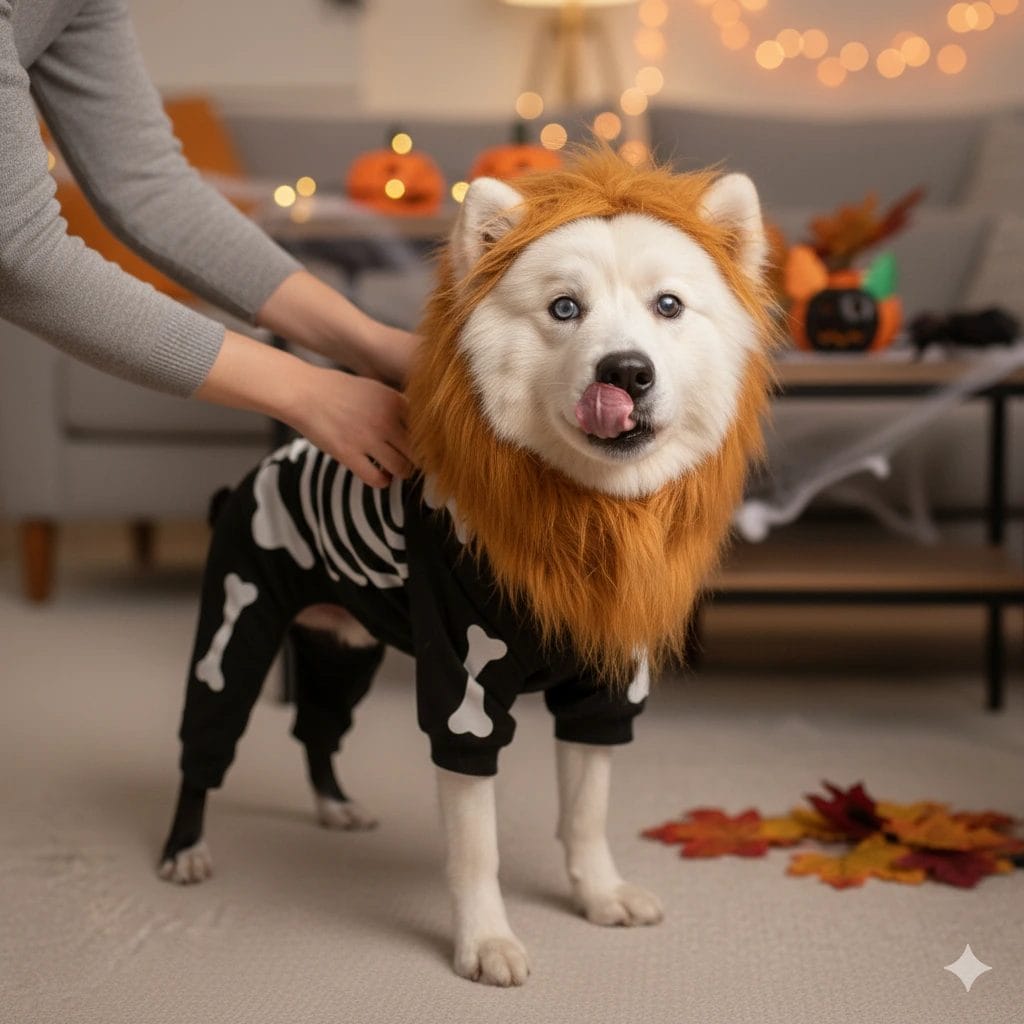
Why do some dogs react so negatively? It comes down to their nature as animals that rely heavily on sensation, communication, and movement:
- Sensory Overload: Costumes introduce unfamiliar textures (itchy mesh, rigid plastic), unfamiliar noises (dangling charms, rustling wings), and can feel confining.
- Restriction of Movement: For many dogs, a full-body costume replicates the feeling of being scolded or pinned down by a more dominant animal, triggering an innate, defensive anxiety.
- Impaired Senses: Costumes with hats, hoods, or masks often cover the ears and eyes, which are critical for gathering information. Feeling blind or deaf is terrifying for a dog.
When considering if your dog is comfortable, always ask yourself: are they behaving normally? Are they moving as they usually would? If the answer is no, then these are the signs my dog hates their costume that must be heeded.
Prioritizing Comfort: Alternatives to a Full Costume
The good news is that your dog can still participate in the holiday fun without enduring a full outfit. If you’ve seen any of the clear signs my dog hates their costume, switch to one of these low-stress alternatives:
- Festive Bandanas & Collars: A simple Halloween-themed bandana or glow-in-the-dark collar is unobtrusive, requires no leg-holes or tight fits, and allows for full mobility and body language expression.
- Themed Harnesses/Capes: Choose a soft, lightweight cape or set of wings (like a bat or dragon) that attaches only to their existing harness or collar. As long as it doesn’t drag or restrict their vision, it’s a much lower-stress option.
- Costume by Association: Dress yourself up in a way that features your dog’s natural appearance. For example, you could wear a police uniform and call your dog your “K-9 partner,” or wear a farmer’s outfit and let your Great Dane be the “Cow.”
Final Paw-sitive Takeaway
Ultimately, our dogs are part of our family, but they are not human children who understand the concept of dress-up for fun.
Their comfort and emotional well-being must always be the priority. Never force a costume if you see even one of the early stress signals.
A happy, uncostumed dog is always better than an adorable, distressed one. This Halloween, let’s commit to truly listening to what our dogs are telling us.

- Mushroom Complex Supplements for Dogs with Cancer: A Guide - March 25, 2026
- 15 Meaningful Dog Memorial Tattoo Ideas & Costs - March 20, 2026
- Best Horse Hoof Supplement Reviews for Beginners (2026) - March 19, 2026
GIPHY App Key not set. Please check settings