

 Lauryn Dell
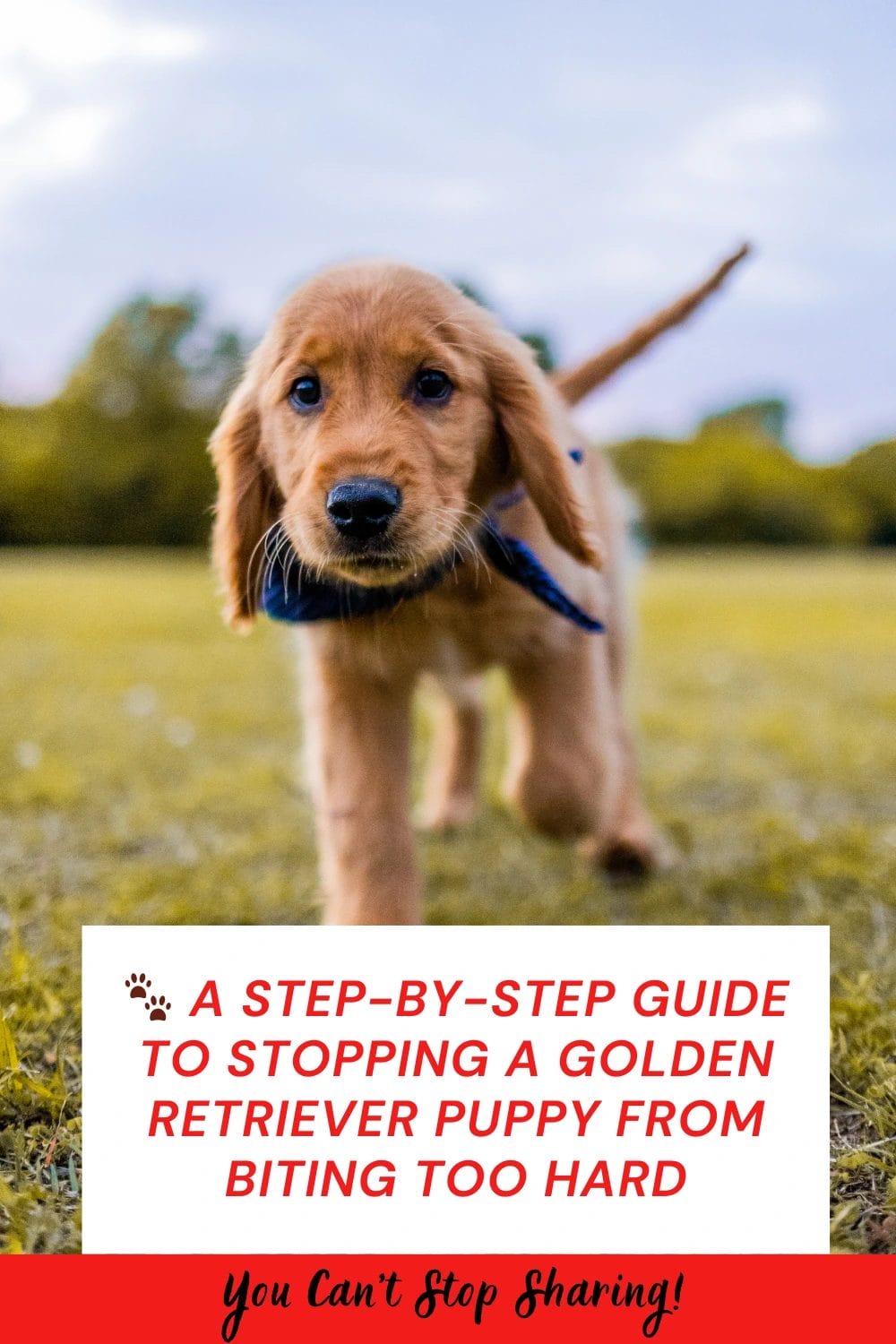
Golden Retriever puppies are adorable, but their sharp teeth and tendency to play roughly can make cuddling painful. This behaviour, commonly called “nipping” or “mouthiness,” is quite natural. Puppies do it to learn how to control their bites from their littermates.
But if you don’t handle it well, this play biting can become a problem as your Golden gets older. The objective isn’t to stop them from biting completely but to educate them on how to manage the pressure of their bite.
This detailed, step-by-step instruction will show you how stopping a Golden Retriever Puppy from Biting Too Hard and make a Golden Retriever puppy be gentle with their hands and mouths.
Step 1: Figuring Out Why Your Golden Puppy Bites (The Main Reason)
You need to know what the behaviour is before you can fix it. Your Golden puppy isn’t trying to be mean; they’re just doing one of these four usual things:
- Exploration: Puppies use their lips to explore the world, just like people do with their hands.
- Teething: Their gums hurt from 3 to 6 months, and biting helps reduce the pain.
- Play: They play with your hands like they would with a sibling’s paw or ear.
- Overtiredness/Overstimulation: Puppies, like little kids, can bite hard when they are too tired and need a nap.
Important Point: You’re not dealing with aggression; you’re dealing with a chance to learn.
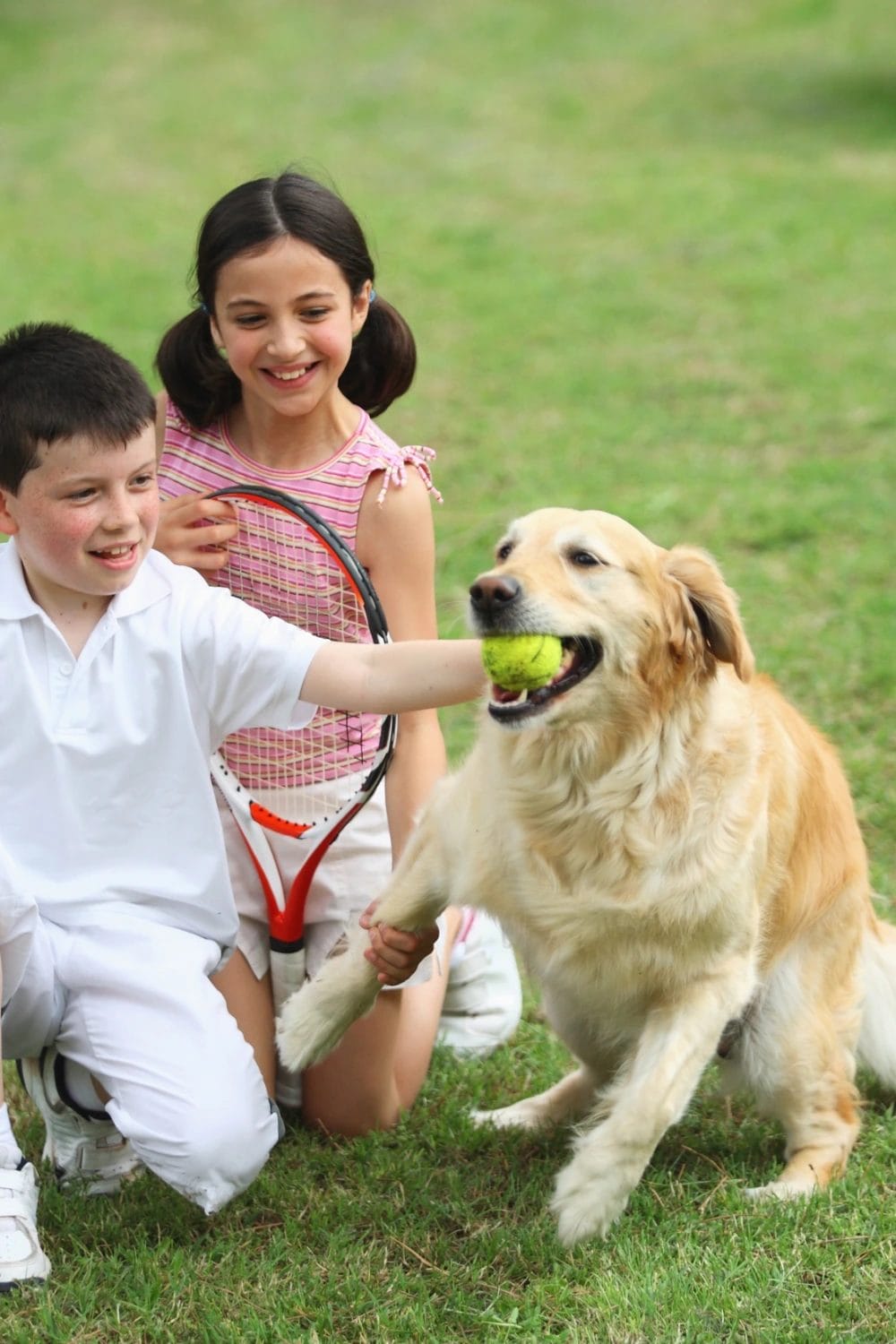
Step 2: The “Yelp and Withdraw” Method (Copying Feedback from Other Dogs)
This is the most important phase, because it directly copies how a puppy learns to control its bites from its littermates. When a dog bites its sibling too hard, the sibling yells, and the play stops right away.
2.1. The First Reaction (The “Yelp”)
If your puppy’s fangs touch your skin and the pressure is too much:
- Say “YELP!” in a high-pitched voice or “Ouch!” in a shocked, high-pitched voice. The noise should be loud enough to scare them but not too scary.
- Don’t tense your hand. Don’t move your hand away too soon, because this often makes the puppy want to chase you and grab harder.
2.2. The Result (The “Withdrawal”)
After “Yelp”, you must quickly stop paying attention and playing.
- Stop everything. Stop moving your body and hands right away.
- Leave the room if you need to. If the puppy keeps bothering you or follows you, gently move behind a baby gate or into a restroom for 10 to 30 seconds. This is a short break.
- Return and Resume Play: After the break, come back and start playing again. If they bite hard again, do it again.
It’s important that everyone who interacts with the puppy uses this identical method. The dog has to know that biting hard always ends the enjoyment.

Step 3: Redirecting to the Right Chew Toys (The 90/10 Rule)
Puppies need to chew for biological reasons. You can’t stop them from chewing; you have to give them something to chew on that you want them to. The 90/10 Rule says that 90% of your work is redirecting and 10% is correcting.
3.1. Proactive Redirection
- Make sure there are always safe, high-value chew toys in every room where the puppy spends time.
- High-Value Items: Use toys that are hard to get through, like Kongs packed with peanut butter, hard Nylabones, or frozen carrots (excellent for teething).
- The Swap: As soon as the puppy starts to mouth your hand, calmly give them the right toy. Don’t yell at them; just say, “Chew this,” and move the item closer to their mouth.
- Praise the Swap: As soon as they place their lips on the toy, tell them how well they are (“Good chew!”).
3.2. Show them how to say “Off” or “Drop It”
When they grab something they shouldn’t, this order will let you control their mouth.
- One hand should have a low-value food, like a small piece of cheese, and the other should hold a high-value treat.
- Let the dog lick or chew on the treat that isn’t worth much.
- Say “Drop It” and put the high-value goodie right in front of their nose.
- Say “Yes!” and give them the high-value reward as soon as they let go of the low-value treat.
- Do this every day until they drop the item as soon as they hear the instruction.
Step 4: Teaching a Soft Mouth by Controlling Bite Pressure
The next stage is to train your dog to bite softly when they stop biting so fiercely. This is very important for a breed like the Golden that has a history of retrieving.
4.1. Slowly Accepting
Start keeping track of the pressure of the bites that don’t need a “Yelp.”
- Week 1: You only “Yelp” and stop playing if the bite hurts a lot.
- Week 2: If the bite hurts a little, you “Yelp” and quit playing.
- Week 3 onwards: “Yelp” and quit playing if the bite is just firm.
The idea is to slowly lower the amount of pressure that is okay until the puppy is simply mouthing with minimal pressure, which is a gentle, appropriate behaviour.
4.2. Exercises for Handling
You should be able to handle a Golden Retriever without any problems. When the puppy is quiet and comfortable, do these exercises:
- For a few seconds, grasp their collar gently and give them a treat.
- Give them a reward and gently rub their gums and tongue.
- Touch their paws, ears, and tail softly, and then give them a treat.
This teaches them that being handled by people is a good thing, which makes them less inclined to bite.
Step 5: Finding and stopping overstimulation
Golden Retriever puppies can get too excited very easily, especially at night (“zoomies” or the “witching hour”). A dog that is hyper and exhausted is nearly sure to bite hard.
5.1. The Nap That Was Forced
If your puppy is running about, biting things, refusing to play with toys, and not listening to you, they probably need a nap.
- Don’t try to act it out: This merely makes the high-arousal biting much worse.
- Use the Crate or Pen: Gently guide them to their crate or playpen, which should be a place where they feel safe and get treats. Please place a cover on the crate and ensure there are 60 to 90 minutes of quiet time.
- Schedule Rest: Make sure your dog sleeps for at least 18 to 20 hours per 24 hours. The best way to stop biting at night is to schedule rest.
5.2. Managing Play
- Don’t Rough Play: Don’t use your hands or fingers to fight with your puppy. To keep a safe distance and keep the hand away from the “toy”, use long rope toys, flirt poles, or pull toys.
- Short Play: Stop playing with the puppy before it gets too excited. A 5-minute focused play session is preferable to a 20-minute one that is all over the place.
Step 6: Advanced biting control and socialisation
Socialising your Golden is very important if you want them to learn from other dogs.
6.1. Playdates for puppies that are safe
It is really helpful to sign your puppy up for a supervised puppy class or set up play dates with older, well-behaved, vaccinated adult dogs.
- When puppies play too harshly, the adult dog may often give them a swift snap or body block to show them how to behave. This quick and obvious response from a dog is much better at teaching control than having a person step in.
6.2. The Check for Consistency
Staying consistent is the hardest aspect of this procedure. If you let your puppy mouth gently one day and then scold them for doing it the next, they won’t learn anything.
- Everyone in the family needs to agree on the same punishment (Yelp and leave).
- Always praise soft-mouthing.
Always tell your dog to stop biting and give it a toy.

Conclusion: Stopping a Golden Retriever Puppy from Biting Too Hard
Your Golden Retriever puppy will rapidly learn that a soft mouth keeps the fun going and a harsh bite terminates it right away if you stay consistent.
5 Commonly Asked Questions (FAQs)
Very improbable. If a puppy bites hard, it’s usually just playing, is too exhausted, or is in pain from teething. It’s not real hostility. Snarling, defending resources, or stiff body language are all signs of true aggression. Your dog is merely learning its limits if they are wiggly and lively when biting.
If you train consistently for 2 to 4 weeks, you should see a big drop in the pressure and frequency of bites. But the mouthiness behaviour might not go away totally until your puppy is done teething, which is usually around 6 to 7 months. The most important thing is to be consistent.
No. Holding your puppy’s lips shut, rolling them over, or hitting them are all bad ideas. It can make the puppy scared, damage your attachment, and make it bite in self-defence or learn to hide its warning signs. Use the “Yelp and Withdraw” strategy that works.
This is a natural instinct to chase. Taking out the target is the greatest method to halt it. If they go after your feet, stop moving right away and throw a high-value toy or reward a short distance away to catch their attention. If they keep going, calmly exit the room (Step 2).
If the biting gets worse and more frequent even after 4–6 weeks of consistent training, if the puppy shows signs of real aggression (stiffness, deep growling, lunging) over food or toys, or if the puppy is over 6 months old and there is no improvement in bite inhibition, you should see a certified positive reinforcement trainer or veterinary behaviourist.

- Mushroom Complex Supplements for Dogs with Cancer: A Guide - March 25, 2026
- 15 Meaningful Dog Memorial Tattoo Ideas & Costs - March 20, 2026
- Best Horse Hoof Supplement Reviews for Beginners (2026) - March 19, 2026
GIPHY App Key not set. Please check settings