

 Lauryn Dell

If your backyard looks like a moonscape of holes or your dog obsessively scratches at the carpet, you’re not alone.
Many dog owners wonder, “Why does my dog dig?” While it can be frustrating, digging is a natural canine behavior rooted in instinct, boredom, and sometimes, unmet physical or emotional needs.
Understanding why your dog digs can help you manage the behavior compassionately and effectively, ensuring a happier household for both you and your furry friend.
In this post, we will explore:
- Why dogs dig from an instinctual perspective
- Common reasons for digging in household and backyard settings
- How to prevent excessive digging without punishment
- Safe outlets for your dog’s digging needs
Why Do Dogs Dig? The Instinctual Perspective
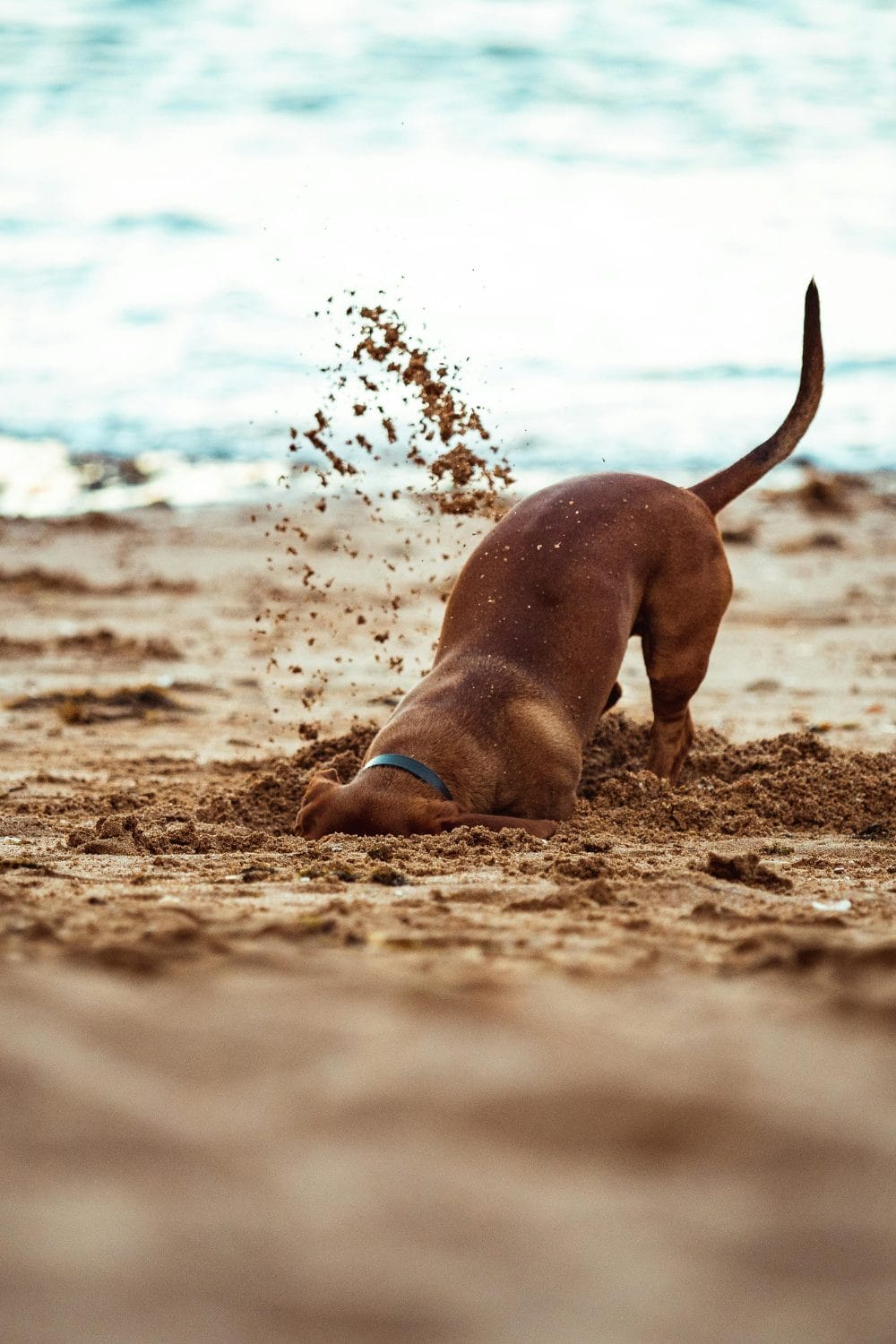
Digging is a behavior inherited from wild canines like wolves and foxes, who dig for:
- Creating a cool or warm resting place
- Searching for food or prey
- Hiding or retrieving valued items
- Creating a den for protection
Modern domestic dogs still retain these instincts, even when they don’t have to hunt or dig dens for survival. Breeds like terriers, dachshunds, and huskies are particularly known for digging due to their working and hunting lineage.
Common Reasons Why Dogs Dig
Seeking Comfort and Temperature Regulation
Dogs may dig in the yard to find cooler soil on hot days or warmer spots when it’s cold. You may notice your dog scratching the floor indoors before lying down, a behavior tied to making a comfortable spot.
Hunting or Exploring
Dogs have an acute sense of smell and hearing. If they detect rodents, insects, or even the scent of fertilizer, they may dig to investigate, hunt, or play.
Boredom and Lack of Mental Stimulation
A common cause of excessive digging is boredom. Dogs left alone in the yard with little to do may dig for entertainment, similar to how humans fidget when bored.
Anxiety or Stress
Digging can be a coping mechanism for anxiety, including separation anxiety or stress due to loud noises like thunderstorms. Some dogs may dig near doors as an attempt to escape and reunite with their owners.
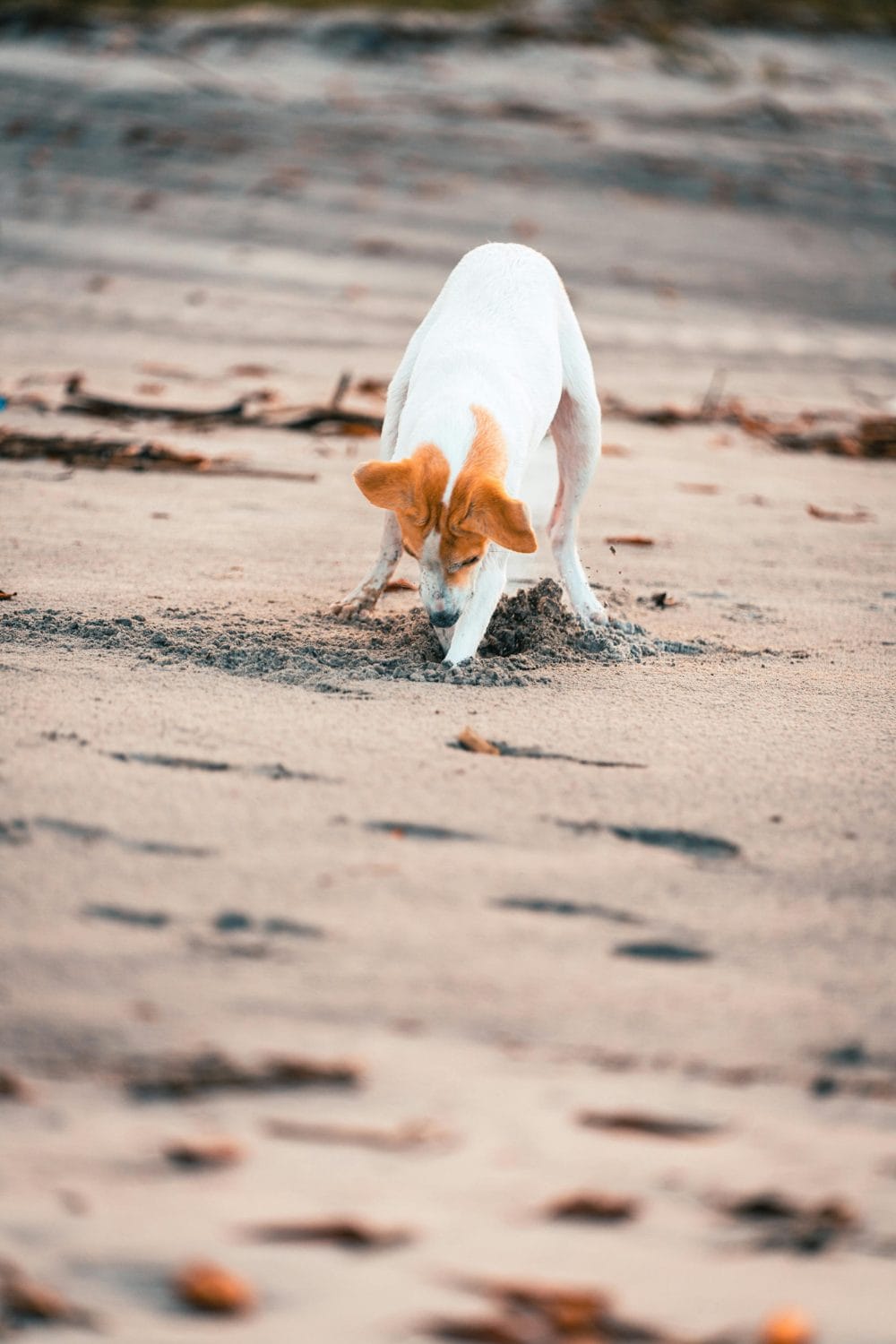
Seeking Attention
If your dog has learned that digging brings you outside, even if you’re scolding them, they may dig to gain your attention.
Instinct to Bury or Retrieve Objects
Many dogs naturally bury toys, bones, or treats and later dig them up. This is an instinctual behavior to store food and possessions safely.
Escape Attempts
If your dog is digging along the fence line, it may be trying to escape due to boredom, the desire to mate, or fear of something in the environment.
How to Prevent Excessive Digging?
It’s important to note that you shouldn’t punish your dog for digging. Instead, address the underlying cause while redirecting the behavior appropriately.
Provide Adequate Exercise
Daily walks, playtime, and training sessions help reduce boredom and excess energy that may lead to digging.
Offer Mental Enrichment
Food puzzles, scent games, and training new commands keep your dog mentally stimulated, reducing destructive behaviors.
Create a Designated Digging Area
If your dog loves digging, consider setting up a digging box or a corner in the yard where it is allowed to dig. Bury toys or treats to encourage digging in this designated spot.
Control Rodents and Pests
If your dog is digging to hunt, consider humane pest control to reduce the incentive to dig.
Provide Shelter and Comfort
Ensure your dog has access to a shaded area, shelter, and fresh water outdoors to prevent digging for temperature regulation.
Address Anxiety
For anxiety-driven digging, try to identify triggers and gradually desensitize your dog with positive reinforcement techniques. If your dog has separation anxiety, consult a trainer or a veterinary behaviorist for guidance.
Supervise Outdoor Time
If your dog is attempting to escape, supervise them during outdoor play and reinforce fencing as needed to keep them safe.
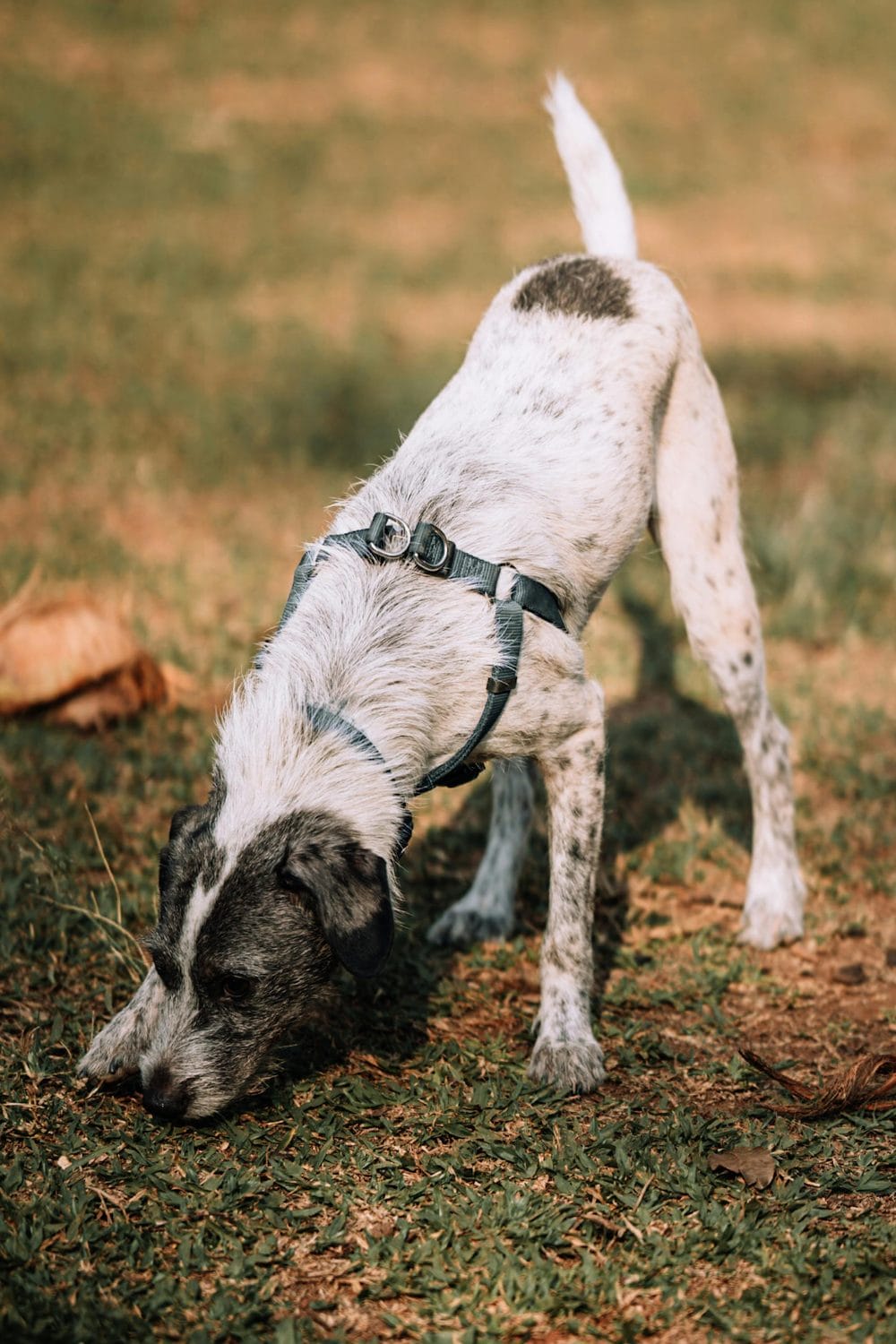
When Digging Becomes a Concern
While digging is normal, it may become a concern if:
- Your dog is injuring itself while digging
- Digging is accompanied by other destructive behaviors
- It is driven by severe anxiety or compulsive tendencies
In these cases, consult your veterinarian or a certified dog behaviorist to rule out underlying medical or behavioral conditions.
What are the Safe Alternatives to Let Your Dog Dig?
For dogs who love digging, providing safe alternatives helps satisfy their instincts:
- Digging pit: A sandbox filled with soft soil or sand.
- Scent work: Hide treats under safe layers of blankets for your dog to “dig” and find.
- Interactive toys: Tug toys, snuffle mats, or treat-dispensing balls.
By offering outlets for their natural behaviors, you can reduce unwanted digging while keeping your dog enriched and happy.
Conclusion
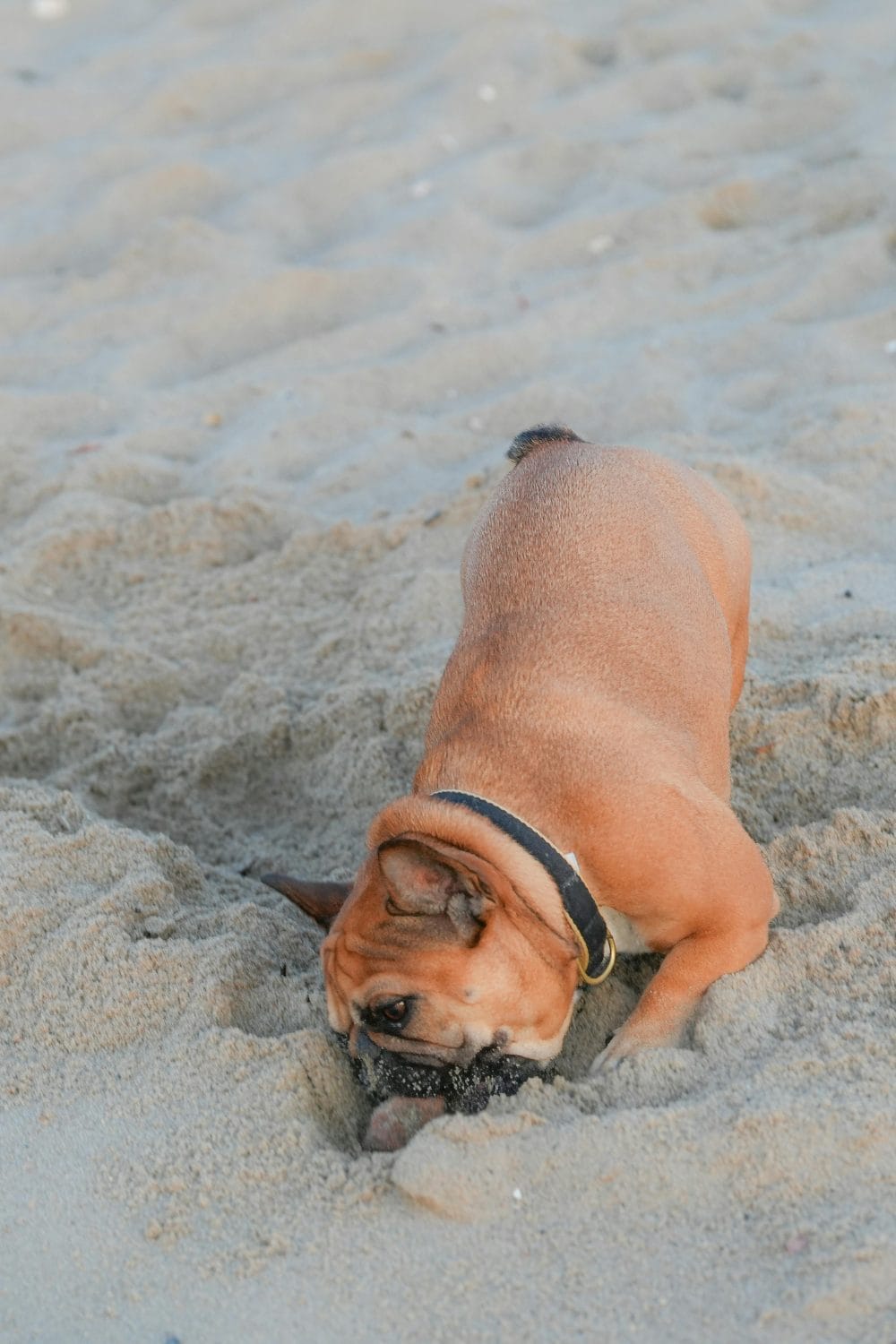
Digging is a natural and often instinctual behavior in dogs, but understanding why your dog digs is key to addressing it effectively.
Whether driven by boredom, instinct, temperature regulation, or anxiety, digging can often be managed by providing adequate exercise, mental stimulation, and safe alternatives while avoiding punishment.
By observing your dog’s digging patterns and addressing their needs, you can protect your yard while respecting your dog’s natural instincts, ensuring a harmonious and enriched life together.
FAQs
This behavior is instinctual, tied to wild ancestors creating a comfortable resting spot, regulating temperature, or ensuring the area is safe before lying down.
To prevent escape digging, reinforce the fence with buried chicken wire, provide mental stimulation, supervise your dog, and address any anxiety or boredom that may be driving the behavior.
Yes, puppies often dig more due to curiosity, high energy, and playfulness. With training and maturity, many dogs reduce digging behaviors as they age.
Yes, some dogs with separation anxiety may dig at doors, floors, or near fences in attempts to escape and reunite with their owners.
No, punishment can increase anxiety and damage your relationship with your dog. Instead, address the root cause, redirect the behavior, and provide safe digging alternatives.

- Mushroom Complex Supplements for Dogs with Cancer: A Guide - March 25, 2026
- 15 Meaningful Dog Memorial Tattoo Ideas & Costs - March 20, 2026
- Best Horse Hoof Supplement Reviews for Beginners (2026) - March 19, 2026
GIPHY App Key not set. Please check settings