

 Lauryn Dell
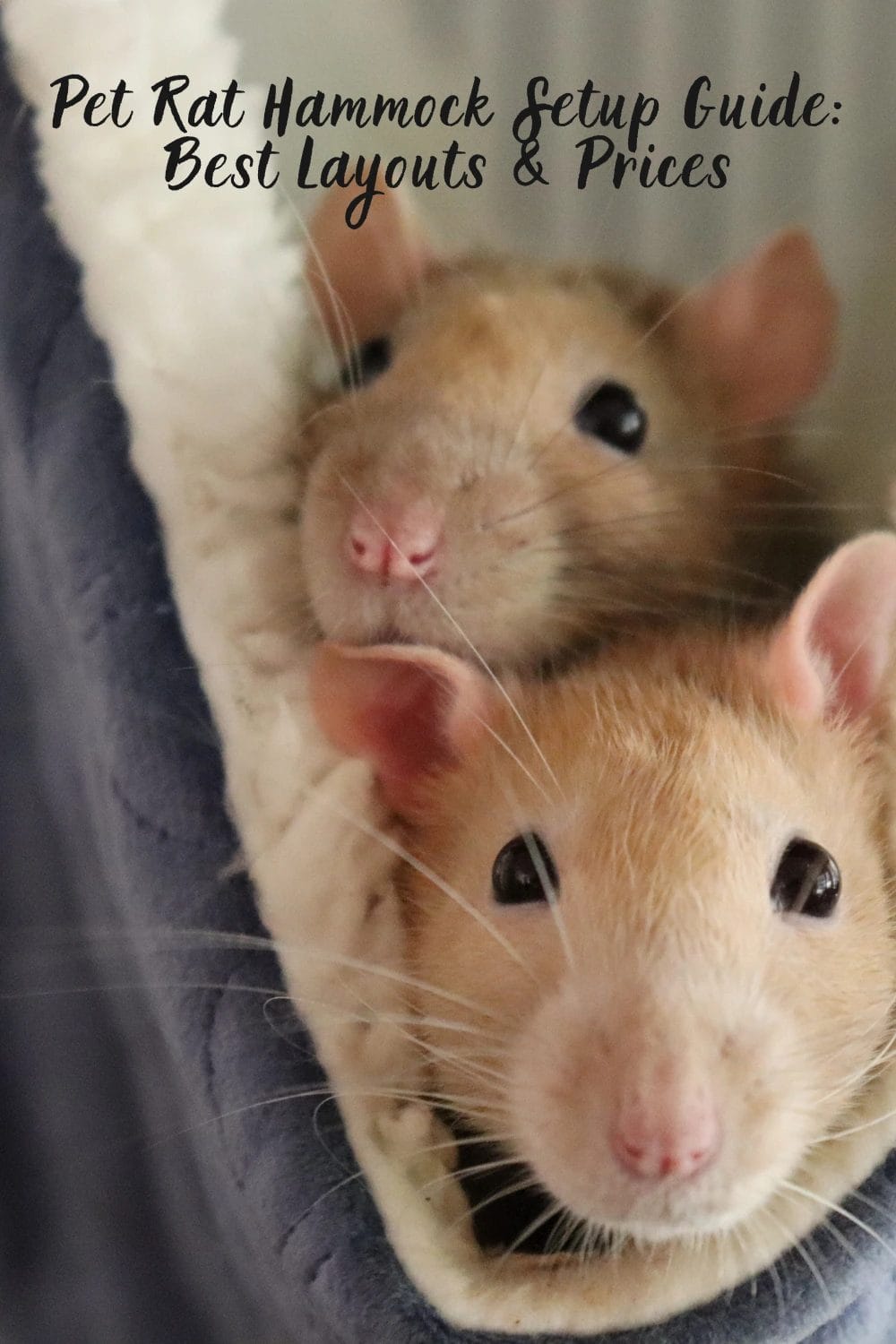
There is a specific kind of peace that comes from watching your ratties curled up together in a fuzzy heap, their little noses twitching in rhythm as they dream. Because rats are arboreal by nature, they feel most secure when they are off the ground, tucked into a cozy corner high in their cage.
In this comprehensive pet rat hammock setup guide, we are going to walk you through everything you need to know to create the perfect aerial retreat for your pocket friends.
We will discuss the different types of hammocks available, from simple honeycombs to triple-decker bunks, and provide a clear breakdown of pricing so you can plan your budget.
Whether you are a new owner setting up your first Critter Nation or a seasoned “rat parent” looking to refresh your cage layout, this guide offers the actionable steps needed to elevate your pets’ quality of life.
Why Hammocks are Essential for Rat Welfare
Rats are incredibly social creatures that thrive on physical contact, often sleeping in “rat piles” to conserve heat and strengthen colony bonds. In the wild, they would seek out high, hidden crevices to avoid predators. In your home, a hammock serves as that high-altitude burrow.
By following a proper pet rat hammock setup guide, you are addressing their psychological need for security.
When a rat has a comfortable place to hide, you will notice a significant decrease in stress-related behaviors and an increase in their overall confidence when interacting with you.
Preventing Bumblefoot and Injuries
One of the most practical reasons to install a variety of fabric levels is to protect your rats’ sensitive feet. Walking on wire ramps or floors all day can lead to ulcerative pododermatitis, commonly known as bumblefoot.
Hammocks provide a soft, forgiving surface that cushions their joints. Furthermore, strategically placed hammocks act as “safety nets”.
As rats age, they can become a bit more clumsy; a well-positioned flat hammock can catch a senior rat if they lose their footing while climbing, preventing a dangerous fall to the bottom of the cage.
Mental Stimulation and Exercise
A cage filled with hammocks encourages movement. By creating a “highway” of fabric, you force your rats to balance, stretch, and climb to get from their food bowl to their favorite sleeping spot. This keeps their muscles toned and their minds engaged. A static cage is a boring cage, and for a creature as smart as a rat, boredom can lead to depression. Using a pet rat hammock setup guide to vary the heights and textures of their furniture is the easiest way to provide daily environmental enrichment.
Choosing the Right Materials
Before we look at the pet rat hammock setup guide pricing, we must talk about safety. Rats are “chewers” by trade, and the wrong fabric can be a death trap. Always avoid any fabric that frays into long, loose strings, such as towels or certain knits, as these can wrap around a rat’s neck or limbs, cutting off circulation.
The Magic of Anti-Pill Fleece
Fleece is the gold standard for rat bedding. It is soft, warm, and most importantly, it does not fray when chewed. It also has “wicking” properties, meaning it pulls moisture away from the surface, helping to keep your rats dry even if they have a little accident in their sleep.
Heavy-Duty Hardware
When hanging your hammocks, avoid the cheap plastic hooks that often come with pet store sets. Rats will chew through plastic in minutes, sending the hammock (and the sleeping rats) tumbling down. Invest in metal shower curtain rings or “pear links.” They are inexpensive, indestructible, and make it much easier to snap hammocks on and off during cleaning day.
Pet Rat Hammock Setup Guide: Pricing and Options
Building a cozy home doesn’t have to cost a fortune, but investing in quality can save you money in the long run. Below is a table detailing the common types of hammocks and their average market prices to help you plan your pet rat hammock setup guide budget.
| Hammock Type | Description | Estimated Price (USD) |
| Simple Flat Hammock | A single square of fleece with four attachment points. Great for “safety nets.” | $8 – $12 |
| Double-Decker / Bunk | Two layers of fabric, allowing rats to sleep on top or inside the “pocket.” | $15 – $22 |
| Honeycomb / Triple Bunk | Three levels of hanging fun. Perfect for larger colonies of 4+ rats. | $25 – $35 |
| Corner Hideout | Fits into the 90-degree corner of a cage. Excellent for saving space. | $10 – $15 |
| Space Pod (Sputnik) | A hard plastic hanging pod. While not fabric, it is a staple “hammock” style. | $12 – $18 |
| Tunnels & Tubes | Suspended fleece tubes that connect different areas of the cage. | $15 – $25 |
Step-by-Step Installation: Your Pet Rat Hammock Setup Guide
Once you have your supplies, it is time to arrange them. The goal is to utilize the vertical space of the cage without making it so cluttered that it is difficult to clean.
Phase 1: The High Point
Start by hanging your largest, most enclosed hammock (like a triple bunk) in the highest corner of the cage. This will almost certainly become the main sleeping quarters. Because heat rises, this is where they will want to spend their deep-sleep hours during the day.
Phase 2: The Transition Zones
Use flat hammocks or fleece tunnels to create a path from the top corner down to the lower levels. Make sure the “leap” between items is no more than a few inches for younger rats, and even closer for seniors. This encourages them to move through the cage in three dimensions.
Phase 3: The Safety Fall Zones
Look at the open spaces in the middle of your cage. If a rat were to fall from the very top, where would they land? Place a “catch” hammock halfway down. This breaks a potential fall and provides a nice place for them to stop and groom themselves during active hours. Following this pet rat hammock setup guide safety step is crucial for long-term health.
Maintenance and Hygiene
Rats are clean animals, but they do produce a fair amount of ammonia through their urine, which can lead to Upper Respiratory Infections (URIs) if it builds up. Because hammocks are made of fabric, they act like sponges for odors.
The Sniff Test
You should change out all fabric items at least once or twice a week. If you have a large colony of boys (who tend to be scent-markers), you may need to do this every three days. A key part of any pet rat hammock setup guide is having a “double set” of fleece. While one set is in the wash, the other is in the cage, so your rats are never without a place to sleep.
Washing Tips
- Use Unscented Detergent: Rats have incredibly sensitive respiratory systems. Avoid heavy perfumes, dyes, or fabric softeners.
- Vinegar Power: Adding a cup of white vinegar to the rinse cycle is a natural way to break down the enzymes in rat urine and neutralize odors without harsh chemicals.
- Air Dry or Low Heat: High heat can shrink fleece and melt the plastic clips if you forget to remove them.
Conclusion: Creating a Haven of Comfort
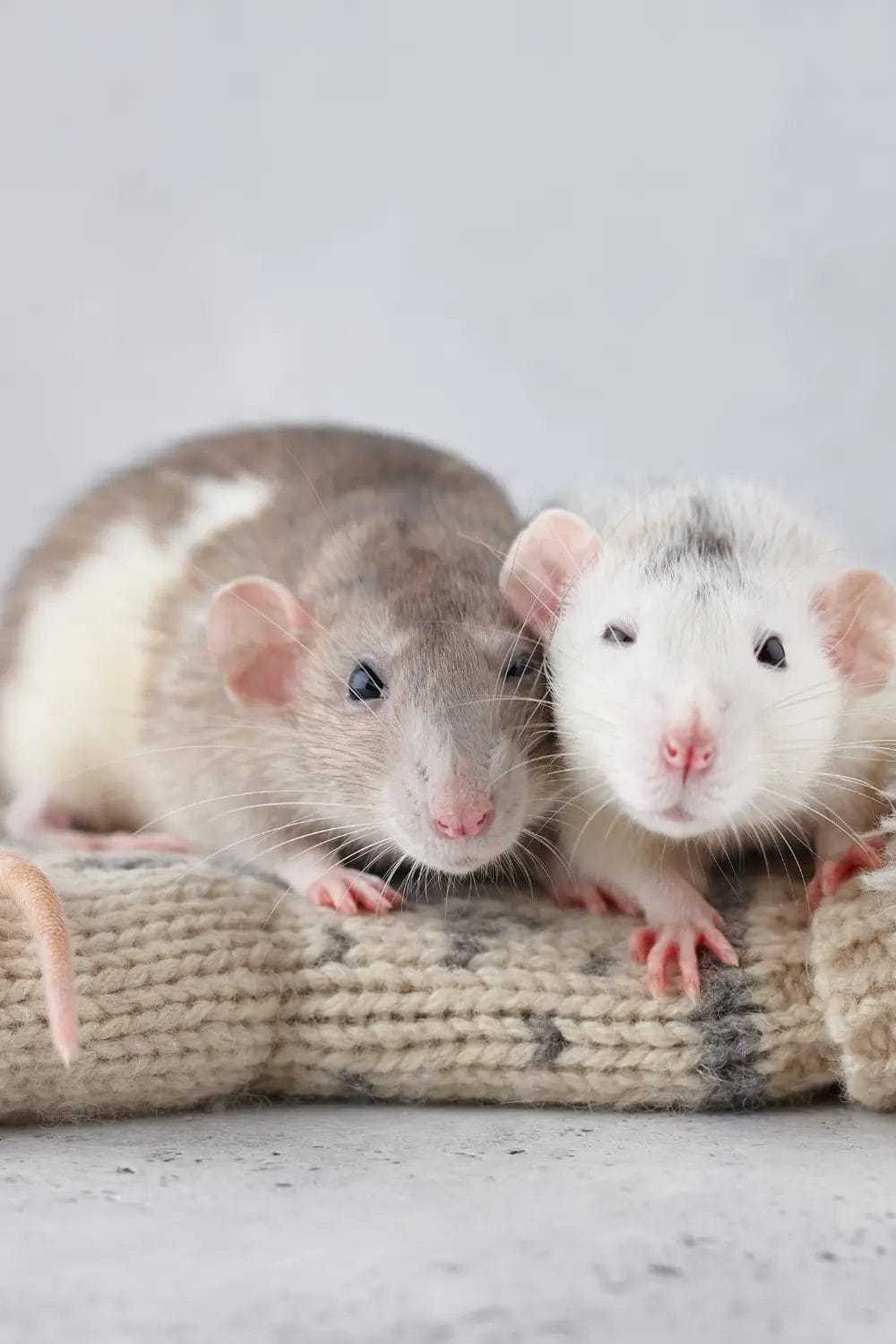
Your rats’ cage is more than just an enclosure; it is the landscape of their lives.
By using this pet rat hammock setup guide, you are providing more than just furniture; you are giving them the gift of comfort, safety, and play.
There is no better feeling than finishing a cage clean, hanging up fresh, soft hammocks, and watching your rats popcorn with excitement as they explore their refreshed home.
The investment of a few dollars and a little time results in a profound impact on their happiness.
Start with a few basic pieces and watch how your rats use the space, then gradually build your collection to suit their unique personalities.
Your whiskered friends will thank you with plenty of boggles and bruxing.
FAQs About Pet Rat Hammocks
Yes, chewing is a natural instinct. Some rats are “interior decorators” and will chew holes to create new entrances or exits. To minimize damage, provide plenty of safe wooden chew toys and cardboard boxes to distract them from their expensive fleece.
A good rule of thumb is to have at least one “sleeping” hammock for every two rats, plus two or three “transitional” hammocks for climbing. More is almost always better, as it prevents squabbles over the best spot.
If you aren’t using a wire cage, you can install small eye-screws into the wooden frame. You can then clip your hammock links directly into those screws. Just ensure the wood is a rat-safe variety (like kiln-dried pine).
You can, provided the material is safe. Old fleece pajamas or sweatshirts are perfect. Just avoid anything with zippers, buttons, or loose strings that could be swallowed or cause injury.
Rats are individuals! Some prefer the sturdy feel of a plastic pod, especially in warmer weather. Try putting a small piece of fleece inside the pod to give them the best of both worlds.

- Halloween Names for Cats: 150+ Spooky, Cute & Funny Ideas - October 16, 2026
- Halloween Dog Treats Recipe: 5 Easy Homemade Pumpkin Treats - October 15, 2026
- Thanksgiving Dog Treats: Safe Recipes & Foods to Avoid - October 8, 2026
GIPHY App Key not set. Please check settings