

 Lauryn Dell
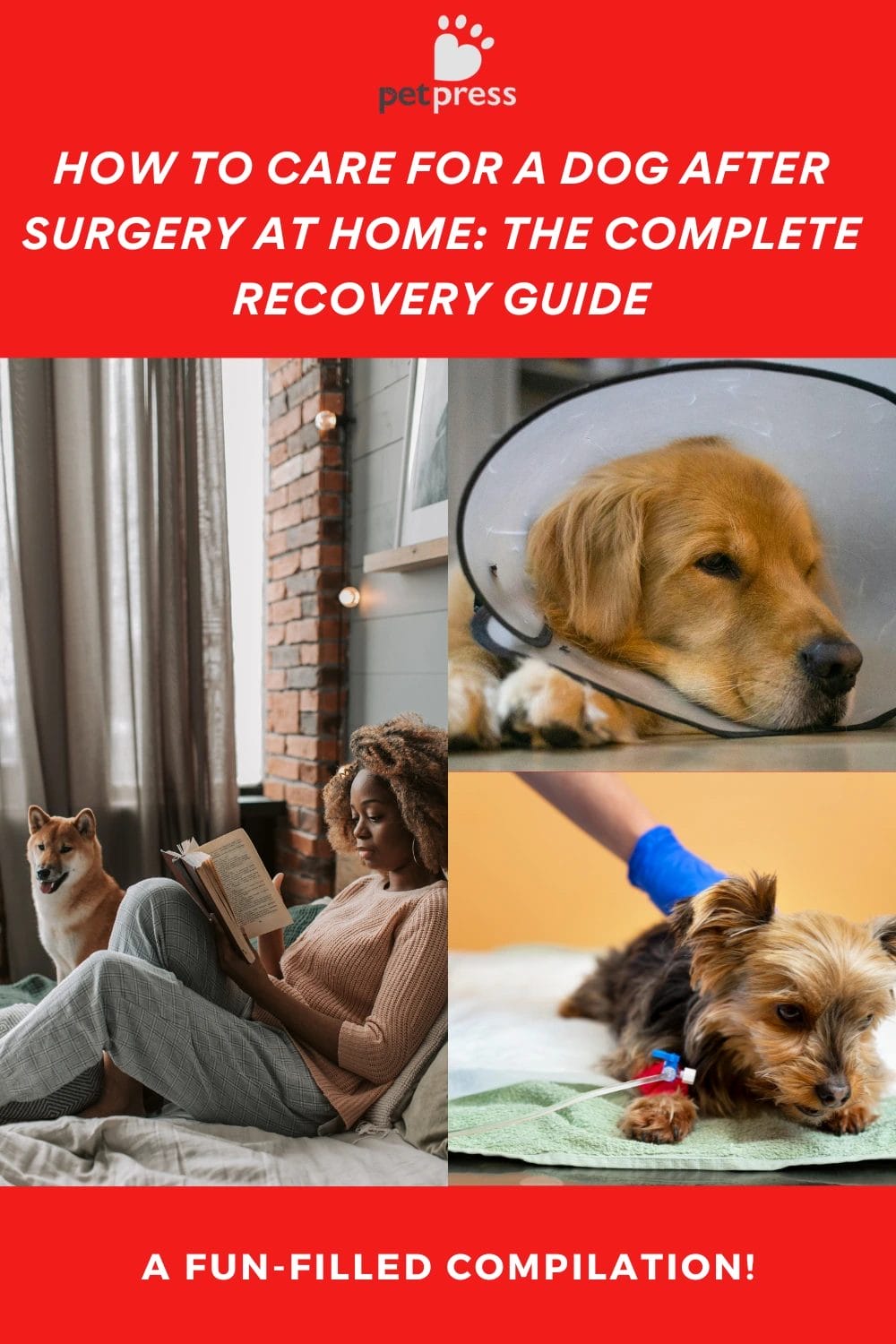
Bringing your dog home after surgery is one of the most nerve-wracking experiences a pet parent can go through. Your dog looks different.
They are groggy confused and maybe a little unsteady on their feet. There is a strange cone around their neck and a wound that needs protecting.
And suddenly the responsibility of keeping them safe and comfortable falls entirely on your shoulders. It is a lot. And it is completely okay to feel overwhelmed by it.
The good news is that knowing how to care for a dog after surgery at home is absolutely something you can learn and do well.
Most dogs recover beautifully when their post-operative care is handled correctly and your presence your love and your attentiveness are the most powerful healing tools available.
In this complete recovery guide you will learn everything you need to know about how to care for a dog after surgery at home.
We cover the first 24 hours wound care activity restrictions feeding pain management and the warning signs that tell you when something needs immediate veterinary attention. By the end of this guide you will feel informed prepared and ready to give your dog the best possible recovery.
Before Your Dog Comes Home: Preparing Your Space for Recovery
The most important preparation happens before your dog even walks through the door. Setting up a proper recovery space in advance means you can focus entirely on your dog when they arrive instead of scrambling to organize things while they are already home and confused.
Setting Up a Recovery Area
Choose a quiet low-traffic area of your home where your dog can rest without constant disturbance. This space should be away from stairs other pets children and anything that could cause your dog to jump or overexert themselves during the early stages of recovery.
What your dog’s recovery area should include:
- A clean comfortable orthopedic or padded bed: Low to the ground so your dog does not have to jump or climb to reach it.
- Fresh water within easy reach: Hydration is critical for post-surgical recovery.
- Non-slip flooring or rugs: Anesthesia can affect coordination temporarily so slippery floors are a hazard.
- A baby gate or exercise pen: To restrict access to stairs and other areas that could cause injury.
- Warmth and quiet: A calm environment helps reduce stress and supports faster healing.
How to Care for a Dog After Surgery: The Critical First 24 Hours
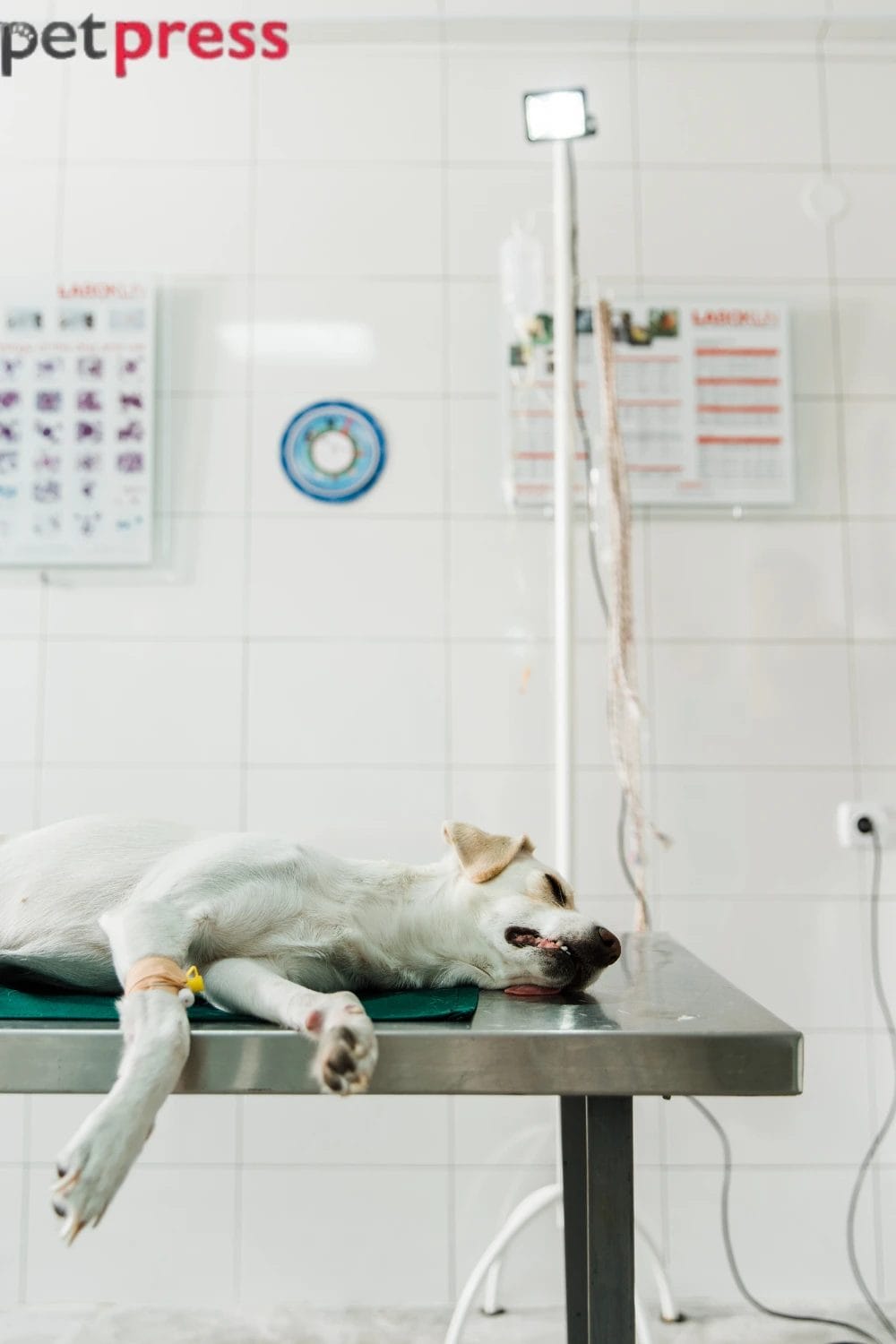
The first day after surgery is the most unpredictable and requires the most attentive care. Your dog will still have anesthesia in their system which affects their behavior coordination and appetite in ways that can look alarming but are usually completely normal.
What to Expect in the First 24 Hours
- Grogginess and disorientation: Completely normal as anesthesia clears the system. Your dog may seem confused or distant for several hours.
- Reduced appetite: Most dogs are not interested in food for the first 12 to 24 hours after surgery. This is expected.
- Shivering or shaking: A common side effect of anesthesia. Keep your dog warm and comfortable.
- Nausea or vomiting: Some dogs experience mild nausea after anesthesia. Offer small amounts of water first before introducing food.
- Whimpering or restlessness: Your dog may be experiencing discomfort as the anesthesia wears off. Monitor closely and administer prescribed pain medication as directed.
Feeding After Surgery
Most veterinarians recommend offering small amounts of water first and waiting several hours before introducing food after surgery.
When you do offer food start with a small bland meal such as plain boiled chicken and white rice. Avoid your dog’s regular food for the first meal or two if their stomach seems sensitive.
Important: Always follow your veterinarian’s specific post-surgical feeding instructions as they may vary based on the type of surgery your dog had.
Wound Care: The Most Important Part of How to Care for a Dog After Surgery
Proper wound care is the single most critical component of post-surgical recovery at home. An infected or reopened incision can lead to serious complications that require additional veterinary treatment and significantly extend your dog’s recovery time.
Daily Incision Checks
Check your dog’s incision site at least twice daily. You are looking for signs of normal healing versus signs of complication. Knowing the difference gives you confidence and helps you act quickly when something is not right.
Signs of normal healing:
- Mild pinkness or redness directly around the incision edges in the first few days
- Slight swelling immediately around the wound
- Small amount of clear or slightly pink discharge in the first 24 to 48 hours
- Gradual reduction in swelling and redness over the first week
Signs of infection or complication:
- Increasing redness swelling or warmth after the first 48 hours
- Yellow green or foul-smelling discharge
- Gaping or opening of the incision
- Excessive bleeding
- Your dog crying or flinching when you touch near the wound
If you notice any signs of infection contact your veterinarian immediately. Do not wait and hope it improves on its own.
The Cone of Shame Is Not Optional
Your dog will do everything in their power to lick bite and chew at their incision site. This is instinctual and it is one of the most common causes of post-surgical complications.
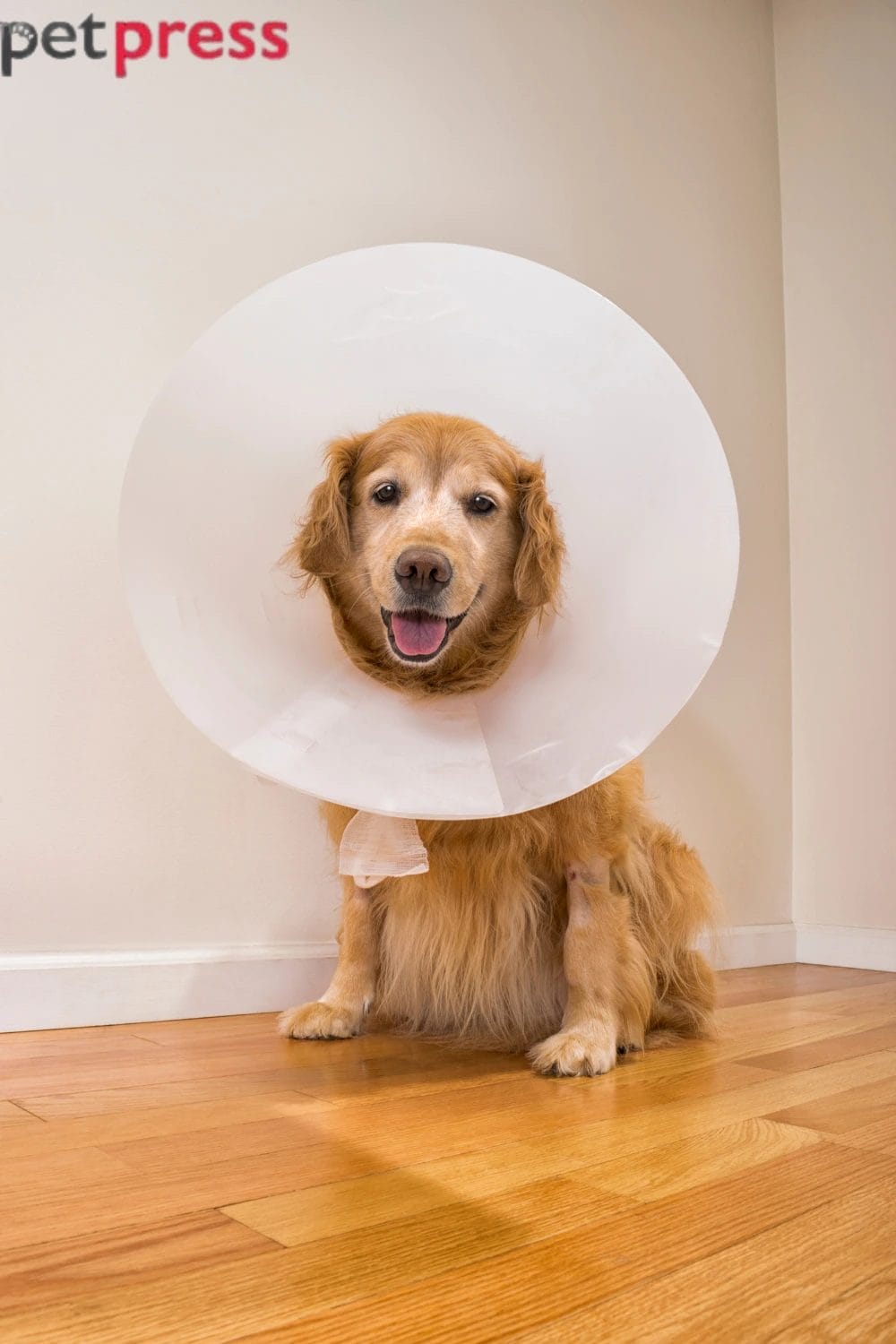
The Elizabethan collar commonly known as the cone of shame is an essential part of how to care for a dog after surgery and it must be worn consistently.
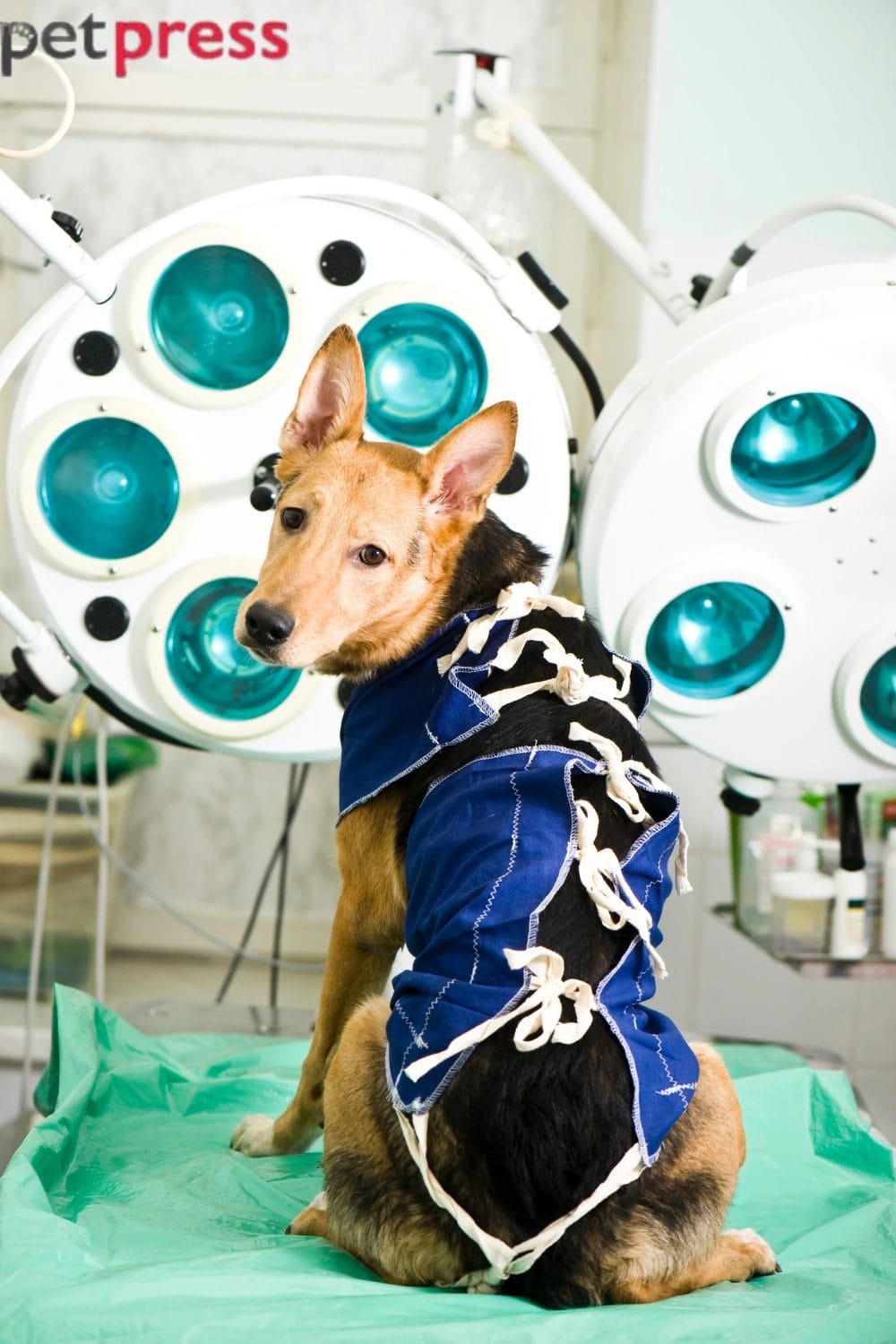
If your dog finds the traditional hard plastic cone too stressful there are gentler alternatives available including soft fabric cones inflatable donut collars and recovery suits.
Speak to your veterinarian about which option is best suited to your dog’s surgery site and temperament.
Rule of thumb: The cone stays on whenever you cannot directly supervise your dog. Even a few minutes of unsupervised access to the wound can undo days of careful healing.
Activity Restrictions: Why Rest Is the Most Powerful Medicine
One of the hardest parts of caring for a dog after surgery is enforcing rest especially for energetic dogs who do not understand why their routine has suddenly changed.
But rest is genuinely non-negotiable during the recovery period and overdoing activity is one of the leading causes of post-surgical setbacks.
General Activity Guidelines by Recovery Week
Week one: Strict rest
- No running jumping or climbing stairs
- Short leash walks for bathroom purposes only
- No off-leash time whatsoever
- Carry small dogs up and down any steps
Weeks two to four: Gradual return to activity
- Slightly longer leash walks as tolerated and as approved by your vet
- Continue to avoid running jumping and rough play
- Introduce gentle mental stimulation like puzzle feeders and calm interaction
- Follow your veterinarian’s specific timeline as it varies by surgery type
Remember: Every surgery is different. Always follow your veterinarian’s specific activity guidelines over any general advice. Your vet knows your dog’s exact procedure and recovery requirements.
Pain Management: Keeping Your Dog Comfortable During Recovery
Managing your dog’s pain effectively is one of the most compassionate and important aspects of post-surgical home care. Dogs often hide pain instinctively which means you need to know the subtle signs and stay ahead of their discomfort with the medications your veterinarian has prescribed.
Signs Your Dog Is in Pain After Surgery
- Reluctance to move or change positions
- Panting excessively without physical activity
- Whimpering crying or vocalizing when touched or moved
- Loss of appetite lasting beyond the first day
- Tucked tail hunched posture or flattened ears
- Aggression or unusual snapping when approached
Critical rule: Never give your dog human pain medications including ibuprofen aspirin or acetaminophen. These are toxic to dogs and can cause severe organ damage or death. Only administer medications prescribed specifically by your veterinarian.
Administering Medications: A Practical Guide
One of the trickiest practical challenges when you care for a dog after surgery is getting them to take their medications consistently. Here are the most reliable methods to make it easier for both of you.
- Hide it in food. Most dogs will happily swallow a pill hidden inside a small piece of soft cheese peanut butter or a specially designed pill pocket treat.
- Use a pill gun. A pet pill dispenser allows you to place the pill at the back of your dog’s throat quickly and hygienically.
- Ask about liquid alternatives. Many veterinary medications are available in liquid form which can be mixed directly into food for dogs who refuse pills.
- Stay consistent with timing. Set phone reminders if needed. Consistent dosing is critical for pain management and infection prevention.
- Complete the full course. Even if your dog seems to be feeling better never stop antibiotics or pain medications early without consulting your veterinarian first.
Warning Signs That Require Immediate Veterinary Attention
Knowing when to call your veterinarian is one of the most important things you can do when you care for a dog after surgery at home. Most recoveries go smoothly but complications can arise and early intervention always leads to better outcomes.
Contact your veterinarian immediately if your dog shows any of the following:
- Excessive bleeding from the incision site
- The incision opens or sutures come out
- Signs of infection including yellow or green discharge and increasing swelling
- Difficulty breathing or unusual breathing patterns
- Complete refusal to eat or drink for more than 48 hours
- Persistent vomiting or diarrhea
- Extreme lethargy that does not improve after the first 24 hours
- Fever indicated by temperature above 103.5 degrees Fahrenheit
- Sudden collapse or loss of consciousness
When in doubt call. Your veterinarian would always rather receive an unnecessary call than have a complication go unaddressed. Trust your gut as a pet parent. You know your dog better than anyone.
Conclusion: Your Love Is the Best Medicine
Knowing how to care for a dog after surgery at home is genuinely one of the most important things you can do as a pet parent.
The clinical steps matter enormously. The wound checks the medications the activity restrictions and the warning signs all play a critical role in your dog’s recovery.
But do not underestimate what your presence your calm energy and your love bring to the healing process as well.
Prepare your recovery space before your dog comes home. Watch the incision twice daily. Keep the cone on consistently. Enforce rest even when it is hard.
Administer medications on schedule. And trust yourself to recognize when something does not look right.
Your dog cannot tell you how much your care means to them during this vulnerable time. But the way they look at you when they start feeling better will say everything that words cannot.
Did you find this guide helpful? Save it for your dog’s recovery share it with a fellow pet parent who is going through the same thing and let us know in the comments how your dog is doing. We are rooting for a smooth and speedy recovery.
Frequently Asked Questions
Recovery time varies significantly depending on the type of surgery your dog had. Minor procedures like spaying or neutering typically require two weeks of restricted activity. More complex surgeries such as orthopedic procedures can require six to eight weeks or longer of careful home management.
For the first meal after surgery offer a small bland meal such as plain boiled chicken and white rice to reduce the risk of nausea. Most dogs can return to their regular diet within 24 to 48 hours unless their veterinarian has given specific dietary instructions. Always offer fresh water and ensure your dog is staying hydrated throughout the recovery period.
The most reliable way to prevent your dog from licking their incision is consistent use of an Elizabethan collar or cone. The cone must be worn whenever you cannot directly supervise your dog even during sleep. If your dog is extremely distressed by the hard plastic cone alternatives include soft fabric cones inflatable recovery collars and surgical recovery suits that cover the incision site.
Yes completely normal. Sleeping more than usual in the first 24 to 48 hours after surgery is expected as anesthesia and the physical stress of the procedure take a significant toll on the body. Rest is actually one of the most important components of recovery.
In most cases you should avoid bathing your dog for at least 10 to 14 days after surgery or until your veterinarian confirms the incision has fully healed and closed. Getting the incision wet can introduce bacteria and significantly increase the risk of infection.

- Thanksgiving Dog Treats: Safe Recipes & Foods to Avoid - October 8, 2026
- Can Dogs Eat Sweet Potatoes? Benefits, Risks, and How to Serve Them Safe - October 3, 2026
- Can Dogs Eat Rice? Benefits, Risks & Safe Serving Tips - October 2, 2026
GIPHY App Key not set. Please check settings