

 Lauryn Dell

When weighing the Bernedoodle vs Aussiedoodle for apartment living, you aren’t just looking at cuteness; you are looking at compatibility with square footage, noise ordinances, and elevator rides.
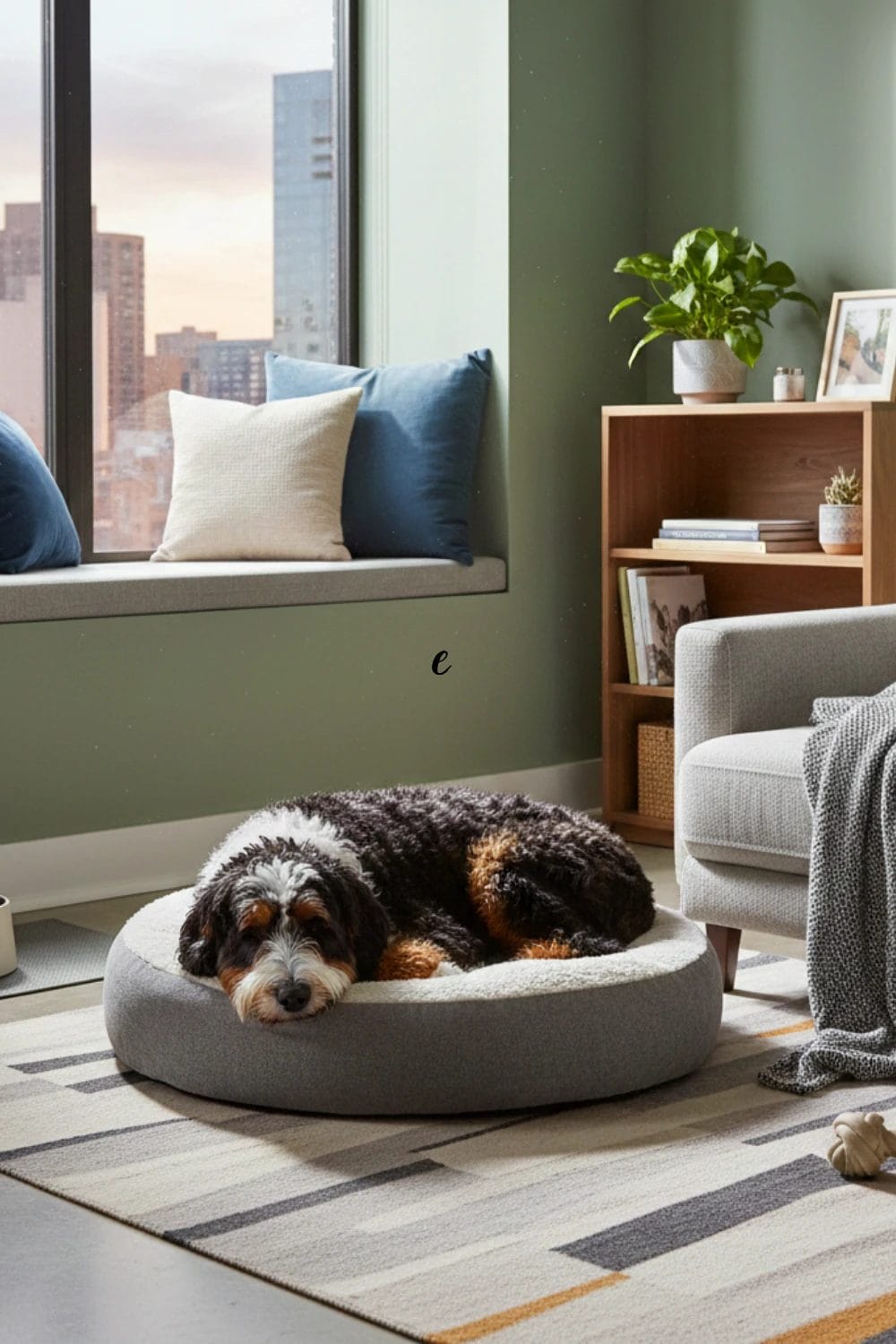
The Bernedoodle, a cross between a Bernese Mountain Dog and a Poodle, is often dubbed the “velcro dog” with a penchant for naps.
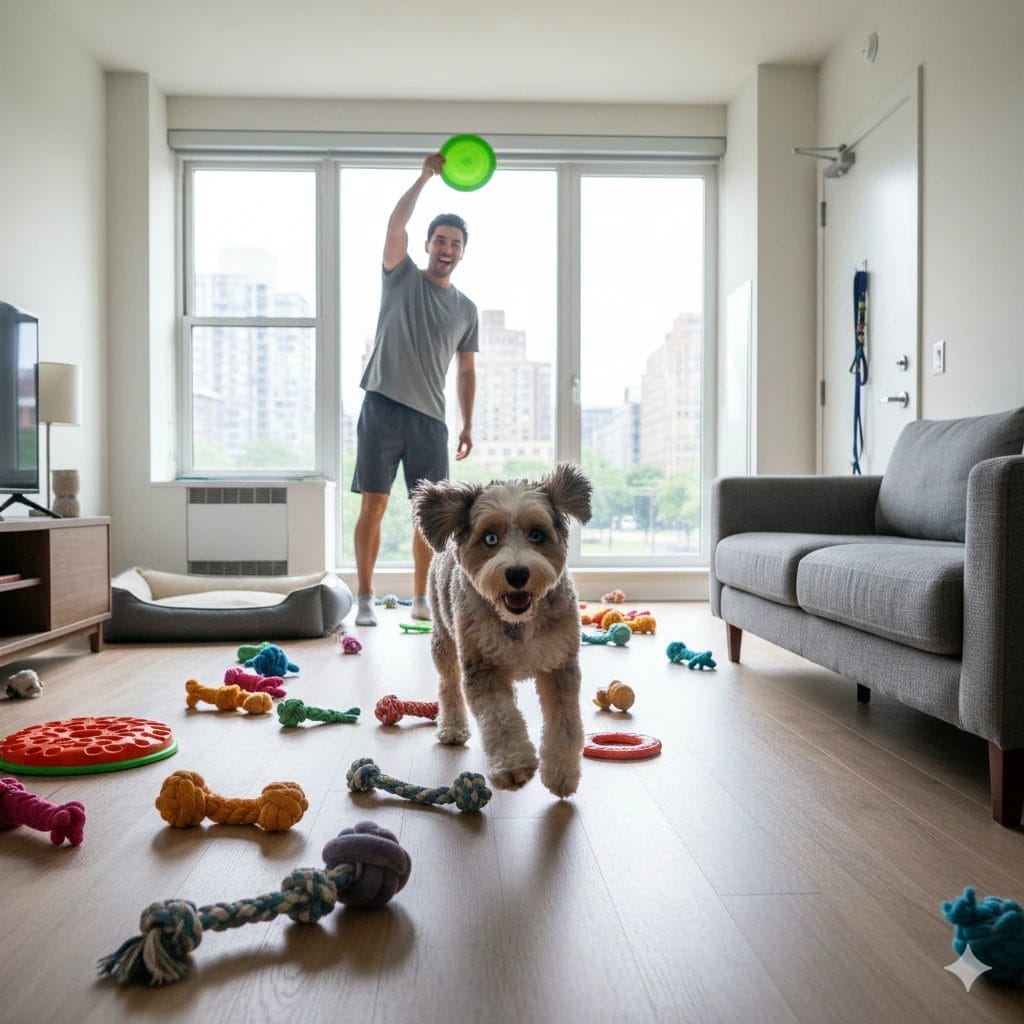
In contrast, the Aussiedoodle—a mix of the Australian Shepherd and Poodle—is a “genius with fur” that rarely stops moving.
While both breeds are intelligent and hypoallergenic, their energy levels and space requirements differ drastically.
This article breaks down the essential factors of the Bernedoodle vs Aussiedoodle debate to help you decide which hybrid will thrive in your apartment and which might find it a bit too cramped for comfort.
Understanding the Breed’s Origins
To understand how these dogs behave in an apartment, we have to look at their DNA. The Bernedoodle inherits the calm, steady nature of the
Bernese Mountain Dog, a breed designed for pulling carts and guarding farms with a low-intensity pace. The Aussiedoodle inherits the high-octane drive of the Australian Shepherd, a breed meant to herd livestock for hours on end.
In an apartment, these traits translate to “settle-ability”. A Bernedoodle is generally more capable of relaxing on a rug while you work.
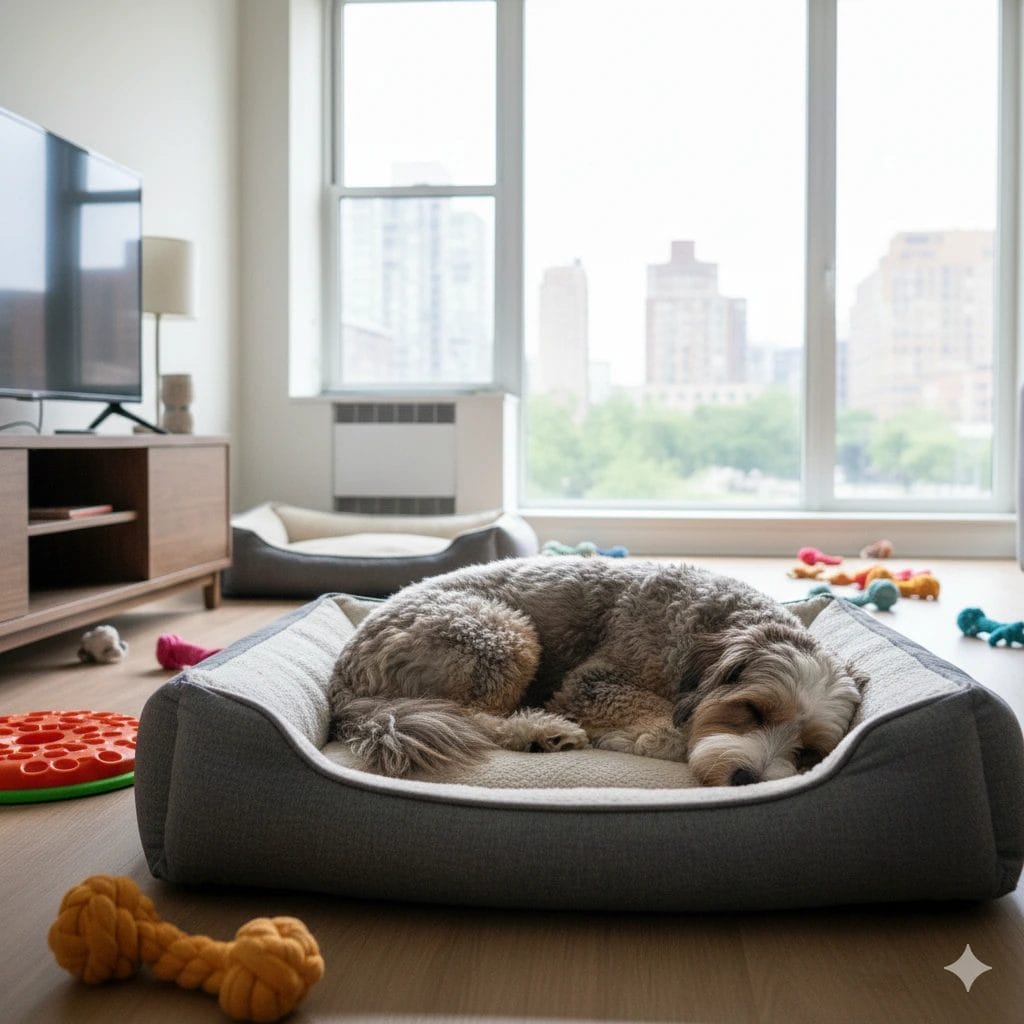
An Aussiedoodle, however, may view your hallway as a mini-sprint track if they aren’t mentally stimulated.
Size Matters: From Tiny to Standard
Both breeds come in three main sizes: Toy, Miniature, and Standard.
- Bernedoodles: Even “Mini” Bernedoodles can be stocky, often weighing 25–45 lbs.5 Standard versions can reach 70–90 lbs, which can make a studio apartment feel very small, very fast.
- Aussiedoodles: They tend to be leaner. A Mini Aussiedoodle usually stays between 15–35 lbs.6 Their smaller frame is physically easier to manage in tight hallways, but their “zoomies” require more floor space.
Energy Levels and Exercise Requirements
This is the most critical factor in the Bernedoodle vs Aussiedoodle for apartment living comparison.
- Bernedoodle Energy: They have moderate energy. A 45-minute walk plus some indoor play is usually enough to keep them happy. They are known for having “bursts” of energy followed by long naps.
- Aussiedoodle Energy: These are high-energy athletes. An Aussiedoodle doesn’t just need a walk; they need a job. Without a park nearby where they can fetch or run, they may become destructive in an apartment setting.
Temperament and Noise
Living in an apartment means having neighbors on the other side of the wall.
- The Bernedoodle is generally quieter. They may bark to alert you of a visitor, but they aren’t known for being “yappy.”
- The Aussiedoodle is more prone to alert barking. Because of their herding instincts, they are highly sensitive to sounds in the hallway—the elevator dings, footsteps, or neighbors talking—which can lead to noise complaints if not trained early.
Training for Small Spaces
Both breeds are highly intelligent thanks to their Poodle parentage. However, the Aussiedoodle is often too smart for its own good.
If you don’t give them a puzzle toy, they might figure out how to open your cabinets. Bernedoodles are eager to please but can be a bit more stubborn, requiring a patient hand.
Grooming in an Apartment
Living with a shedding dog in a small space means fur in your kitchen, on your bed, and in your food. Both these doodles are low-shedding, which is a massive plus for apartment dwellers.
However, you will need a dedicated space for grooming tools, as both require daily brushing to prevent matting.
Comparison Table: At a Glance
| Feature | Bernedoodle | Aussiedoodle |
| Energy Level | Moderate | Very High |
| Trainability | High (but stubborn) | Extreme (eager) |
| Noise Level | Generally Quiet | Can be Vocal |
| Space Needs | Prefers a large couch | Prefers open floor |
| Alone Time | Prone to separation anxiety | Needs constant stimulus |
Why the Bernedoodle Often Wins the Apartment Race
For most people, the Bernedoodle vs Aussiedoodle for apartment living choice leans toward the Bernedoodle.
Their “off-switch” is more reliable. Apartment living often involves a lot of downtime, and the Bernedoodle is the king of lounging.
As long as they get their daily outdoor time, they are content to be a “rug dog” for the rest of the day.
Why the Aussiedoodle is a Challenge
The Aussiedoodle is an amazing dog, but they are “hard mode” for apartments. If you are an ultramarathoner or someone who spends 3 hours a day at the park, it can work. But for the average professional, the Aussiedoodle’s need for mental stimulation can be overwhelming in a confined space.
Health and Longevity
Both hybrids are generally healthy, but size plays a role. Smaller versions of both breeds tend to live longer (12–15 years) than standard sizes. In an apartment, a healthy dog is a happy dog, so ensuring they don’t become obese—which is easy in small spaces—is vital.
Conclusion
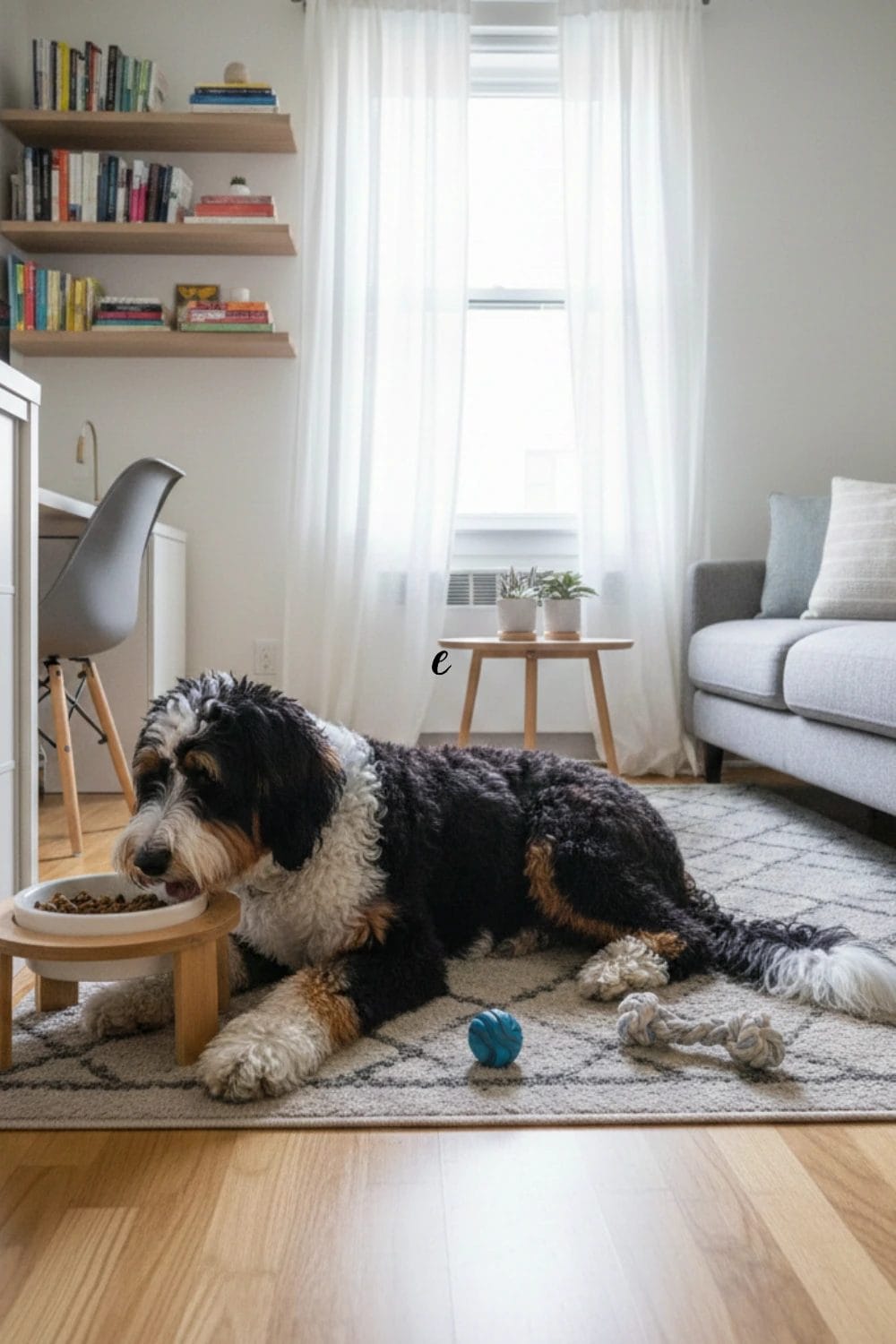
When deciding between a Bernedoodle vs Aussiedoodle for apartment living, the Bernedoodle is typically the more compatible choice for the average urban lifestyle.
Their calm temperament and moderate energy levels make them better suited for life without a backyard.
However, if you are a high-energy individual who can provide hours of mental and physical engagement, the Aussiedoodle’s intelligence and compact size can also find a home in the city.
Regardless of your choice, remember that any dog in an apartment requires consistent training and a commitment to getting outside.
Frequently Asked Questions
Generally, Bernedoodles are better for first-time owners because they are more laid-back. Aussiedoodles can be too demanding and may outsmart a novice trainer.
Doodles are known for having a very low “doggy odor,” which is a huge benefit in small, poorly ventilated apartments.7
It is possible, but not ideal. A Standard Bernedoodle takes up a lot of physical space. A Mini or Tiny version is much better suited for a studio.
Both can struggle with separation anxiety. However, an Aussiedoodle is more likely to destroy furniture out of boredom compared to a Bernedoodle.
Both are excellent for allergy sufferers, but it depends on the generation (F1, F1b, etc.). Always look for a pup with a curlier coat for the least amount of dander.

- Mushroom Complex Supplements for Dogs with Cancer: A Guide - March 25, 2026
- 15 Meaningful Dog Memorial Tattoo Ideas & Costs - March 20, 2026
- Best Horse Hoof Supplement Reviews for Beginners (2026) - March 19, 2026
GIPHY App Key not set. Please check settings