

 Lauryn Dell

Always Look for best Vet for Your Senior Dog. As your dog ages, you want to ensure they receive the best possible care to keep them comfortable, active, and content during their golden years.
As your dog ages, you want to ensure they receive the best possible care to keep them comfortable, active, and happy during their golden years.
Choosing the best vet for senior dogs is crucial to monitor health conditions, manage pain, and detect any illnesses early. But with so many veterinary clinics around, how do you choose the right vet for your senior dog?
tive, and happy during their golden years. Choosing the best vet for senior dogs is crucial to monitor health conditions, manage pain, and detect any illnesses early. But with so many veterinary clinics around, how do you choose the right vet for your senior dog?
In this guide, we will walk you through practical, actionable tips on choosing a vet who understands the unique needs of senior dogs, what to look for in a clinic, questions to ask, and red flags to watch out for when selecting veterinary care for your aging pet.
Why Choosing the Right Vet for Senior Dogs Matters
Your dog’s needs change significantly as they age. Conditions such as arthritis, dental disease, kidney issues, and cognitive decline are common in older dogs.
A vet for senior dogs should have experience managing chronic conditions and monitoring the subtle signs of age-related issues.
Routine checkups become even more critical, often requiring senior dog wellness exams every six months instead of annually.
A knowledgeable vet can catch early signs of problems before they escalate into emergencies, helping your dog maintain their quality of life.
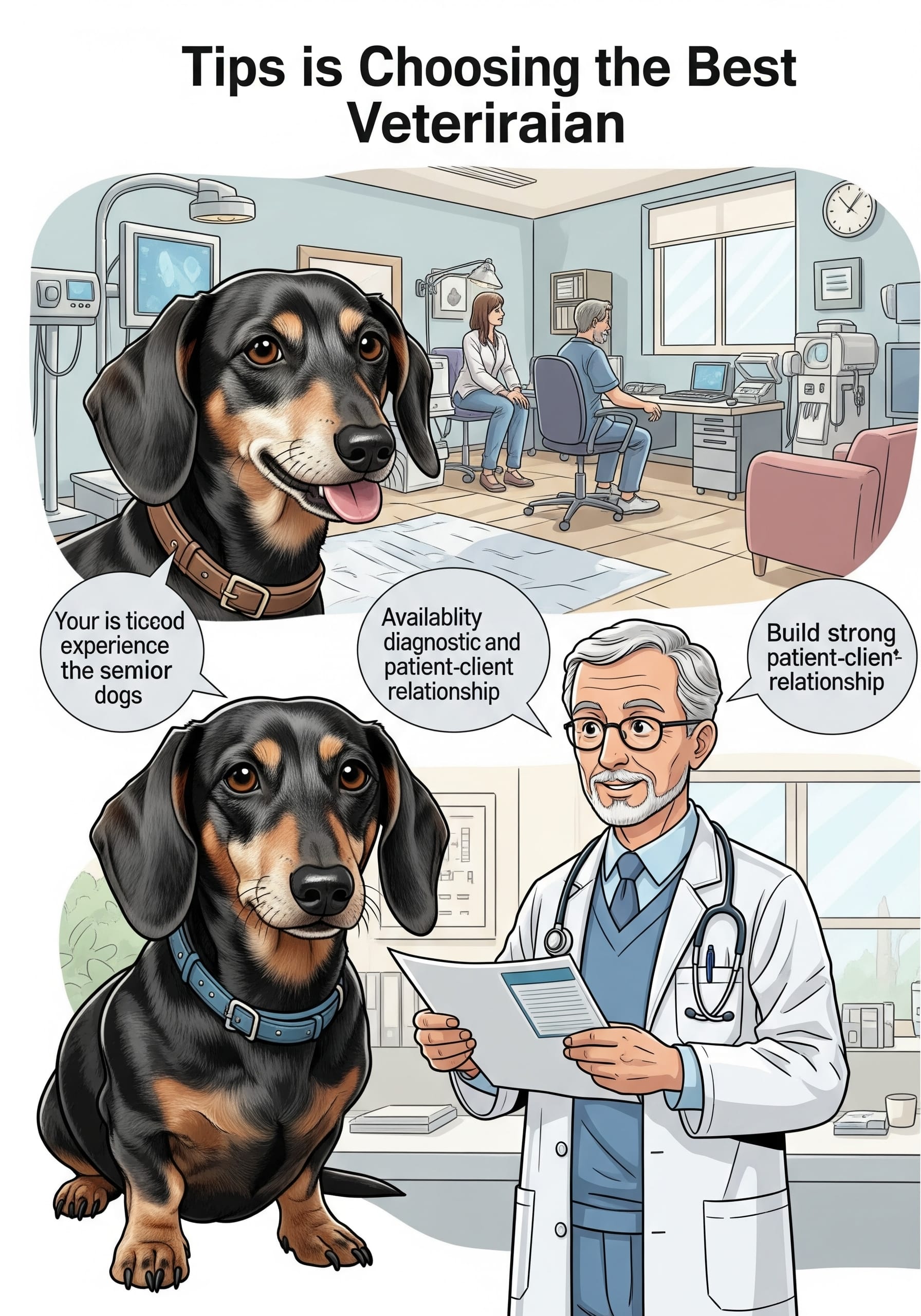
What to Look for in a Vet for Your Senior Dog
Here are the essential factors to consider when choosing the best veterinarian for your senior dog:
Experience with Senior Dogs
Not all vets have extensive experience managing the complexities of geriatric dog care.
Ask the clinic how often they handle senior pets and whether they provide senior wellness programs. A vet experienced in aging pets will know what lab tests, pain management options, and preventive care your dog may need as they grow older.
Advanced Diagnostic Capabilities
Senior dogs may require blood tests, X-rays, ultrasounds, and advanced diagnostics to monitor their health.
Check if the veterinary clinic has in-house diagnostic tools to quickly analyze test results, which can be vital if your senior dog experiences sudden health changes.
Compassionate, Clear Communication
You need a vet who will listen to your concerns and explain conditions and treatment plans in simple, understandable terms.
A vet who is willing to discuss quality of life assessments for senior dogs and provides options for pain management, mobility support, and palliative care when necessary is invaluable.
Accessible Location and Flexible Hours
Senior dogs may need frequent visits, so a conveniently located vet clinic with flexible hours will make your life easier.
Check if the clinic offers emergency services or can recommend a nearby emergency vet in case your senior dog has sudden health issues.
Fear-Free Handling and Comfortable Environment
Aging dogs can be more sensitive and stressed during vet visits. Look for clinics that practice fear-free veterinary care, with staff trained to handle senior dogs gently, using treats and low-stress techniques to keep your dog comfortable during checkups.
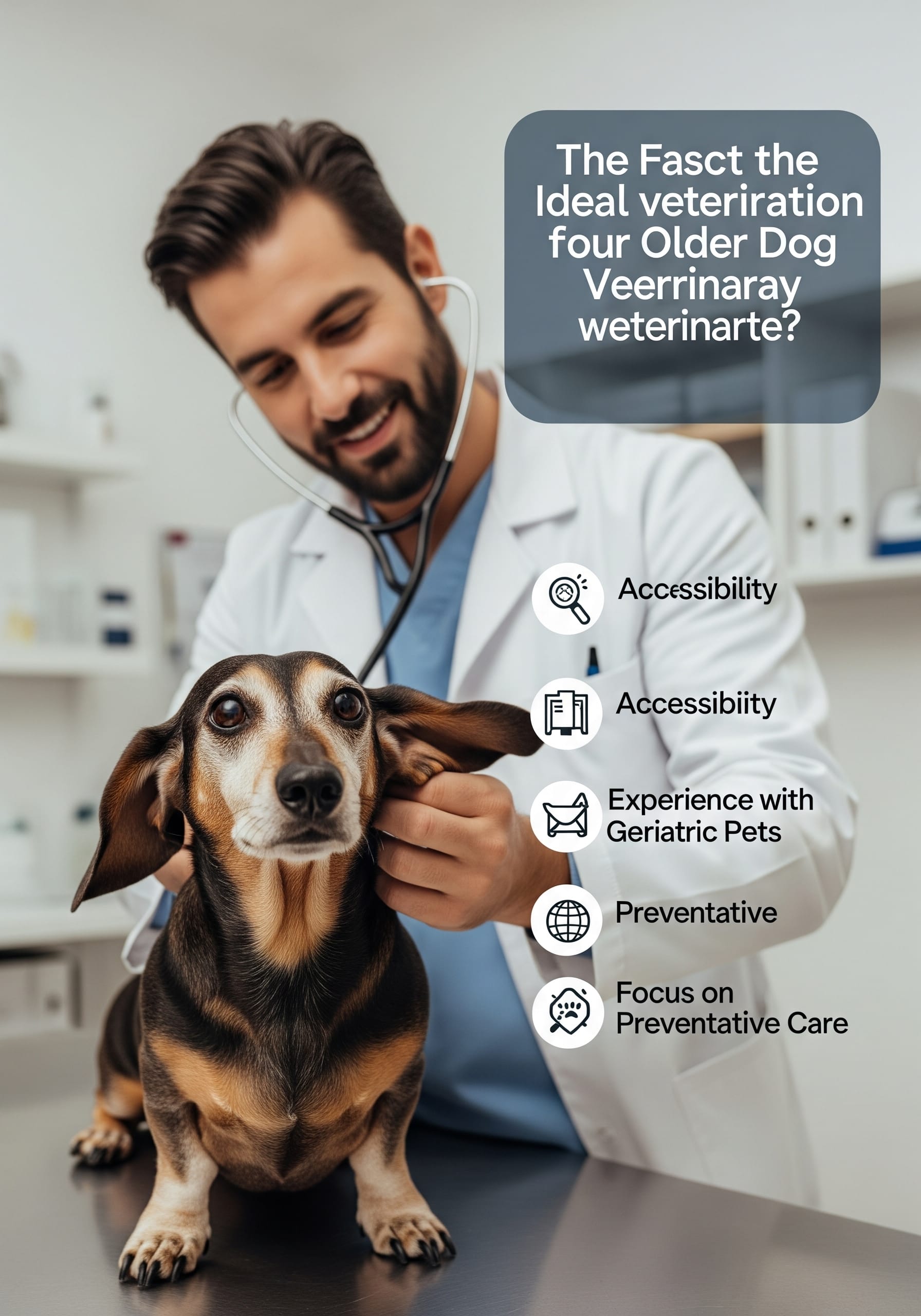
Questions to Ask Before Choosing a Vet for Your Senior Dog
Choosing a vet is similar to interviewing a healthcare provider for a family member. Here are practical questions you should ask:
- How often do you recommend checkups for senior dogs?
- What preventive care do you recommend for aging dogs?
- Do you have experience managing arthritis and chronic pain in dogs?
- Can you provide a senior dog wellness plan?
- What advanced diagnostic services do you offer in-house?
- What is your approach to end-of-life care and quality of life assessments?
Asking these questions will help you gauge if the vet aligns with your expectations and understands the emotional weight of caring for an aging pet.
Red Flags to Avoid When Choosing a Vet for Your Senior Dog
While many clinics provide excellent care, here are red flags to watch for:
- Lack of clear communication and rushed appointments
- No specific experience with senior pet care
- Limited diagnostic services for conditions common in aging dogs
- No discussion of pain management options for senior dogs
- Clinic environment that is chaotic, loud, or stressful for pets
If you notice these issues during a consultation or visit, continue your search to find a clinic that prioritizes your senior dog’s needs.
Building a Long-Term Relationship with Your Vet
Once you choose the best vet for your senior dog, focus on building a collaborative, open relationship with your veterinarian.
Share any behavioral or physical changes you notice, even if they seem minor.
Subtle signs like changes in drinking habits, reluctance to jump, or changes in appetite can indicate underlying health issues that need prompt attention.
Your vet should work with you to adjust diet, supplements, and exercise plans tailored for your aging dog’s comfort and mobility.
Home Care Matters Too
While your vet plays a critical role, senior dog care at home is equally important.
Ensure your dog’s environment is safe, with non-slip rugs, orthopedic beds, and easy access to food, water, and outdoor areas.
Maintain a consistent routine, provide gentle exercise, and monitor weight to reduce joint stress.
Regular dental care, grooming, and mental enrichment will also contribute to your senior dog’s overall health.
Final Thoughts
Choosing the best vet for your senior dog is one of the most impactful decisions you can make for their comfort and longevity.
By selecting a vet with experience in senior pet care, advanced diagnostics, and a compassionate approach, you give your dog the best chance to thrive during their golden years.
Invest the time to research, ask questions, and observe how your dog responds to the vet.
When you have a trusted veterinarian by your side, you can confidently navigate your dog’s aging journey with the knowledge and support you need to keep them healthy, comfortable, and happy.
FAQs about Choosing a Vet for Your Senior Dog
Senior dogs should typically see the vet every six months for senior wellness exams, even if they appear healthy, to monitor and catch age-related conditions early.
Ask about their experience with senior dogs, recommended checkup frequency, pain management strategies, diagnostic services, and approaches to quality of life assessments.
A good vet will discuss preventive care specific to aging dogs, suggest wellness screenings, and have experience managing chronic conditions such as arthritis and kidney disease.
Yes, it is worth considering a switch to ensure your senior dog receives the best care, especially if your current vet does not offer senior pet wellness programs or advanced diagnostics.
Sudden lethargy, difficulty breathing, loss of appetite for more than 24 hours, vomiting, diarrhea, weakness, or signs of pain should prompt an immediate vet visit.

- Mushroom Complex Supplements for Dogs with Cancer: A Guide - March 25, 2026
- 15 Meaningful Dog Memorial Tattoo Ideas & Costs - March 20, 2026
- Best Horse Hoof Supplement Reviews for Beginners (2026) - March 19, 2026
GIPHY App Key not set. Please check settings