

 Lauryn Dell
Creating a bioactive enclosure for your pet lizard is one of the best investments you can make for your reptile’s long-term health and happiness.
Unlike sterile enclosures that need constant cleaning, a bioactive setup functions like a small ecosystem, managing waste naturally while supporting your lizard’s physical and mental health.
If you want to level up your reptile care and create a stunning naturalistic reptile terrarium, this guide will walk you through every step, from substrate layers to choosing the right cleanup crew and live plants.
Why Choose a Bioactive Enclosure for Your Pet Lizard
When you set up a bioactive reptile enclosure, you mimic your pet’s natural environment while reducing maintenance. Here’s why it benefits both you and your pet:
- Natural Waste Breakdown: Microfauna like isopods and springtails, consume waste, reducing odor and manual spot-cleaning.
- Humidity Stability: Bioactive setups help maintain stable humidity levels essential for lizards like crested geckos, leopard geckos, and bearded dragons.
- Enrichment: Live plants and varied terrain encourage natural foraging and climbing behaviors.
- Long-Term Sustainability: Properly maintained bioactive enclosures require less frequent deep cleans, reducing stress for your lizard.
If you’re ready to create a thriving reptile habitat, let’s dive into the setup process.
Choosing the Right Enclosure for Your Bioactive Setup
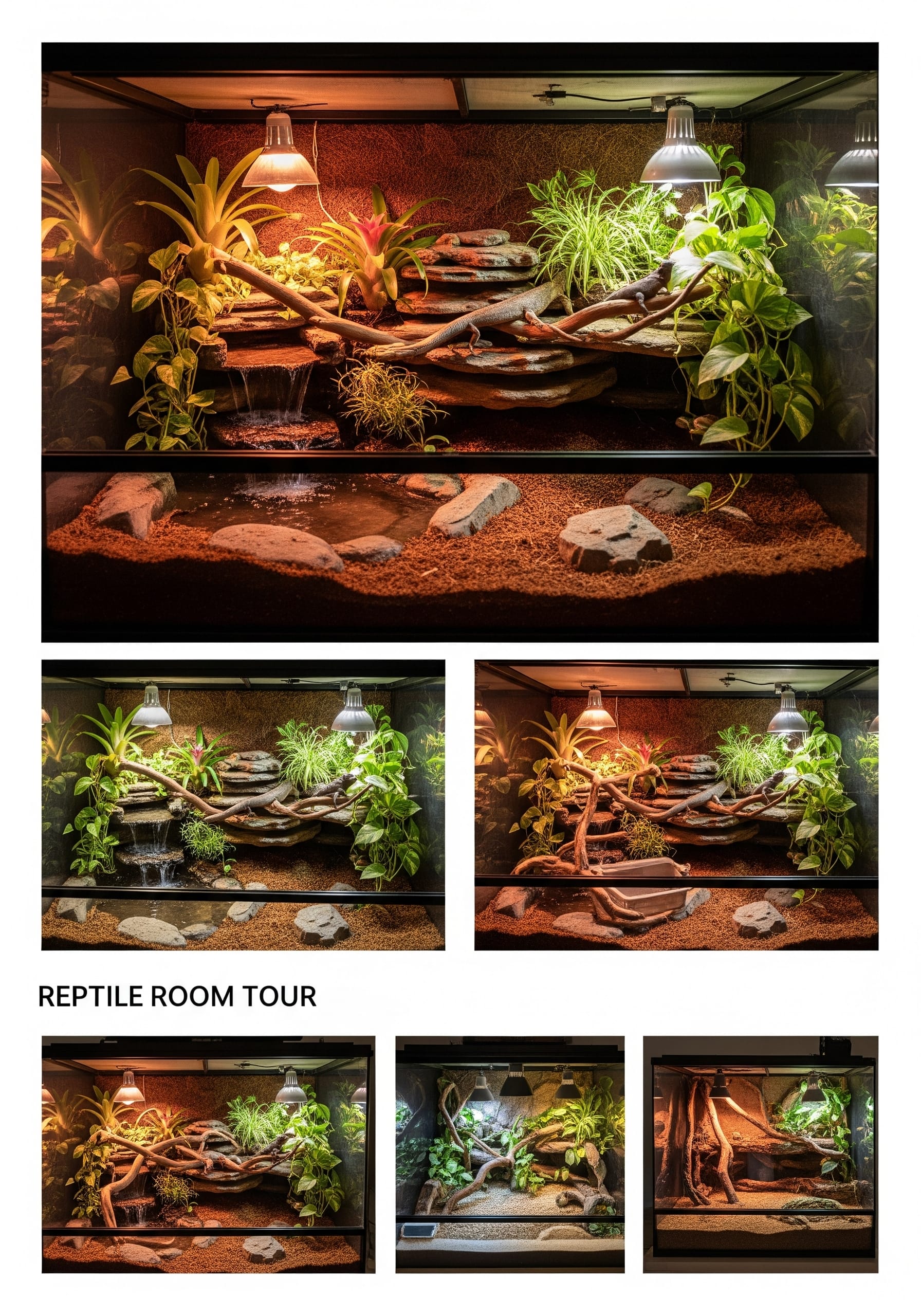
Before setting up your bioactive reptile enclosure, choose a terrarium that suits your lizard’s needs. Consider:
- Size: A larger enclosure is better for bioactive setups as it allows for better microfauna populations and plant growth. For example, a 40-gallon breeder tank is a good starting point for a bearded dragon.
- Ventilation: Adequate airflow is necessary to prevent mold while retaining humidity.
- Lighting: Full-spectrum UVB lighting for reptiles is essential for lizard health, especially for species like bearded dragons and uromastyx.
Glass terrariums with front-opening doors are ideal for easy access and viewing your naturalistic reptile terrarium.
Building the Substrate Layers
The substrate is the heart of your bioactive lizard enclosure. A multi-layered substrate mimics your lizard’s natural environment while supporting plant growth and microfauna activity.
Drainage Layer
Add a drainage layer to prevent waterlogging:
- Use LECA (Lightweight Expanded Clay Aggregate), hydro balls, or gravel.
- Layer about 1-2 inches at the bottom.
- Add a mesh screen to separate the drainage layer from the soil.
Bioactive Substrate Mix
Use a substrate that holds moisture while allowing airflow:
- A mix of organic topsoil (no fertilizers), coconut coir, and play sand for arid species.
- For tropical species, add sphagnum moss for moisture retention.
- Aim for a 4-6 inch depth to allow burrowing.
Leaf Litter and Moss
Top the substrate with leaf litter and moss to:
- Provide hiding spots for microfauna.
- Retain humidity in the enclosure.
- Create a forest floor aesthetic in your reptile terrarium setup.
Adding Live Plants to Your Bioactive Enclosure
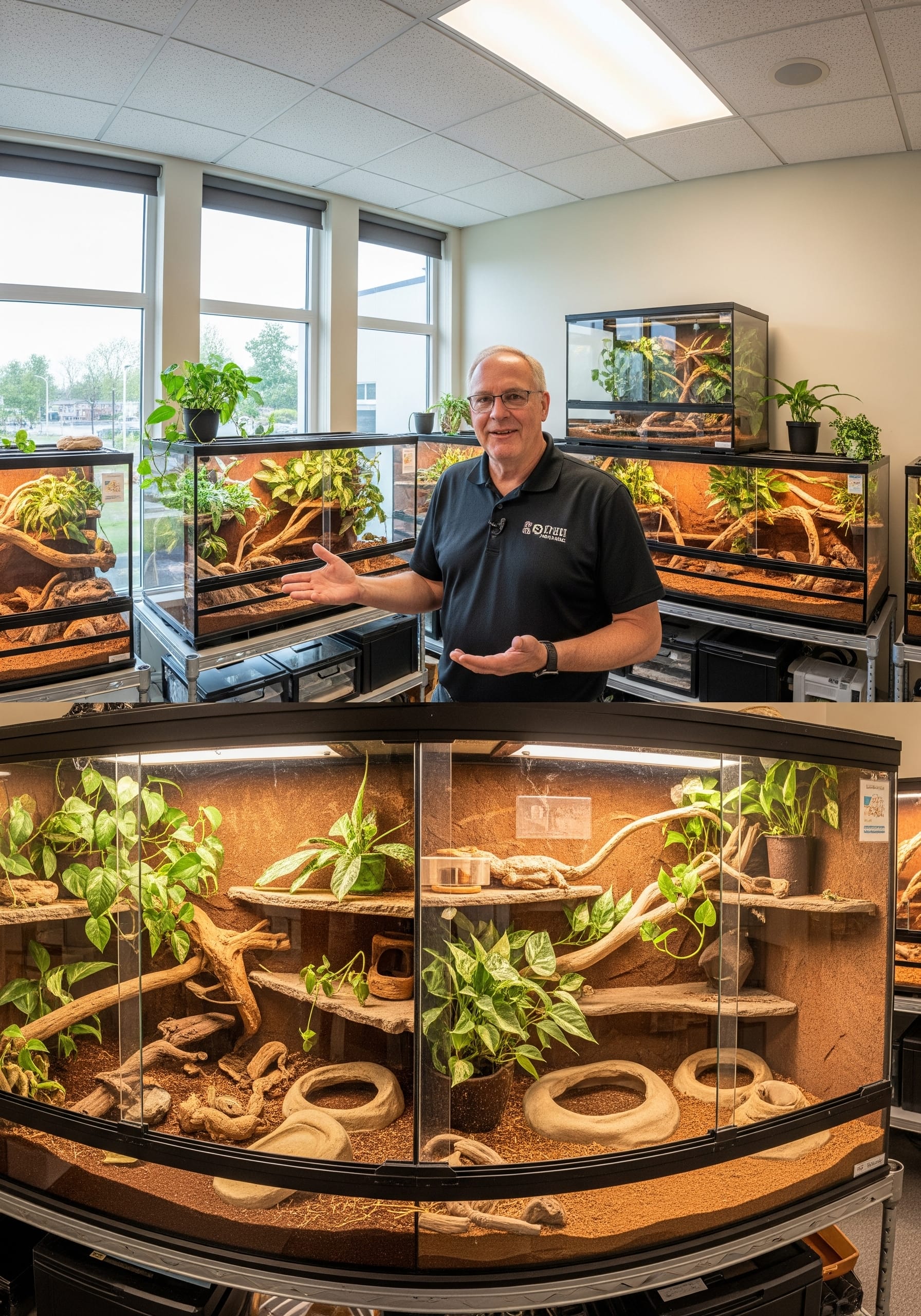
Live plants are key in a bioactive enclosure for lizards. They improve air quality, stabilize humidity, and provide climbing and hiding opportunities. Choose reptile-safe plants based on your lizard’s environment:
For Tropical Lizards (Crested Geckos, Day Geckos)
- Pothos
- Bromeliads
- Ferns
- Spider Plants
For Arid Lizards (Bearded Dragons, Uromastyx)
- Aloe Vera
- Jade Plant
- Elephant Bush
- Succulents (in moderation)
Ensure your plants are free of pesticides before planting. Use LED plant grow lights if your enclosure lighting doesn’t provide enough light for plant growth.
Introducing the Cleanup Crew
Your bioactive enclosure needs a cleanup crew to break down waste and dead plant matter while aerating the substrate. Common cleanup crew members include:
- Springtails: Tiny insects that feed on mold and waste.
- Isopods (Dwarf White or Dairy Cow): Break down waste and aerate the soil.
Introduce them after planting, and provide leaf litter as a food source. This will create a balanced ecosystem that helps manage waste and reduces the need for spot cleaning.
Maintaining Humidity and Temperature in a Bioactive Enclosure
Proper reptile humidity control and temperature gradients are essential for your lizard’s health. Monitor humidity using a hygrometer and temperature with a digital thermometer.
For Tropical Species
- Maintain 60-80% humidity.
- Mist the enclosure daily or use an automatic misting system.
For Arid Species
- Aim for 20-40% humidity with a humid hide available for shedding.
- Allow substrate to dry out between mistings to prevent mold growth.
Provide a thermal gradient with basking and cool zones to allow your lizard to self-regulate temperature.
Common Mistakes to Avoid in Bioactive Setups
While a bioactive lizard enclosure is rewarding, here are common mistakes to avoid:
- Using fertilizers or chemically treated soil, which can harm your lizard.
- Overwatering, leading to mold and anaerobic conditions.
- Choosing toxic plants for your reptile species.
- Skipping UVB lighting for reptiles, which is critical for calcium metabolism and health.
- Neglecting regular monitoring of humidity and temperature levels.
Regular observation and spot cleaning will help your bioactive enclosure remain stable while supporting your pet’s natural behaviors.
Final Thoughts
Setting up a bioactive enclosure for your pet lizard is a game-changer for both your reptile’s well-being and your maintenance routine.
You will create a visually stunning, enriching, and self-sustaining habitat that mirrors your lizard’s natural environment, encouraging natural behaviors and reducing stress.
With the right reptile terrarium setup, substrate layering, live plants, cleanup crew, and humidity control, you will enjoy a thriving bioactive ecosystem that supports a healthy, happy lizard for years to come.
If you’re ready to take your reptile care to the next level, start planning your bioactive reptile enclosure today. Your lizard will thank you for it.
FAQs on Setting Up a Bioactive Enclosure for Your Pet Lizard
Many reptiles thrive in bioactive setups, including crested geckos, leopard geckos, bearded dragons, and day geckos. Always tailor the enclosure to your lizard’s humidity and environmental needs.
It typically takes 4-6 weeks for the microfauna and plants to establish a balanced ecosystem. During this time, monitor humidity, plant health, and waste breakdown.
Yes, you can convert an existing enclosure by removing the current substrate, adding drainage, bioactive substrate, plants, and introducing a cleanup crew.
You will still need to remove uneaten food and monitor waste, but deep cleaning is rarely necessary. Perform a partial substrate refresh every 6-12 months if needed.
A healthy bioactive reptile terrarium should not smell. If you notice a foul odor, it may indicate overwatering, poor drainage, or insufficient microfauna activity.

- Mushroom Complex Supplements for Dogs with Cancer: A Guide - March 25, 2026
- 15 Meaningful Dog Memorial Tattoo Ideas & Costs - March 20, 2026
- Best Horse Hoof Supplement Reviews for Beginners (2026) - March 19, 2026
GIPHY App Key not set. Please check settings