

 Lauryn Dell
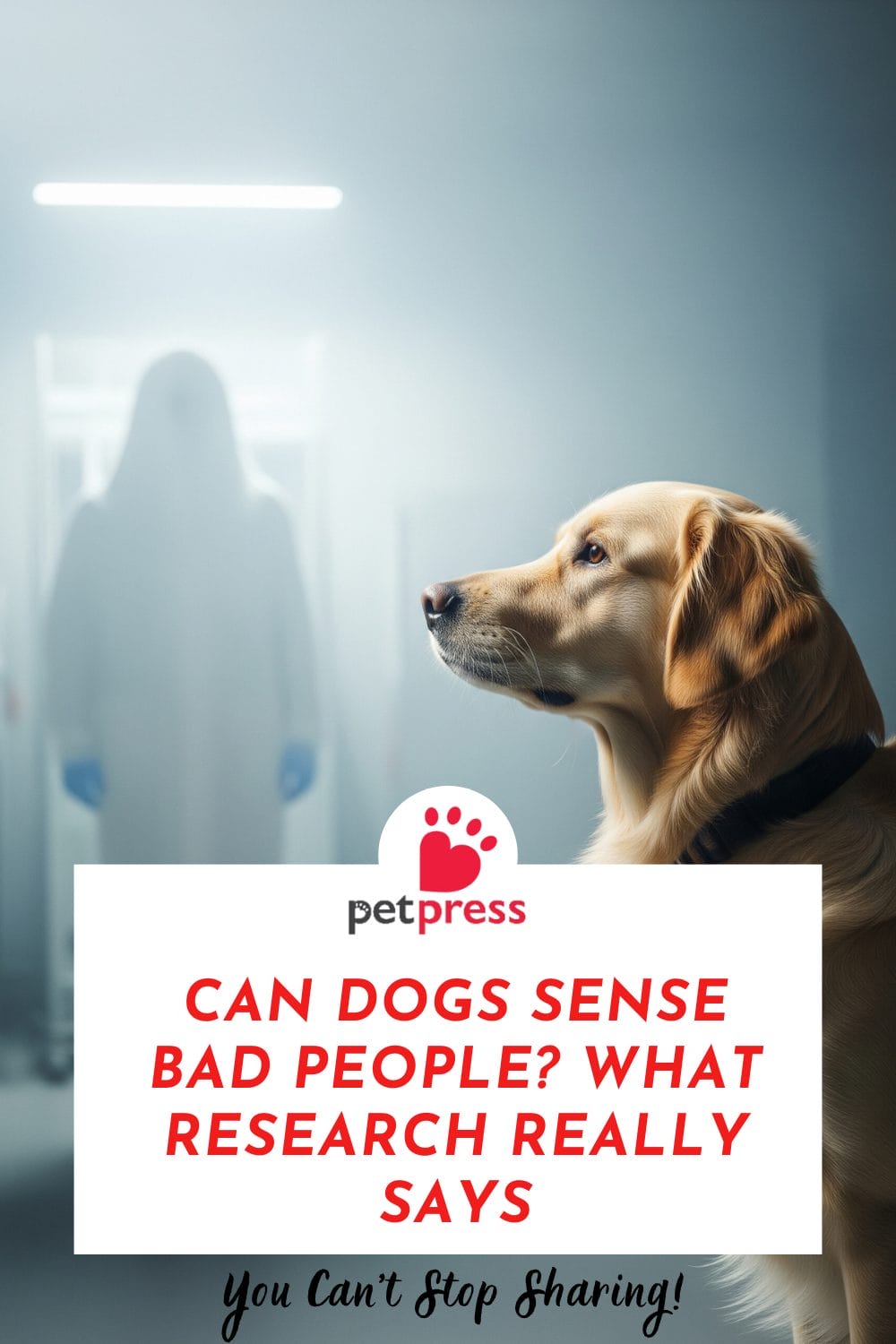
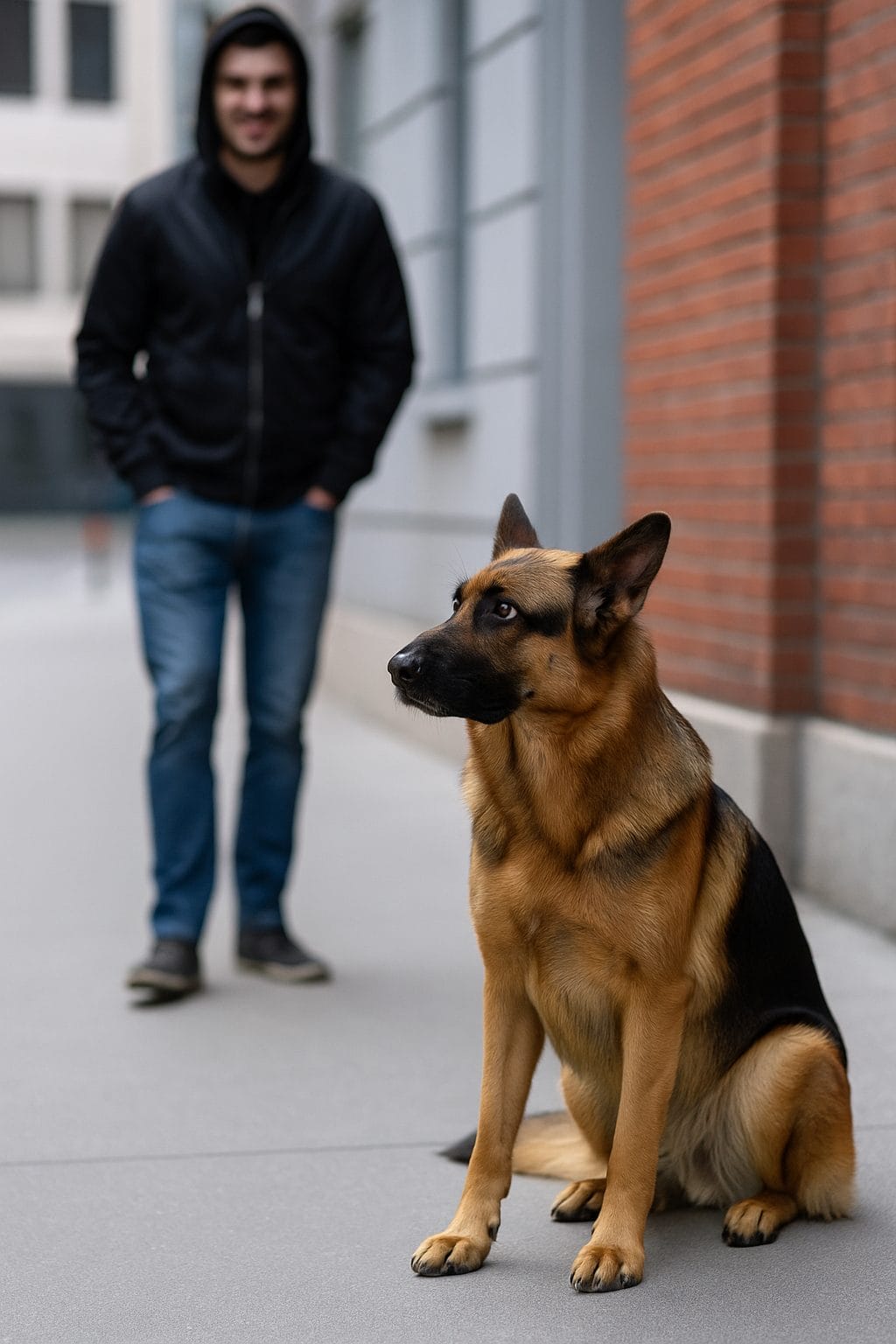
Have you ever noticed your dog growling at someone you just met or acting uneasy around certain people? Many dog owners believe their pets can sense “bad” people or negative energy.
But is there any scientific basis for this belief, or is it simply an interpretation of your dog’s behavior?
In this in-depth article, we will explore what research says about a dog’s ability to sense untrustworthy or harmful individuals, how dogs read human behavior, and what cues they use to form judgments about people.
Do Dogs Have a “Sixth Sense” About People?
Many pet owners claim that dogs have an intuitive sense of who is trustworthy and who is not. Stories abound of dogs barking at guests who later turn out to have ill intentions or avoiding individuals with hidden negative traits.
However, while it is tempting to think of this as a “sixth sense,” the reality is that dogs use a combination of sensory cues, body language reading, and scent detection to evaluate the people around them.
These finely tuned senses often allow dogs to pick up on subtle cues that humans might miss, leading us to believe they have an uncanny ability to judge character.
What the Research Says About Dogs and Human Trustworthiness
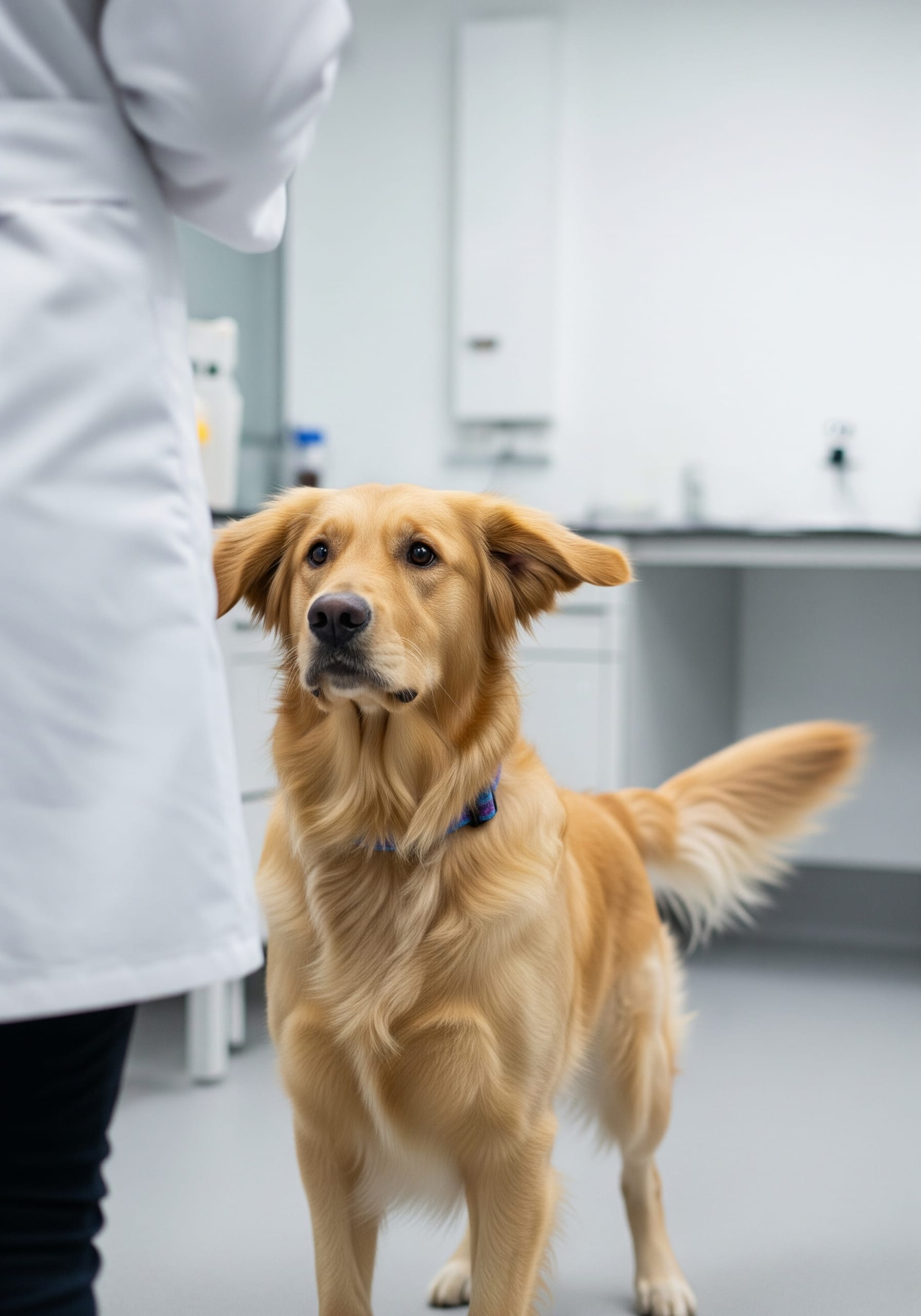
Several studies have explored how dogs assess human trustworthiness. One notable study by Akiko Takaoka and colleagues at Kyoto University found that dogs can detect untrustworthy humans based on past interactions.
In the experiment, dogs were shown two different behaviors from the same human: one trustworthy (pointing to food) and one deceptive (pointing to an empty container).
Dogs quickly learned to stop following cues from individuals who had deceived them, showing that dogs can assess and respond to the reliability of human actions.
This demonstrates that dogs can use past behavior to determine whether a person is reliable, which may contribute to the perception that they can sense “bad” people.
How Dogs Read Human Body Language and Emotions
Dogs are highly skilled at reading human body language and emotional cues. Research has shown that dogs can distinguish between angry and happy facial expressions and adjust their behavior accordingly.
They also pick up on subtle signals such as tension in your shoulders, tone of voice, and the way you move around others.
If a person is behaving in a nervous, aggressive, or deceptive manner, a dog may sense the incongruence between the person’s words and their body language. This may cause the dog to act wary, growl, or avoid the person altogether.
The Role of Scent in How Dogs Perceive People
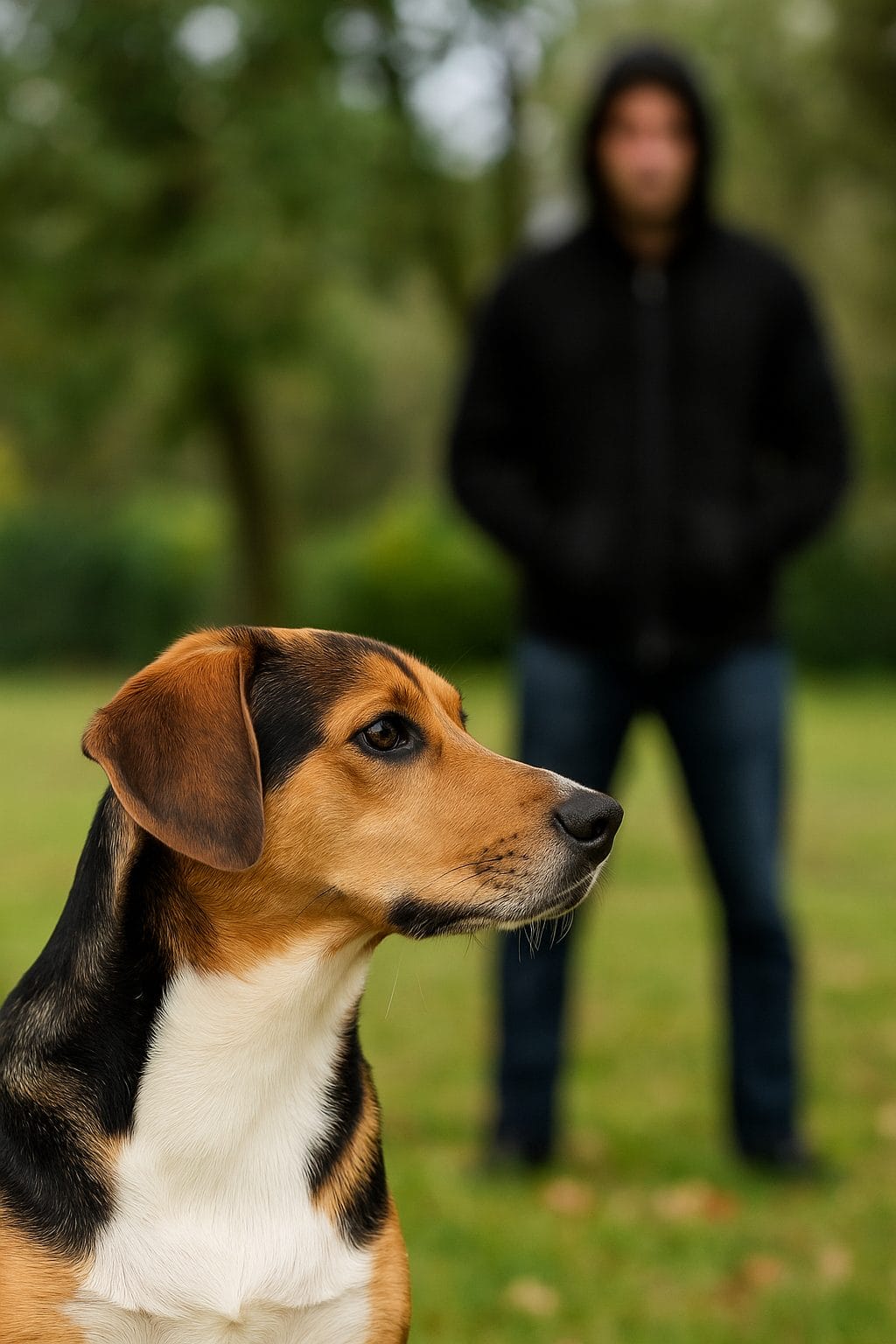
Dogs possess an extraordinary sense of smell, with up to 300 million olfactory receptors in their noses compared to about six million in humans. This powerful sense allows dogs to detect hormonal changes in people, such as adrenaline spikes that occur when someone is anxious, angry, or fearful.
If a person has negative intentions or is experiencing strong emotions, dogs may detect the scent associated with these emotional states, which could influence how the dog responds to them.
Can Dogs Sense Dangerous People?
The idea that dogs can sense “bad” people often overlaps with the belief that dogs can detect dangerous individuals. While there is no conclusive scientific evidence that dogs can sense evil or criminal intent, they are highly attuned to body language, scents, and environmental cues that may indicate a threat.
For example
- A person with aggressive body language may trigger a defensive response in a dog.
- Someone acting unusually around the dog’s owner may be perceived as a threat.
- Dogs may pick up on fearful or predatory behavior, leading to protective or defensive actions.
Many working dogs, such as police K9s and service dogs, are trained to use these natural instincts to protect their handlers by alerting them to potential danger.
Why Your Dog May Dislike Certain People
There are many reasons why your dog might dislike someone, including:
- The person smells like another animal your dog finds threatening.
- The person is nervous or fearful, which can make dogs uneasy.
- The person’s energy, gestures, or posture appear threatening.
- Past negative experiences with people who look, smell, or sound similar.
- The person does not respect your dog’s boundaries.
Understanding that your dog’s reaction is based on sensory information and learned experiences can help you assess whether their behavior is a red flag or simply a reaction to something unfamiliar.
Should You Trust Your Dog’s Judgment of People?
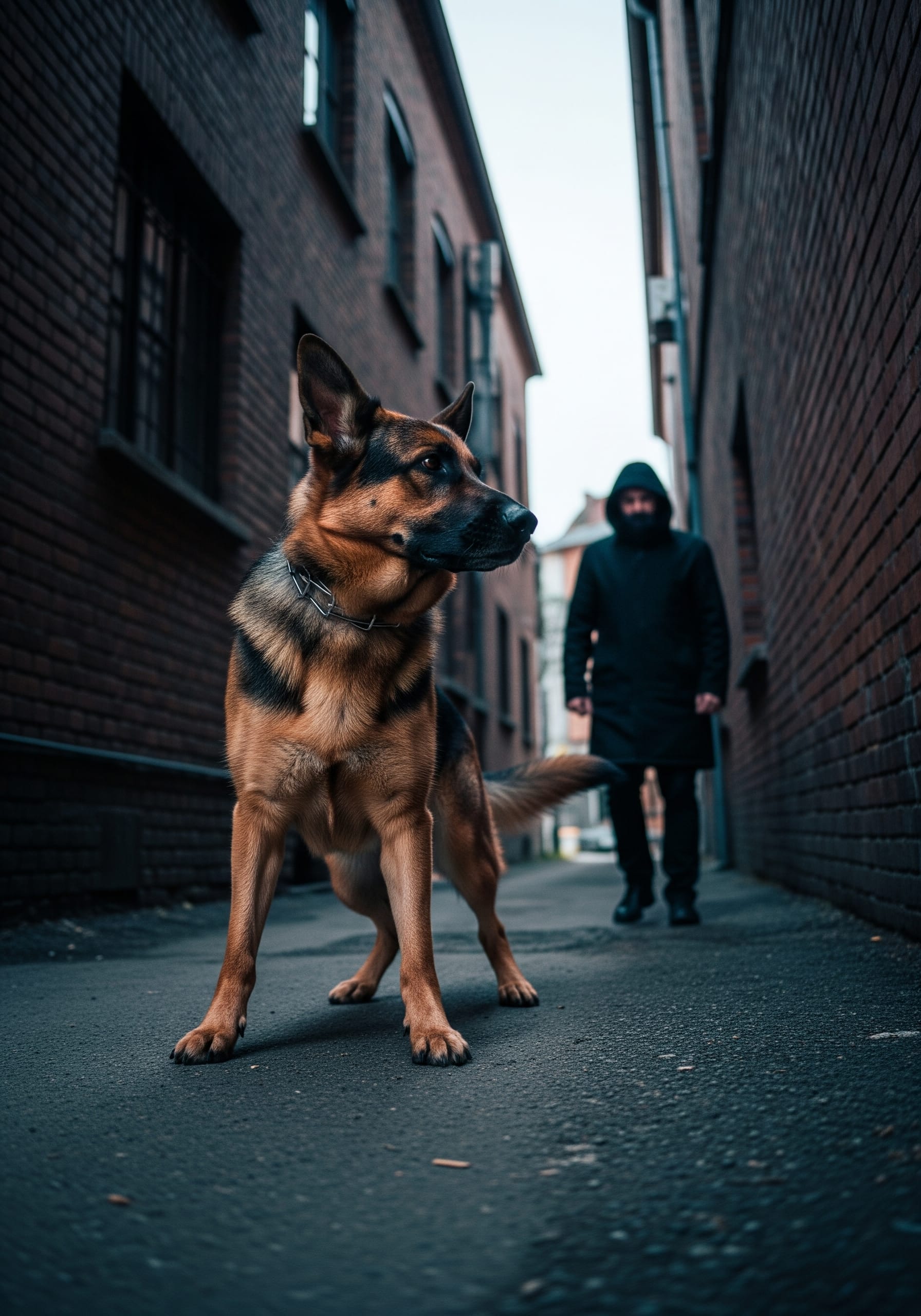
While it is wise not to base all judgments solely on your dog’s reaction, their behavior can provide valuable information about people and situations. If your dog is consistently uncomfortable around a specific individual, it may be worth observing that person’s behavior more closely.
Dogs often detect subtle cues that humans overlook, and if your normally friendly dog is wary or defensive around someone, it may indicate that something is off. Trusting your dog’s instincts while also using your judgment can help you stay aware of your surroundings.
How to Help Your Dog Feel Comfortable Around New People
If your dog is wary of new people, it is essential to help them feel secure while assessing the situation. Here are some steps you can take:
- Allow your dog to approach people at their own pace.
- Avoid forcing interactions between your dog and strangers.
- Watch your dog’s body language for signs of stress or discomfort.
- Reward calm behavior when your dog meets new people.
- Use treats and positive reinforcement to build positive associations.
If your dog consistently reacts negatively to everyone, consider working with a professional dog trainer or behaviorist to ensure their reactions are not due to anxiety or fear-based aggression.
Conclusion
Dogs have an incredible ability to sense subtle cues in human behavior, scent, and body language, which often makes them appear as if they can sense “bad” people.
While there is no definitive evidence that dogs can detect moral character or criminal intent, their heightened senses allow them to respond to signals of fear, aggression, and dishonesty in people.
By observing your dog’s behavior, you may gain valuable insights into the people around you.
However, it is essential to combine your dog’s instincts with your judgment to make informed decisions about who you allow into your life.
Frequently Asked Questions
Dogs can sense body language, scents, and emotional states that may indicate negative intentions, but there is no scientific evidence that dogs can detect moral character. Their reactions can alert you to suspicious behavior, but they should be combined with your own judgment.
Your dog may bark at certain people due to unfamiliar scents, body language, energy, or past negative associations. It is a way for your dog to communicate discomfort or a perceived threat.
Dogs do not judge character in the human sense, but they evaluate trustworthiness and consistency based on a person’s behavior, body language, and scent.
Yes, dogs can detect fear through body language and the scent of hormones released when a person is afraid. This can influence how your dog reacts to individuals.
While it does not always indicate a serious problem, if your normally friendly dog is consistently wary or aggressive toward a specific individual, it may be worth observing that person’s behavior more carefully to ensure your safety.

- Mushroom Complex Supplements for Dogs with Cancer: A Guide - March 25, 2026
- 15 Meaningful Dog Memorial Tattoo Ideas & Costs - March 20, 2026
- Best Horse Hoof Supplement Reviews for Beginners (2026) - March 19, 2026
GIPHY App Key not set. Please check settings