

 Lauryn Dell
Can Pet Birds Really Talk? The answer is yes. Some birds that can mimic human speech have fascinated people for centuries.
From pirate parrots squawking “Ahoy!” to YouTube-famous African Greys reciting full sentences, we love the idea of birds chatting like humans.
But how much of this is fact, and how much is fiction? In this blog post, we will explore whether pet birds can actually talk. , which species can mimic human speech, and what it takes to train a bird to “talk”.
What Does “Talking” Actually Mean in Birds?
Before we dive into myths, let’s define what we mean when we say a bird can “talk.” Talking birds aren’t actually speaking in human language — they mimic the sounds they hear.
Pet birds, particularly parrots, have excellent memories and vocal learning abilities.
They don’t understand grammar or syntax like we do, but they can associate certain words or phrases with situations or objects, especially if trained well.
Common Myths About Talking Birds
Let’s clear up some common misconceptions:
Myth: All parrots can talk
Reality: Not all parrots talk, even if they belong to a species known for speech mimicry.
Factors like individual personality, early exposure to sounds, and how much time you spend with them all play a role.
For example, while African Grey parrots are famous for their talking ability, some may only learn a few words, or none at all.
Myth: Talking birds understand what they say
Reality: Birds don’t grasp human language like we do. They mimic sounds that get them attention, treats, or affection.
That said, some intelligent species, like the African Grey, can associate words with meanings surprisingly well.
The famous parrot Alex, studied by Dr. Irene Pepperberg, could identify colors, shapes, and even count!
Myth: Any bird can be trained to talk
Reality: Species like canaries, finches, and doves do not have the vocal ability to mimic human speech. Talking is mainly found in parrots, parakeets (budgies), mynah birds, and certain corvids (like ravens).
Which Bird Species Are Best at Mimicking Human Speech?
Here are some of the most famous talking bird species:
African Grey Parrot
- Known as the top talker among birds.
- Can learn hundreds of words.
- Exceptional at mimicking tone and inflection.
- High intelligence, comparable to that of a 4-6 year-old child in some cognitive tasks.
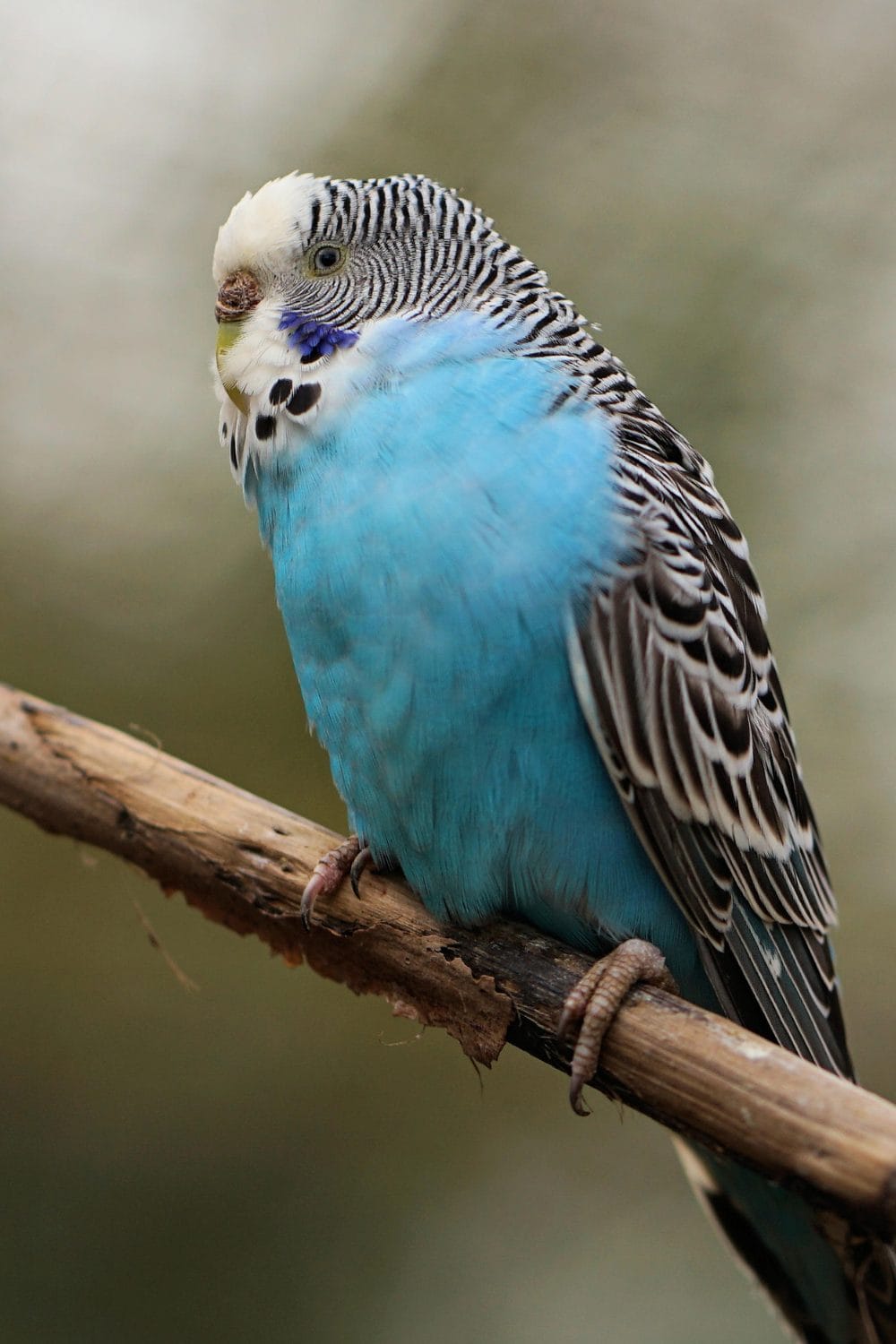
Budgerigar (Budgie / Parakeet)
- Small but mighty talkers.
- Males are usually better mimics.
- Can learn a wide vocabulary if consistently trained.
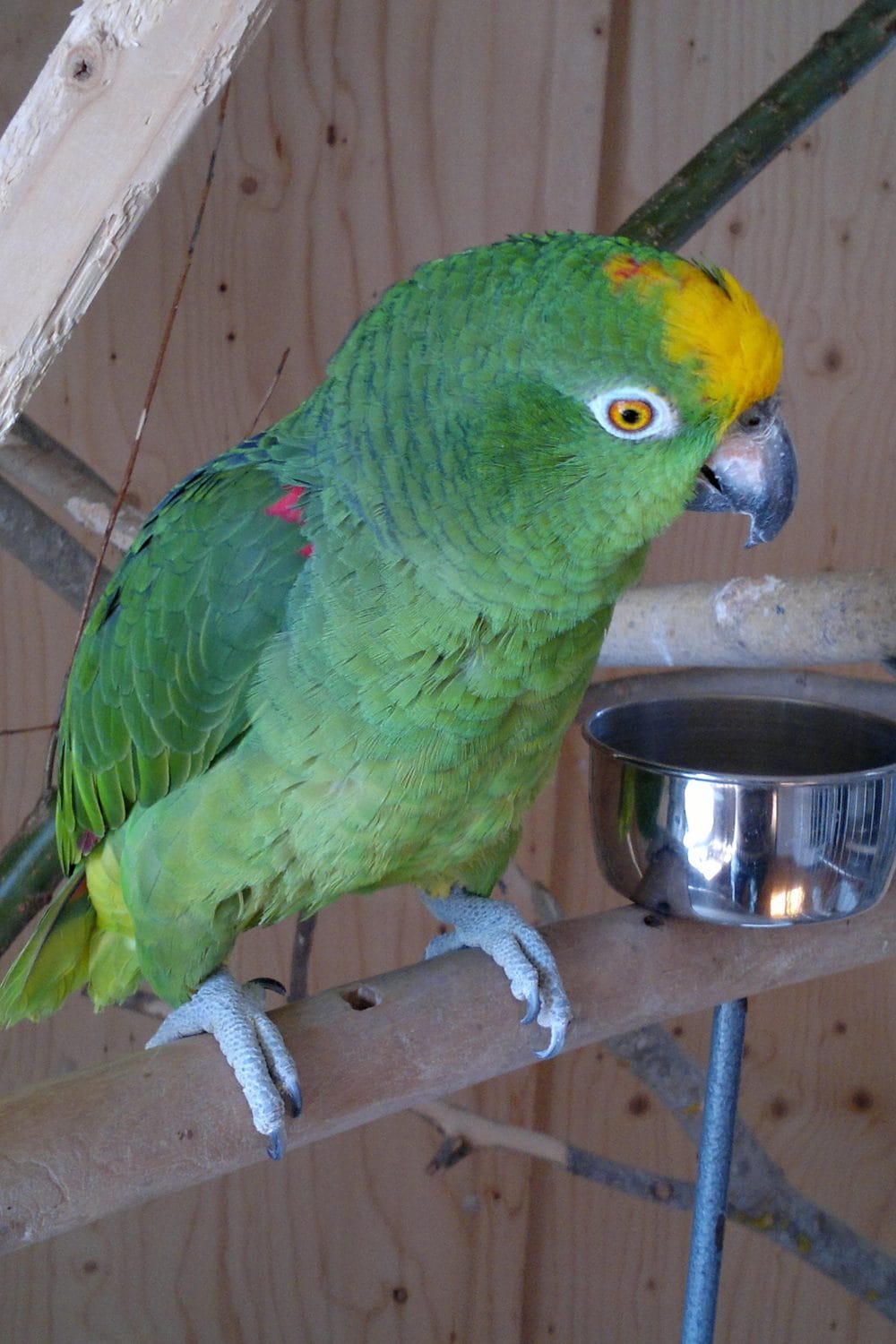
Amazon Parrots
- Clear, loud talkers.
- Known for picking up phrases and songs.
- Social and playful.
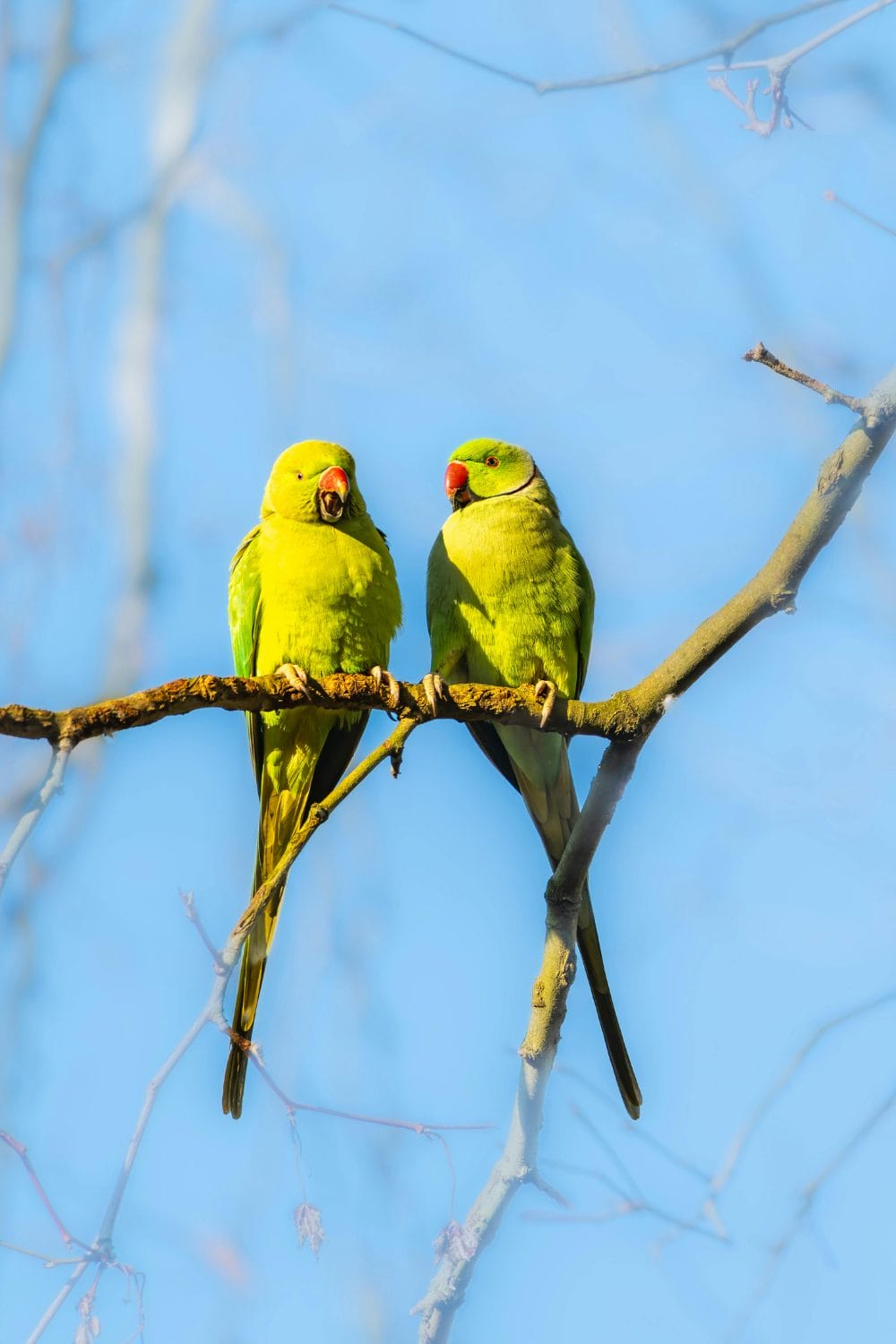
Indian Ringneck Parakeet
- Clear speech with distinctive tone.
- Often learns short phrases and individual words.
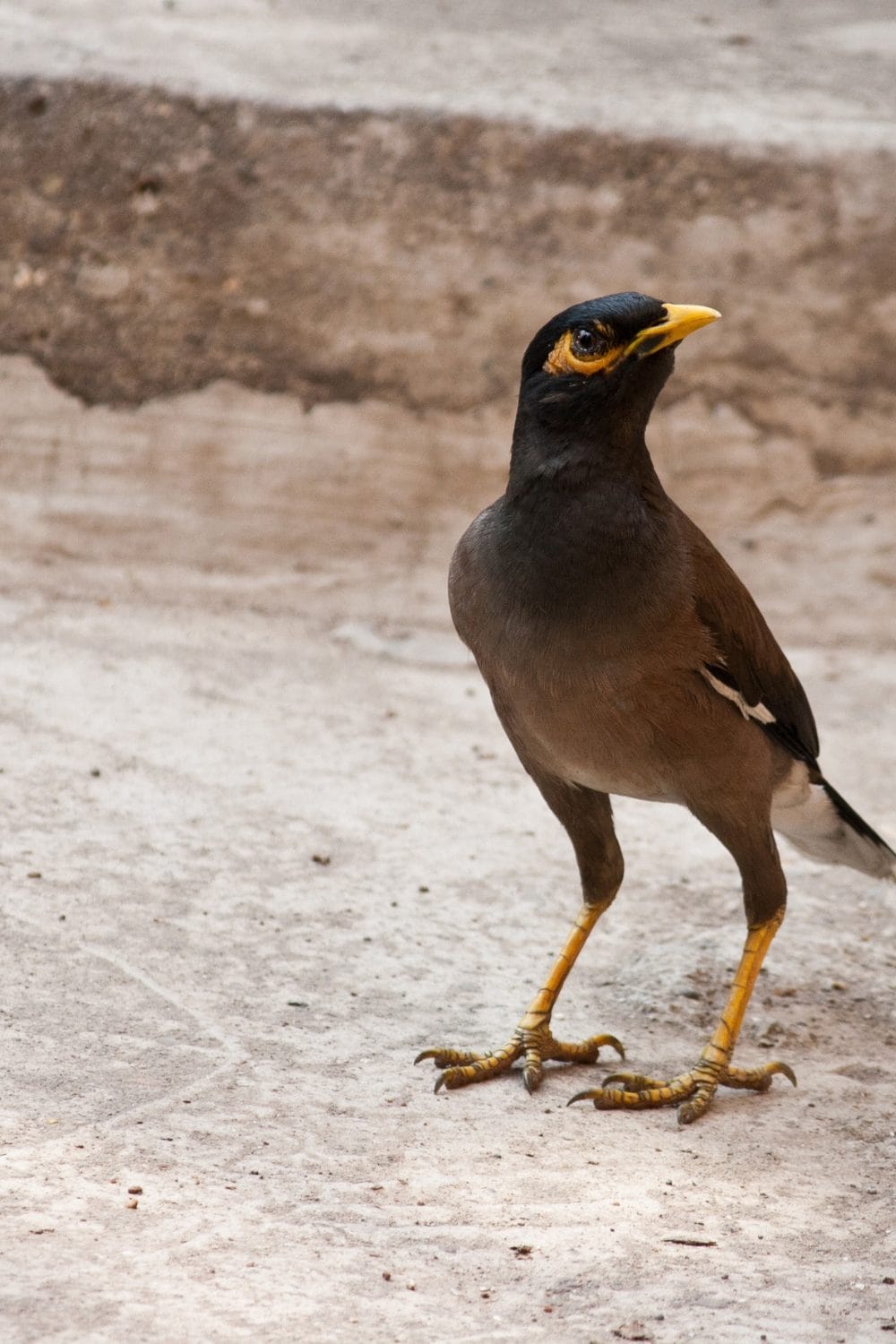
Mynah Birds
- Not a parrot, but an outstanding mimic.
- Known for extremely clear speech and even imitating human laughter.
How to Teach Your Bird to Talk
If you dream of having a feathered friend who greets you with a cheerful “Hello!” or surprises you with funny phrases, teaching your pet bird to talk can be a rewarding experience.
However, it requires patience, repetition, and consistency. Unlike dogs or cats, birds don’t automatically seek to please us through speech — they mimic sounds that interest them or bring them rewards.
Here’s how to set your bird up for success:
Start Early
Young birds, like young children, are more receptive to new sounds and vocal patterns.
The best time to begin speech training is when your bird is still developing its social skills — usually a few months old, depending on the species.
Early exposure to human speech helps your bird become more comfortable mimicking those sounds. That doesn’t mean older birds can’t learn, but it often takes more time and effort.
Tip: If you’re adopting an older bird, be patient. Even mature birds can learn new words, especially if they form a strong bond with you.
Repeat Simple Words and Phrases
Start small. Choose simple, one- or two-syllable words like:
- “Hello”
- Your bird’s name
- “Good boy/girl”
- “Pretty bird”
Speak clearly and enthusiastically. Consistency matters — say the word at the same time of day or during the same activity (for example, greeting your bird every morning with “Hello!”).
Tip: Birds learn best when words are linked to actions or situations. For example, saying “Bye-bye” as you leave the room helps your bird connect the word with the event.
Birds, like many animals, respond well to positive reinforcement. Whenever your bird attempts to mimic a sound or says a word, reward them immediately:
- Offer a favorite treat (like a small piece of fruit or nut)
- Give verbal praise (“Good bird!”)
- Gently scratch their head or give affection if they enjoy it
This teaches your bird that trying to talk brings good things.
Important: Never punish or scold your bird for not talking. This can create stress, which discourages vocalization.
Talk Often to Your Bird
The more your bird hears human speech, the more likely they are to mimic it. Make a habit of speaking to your bird throughout the day:
- Describe what you’re doing (“I’m filling your water dish”)
- Sing short songs or rhymes
- Read aloud for a few minutes
- Greet your bird when you enter the room
Some bird owners play recordings of words or phrases to reinforce learning, but live interaction is far more effective because birds are social creatures who thrive on personal attention.
Avoid Negative Words or Phrases
Birds can be quick learners — sometimes of the wrong words! Be mindful of what you say around your bird, especially if you raise your voice or repeat certain expressions in frustration. Birds don’t understand context, so they may repeat words or tones that seem amusing at the wrong moments.
Tip: If your bird picks up a word you don’t want, try to avoid reinforcing it with attention or laughter. Instead, redirect focus to positive words.
Be Patient and Consistent
It may take weeks or even months for a bird to say its first word. Some birds may surprise you with quick progress; others may prefer chirping or whistling over mimicking speech.
Remember, each bird is an individual, and not all will become talkers — but they can still make wonderful, communicative pets in their own ways.
Bonus Tip: Keep training sessions short (5–10 minutes) and upbeat. Birds can lose interest if sessions are too long.
Final Thoughts: Can Pet Birds Really Talk
Talking birds don’t really “talk” in the human sense, but their ability to mimic our speech is nothing short of amazing.
While many people dream of having a chatty parrot, it’s important to understand that not all birds will talk, and those that do require time, patience, and social engagement.
Whether your feathered friend speaks or not, the bond you build is what truly matters.
If you’re considering getting a pet bird for its talking ability, make sure you’re ready to meet all its care, enrichment, and companionship needs.
FAQs About Can Pet Birds Really Talk
The budgie (parakeet) is often cited as one of the easiest, especially because of its small size, social nature, and quick learning ability. African Grey parrots are highly capable but require more attention and interaction.
Yes! Both male and female parrots can talk. However, in some species, males tend to mimic human speech more frequently or clearly — for example, male budgies are generally better mimics.
It varies by species, individual bird, and how much time you spend training. Some birds pick up words in weeks, while others may take months or never mimic speech at all.
Yes, birds can stop saying words they haven’t heard in a while, especially if those words no longer result in attention or treats. Regular interaction helps maintain their vocabulary.
Some talking birds, like budgies, can be beginner-friendly. However, species like African Greys or Amazons require significant time, socialization, and mental stimulation, making them better suited for experienced owners.

- Mushroom Complex Supplements for Dogs with Cancer: A Guide - March 25, 2026
- 15 Meaningful Dog Memorial Tattoo Ideas & Costs - March 20, 2026
- Best Horse Hoof Supplement Reviews for Beginners (2026) - March 19, 2026
GIPHY App Key not set. Please check settings