

 Emily Walker
The image of Timon from The Lion King has made everyone fall in love with meerkats—seriously, who wouldn’t want a tiny desert superhero standing guard on the couch? But here’s the real talk: owning a meerkat is nothing like the movies. These wild, super-social animals need huge family groups, special care, and lots of space—your bedroom just won’t cut it. Plus, in many places it’s illegal to even try. So before you start imagining feeding one snacks while binge-watching Disney, remember: meerkats belong digging tunnels under the sun with their clan, not stuck in a human home.
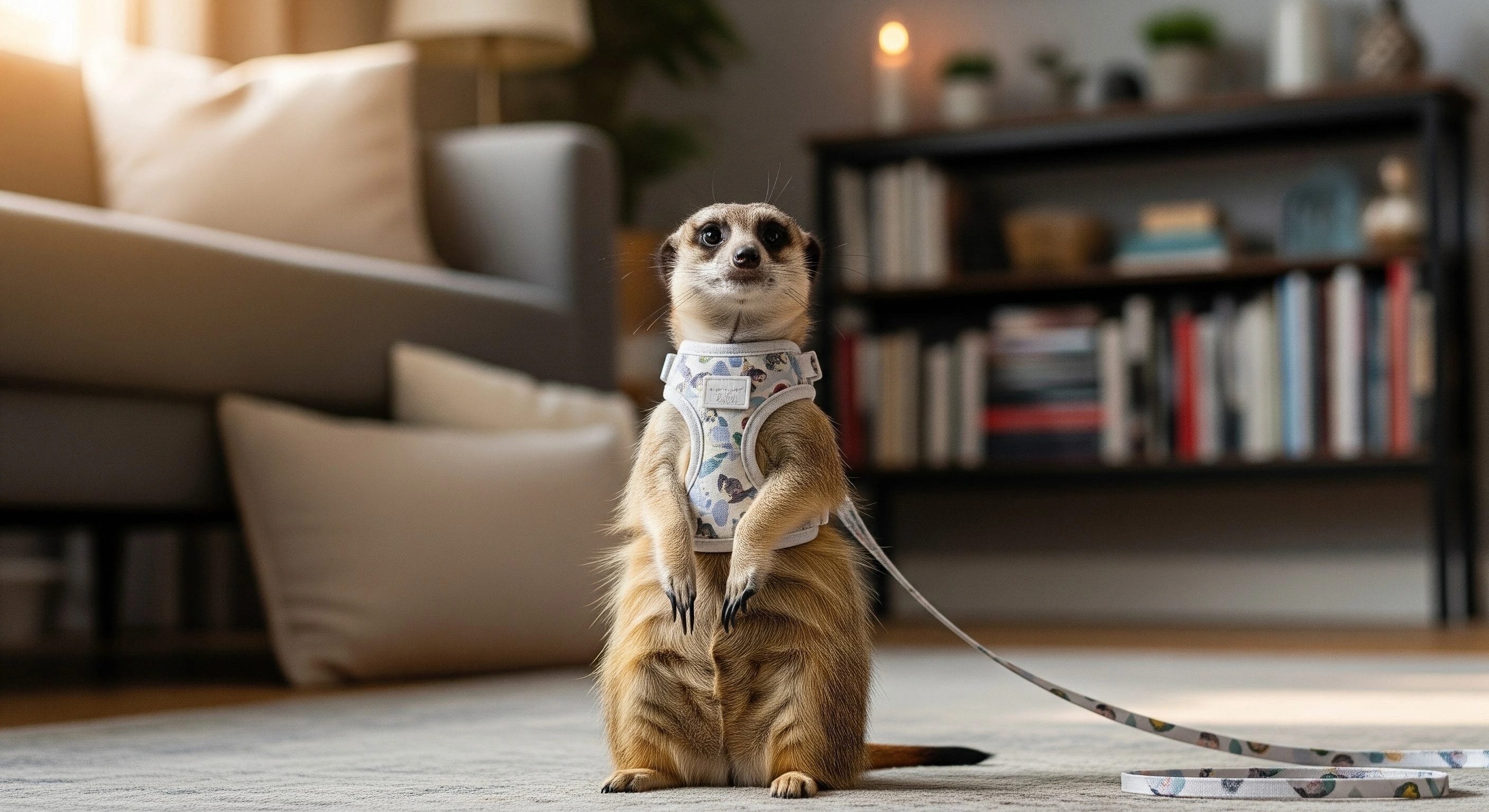
Understanding Meerkats: More Than Just Cute Faces
Meerkats aren’t just tiny desert comedians standing on their back legs—they’re complex, high-energy animals built for life in the wild. They live in huge family squads of 20–30, basically the ultimate group project where everyone actually participates. They dig massive underground homes, take turns babysitting, and even run lookout duty like tiny, furry security guards.
And here’s the kicker: that teamwork isn’t optional for them. It’s their entire survival strategy. Take a meerkat away from its mob, and you’re basically removing half its personality and all its support system.
They’re small—about the size of a water bottle—but they can live 12–14 years and come fully equipped with razor-sharp digging claws, desert-level energy, and strong instincts. In short: adorable, yes… but definitely not a low-maintenance pet.
- Read Also: A Comprehensive Guide – 10 Different Types of Pet Foxes
- Read Also: How to Pet a Ferret: A Guide to Caring for Your Ferret
The Legal Landscape: Where Meerkat Ownership Stands
Before you start imagining a meerkat chilling on your couch, you need to know the law—and trust me, it’s basically the universe saying, “Nope.”
In the U.S., rules change everywhere you go. Some states—like California and Hawaii—shut the idea down completely unless you’re running a zoo or rescuing wildlife. Other states might let you try, but only after permits, inspections, background checks, and fees that feel like buying a small used car.
Outside the U.S., the story’s the same. The U.K. requires a Dangerous Wild Animals license (yes, “dangerous”—that’s what you’re signing up for). Australia just says “absolutely not,” and Canada mostly requires tough permits too.
The Reality of Meerkat Care: What Ownership Actually Entails
Even if owning a meerkat is legal where you live, the reality is way tougher than most people imagine—and trust me, I’ve met people who thought a meerkat was “basically a spicy ferret.” It’s not.
Specialized Housing Requirements
Meerkats dig like tiny construction workers on an energy drink binge. They can build tunnels faster than you can say, “Where did he go?” So they need huge outdoor enclosures—think at least 500 square feet—with deep substrate and escape-proof barriers below and above. Temperature is another big deal. These guys want warm, dry desert weather, not chilly or humid rooms. Proper climate-controlled housing can cost $5,000–$15,000 before you even bring the animal home.
Dietary Needs and Feeding Challenges
A meerkat’s diet isn’t something you can scoop out of a bag. They need live insects, pinkie mice, eggs, supplements—basically a bug buffet with some protein side dishes. Prepping their meals every single day can cost $200–$400 a month. And yes, they may turn up their noses if something isn’t exactly right. They’re picky diners, not pets you can feed when you’re “not in the mood to cook.”
Veterinary Care Complications
Finding a vet who actually knows how to treat a meerkat is like trying to find a unicorn with a medical degree. Exotic vets are rare, expensive, and essential. Routine visits can hit $300, and emergencies can skyrocket into the thousands. They need parasite prevention, dental work, and modified vaccines—none of which a regular dog-and-cat clinic can handle. Without the right care, things can go very wrong, very fast.
The Social and Behavioral Challenges of Meerkat Ownership
Here’s the truth: the hardest part of owning a meerkat isn’t feeding it or building a giant cage—it’s dealing with their social drama. These animals make middle-school friend groups look simple.
The Social Imperative
Meerkats have to live in groups. A single meerkat gets depressed, anxious, and sometimes even hurts itself. So you can’t just get “one cute meerkat”—you need at least two or three. That means triple the cost, triple the space, triple the chaos.
But meerkat society is basically a soap opera. They have strict hierarchies, and introducing a new one can turn into a full-on battle scene. And if you accidentally get a breeding pair? Congrats, you now have a meerkat daycare you never asked for.
Behavioral Considerations and Safety Concerns
Even though they’re tiny, meerkats come equipped with teeth and claws sharp enough to make you rethink every life choice. They can bite, scratch, and they never fully “tame” like dogs or cats. Their wild instincts stick around forever.
Expect urine marking, surprise digging missions in your living room, screaming squeaky alarm calls, and serious attitude toward strangers or other pets. And no—these are NOT animals you let wander around a house with little kids.
Owning a meerkat is like babysitting a wild animal that thinks it’s the boss…because in its mind, it is.
Ethical Considerations: Should We Keep Meerkats as Pets?
Before you even think about having a meerkat at home, you’ve got to pause and look at the bigger picture. This isn’t like choosing a hamster or a bearded dragon. It’s about asking: Is it fair to the animal?
The Wild Animal Welfare Perspective
Most wildlife experts and conservation groups will tell you straight-up: meerkats don’t belong in living rooms. These animals evolved for desert life—huge open spaces, nonstop foraging, and living in massive family groups where everyone has a job. Technically possible? Maybe. Actually good for the animal? Absolutely not.
And then there’s the exotic pet trade. Even though meerkats aren’t endangered, people wanting them as pets can fuel shady capturing and trafficking. Yes, some breeders are legitimate—but not nearly enough to supply the demand. Too many meerkats come from questionable places, and that’s not something most people think about when they see a cute video online.
- Read Also: 6 Unusual Pets for Adventurous Owners: From Tarantulas to Pigs
- Read Also: Most Popular Pets in the USA: America’s Favourite Companions
Alternatives for Meerkat Enthusiasts
If you’re obsessed with meerkats (and honestly, who wouldn’t be?), there are way better ways to enjoy them without harming them:
- Visit accredited zoos or sanctuaries where experts provide proper care and teach you cool stuff about their behavior.
- Support conservation organizations—some even let you “adopt” a meerkat symbolically.
- Go on wildlife photography trips or eco-tours where you can watch meerkats do their thing in the wild.
- If you want a pet with similar energy but safer for home life, consider ferrets—they’re like the domesticated cousins of chaos.
- Volunteer at wildlife rehab centers. You’ll learn a ton, help animals, and maybe even work with species you’ve only seen on TV.
The Bottom Line: Making an Informed Decision
Owning a meerkat isn’t just “cute animal, buy now.” It’s more like signing up for a 12–14 year group project where you pay thousands of dollars and the teammate you’re stuck with bites, screams, and demands a whole squad of other meerkats to stay sane.
Experts across the board agree: meerkats are amazing creatures, but absolutely terrible pets for almost everyone. They need expensive care, exotic vets, huge social groups, constant enrichment, and a ton of space—stuff most homes just can’t give. The dreamy “meerkat buddy” fantasy crashes fast when you realize they behave nothing like TikTok videos.

- Does Cat Litter Melt Ice? The Complete Guide to Winter Safety - January 30, 2026
- Happy Tail Dogs: Understanding This Common Canine Condition - January 29, 2026
- How Cold Can Outdoor Cats Handle? Feline Winter Safety - January 27, 2026
GIPHY App Key not set. Please check settings