

 Lauryn Dell
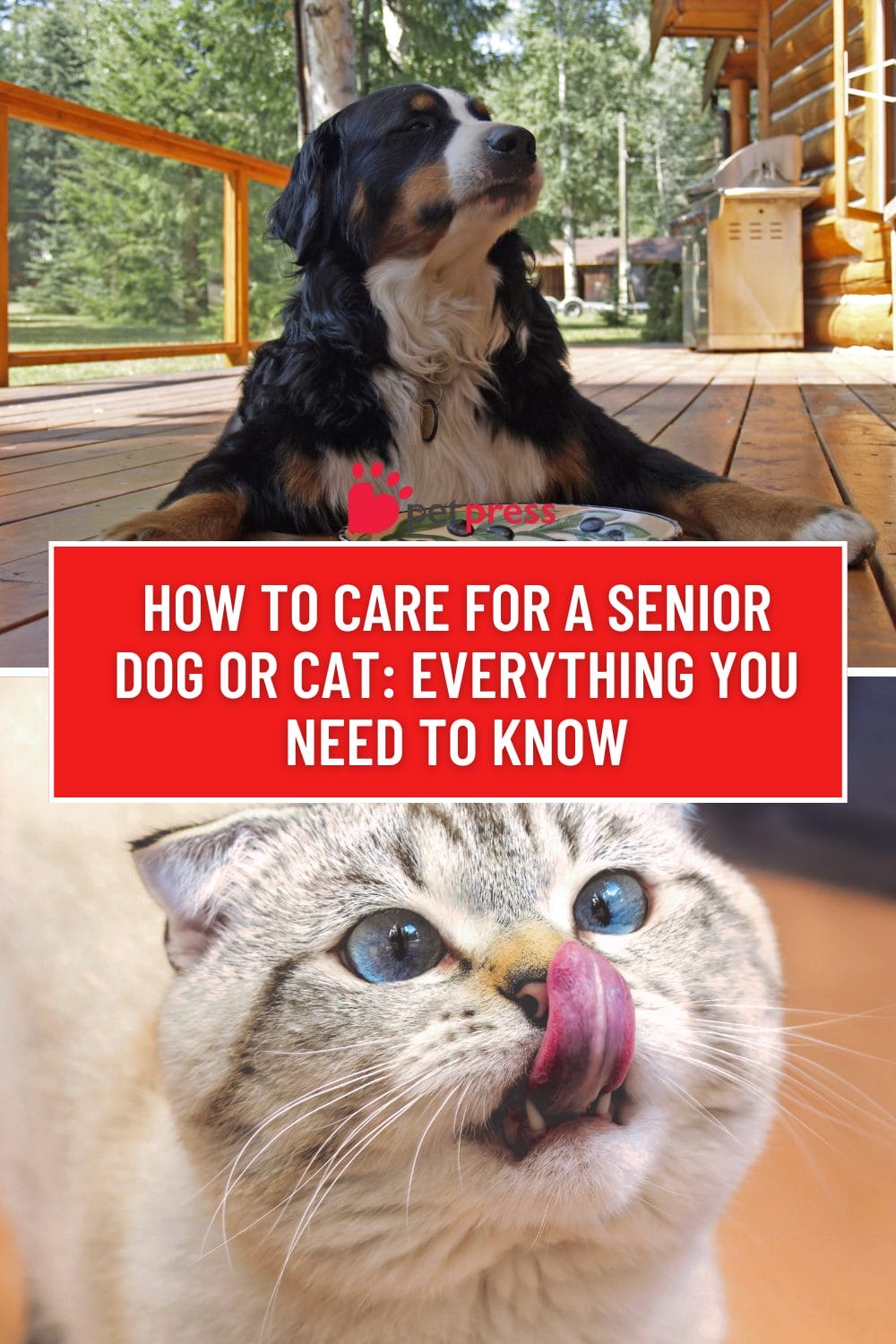
Watching your furry best friend enter their golden years can be bittersweet. While you may notice them slowing down or developing new quirks, senior pets often become even more affectionate and cherished family members. With the right care and attention, you can help your aging companion enjoy their twilight years comfortably and happily.
When Is Your Pet Considered a Senior?
Most dogs are considered seniors around age 7, though larger breeds age faster than smaller ones.
A Great Dane might be a senior at 5, while a Chihuahua isn’t considered elderly until closer to 10. Cats typically reach senior status around age 7-10, with many living well into their late teens with proper care.
Regular Veterinary Care Is Essential

Senior pets need more frequent check-ups than their younger counterparts. Most veterinarians recommend twice-yearly visits for aging animals, as health issues can develop quickly in older pets.
These visits should include comprehensive blood work to monitor kidney and liver function, blood sugar levels, and thyroid activity.
Don’t wait for obvious symptoms to appear. Many conditions common in senior pets, like arthritis, dental disease, and organ dysfunction, can be managed more effectively when caught early.
Your vet can also recommend preventive measures and lifestyle adjustments specific to your pet’s breed and health status.
Nutrition for Aging Bodies
The nutritional needs of your pet will change as they get older. Many benefit from diets with easily digestible proteins, joint-supporting supplements like glucosamine, and adjusted calorie levels to prevent weight gain.
Obesity puts extra strain on aging joints and organs, so maintaining a healthy weight is crucial.
Consider switching to a high-quality senior formula food, and ask your veterinarian about supplements that might benefit your pet’s specific health concerns. Some seniors develop food sensitivities they never had before, so monitor how your pet responds to dietary changes.

Managing Mobility and Comfort
Arthritis affects many senior pets, making movement painful and difficult. You can help by providing orthopedic beds, non-slip rugs on smooth floors, and ramps or steps to help them reach favorite sleeping spots. Keep their nails trimmed short to improve traction and reduce discomfort.
For cats, consider adding additional litter boxes on different floors and choosing boxes with lower sides for easier entry.
Dog owners might need to shorten walk distances but increase frequency to accommodate reduced stamina and more frequent bathroom needs.
Mental Health and Enrichment
Senior pets can experience cognitive decline similar to dementia in humans. Keep their minds active with gentle training sessions, puzzle toys, and consistent routines. Familiar schedules help reduce anxiety and confusion that can accompany aging.
Pay attention to changes in behavior, sleep patterns, or bathroom habits, as these can indicate underlying health issues or cognitive changes.
Some pets benefit from anti-anxiety medications or supplements designed to support brain health.

Creating a Senior-Friendly Environment
Make your home more comfortable for aging pets by ensuring easy access to food, water, and resting areas. Consider raising food and water bowls to reduce neck strain, especially for larger dogs. Provide multiple comfortable sleeping areas throughout your home, as senior pets often appreciate having options.
Temperature regulation can become more difficult for older animals, so ensure they have warm, draft-free sleeping areas in winter and cool, shaded spots during hot weather.
Knowing When It’s Time
Perhaps the most difficult aspect of caring for a senior pet is recognizing when quality of life has diminished beyond what medication and care can address.
Signs might include chronic pain that cannot be controlled, loss of appetite, difficulty breathing, or loss of interest in family activities.
When that difficult time comes, many families choose compassionate at-home euthanasia services, which are now available from Florida to California and everywhere in between. These services allow your beloved companion to pass peacefully in familiar surroundings, surrounded by the people who love them most.

Caring for a senior pet requires patience, understanding, and often creativity, but the love and companionship they provide during these precious years make every effort worthwhile.

- 15 Meaningful Dog Memorial Tattoo Ideas & Costs - March 20, 2026
- Best Horse Hoof Supplement Reviews for Beginners (2026) - March 19, 2026
- Pet Rat Hammock Setup Guide: Best Layouts & Prices - March 19, 2026
GIPHY App Key not set. Please check settings