

 Lauryn Dell
When it comes to your pet’s nutrition, the debate of dehydrated pet food vs. fresh pet food has become central in choosing the best diet.
Pet parents today are increasingly aware of the importance of healthy pet diets, seeking the most nutritious, convenient, and cost-effective options.
In this detailed guide, we will compare dehydrated dog food, dehydrated cat food, and fresh pet food to help you make an informed choice for your furry family member.
What is Dehydrated Pet Food?
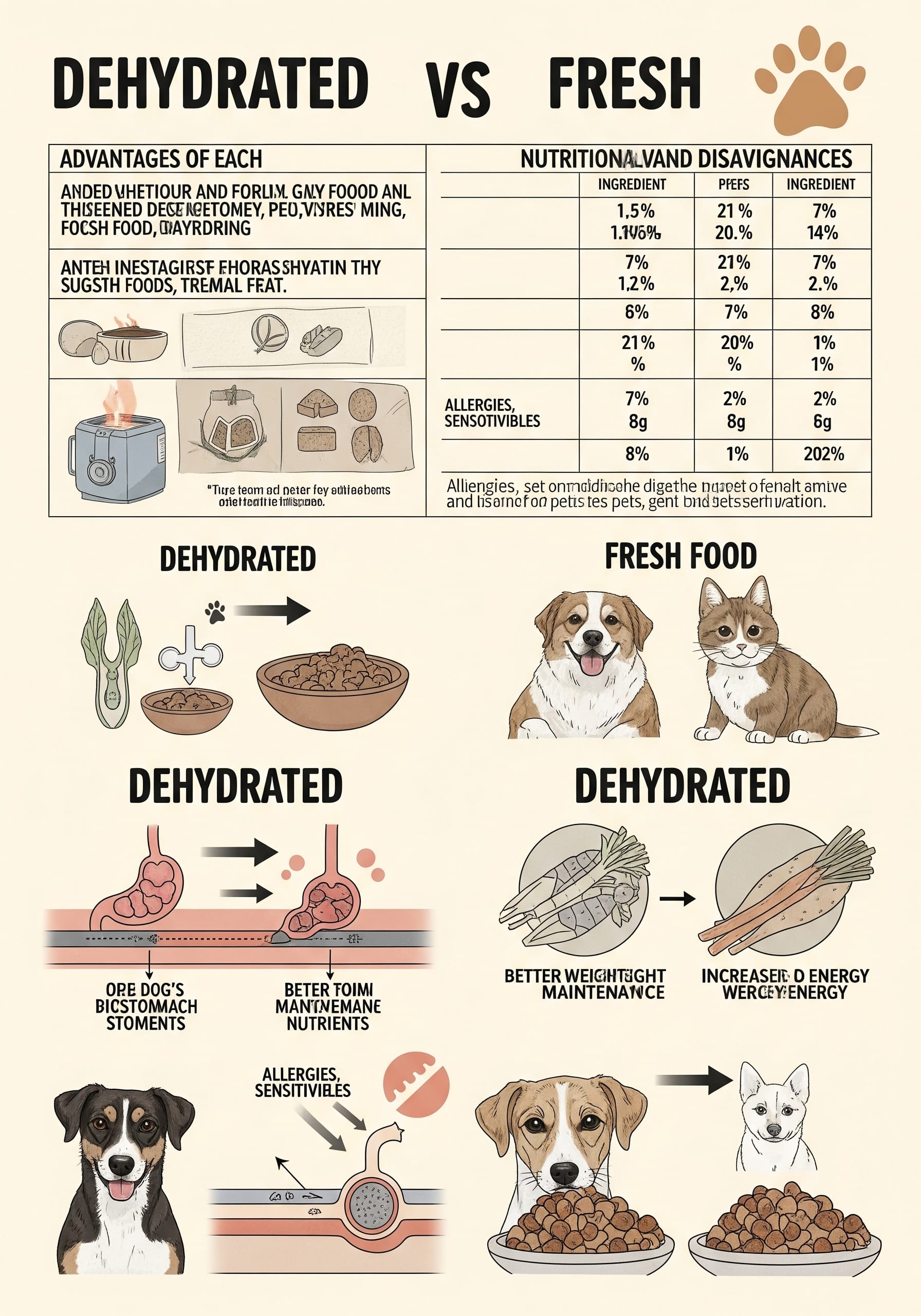
Dehydrated pet food is created by removing the moisture from raw ingredients through a slow, low-heat process, preserving nutrients while making the food shelf-stable. Before feeding, you typically add warm water to rehydrate the food, creating a fresh meal with minimal processing.
Benefits of Dehydrated Pet Food
- Preserves nutrients better than highly processed kibble.
- Lightweight and easy to store.
- Longer shelf life compared to fresh pet food.
- Minimal preservatives and fillers.
- Easy to prepare while providing a near-fresh meal for pets.
Drawbacks of Dehydrated Pet Food
- More expensive than traditional kibble.
- Requires water and time to rehydrate before serving.
- Some pets may initially resist the different texture or flavor.
Popular dehydrated dog food brands and dehydrated cat food brands include The Honest Kitchen, Stella & Chewy’s, and Primal.
What is Fresh Pet Food?
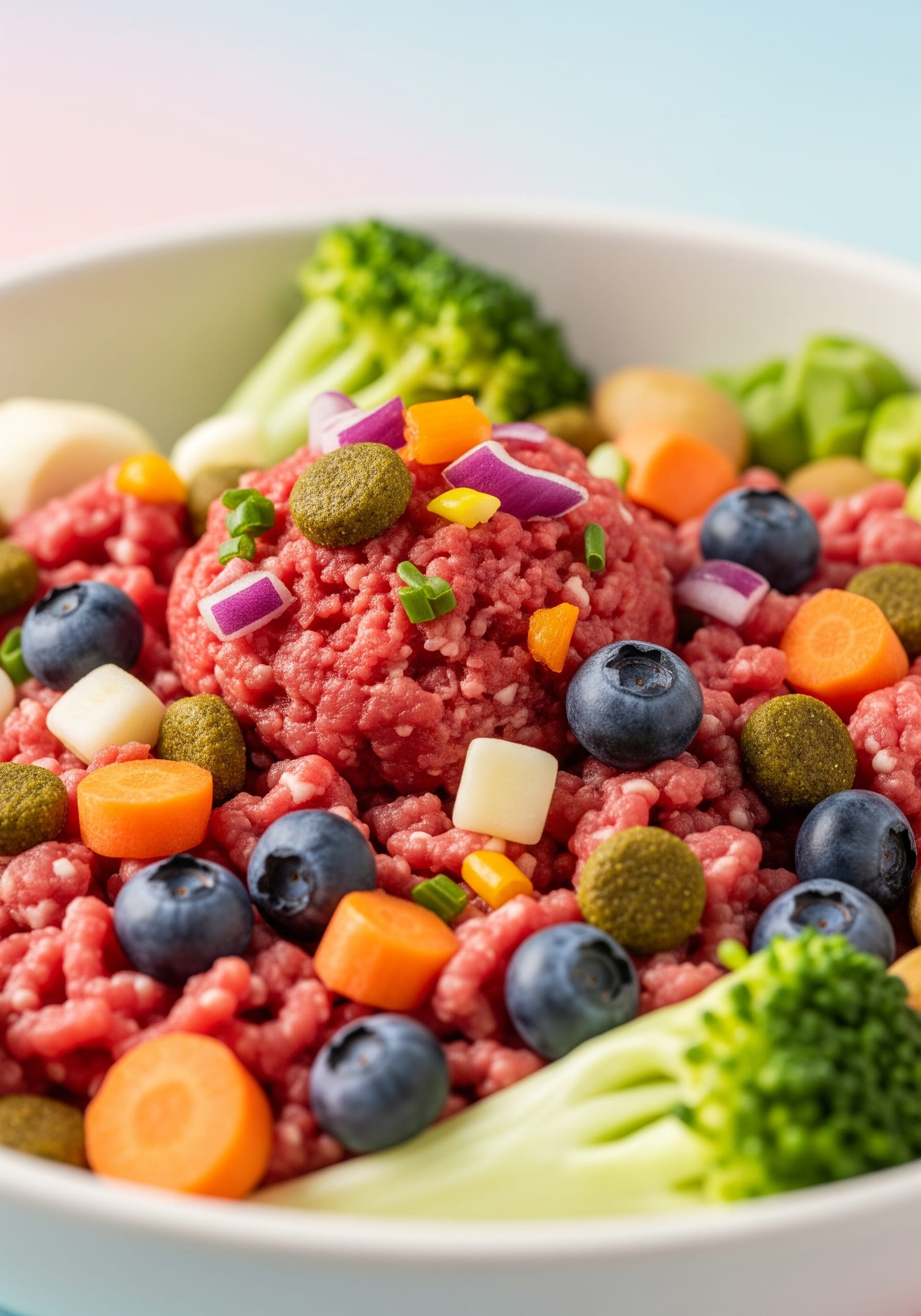
Fresh pet food consists of gently cooked meals made from high-quality meats, vegetables, and grains (or grain-free), stored in refrigeration to maintain freshness and nutrient integrity.
This category includes
- Home-cooked pet food following balanced pet diet recipes.
- Subscription-based fresh pet food delivery services like Nom Nom, The Farmer’s Dog, and JustFoodForDogs.
Benefits of Fresh Pet Food
- High palatability, often favored by picky eaters.
- Lower levels of processing, preserving essential nutrients.
- Supports healthy digestion, shiny coats, and overall vitality.
- Customizable based on your pet’s specific health needs.
Drawbacks of Fresh Pet Food
- Requires refrigeration and has a shorter shelf life.
- Higher cost compared to dehydrated or kibble diets.
- Less convenient for travel or long-term storage.
Nutritional Comparison: Dehydrated vs. Fresh Pet Food
When comparing dehydrated pet food vs. fresh pet food, consider the following factors:
Protein Quality
Both dehydrated and fresh pet food often use high-quality animal proteins.
However, fresh dog food and fresh cat food typically offer slightly higher moisture levels, which can support hydration and kidney health, particularly for cats prone to urinary issues.
Digestibility
Fresh pet food can be easier to digest due to its moisture content and minimal processing, making it ideal for pets with sensitive stomachs.
Dehydrated pet food, once rehydrated, also becomes highly digestible and retains a high nutrient profile.
Convenience
Dehydrated pet food is easier to store and travel with, while fresh pet food requires refrigeration and careful portion control.
Busy pet owners may find dehydrated meals more practical for travel, while fresh pet food may be preferred for daily feeding at home.
Cost
Both options are typically more expensive than traditional kibble.
Fresh pet food often incurs higher ongoing costs due to refrigerated storage, shipping, and preparation, while dehydrated food offers longer shelf life, reducing food waste.
How to Choose the Right Option for Your Pet?
When deciding between dehydrated dog food vs. fresh dog food or dehydrated cat food vs. fresh cat food, consider:
- Your Pet’s Health Needs: Pets with specific dietary requirements (low-phosphorus, single-protein, low-fat) may benefit from the customization of fresh pet food plans.
- Your Lifestyle: If you travel frequently, dehydrated pet food is practical for maintaining a consistent diet for your pet.
- Budget: Determine what you can sustainably afford while prioritizing your pet’s health.
- Palatability: If your pet is a picky eater, fresh pet food may encourage better eating habits.
Both options are significantly healthier compared to low-quality, highly processed kibble diets.
Tips for Transitioning Your Pet’s Diet
Whether switching to dehydrated pet food or fresh pet food, transition gradually over 7-10 days to avoid digestive upset:
- Start by mixing 25% of the new food with 75% of the current food.
- Gradually increase the new food by 25% every 2-3 days.
- Monitor for changes in stool consistency, energy levels, and any signs of allergies.
Final Thoughts
Choosing between dehydrated vs. fresh pet food depends on your pet’s health, your budget, and your lifestyle. Both options provide superior nutrition compared to traditional kibble, contributing to better skin, coat, energy levels, and long-term wellness.
For busy pet parents seeking convenience and reduced waste, dehydrated pet food is a strong option. If you prefer the highest moisture levels and customization for your pet’s dietary needs, fresh pet food will be worth the investment.
By prioritizing healthy pet diets, you ensure your pet thrives, supporting their health and happiness for years to come.
FAQs
Both dehydrated pet food and fresh pet food are healthier than highly processed kibble, retaining essential nutrients without heavy additives. Fresh food offers higher moisture content, while dehydrated food preserves nutrients well with added convenience.
Yes, you can mix them to diversify your pet’s diet while providing hydration and variety, ensuring that your pet’s daily caloric needs are met appropriately.
Most dehydrated pet foods are made from raw ingredients, but the dehydration process uses low heat, reducing pathogens while preserving nutrients, making it safer and shelf-stable.
Once rehydrated, dehydrated pet food should be treated like fresh food and consumed within 24-48 hours if refrigerated.
Generally, dehydrated pet food is more cost-effective due to its shelf stability and reduced shipping/storage costs, while fresh pet food can be more expensive but offers the benefit of high palatability and immediate moisture for hydration.

- 15 Meaningful Dog Memorial Tattoo Ideas & Costs - March 20, 2026
- Best Horse Hoof Supplement Reviews for Beginners (2026) - March 19, 2026
- Pet Rat Hammock Setup Guide: Best Layouts & Prices - March 19, 2026
GIPHY App Key not set. Please check settings