

 Lauryn Dell

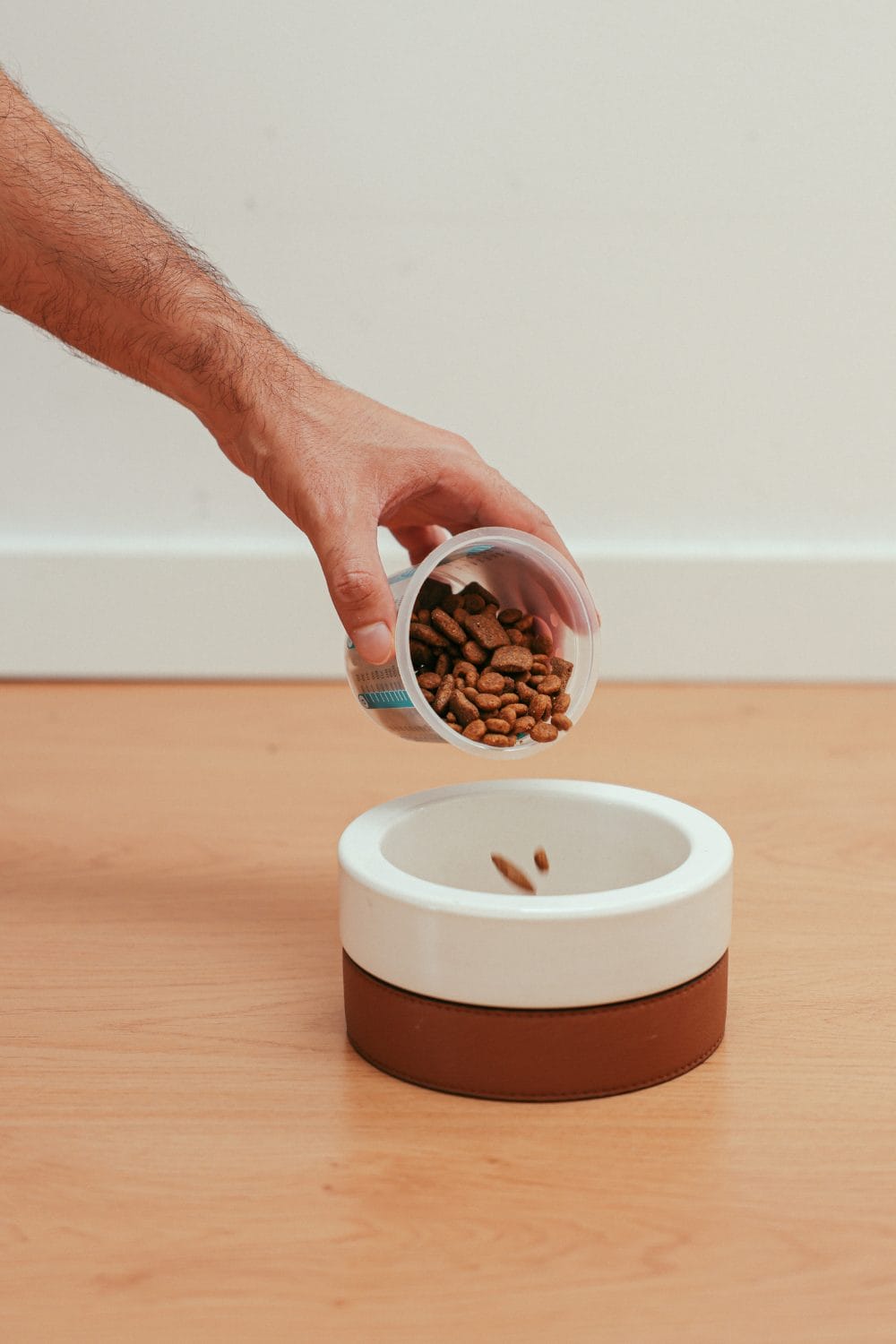
With more pet owners becoming conscious of their dogs’ diet, grain-free dog food has become a hot topic in recent years.
Marketed as a healthier, more natural alternative to traditional kibble, grain-free formulas often feature ingredients like sweet potatoes, peas, and legumes instead of grains like corn, wheat, or rice.
But is grain-free food good for dogs, or is it just another marketing trend?
This blog explores the pros and cons of grain-free dog food, digs into what science and vets say, and helps you make the best dietary decision for your canine companion.
What is Grain-Free Dog Food?
Grain-free dog food is formulated without common grains such as wheat, corn, rice, barley, and oats. Instead, it typically contains alternative carbohydrate sources like:
- Sweet potatoes
- Lentils
- Chickpeas
- Peas
- Tapioca
Many grain-free brands also focus on high-protein dog food ingredients such as chicken, beef, lamb, or fish to meet the nutritional needs of carnivorous pets.
While grain-free might sound ideal—especially with terms like “ancestral diet” or “natural formula” on the packaging—it’s essential to assess its actual impact on a dog’s health.

Pros of Grain-Free Dog Food
Helps Dogs with Grain Allergies or Sensitivities
One of the most compelling arguments for grain-free diets is to aid dogs with food allergies or intolerances. Some dogs may exhibit allergic reactions to grains, which manifest as:
- Itchy skin
- Ear infections
- Digestive issues
- Excessive paw licking
Switching to a grain-free option can alleviate these symptoms if a grain allergy is the cause.
Note: True grain allergies are relatively rare—many more dogs are sensitive to proteins like chicken or beef.
Improved Coat and Skin Health
Dogs with sensitive skin often benefit from grain-free diets rich in omega fatty acids and high-quality proteins. Many owners report shinier coats, reduced shedding, and fewer hot spots after switching.
Better Digestibility
Some dogs find grain-free dog food easier to digest, especially formulas with simple, limited ingredients. This can result in:
- Smaller, firmer stools
- Less gas
- Improved appetite
For dogs with irritable bowel symptoms or sensitive stomachs, a grain-free option may provide relief.
Higher Protein Content
Grain-free formulas often contain more animal protein, which more closely mimics a dog’s ancestral diet. This can support:
- Muscle development
- Energy levels
- Healthy weight maintenance
Cons of Grain-Free Dog Food
Potential Link to Heart Disease
Perhaps the most significant concern around grain-free diets stems from a 2018 FDA investigation into a possible link between grain-free foods and canine dilated cardiomyopathy (DCM)—a serious heart condition.
The issue appears most commonly in grain-free formulas that heavily rely on peas, lentils, and other legumes. The connection isn’t fully proven, but the FDA’s ongoing research urges caution.
Veterinarians recommend consulting a pet nutritionist before making the switch, especially if the food contains a high percentage of legumes.
Not Always Nutritionally Superior
Despite marketing claims, grain-free doesn’t always mean healthier. Many grain-free kibbles are still highly processed and may substitute grains with fillers that lack nutritional value.
Some brands increase carb content with starchy vegetables, which can lead to weight gain in sedentary dogs.
More Expensive
Grain-free formulas often come with a premium price tag. You might be paying more for packaging and marketing rather than actual nutritional benefits. If your dog doesn’t have a specific sensitivity, standard high-quality dog food with grains may be just as beneficial.
Unnecessary for Most Dogs
Unless your dog has a confirmed grain allergy, there’s generally no need to exclude grains. Grains can be a good source of:
- Fiber
- B vitamins
- Minerals
Whole grains like brown rice and oats can support healthy digestion in dogs.

Who Should Consider Grain-Free Dog Food?
Grain-free food may be appropriate for dogs who:
- Have diagnosed grain allergies
- Suffer from chronic skin or gastrointestinal problems
- Need a limited-ingredient diet
- Show improvement in coat, weight, or energy after switching
However, it’s not ideal for:
- Dogs with heart problems
- Puppies (unless vet-recommended)
- Dogs with low activity levels and a tendency to gain weight
Always consult a vet before making dietary changes.
Final Verdict: Is Grain-Free Right for Your Dog?
Like many pet health trends, grain-free dog food comes with both benefits and potential risks.
For dogs with diagnosed grain allergies or chronic digestive issues, a grain-free diet may offer relief and noticeable improvements in overall health.
However, it’s not a one-size-fits-all solution. Concerns about the potential link between certain grain-free formulas and heart disease, especially those rich in peas and legumes- warrant careful consideration.
Before switching, it’s crucial to consult your veterinarian, rule out other food sensitivities, and thoroughly examine ingredient lists. Avoid grain-free products that replace grains with low-nutrition starches or fillers.
Ultimately, the best diet for your dog is a balanced, high-quality dog food tailored to their specific needs, whether it includes grains or not.
FAQs
Grain-free dog food is not inherently bad, but some formulas may increase the risk of DCM if they contain high levels of legumes. The best approach is to choose a well-balanced recipe and consult your vet.
Most vets do not recommend grain-free diets unless there’s a diagnosed allergy or intolerance. They often advise caution, especially in light of the FDA’s investigation into heart-related risks.
Grain-free dog food excludes all grains, while gluten-free dog food only excludes grains containing gluten (like wheat, barley, and rye). A gluten-free diet might still include grains like rice or corn.
Some studies suggest a potential link between grain-free dog food and heart disease (DCM). The connection is not conclusive, but it’s enough for many veterinarians to suggest caution.

- Mushroom Complex Supplements for Dogs with Cancer: A Guide - March 25, 2026
- 15 Meaningful Dog Memorial Tattoo Ideas & Costs - March 20, 2026
- Best Horse Hoof Supplement Reviews for Beginners (2026) - March 19, 2026
GIPHY App Key not set. Please check settings