

 Emily Walker
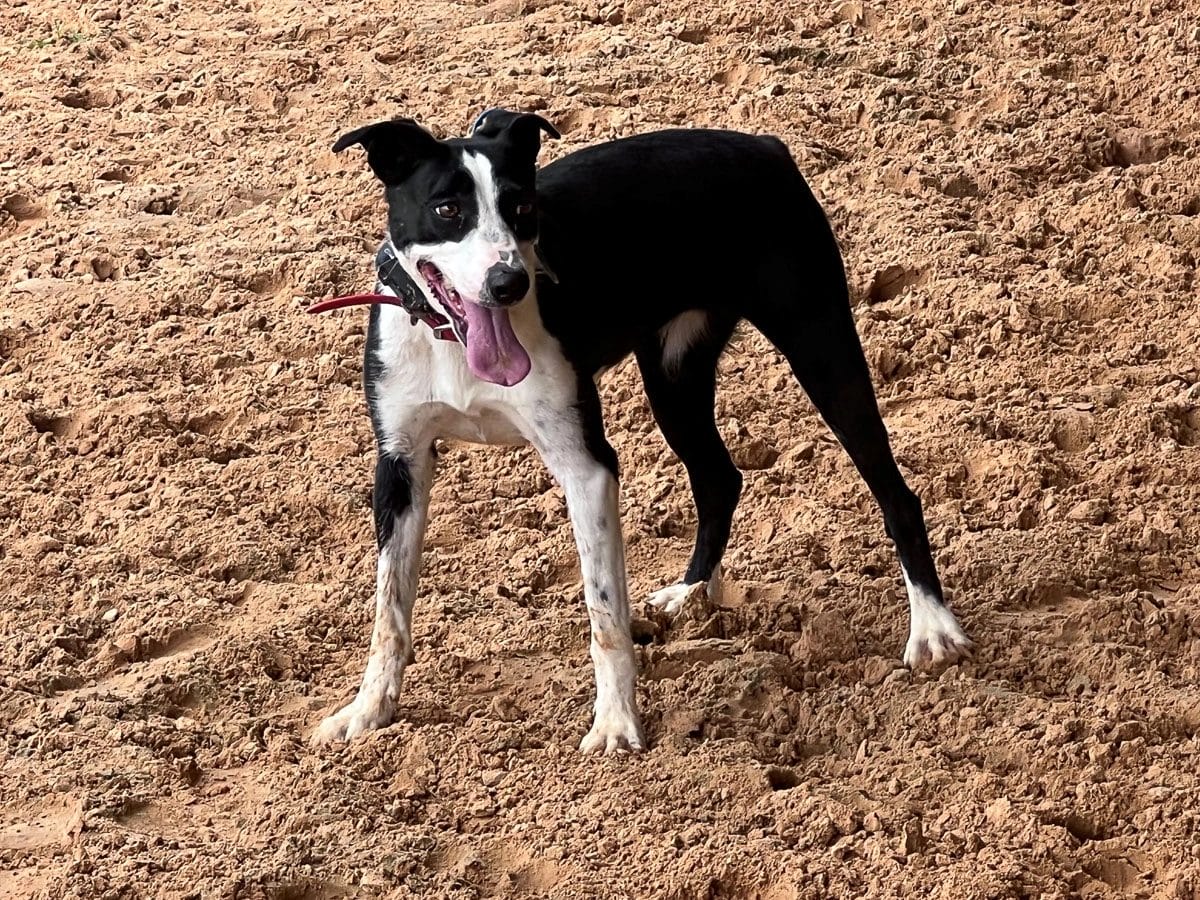
The vast American ranches need more than just any herding dog—they need a smart, tough, and unstoppable partner who can handle chaos on four legs.
That’s where the Hanging Tree Cattle Dog comes in. It’s a newer breed, but ranchers are already calling it the ultimate cattle dog.
Why? Because it’s like the all-star mix of the best herding breeds out there—built for brains, grit, and endurance.
Origins: A Purpose-Built American Working Dog
The Hanging Tree Cattle Dog is no ancient breed—it’s a new legend forged by design.
In the 1980s, Idaho rancher Gary Ericsson said to himself, “I want a dog as tough as feral cattle and smart enough to be a true partner.”
So he essentially behaved like “genetic engineer,” combining four powerhouse breeds: Border Collie for intelligence, Catahoula for toughness, Kelpie for endurance, and Aussie Shepherd for loyalty and that can-do spirit.
This wasn’t random—it was precision breeding for ranch survival.
Every drop of DNA in this dog serves a job.
The result? A working dog so capable, it feels like Ericsson custom-built it for the American West itself.
Physical Characteristics: Built for Performance
The Hanging Tree Cattle Dog looks exactly how you’d imagine a ranch warrior should—strong, agile, and always ready for action.
These dogs usually stand about 18 to 25 inches tall and weigh 35 to 60 pounds—basically the perfect mix of “don’t mess with me” and “I can outrun you.”
They’re solid enough to make cattle take them seriously, but quick and nimble enough to dodge a flying hoof when things get spicy.
Key Physical Features:
- Coat: A medium-length double coat that’s like nature’s armor—keeps them warm, blocks out thorns, and shrugs off rain. They come in black, red, blue merle, or cool mixes with white and tan splashes that make each dog look one-of-a-kind.
- Build: Think athlete, not bodybuilder—lean muscles built for long days, quick turns, and bursts of speed when the herd suddenly decides to play “catch me if you can.”
- Eyes: Sharp and full of intelligence—some even have those mesmerizing blue or two-toned eyes that make you think they can read your mind.
- Tail: Medium-length and perfect for balance—watch it flick when they’re laser-focused on herding; it’s like their built-in steering system.
Everything about this dog screams purpose.
Their coat keeps them safe from harsh weather, their build keeps them fast and tough, and their size helps them hold their own without burning out.
The Hanging Tree Cattle Dog isn’t built for beauty contests—it’s built to work, and it does that better than just about any dog out there.
Temperament and Working Drive: The Heart of a Cattle Dog
What really makes the Hanging Tree Cattle Dog a legend isn’t just its muscles or speed—it’s what’s going on upstairs.
This breed has a work drive so strong it’s basically their personality. They live to herd.
Seriously, if they could clock in at 6 a.m. and punch out at sunset, they would. They’re like that one kid who actually likes doing group projects—except their project is wrangling 1,000-pound cows.
Temperament Characteristics:
- Intelligence: Wicked smart. They pick up commands fast and figure out new problems on their own. You can’t outthink them for long.
- Drive: Their energy is next-level. Imagine a dog who thinks rest is for quitters.
- Loyalty: Once they bond with you, you’re their person for life. They’ll protect you, work for you, and stare at you like you hung the moon.
- Balance: Tough when they need to be, but always under control. They don’t just charge in—they calculate.
- Versatility: Whether it’s cattle, sheep, or chaos, they adapt their game plan like pros.
But here’s the catch—this kind of intensity needs an outlet. If you don’t give a Hanging Tree Cattle Dog a job, they’ll make one.
Training and Development: Nurturing Natural Ability
The Hanging Tree Cattle Dog may be born with serious herding instincts, but even the best athletes need coaching.
These dogs are crazy smart—like, “figure out how to open the gate and move the herd themselves” smart—so training isn’t optional; it’s survival.
Without guidance, they’ll invent their own system… and trust me, you might not like their version of leadership.
Training Timeline:
Early socialization (8–16 weeks):
This is puppy boot camp.
Get them out and about—meet new people, see new animals, hear weird noises.
This helps them grow into confident workers instead of skittish pups.
Oh, and start obedience now. Teaching “sit” and “come” early builds the trust you’ll need later when cows start testing limits.
Instinct development (4–8 months):
Time to let them dip their paws into the real deal.
Trainers usually start them with calm, experienced livestock (aka, the chill cows).
The idea is to let the pup’s instincts show while guiding them away from bad habits—no barking their heads off or biting too rough.
It’s kind of like letting a kid drive in an empty parking lot before hitting the highway.
Advanced stock work (8–18 months):
This is where the magic happens.
Your dog learns to take commands at a distance, move stubborn cattle, and handle chaos like a pro.
It’s hard work, but seeing that “click” moment—when your dog and you move as one—is pure satisfaction.
Essential Training Principles:
- Consistency: Say what you mean and mean what you say. Dogs pick up mixed signals fast.
- Positive reinforcement: Praise, treats, and excitement when they nail it—make success fun.
- Appropriate correction: Firm, fair, and never cruel. You’re their coach, not their enemy.
- Patience: Every great dog needs time to build confidence. Don’t rush greatness.
- Real-world experience: Books and videos are cool, but nothing beats mud, cattle, and the real grind.
The best Hanging Tree Cattle Dogs don’t come from overtraining—they come from balanced training.
You’re not trying to crush their instincts; you’re fine-tuning them. It’s like turning raw talent into championship skill.
Working Applications: More Than Just a Cattle Dog
Don’t let the name fool you—the Hanging Tree Cattle Dog isn’t a one-trick ranch pony.
Sure, they were built for cattle, but these dogs are basically the Swiss Army knives of the working world.
If there’s a job that needs brains, muscle, and nonstop energy, this breed’s already on it before you can finish saying “fetch.”
Primary Working Roles
Cattle ranching:
This is their bread and butter. These dogs were literally designed to move beef on hooves.
They can round up, drive, and sort cattle with surgeon-level precision.
During calving season or pasture changes, they’re the rancher’s right hand—reading a cow’s body language and reacting faster than most humans could dream of.
They don’t just herd—they manage.
Sheep and goat herding:
Thanks to their Border Collie DNA, they can switch gears and work smaller livestock like total pros.
Think of it as switching from wrestling cows to choreographing sheep ballet—same control, different tempo.
Ranchers who run mixed herds love having one dog that can handle it all.
Competitive herding trials:
These aren’t just working dogs—they’re athletes.
Many owners compete in herding trials through groups like the AKC or USBCHA, where Hanging Tree Cattle Dogs get to show off their precision moves and mental sharpness against the best in the business.
Spoiler: they hold their own just fine.
Beyond the ranch:
Some people take them into totally different lines of work—search and rescue, personal protection, or even detection work.
Their brains, drive, and loyalty make them adaptable to just about anything.
Health and Longevity: Hardy Working Partners
The Hanging Tree Cattle Dog is built tough—seriously, these dogs are like the off-road trucks of the canine world.
Thanks to their mixed-breed roots, they’ve got solid overall health and endurance that keeps them working hard for years.
But even the toughest dogs have a few things owners should keep an eye on.
Common Health Considerations
Hip dysplasia can pop up in medium and large working dogs, but good breeders screen for it through OFA tests.
Eye issues like progressive retinal atrophy show up sometimes too, so regular vet eye checks are a must.
And if you love their merle coats, here’s a tip: responsible breeders avoid pairing two merles, since that combo can cause hearing or vision problems.
With proper care, these dogs usually live 12–15 years—and plenty of ranchers say their Hanging Trees are still out there working cattle at 10-plus years old.
They’re built to last, plain and simple.
Health Maintenance Requirements
- Annual vet visits with joint and eye checks
- Daily exercise—no couch potatoes here
- High-quality food for working dogs
- Regular parasite prevention (ranch life isn’t clean)
- Quick care for cuts or sprains from stock work
Choosing a Hanging Tree Cattle Dog: Important Considerations
So, you’re thinking about getting a Hanging Tree Cattle Dog? Awesome—but pump the brakes for a sec.
This isn’t a “cute pet for the backyard” kind of dog.
It’s a full-on working machine, and not every breeder—or owner—is up for the responsibility.
Breeder Evaluation Criteria
A legit breeder doesn’t just talk—they show their dogs working livestock, not just posing for Instagram.
They’ll have health clearances, be upfront about any genetic issues, and ask you tons of questions to make sure you’re the right fit.
If they don’t care where the puppy ends up, that’s a red flag.
The official Hanging Tree Cowdogs organization can hook you up with reputable breeders and help you understand what real working quality looks like.
Suitability Assessment
Be realistic with yourself—are you actually going to be able to provide for this dog?
These animals don’t take short walks and lazy weekends. They need purpose and live on hard work—herding, agility, long runs, or whatever keeps their mind and body engaged.
They love ranches or large estates, but super-committed suburban owners can do it if there is plenty of exercise and training.
City living? No way. These dogs weren’t designed to walk across sidewalks and tiny apartments—they were created for wide vistas, mud, and freedom.
The Future of the Breed: Preserving Working Heritage
As the Hanging Tree Cattle Dog gets more popular, there’s a big question hanging in the air—will it stay the rugged, hardworking ranch dog it was bred to be, or turn into another pretty face for dog shows and Instagram posts?
Right now, the breed’s in the American Kennel Club’s Foundation Stock Service, which is like being “in line” for full recognition.
That sounds cool, but some ranchers are nervous.
They’ve seen what happens when working breeds go mainstream—suddenly, looks start mattering more than ability, and the dogs that used to rule the ranch end up pampered on couches.
Breed fans are fighting to keep that from happening.
Their message is simple: function over fashion. The Hanging Tree Cattle Dog should stay what it was meant to be—a smart, tough, no-nonsense worker built for real ranch life, not ribbons and spotlights.
Conclusion: A Breed Defined by Purpose
The Hanging Tree Cattle Dog is proof that when you breed for purpose, not looks, you get something truly special.
Built for the grind of real ranch work, this young breed has already earned massive respect for its brains, endurance, and loyalty.
For ranchers, it’s the ultimate partner—smart enough to read cattle, tough enough to keep going all day, and loyal enough to have your back through thick and thin.
But here’s the thing: this breed isn’t for everyone.
That same fire and intelligence that make them incredible workers can turn into chaos if you’re not ready to keep them challenged and busy.

- Does Cat Litter Melt Ice? The Complete Guide to Winter Safety - January 30, 2026
- Happy Tail Dogs: Understanding This Common Canine Condition - January 29, 2026
- How Cold Can Outdoor Cats Handle? Feline Winter Safety - January 27, 2026
GIPHY App Key not set. Please check settings