

 Lauryn Dell
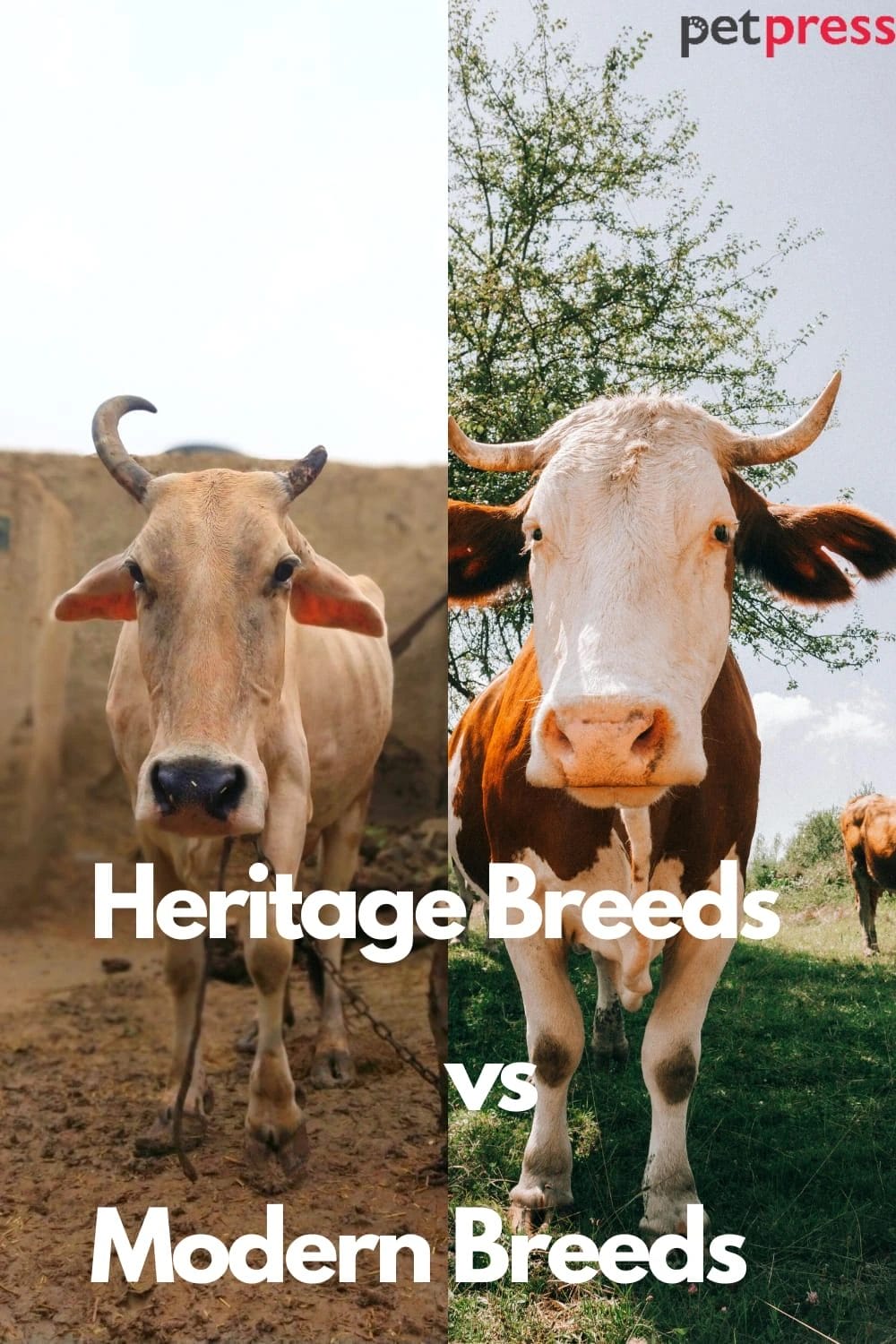
Heritage Breeds vs Modern Breeds: Which One Is Better? Farming has always been a cornerstone of human civilization, evolving dramatically over centuries.
In today’s fast-paced, industrialized food system, high-yield modern breeds of livestock dominate global agriculture.
Breeders developed these farm animals selectively to produce more meat, milk, or eggs in less time, thus catering to growing populations and consumer demand.
However, alongside this push for efficiency, we overlooked something valuable: heritage breeds.
Farmers raised these traditional, old-fashioned livestock breeds for centuries before industrial farming methods took hold.
Unlike modern breeds, they possess traits like resilience, adaptability, and longevity, instead of being solely designed for maximum output.
In recent years, heritage breeds have been making a surprising comeback. Farmers, homesteaders, chefs, and conscious consumers are rediscovering the value of these animals, not just for food quality but for sustainability and biodiversity.
This blog will explore the differences between Heritage Breeds vs Modern Breeds, the reasons behind the renewed interest in heritage livestock, and why these animals may hold the key to a healthier and more sustainable future.
What Are Heritage Breeds?
Heritage breeds are traditional livestock breeds that were commonly raised before the rise of industrial agriculture in the 20th century.
These animals are the result of centuries of selective breeding by small-scale farmers to adapt to local climates, farming conditions, and community needs.
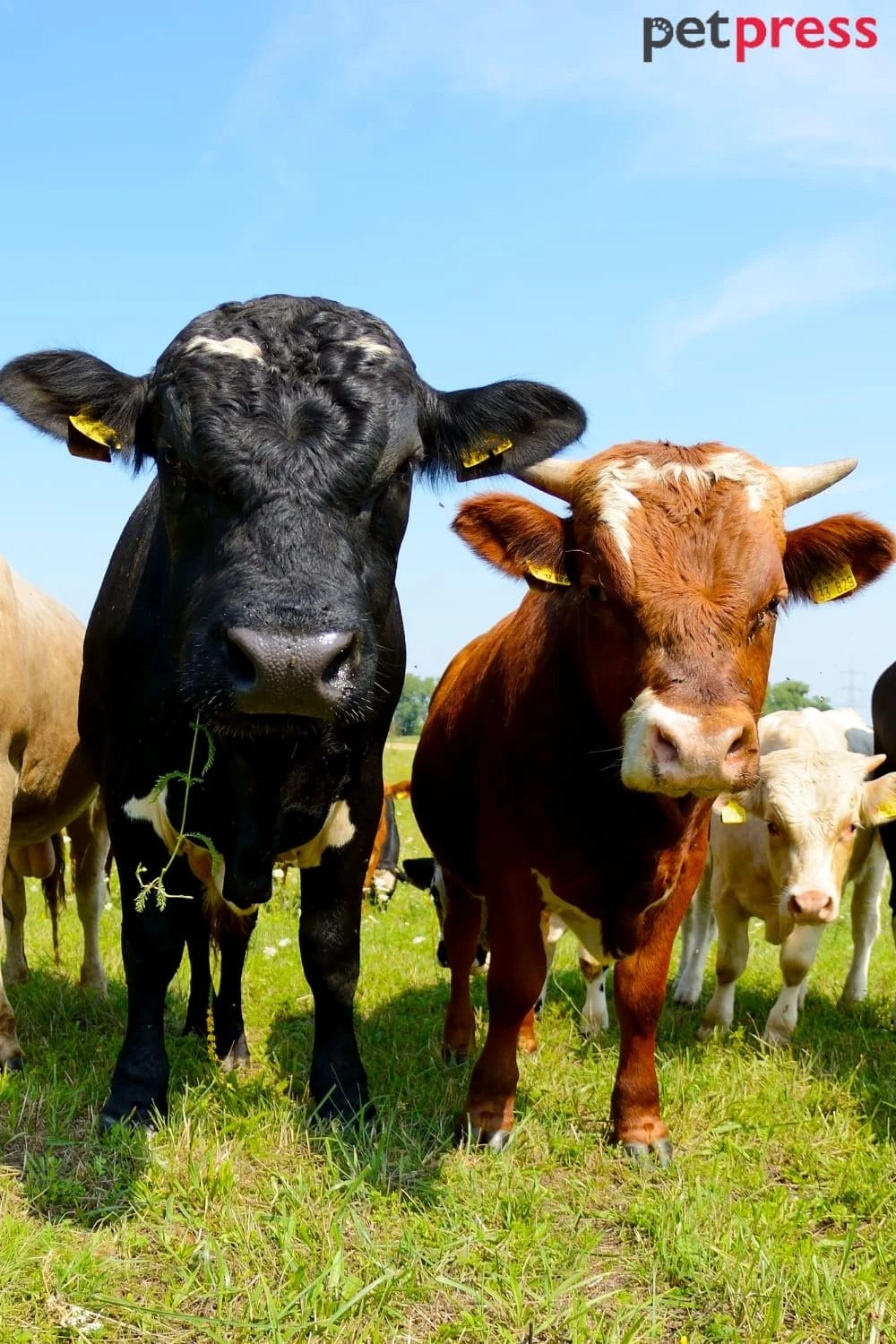
Key characteristics of heritage breeds include:
- Genetic diversity: Unlike modern livestock, which are often genetically uniform, heritage animals retain a wide genetic pool.
- Natural hardiness: These breeds were bred to survive harsh environments, resist disease, and thrive on pasture-based diets.
- Long lifespans and productivity: Heritage animals typically mature more slowly but remain productive longer than modern breeds.
- Cultural value: They often hold historical, cultural, and culinary significance tied to specific regions.
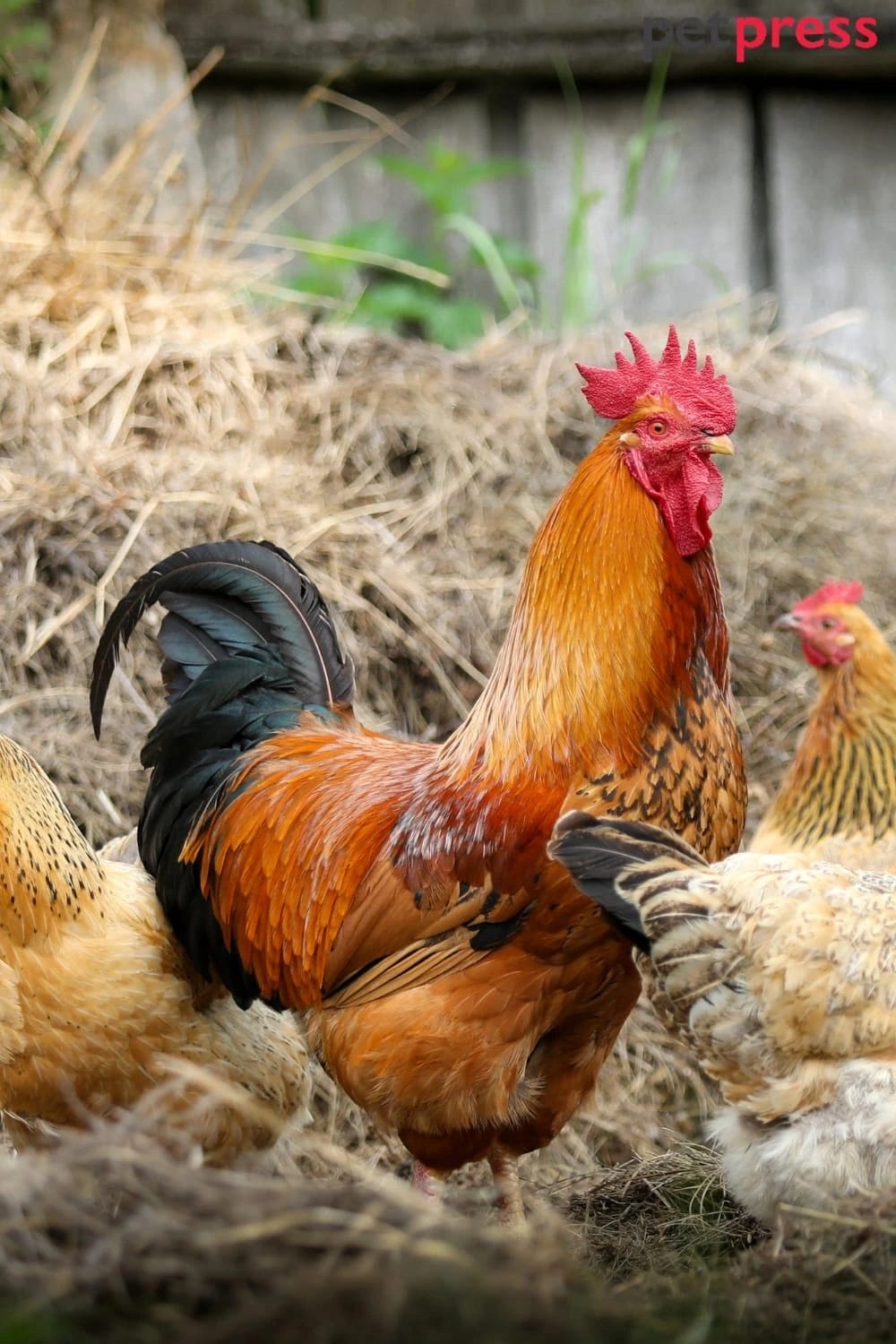
For example, the Red Wattle hog, once nearly extinct, is prized for its rich, flavorful pork. Similarly, Delaware chickens are valued for their adaptability and balanced egg and meat production.
Modern Breeds and the Rise of Industrial Agriculture
Modern livestock breeds emerged primarily during the 20th century as agriculture became more industrialized. Farmers, supported by science and technology, began selecting animals for maximum yield and efficiency.
Traits of modern breeds include
- High productivity: Cows bred for maximum milk production, broiler chickens engineered for rapid growth, and pigs designed for leaner meat.
- Fast turnaround: Animals reach market weight much faster, reducing production costs.
- Uniformity: Industrial farming relies on animals that produce consistent results, making large-scale operations more predictable.
While modern breeds revolutionized farming and allowed producers to feed larger populations, they also introduced challenges:
- Overreliance on a small genetic pool increases disease vulnerability.
- Shorter lifespans and higher health issues among certain breeds.
- Intensive resource use, including feed and pharmaceuticals, to maintain productivity.
Why Are Heritage Breeds Making a Comeback?
The return of heritage breeds is not just a passing trend. It is fueled by several important cultural, environmental, and economic factors.
1. Biodiversity and Genetic Preservation
Modern agriculture relies heavily on a handful of high-yield breeds. This lack of diversity puts global food security at risk.
If a disease outbreak hits these breeds, entire food systems could collapse. Heritage breeds safeguard genetic diversity, ensuring future generations have a wide pool of resilient traits to draw from.
2. Resilience to Climate Change
Heritage animals have adapted to specific environments over centuries.
For instance, some heritage cattle thrive in hot, arid climates with minimal water, while certain heritage chickens can endure cold, snowy winters. Their adaptability makes them vital in an era of climate uncertainty.
3. Superior Flavor and Quality
Chefs and food enthusiasts increasingly prize heritage meats, dairy, and eggs for their superior flavor profiles.
Heritage pork, beef, and poultry often have richer marbling, more complex tastes, and higher nutritional value compared to modern breeds.
4. Sustainable Farming Practices
Heritage breeds align naturally with regenerative and pasture-based farming systems.
They thrive in small-scale, rotational grazing operations without the heavy reliance on antibiotics or industrial feed. This makes them a key part of sustainable agriculture.
5. Cultural and Historical Value
Many heritage breeds are tied to regional traditions and cultural heritage. By raising them, farmers not only protect genetic diversity but also preserve centuries of agricultural history.
The Role of Heritage Breeds in Sustainable Farming
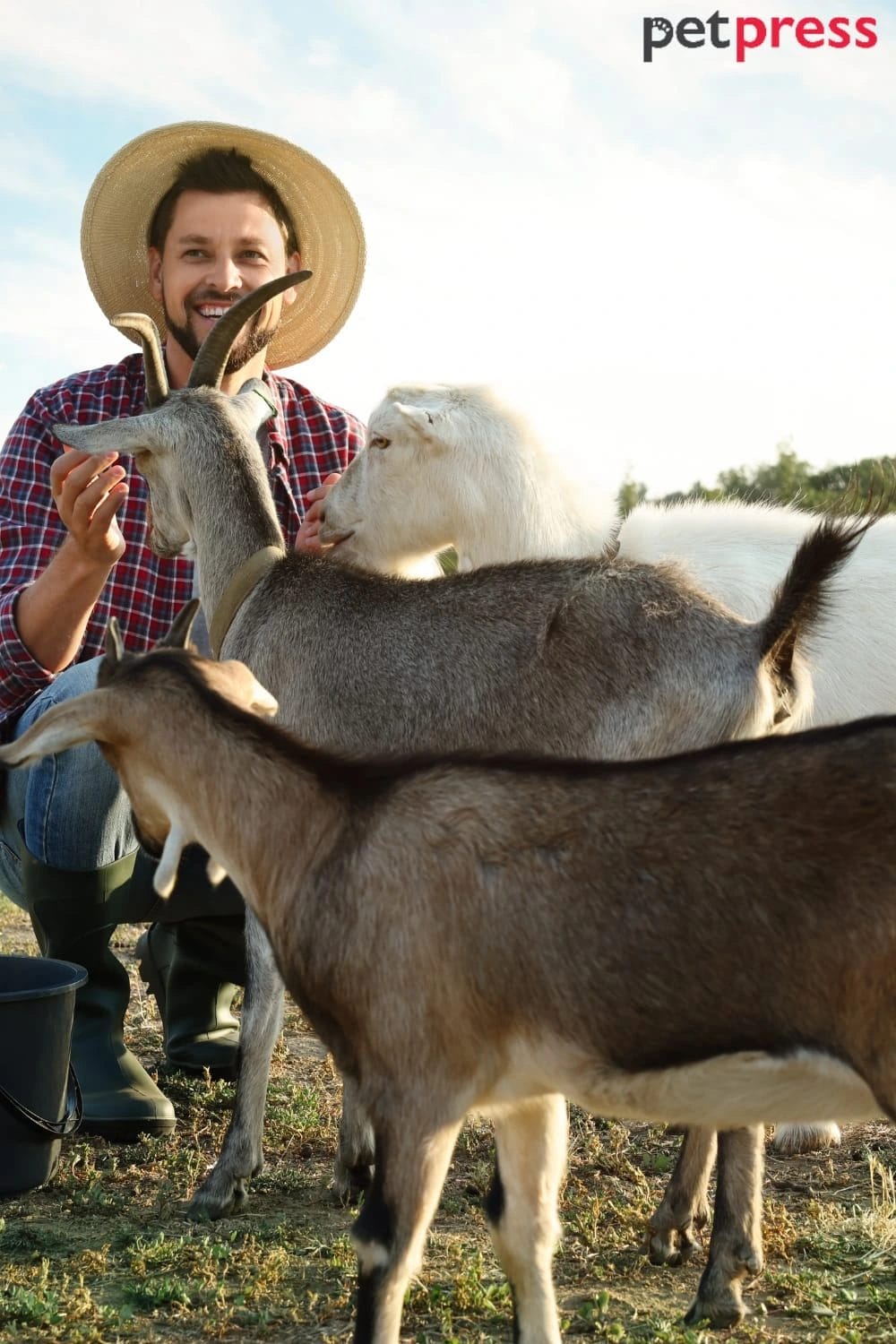
Sustainability is at the heart of the heritage breed resurgence. As consumers become more conscious of environmental impact, heritage breeds are increasingly seen as part of the solution.
- Pasture-Based Diets: Heritage breeds thrive on natural grazing, reducing dependence on grain-based feeds that strain global agriculture.
- Lower Antibiotic Use: Their natural resilience means fewer medical interventions.
- Soil Health: Rotational grazing with heritage animals helps regenerate soil, prevent erosion, and improve carbon sequestration.
- Circular Farming: Heritage breeds often serve multiple purposes—meat, milk, eggs, and even fiber, making them more resource-efficient.
Challenges of Raising Heritage Breeds
While heritage breeds offer significant benefits, raising them is not without challenges.
- Slower Growth: Farmers must wait longer for animals to reach market weight, which may increase costs.
- Lower Yields: Compared to modern breeds, heritage animals produce less milk, meat, or eggs in the same period.
- Market Access: Heritage products are often niche, requiring farmers to find specialty markets or direct-to-consumer channels.
- Conservation Efforts: Many heritage breeds remain endangered, and restoring populations requires dedicated breeding programs.
Despite these challenges, demand for heritage products continues to rise, making the effort worthwhile for many farmers.

How Can Consumers Support Heritage Breeds?
Consumers play a vital role in ensuring heritage breeds continue to thrive. Here’s how:
- Buy Heritage Meat and Dairy: Support local farms, farmers’ markets, and specialty butchers that offer heritage products.
- Join CSA Programs:Community-supported agriculture often includes heritage breed meats and eggs.
- Educate Yourself: Learn about the breeds and their history; organizations like The Livestock Conservancy provide resources.
- Advocate for Diversity: Support policies and initiatives that promote sustainable farming and livestock conservation.
Conclusion: Heritage Breeds vs Modern Breeds
The debate between heritage and modern livestock breeds is not about rejecting progress but about balancing efficiency with sustainability, resilience, and quality.
Heritage breeds represent a living link to agricultural traditions while offering solutions for modern challenges like climate change and biodiversity loss.
Their comeback is more than nostalgia; it is a conscious move toward a healthier, more resilient food system.
As farmers, consumers, and communities embrace these old-fashioned animals, they are shaping a future that values both productivity and preservation.
FAQs Related To Heritage Breeds vs Modern Breeds
A heritage breed is a traditional livestock breed developed over centuries to adapt to local environments, valued for its genetic diversity, resilience, and cultural importance.
Yes, heritage meats, dairy, and eggs often cost more due to slower growth and smaller-scale farming, but they offer higher quality and sustainability benefits.
Many heritage breeds are considered rare or endangered, with organizations actively working to conserve and repopulate them.
Yes, heritage meats are often described as richer, more flavorful, and better marbled compared to the standardized products of modern breeds.
Yes, but they thrive best in small-scale, pasture-based, and regenerative farming systems rather than industrial operations.

- Mushroom Complex Supplements for Dogs with Cancer: A Guide - March 25, 2026
- 15 Meaningful Dog Memorial Tattoo Ideas & Costs - March 20, 2026
- Best Horse Hoof Supplement Reviews for Beginners (2026) - March 19, 2026
GIPHY App Key not set. Please check settings