

 Lauryn Dell
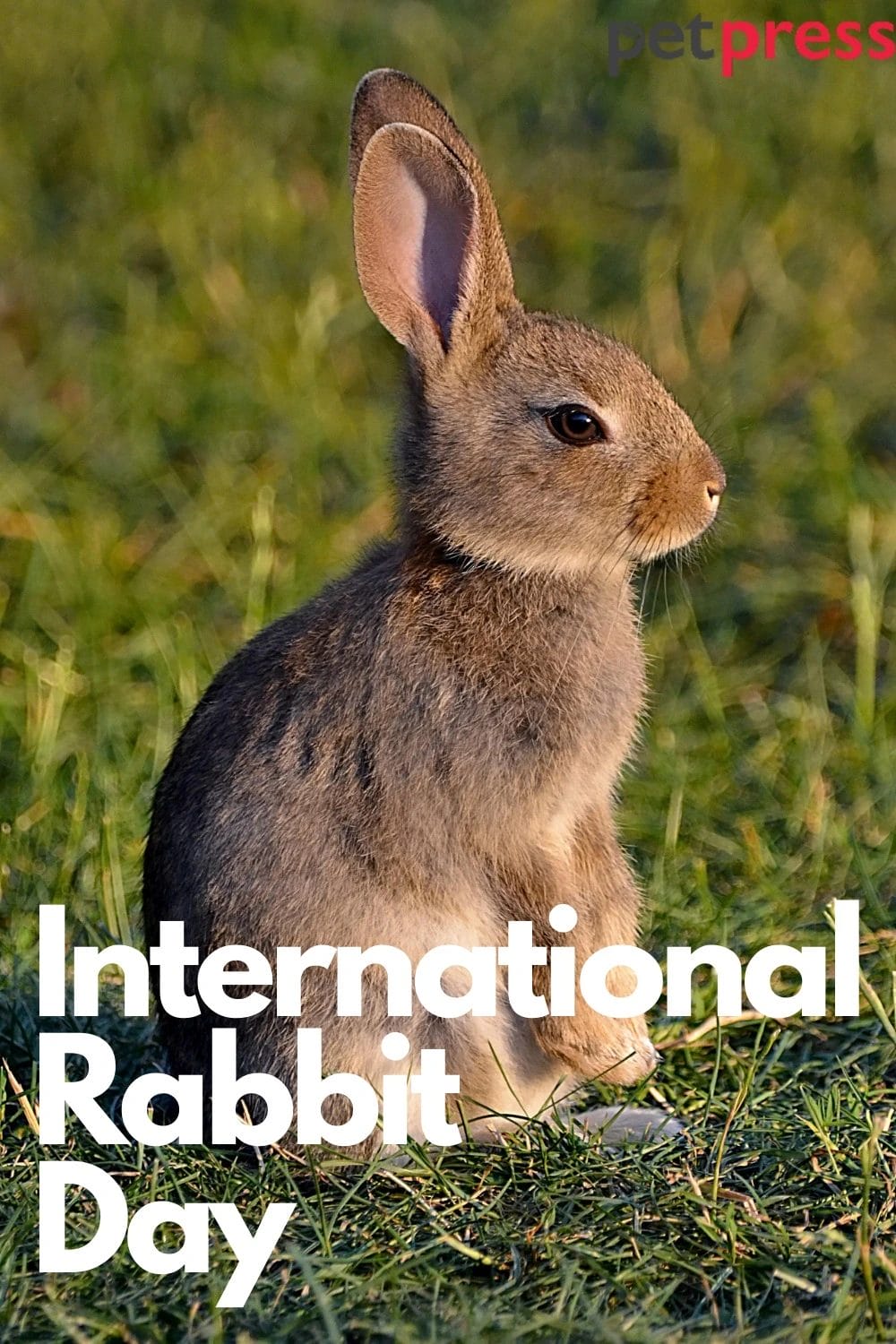
More than just a cute occasion to admire fluffy bunnies, International Rabbit Day is a global awareness event that promotes the welfare, conservation, and ethical treatment of rabbits.
Celebrated every year on the fourth Saturday of September, this day highlights both domestic rabbits and wild species, encouraging people to appreciate their importance in ecosystems while also ensuring their humane treatment as pets.
In recent years, International Rabbit Day has gained momentum thanks to increasing awareness about animal welfare and the growing popularity of rabbits as household pets.
From rabbit adoption drives to educational campaigns, the day has become a meaningful opportunity to learn, celebrate, and take action.
The History of International Rabbit Day
While the exact origins of International Rabbit Day remain somewhat obscure, it emerged in the late 1990s and early 2000s as part of a larger movement to highlight animal rights and welfare issues. Animal welfare organizations and rabbit advocacy groups promoted the day to:
- Educate the public about the challenges faced by rabbits in captivity and in the wild.
- Raise awareness about the mistreatment of rabbits in industries such as cosmetics testing and fur farming.
- Encourage responsible rabbit ownership, stressing that bunnies require as much care as cats or dogs.
Over the years, International Rabbit Day has become recognized by communities, shelters, conservationists, and animal lovers worldwide.

Why International Rabbit Day Matters
1. Advocating Rabbit Welfare
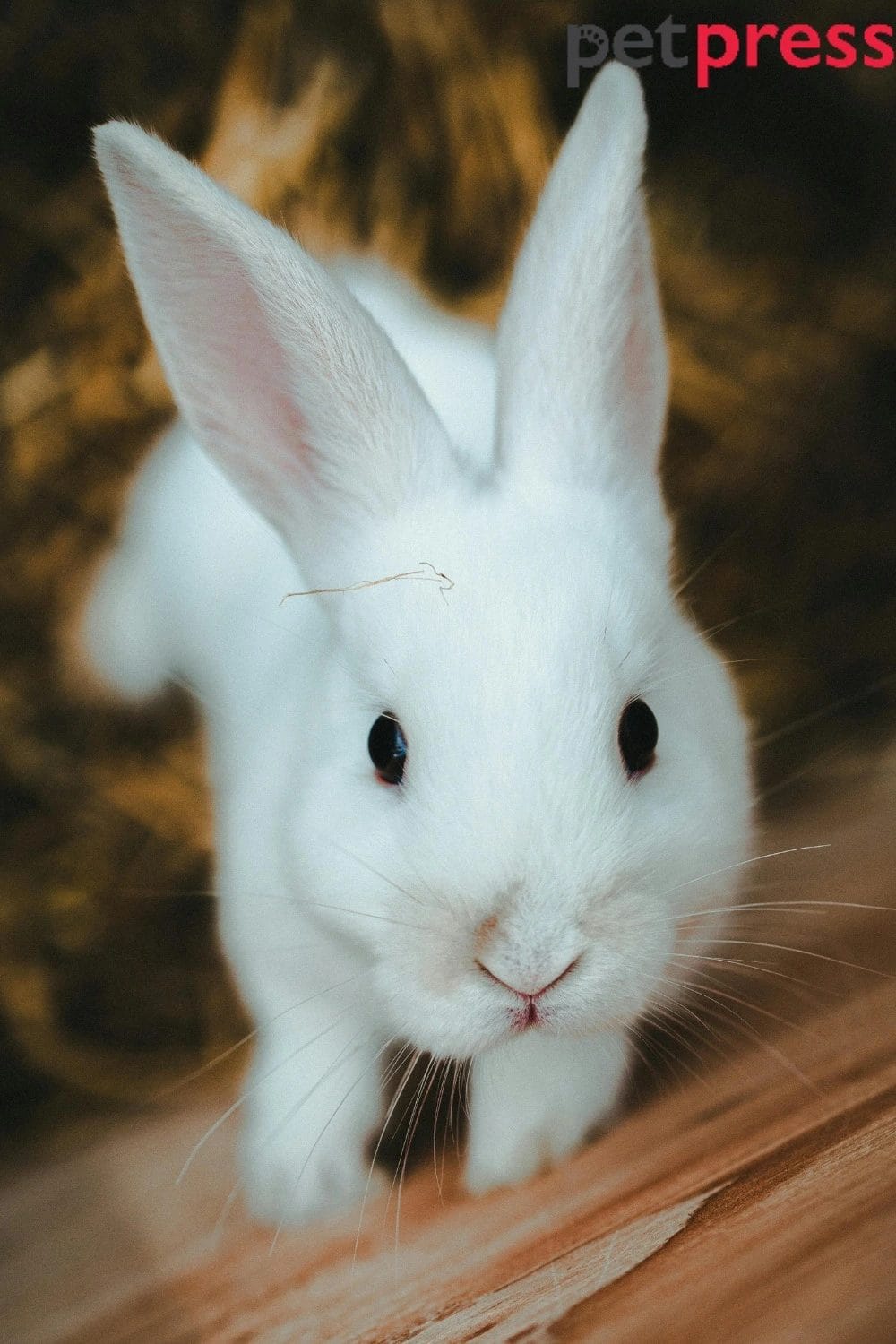
People often misunderstand rabbits as “low-maintenance” pets, which leads to improper care, neglect, and even abandonment. This day serves as a reminder that they need proper housing, diet, exercise, and veterinary care.
2. Supporting Conservation.
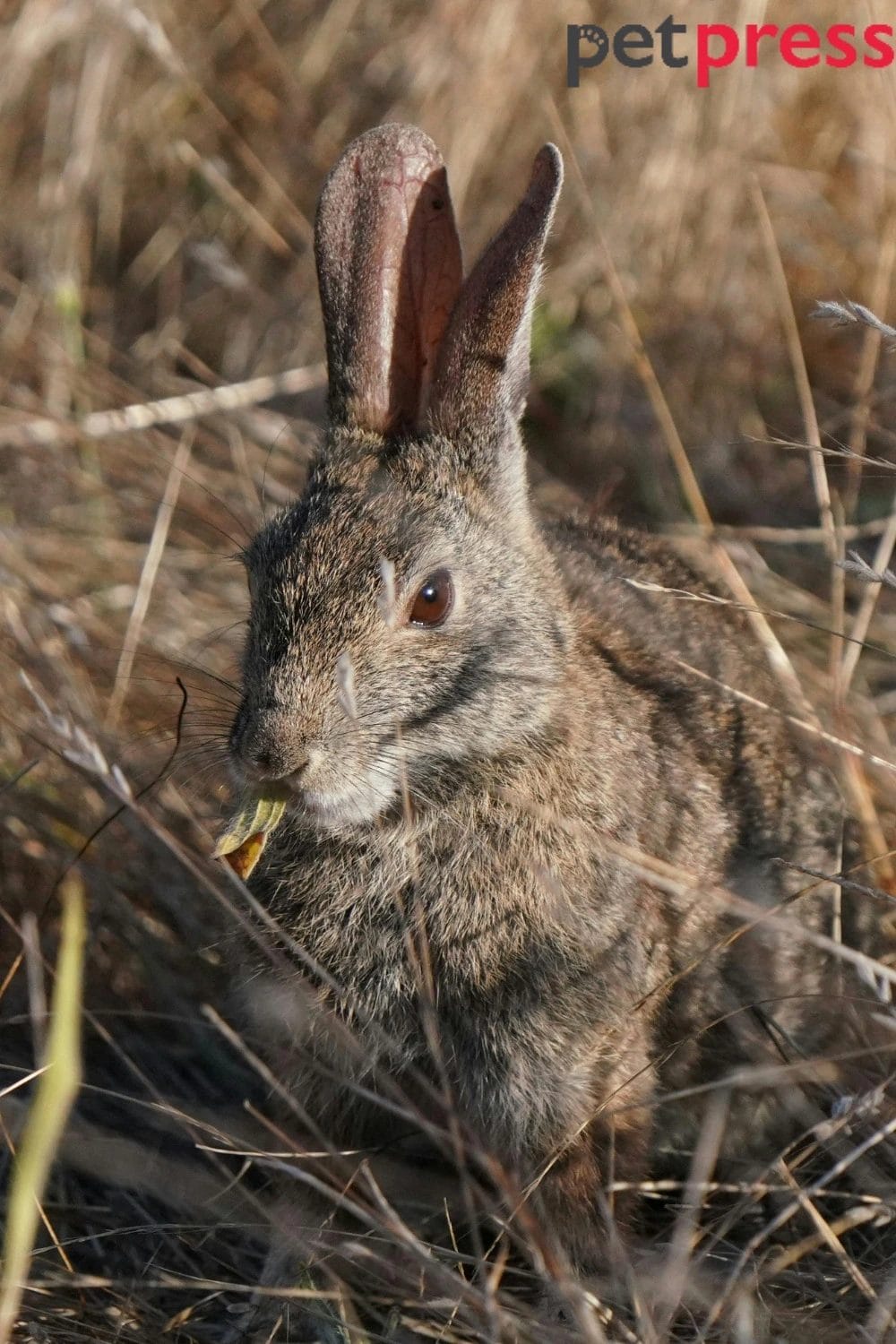
Wild rabbit populations play a crucial role in maintaining biodiversity. Unfortunately, habitat destruction, hunting, and climate change threaten many species. International Rabbit Day promotes conservation efforts to protect these animals in the wild.
3. Ending Exploitation
The fur and cosmetic testing industries have long exploited rabbits. Highlighting cruelty-free products and sustainable fashion choices aligns with the goals of International Rabbit Day.
4. Educational Outreach
Schools, communities, and animal shelters use this day to educate people about rabbits’ roles in culture, ecosystems, and as companions.
Fun and Meaningful Ways to Celebrate
There are countless ways individuals, families, and communities can make International Rabbit Day impactful. Here are some thoughtful and practical ideas:
1. Adopt, Don’t Shop
Many shelters are filled with abandoned rabbits. If you’re considering a pet, adopting a rabbit from a rescue organization not only provides a home for a needy animal but also discourages irresponsible breeding.
2. Volunteer at a Local Shelter
Rabbit rescues often rely on volunteers. Helping with cleaning, feeding, or adoption events can make a direct difference.
3. Host Educational Events
Organize community workshops, school programs, or webinars to spread awareness about rabbit care and welfare.
4. Support Rabbit-Friendly Products
Choose cruelty-free cosmetics and fashion brands that do not test on animals or use rabbit fur. Share these brands online to influence others.
5. Donate to Rabbit Welfare Organizations
Financial contributions or supplies like hay, pellets, and toys can support shelters and advocacy groups.
6. Celebrate with Art and Culture
Share stories, paintings, or photography of rabbits online to spread positivity and raise awareness about their significance.
Rabbit Symbolism Across Cultures
Rabbits have long held symbolic importance across civilizations:
- Chinese Culture: The rabbit is one of the twelve zodiac animals, symbolizing peace, prosperity, and longevity. The “Moon Rabbit” is a key figure in Chinese folklore.
- Celtic Traditions: Rabbits were seen as mystical creatures connected to fertility, intuition, and the cycles of nature.
- Modern Pop Culture: From beloved characters like Bugs Bunny to the Easter Bunny, rabbits continue to capture the imagination of people of all ages.
This cultural relevance adds depth to International Rabbit Day, connecting our celebration of bunnies to centuries of human tradition.
The Importance of Responsible Rabbit Ownership
Domestic rabbits can live between 8–12 years, but many do not reach this age due to neglect or abandonment. Owning a rabbit comes with responsibilities:
- Dietary Needs: Rabbits require a high-fiber diet based primarily on hay, supplemented with vegetables and limited pellets.
- Living Space: They need roomy enclosures and safe spaces to roam freely, not just small cages.
- Social Interaction: Rabbits are social creatures that need companionship—either from humans or other rabbits.
- Veterinary Care: Regular check-ups are essential, as rabbits are prone to dental and digestive issues.
By spreading awareness about these requirements, International Rabbit Day helps reduce neglect and ensures rabbits live healthy, fulfilling lives.
Conservation and Environmental Role of Rabbits
Rabbits are not just adorable companions; they play a vital role in ecosystems worldwide.
- Soil Health: Burrowing species, like wild rabbits, aerate soil and support plant growth.
- Food Chain: They are a key prey species for predators such as foxes, hawks, and eagles.
- Biodiversity Support: By grazing, rabbits control vegetation growth, maintaining balance in ecosystems.
Unfortunately, several species, such as the volcano rabbit in Mexico, face extinction threats. International Rabbit Day sheds light on conservation efforts to protect such vulnerable populations.
International Rabbit Day in the Modern Digital Era
Social media has amplified the reach of International Rabbit Day. Hashtags like #InternationalRabbitDay and #RabbitRescue trend globally, inspiring people to share stories, adoption journeys, and awareness campaigns.
Organizations use digital platforms to livestream adoption events, fundraise, and educate audiences. Influencers and pet bloggers play a critical role in spreading accurate information about rabbit care and welfare.
In the modern digital landscape, International Rabbit Day has transformed into both a celebration and a digital movement.
Conclusion
More than a day to admire the charm of rabbits, International Rabbit Day calls us to action. It reminds us to protect these creatures, whether they are cherished pets or vital parts of our ecosystems.
By adopting responsibly, supporting ethical industries, and promoting conservation, we can ensure a safer, healthier world for rabbits everywhere.
As International Rabbit Day approaches each year, let it be a reminder of our shared responsibility to care for all living beings. Rabbits may be small, but the impact they have on our lives, cultures, and environment is truly significant.
FAQs About International Rabbit Day
International Rabbit Day is observed on the fourth Saturday of September each year.
The day was created to raise awareness about rabbit welfare, promote responsible pet ownership, and highlight the importance of conservation.
You can celebrate by donating to a rabbit rescue, adopting a rabbit, supporting cruelty-free products, or simply learning more about rabbit care and welfare.
Rabbits can be wonderful companions, but they require consistent care, gentle handling, and supervision, making them better suited for families willing to commit to their needs.
Species like the volcano rabbit (Romerolagus diazi) in Mexico and the riverine rabbit (Bunolagus monticularis) in South Africa are critically endangered and need urgent conservation efforts.

- Best Grain-Free Carob Easter Eggs for Cats: Safe & Healthy Treats - April 2, 2026
- Pet-Friendly Easter Photo Shoot: Best Props & Outfits Guide - April 2, 2026
- Mushroom Complex Supplements for Dogs with Cancer: A Guide - March 25, 2026
GIPHY App Key not set. Please check settings