

 Emily Walker

Love the look of an Airedale Terrier but wish it was smaller? You’re not alone.
Lots of people search for a “mini Airedale Terrier,” but here’s the thing: a true mini version doesn’t exist.
Luckily, some smaller breeds have that same vibe—think of them like the Baby Yoda to your standard Yoda.
Understanding the Airedale Terrier Standard Size
Let’s break down exactly what an Airedale Terrier is, size-wise, and clear up the confusion about “mini” versions:
Standard Airedale Terrier size
First off, the standard Airedale Terrier is known as the “King of Terriers”—think the Thor of the terrier world.
They’re the biggest terrier breed, usually weighing between 42–55 pounds and standing about 23–24 inches tall (around knee-high).
Sometimes, bigger Airedales can reach up to 90 pounds, making them more like Hulk-sized.
They have a unique look: wiry coat, smart eyes, and a strong build.
But because they’re pretty big, not everyone has room or the lifestyle for them.
The truth about mini Airedale Terriers
Here’s the important thing—there’s no official “mini” Airedale Terrier recognized by kennel clubs like the AKC.
If you see ads for “mini Airedales,” they’re usually one of these things:
- Welsh Terrier: Most common. Basically, the Tom Holland to the Airedale’s Chris Hemsworth—smaller but similar vibes.
- Mixed breed: Dogs with some Airedale DNA but not purebred.
- Smaller Airedale: Sometimes smaller-than-average Airedales can have health issues, so be careful.
- Other similar terriers: Breeds that just look like mini versions of an Airedale.
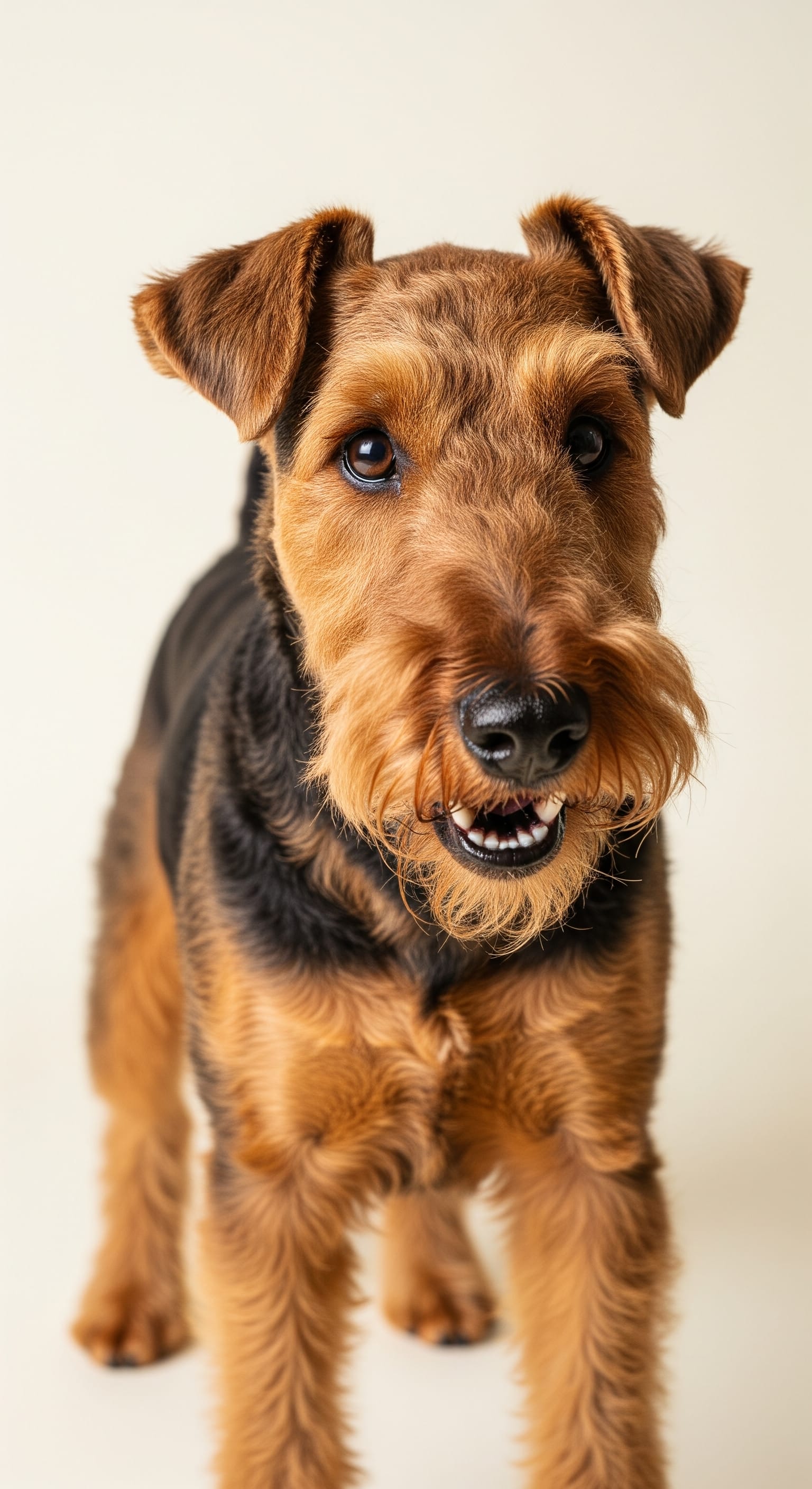
Welsh Terriers: The Most Common “Mini Airedale”
People often call Welsh Terriers mini Airedales because they look alike. But they’re totally different dogs with their own personalities.
Welsh Terriers are smaller—around 15 inches tall and weigh about 20-25 pounds.
Picture Spider-Man’s compact, agile build—smaller and energetic. They have a wiry coat that’s usually black and tan.
Key differences between Welsh terriers and Airedales
Here’s the clear breakdown between Welsh Terriers and Airedale Terriers—think Miles Morales vs. Peter Parker: similar suits, totally different heroes.
| Feature | Airedale Terrier | Welsh Terrier |
| Size & Weight | Big: 23-24 inches, 45-70 lbs |
Small: 15 inches, 20-25 lbs
|
| Personality | Smart, adaptable, versatile (often police/military dog) |
Feisty, stubborn, determined (bred to hunt small animals)
|
| Exercise Needs | High: large space, longer walks, needs yard play |
Moderate: shorter walks, backyard play is enough
|
Other Breeds Often Confused with Mini Airedales
Here’s a simple breakdown of three breeds often confused with mini Airedales.
Think of them like alternate-universe versions of your favorite character—they look alike but have their own special traits.
1. Lakeland Terrier
Lakeland Terriers look similar to Airedales and Welsh Terriers.
They often have black-and-tan fur, but can also come in other colors, making them easier to spot once you know the difference.
They’re smaller, weighing only 15–17 pounds, about the size of Baby Groot—small but lively.
2. Soft coated Wheaten Terrier
These dogs are bigger—about 19 inches tall and up to 40 pounds.
Imagine them as terrier versions of Olaf from Frozen: friendly, happy, and outgoing.
They don’t exactly match an Airedale’s look, but they share that classic terrier personality in a slightly smaller package.
3. Wire Fox Terrier
Wire Fox Terriers have the same wiry coat and look like smaller, compact Airedales.
They’re medium-sized, energetic, and playful—like Sonic the Hedgehog: small, quick, and ready for fun.
Why People Seek Mini Airedale Terriers
Here’s exactly why people look for mini Airedale Terriers instead of going for the full-sized dog—think swapping a big, bulky Hulk for a more manageable Ant-Man:
1. Apartment living
Standard Airedales are big—around 60 pounds—and have tons of energy.
Imagine keeping Captain America in a tiny apartment: it’s tough.
Smaller dogs fit better into apartment life and still have that terrier spirit, just in a more compact package.
2. Easier to manage
Smaller dogs are just easier in daily life:
- Grooming: Easier to handle during baths and haircuts.
- Travel: Simple to transport—think Baby Yoda versus Chewbacca on road trips.
- Walking: Less pulling, easier control on walks.
- Medical costs: Usually cheaper vet visits.
3. Better for families
Families with young kids or older relatives often choose smaller dogs because they’re less likely to accidentally knock someone over.
A playful Airedale can unintentionally play like Thor swinging his hammer, while a smaller breed offers safer interactions.
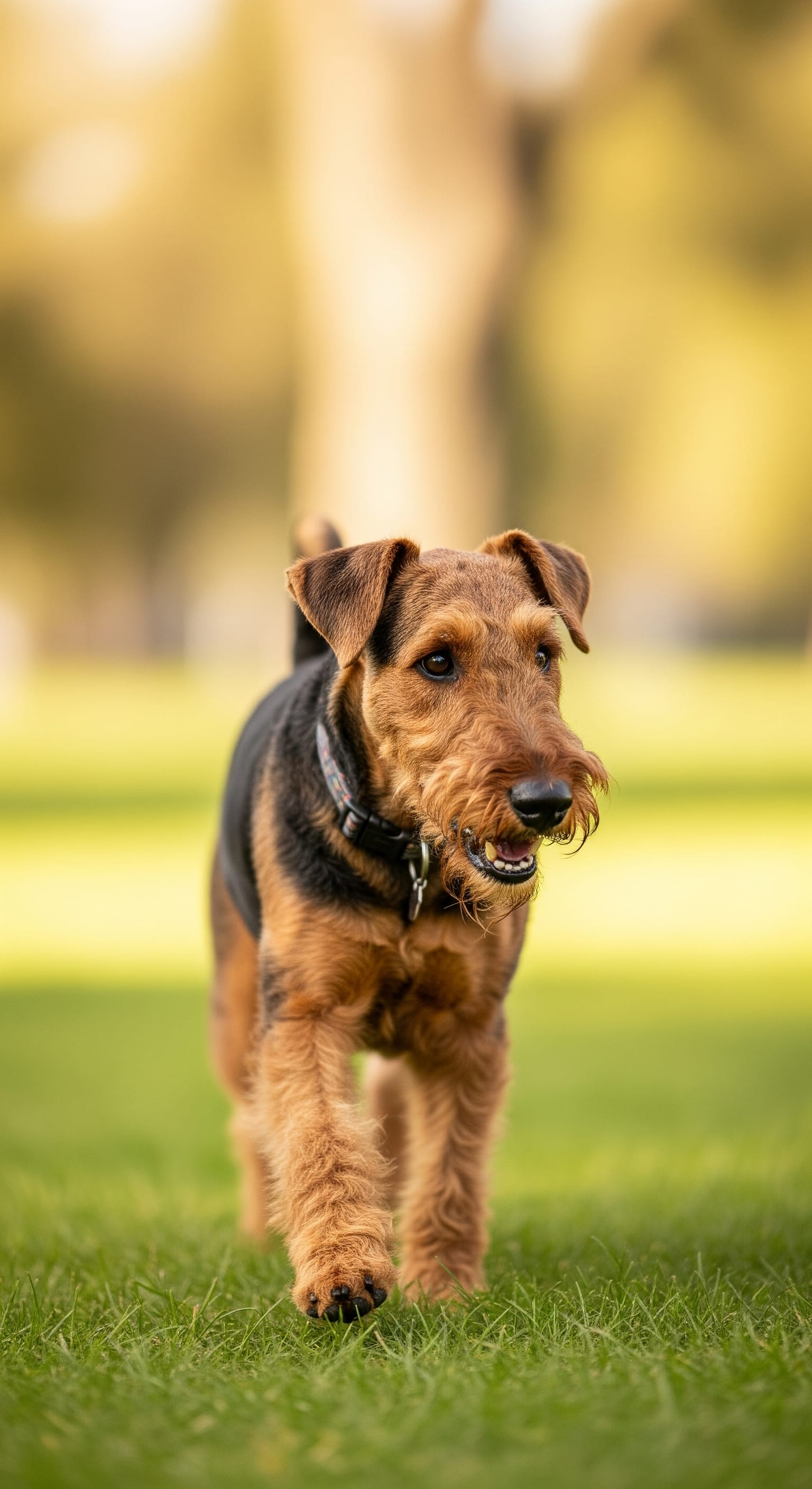
What to Look For in Airedale-Like Breeds
Here’s exactly what to look for if you want an Airedale vibe but need a smaller dog—think searching for your favorite superhero’s sidekick who shares similar powers and looks:
Physical traits:
- Wiry, tough coat: Airedale-like breeds have a rough, wiry coat. It’s weather-resistant, kind of like Spider-Man’s suit—built to handle all sorts of conditions.
- Black and tan colors: Most breeds like this come in classic black-and-tan fur, but you can find other colors too.
- Rectangular body: They have a rectangular shape—longer body, solid build, like a smaller Captain America.
- Smart, alert face: They look focused, alert, and intelligent—picture Tony Stark figuring things out.
- V-shaped ears: Their ears fold into a neat V-shape, adding to their alert look.
Personality traits:
- Smart and easy to train: These breeds pick things up quickly—think Hermione Granger level smart and ready to learn.
- Confident and fearless: They don’t back down easily, acting fearless and brave, kind of like Katniss Everdeen.
- Strong hunting instinct: Originally bred to hunt, they’re energetic and love chasing things—imagine Rocket Raccoon chasing after something shiny.
- Loyal family dog: They stick with their family, protecting and caring deeply—like Groot, always by Rocket’s side.
- Needs regular exercise: These breeds need regular activity and playtime—think daily missions to burn off their energy.
Grooming Requirements for Terrier Breeds
Here’s exactly how grooming works for terrier breeds.
Think of it as regular “maintenance checks”—just like Iron Man keeps his suit in good shape, you’ve got to keep your dog looking and feeling good.
Regular coat maintenance:
- Hand-stripping: Show terriers need something called “hand-stripping,” about 2–3 times a year. It’s gently pulling out old fur by hand, keeping the coat healthy.
- Clipping: Pet terriers usually get clipped every 6–8 weeks. It’s quicker and easier—like getting a regular haircut instead of a Hollywood makeover.
- Weekly brushing: Brush once a week to stop the coat from getting tangled and messy. It’s like regularly brushing out your hair—no knots, less hassle.
- Professional grooming: Every 6–8 weeks, visit a pro groomer for a neat trim and check-up.
Daily care:
- Teeth brushing: Brush your terrier’s teeth often. Daily brushing stops dental issues, kind of like flossing regularly to avoid a dentist trip.
- Nail trimming: Clip their nails every 2–3 weeks. Short nails mean your dog can run comfortably—no Wolverine claws needed.
- Ear cleaning: Check and clean ears regularly to avoid infections. Think of it as tuning up your earbuds to keep them working well.
- Eye cleaning: Gently clean around their eyes often to stop build-up or irritation. Just quick daily care—like wiping off glasses or sunglasses so you see clearly.
Health Considerations
Here’s the deal about health for terrier breeds—it’s important info, but easy to follow.
Think of it like knowing your superhero’s weaknesses, so you keep them safe.
Hip dysplasia
More common in bigger dogs (like Airedales).
It’s when the hip joint doesn’t fit right, causing pain and trouble moving, like Iron Man’s armor joints getting rusty and slowing down movement.
Eye problems
Especially common for Welsh Terriers.
Regular eye checks can catch issues early—like Spider-Man keeping his Spidey-sense sharp to avoid trouble.
Skin allergies
Terriers often have sensitive skin.
Allergies can cause itching, redness, or irritation—think of it like Peter Parker reacting to something radioactive, but way less cool.
Hypothyroidism
This is when their body doesn’t produce enough thyroid hormone.
Dogs can feel sluggish, gain weight easily, or lose fur. It’s like your dog suddenly getting tired all the time—no fun.
Cancer
Some terriers have a higher risk of cancer.
Regular vet checkups can catch it early—think of it like regular doctor visits to spot trouble before it starts.
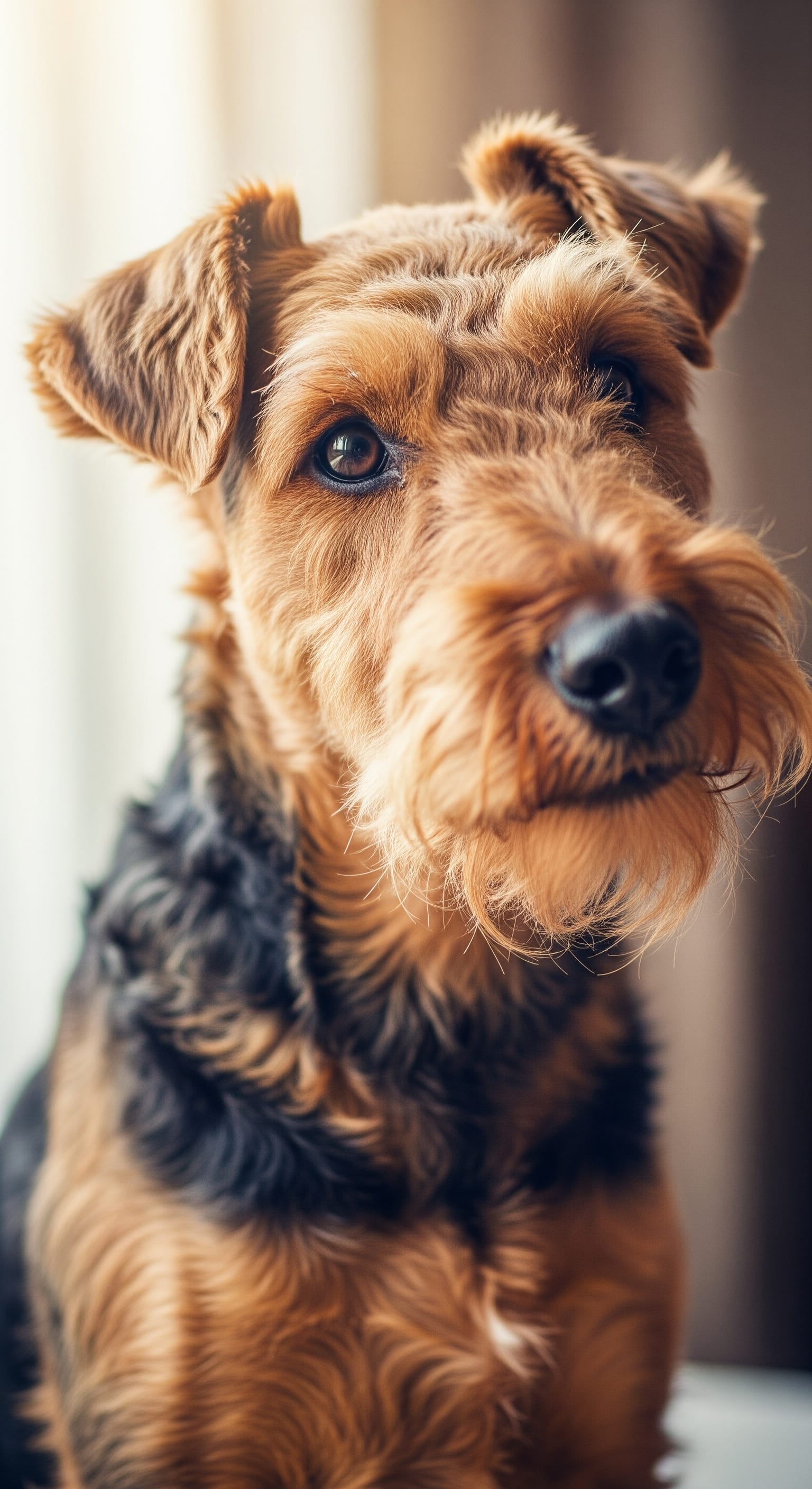
Training and Socialization
Here’s exactly what you need to know about training and socializing terrier breeds—think of it like training your Pokémon: start early, be clear, and have fun.
Why early training matters:
Terriers are smart and energetic.
They learn fast but can also get stubborn, like Tony Stark—super clever but needs clear rules early on.
Start socializing early:
Take puppies to puppy classes and let them meet other dogs and people.
It’s like the Avengers learning to work together—early teamwork builds better behavior later.
Positive reinforcement:
Reward good behavior with treats, praise, or play.
Like giving Spider-Man a thumbs-up after a good rescue, encouragement works better than punishment.
Consistency is key:
Make clear rules and stick to them.
Dogs learn faster if the rules don’t change—think of it as having clear house rules to keep everyone happy.
Mental stimulation:
Terriers love puzzles and challenges.
Use puzzle toys and short training games to keep their brain busy. It’s like giving your dog mini missions every day.
Manage prey drive:
Terriers have strong hunting instincts.
Expose them early (in controlled ways) to small animals and distractions. It’s like training Thor not to swing his hammer around everything he sees.
Exercise requirements
Terriers have lots of energy—they need exercise every day:
Daily walks:
Walk your dog 30–60 minutes daily, depending on their size. Think of it as their daily quest to burn off energy.
Mental activities:
Puzzle toys, short training sessions, and learning new tricks keep their minds sharp. Like daily brain workouts to level up.
Playtime:
Let them play in a secure yard or visit dog parks. This helps them socialize, exercise, and have fun—it’s like hanging out with their own team of Avengers.
Dog sports and activities:
Terriers love activities like agility, obedience training, or scent work. It’s their version of superhero training—fun and challenging.
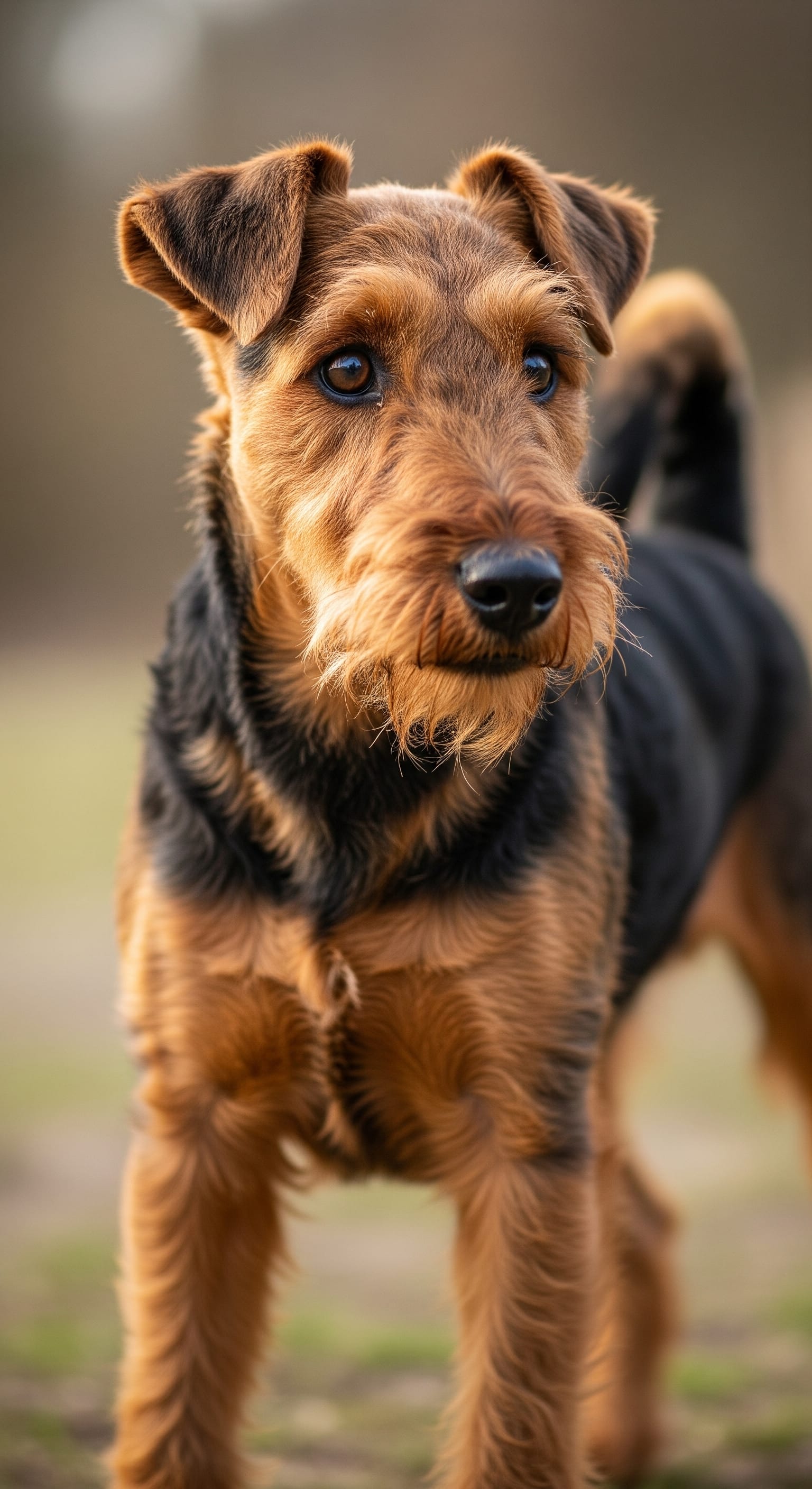
Living with a Terrier: What to Expect
Here’s exactly what life with a terrier looks like—think of it like sharing your home with a playful but strong-willed character, like Loki. Fun, smart, but needs clear rules.
The terrier personality
Terriers have big personalities packed into small bodies. Here’s what to prepare for:
Strong-willed:
Terriers can be stubborn.
They’ll test your patience, like dealing with Tony Stark—smart, confident, but needs clear rules to behave.
High energy:
Expect daily exercise.
Terriers are always ready for action, kind of like Sonic—they need playtime, walks, and adventures.
Protective instinct:
Terriers are loyal and protective of their family—think of them as your personal Groot, always ready to defend their people.
Selective with other dogs:
Not every terrier gets along with all pets.
They might pick favorites—think Batman, who has allies but can be picky about partners.
Smart and mischievous:
Terriers get bored easily and can cause trouble if ignored, like Loki making mischief when he’s bored. Keep them busy!
Daily life considerations
Secure fencing:
Terriers are escape artists. Secure your yard or they’ll try to sneak out—think Rocket Raccoon plotting his next escape mission.
Routine is important:
A consistent daily schedule helps your dog behave better, like following daily missions or quests in a video game.
Mental stimulation:
Use puzzle toys and training games to keep their brain active.
Without it, expect chewed-up shoes or furniture—your dog’s version of Loki’s boredom chaos.
Watch small pets:
Terriers have a strong prey drive—they’ll chase small animals. Always supervise, or smaller pets might feel like Thor’s hammer hitting unexpectedly.
Conclusion
There’s no real “mini Airedale,” but breeds like Welsh or Lakeland Terriers have similar traits in a smaller size.
They’re not just tiny Airedales—each has its own personality, like choosing Miles Morales instead of Peter Parker.
Do your homework, pick a trustworthy breeder, and make sure the breed matches your lifestyle.
With training and care, these terriers can be your loyal sidekick for years.

- Does Cat Litter Melt Ice? The Complete Guide to Winter Safety - January 30, 2026
- Happy Tail Dogs: Understanding This Common Canine Condition - January 29, 2026
- How Cold Can Outdoor Cats Handle? Feline Winter Safety - January 27, 2026
GIPHY App Key not set. Please check settings