

 Lauryn Dell
The raw diet for dogs has gained massive attention among pet owners seeking a more natural, biologically appropriate way of feeding their furry companions.
With claims of improved coat quality, better digestion, and increased energy, the raw food diet for dogs sounds appealing.
However, many veterinarians warn of potential health risks, including bacterial contamination and nutritional imbalances.
In this comprehensive guide, we will explore is a raw diet safe for dogs, its potential benefits, the risks you should consider, and how to transition your dog safely if you decide to try this feeding method.
What is a Raw Diet ?
The raw dog food diet typically consists of:
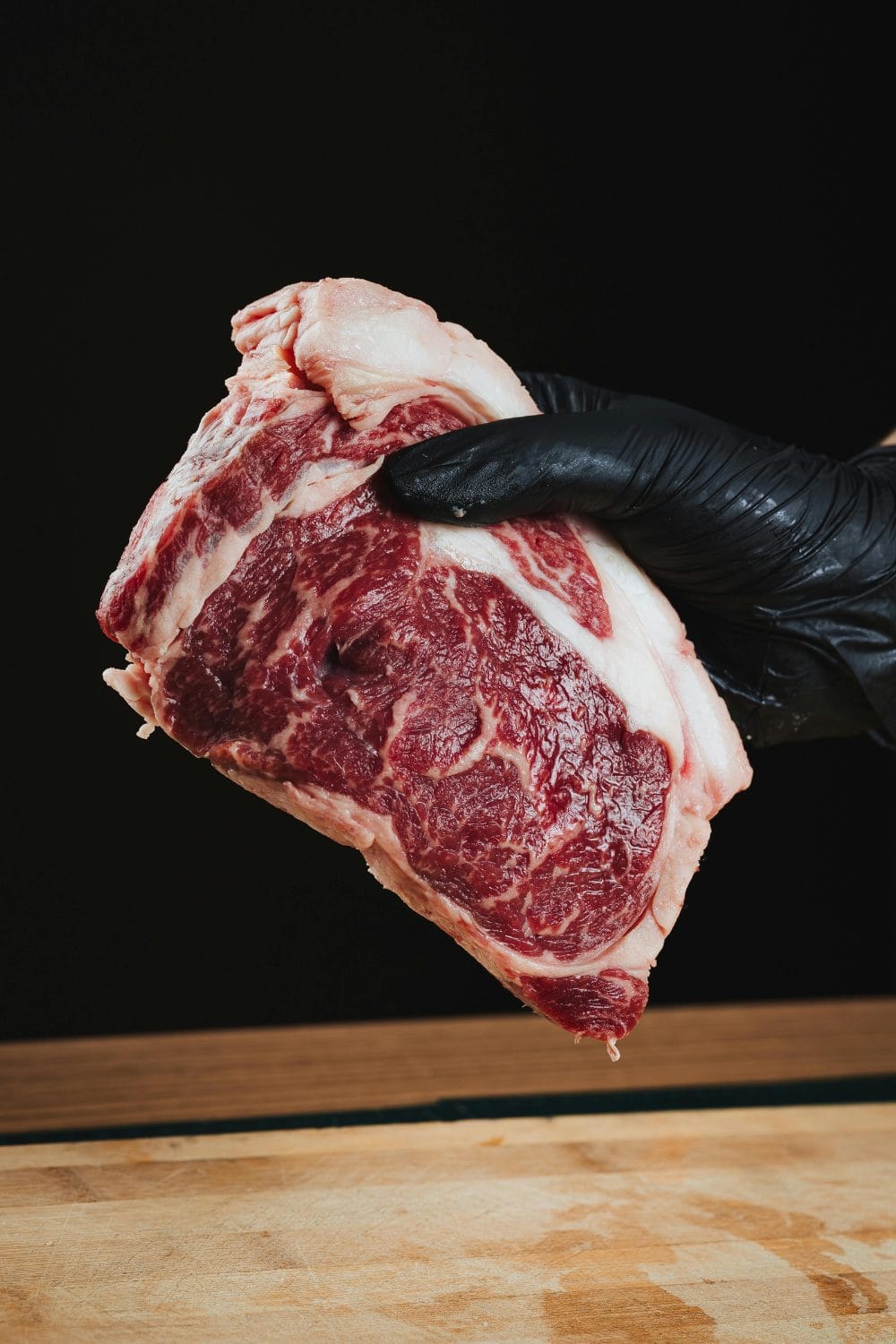
- Raw muscle meat
- Organ meats (liver, kidneys)
- Raw meaty bones
- Eggs
- Vegetables and fruits (in small amounts)
- Supplements (fish oil, vitamin E, etc.)
Popularized by the BARF diet (Biologically Appropriate Raw Food or Bones and Raw Food), the idea is to mimic what dogs’ wild ancestors would have eaten before domestication.
Benefits of a Raw Diet for Dogs
Many owners report health improvements when switching to a raw food diet, including:
Improved Coat and Skin Health
A raw diet for dogs is often high in omega-3 fatty acids from raw meats and fish, which can promote a shinier coat and reduce skin irritations.
Better Dental Health
Chewing on raw meaty bones may help naturally clean teeth and reduce plaque buildup, promoting fresher breath.
Smaller, Firmer Stools
Raw-fed dogs often produce smaller, less odorous stools due to the higher digestibility of a raw diet.
Increased Energy and Lean Muscle Mass
Owners frequently notice their dogs have better energy levels and leaner body conditions on a raw food diet for dogs, especially active and working breeds.

Risks and Concerns of Feeding Raw Diets to Dogs
Despite the potential benefits, there are legitimate concerns regarding feeding a raw diet for dogs.
Bacterial Contamination
Raw meats can carry harmful bacteria like Salmonella and E. coli, which can infect both dogs and humans handling the food.
Nutritional Imbalance
Feeding a homemade raw dog food diet without expert guidance can lead to deficiencies or excesses in essential nutrients like calcium, phosphorus, and vitamin D.
Risk of Bone Injuries
Feeding raw bones can lead to broken teeth, choking, or gastrointestinal obstructions if the bones splinter.
Veterinary Opposition
Many veterinarians do not recommend raw dog food diets due to these risks, particularly in households with young children, the elderly, or immunocompromised members.

How to Safely Transition Your Dog to a Raw Diet
If you decide that a raw food diet for dogs is worth exploring, take the following precautions to minimize risks:
- Consult a Veterinary Nutritionist
Work with a professional to create a balanced raw dog food recipe to avoid nutritional deficiencies.
- Source High-Quality Meats
Choose human-grade meats from reliable suppliers to reduce bacterial risks.
- Follow Proper Hygiene
Disinfect surfaces, wash hands thoroughly, and avoid cross-contamination while preparing raw meals.
- Start Gradually
Begin by introducing raw food in small amounts mixed with your dog’s current diet to monitor for digestive upset.
- Avoid Dangerous Bones
Feed raw meaty bones that are appropriately sized for your dog to minimize choking or splintering risks. Never feed cooked bones.
Common Myths About Raw Feeding
- Myth: All dogs thrive on a raw food
While many dogs do well on raw, some with weakened immune systems or health issues may not tolerate it well.
- Myth: Raw diets are automatically balanced
Simply feeding raw meat does not provide all essential nutrients, which is why a planned, balanced raw dog food diet is critical.
- Myth: Dogs cannot get sick from bacteria
Dogs can still get Salmonella infections, and they can shed bacteria in their stool, creating risks for your family.
Final Thoughts: Is a Raw Diet Safe for Dogs?
The raw diet offers potential benefits like healthier coats, improved dental health, and better energy. However, it also carries risks, including bacterial contamination, nutritional imbalances, and bone-related injuries.
If you wish to explore raw feeding:
- Research thoroughly.
- Consult a veterinary nutritionist.
- Source high-quality ingredients.
- Monitor your dog’s health regularly.
Every dog is unique, and what works for one may not work for another. By weighing the pros and cons of raw feeding for dogs, you can make the best choice for your companion’s long-term health and happiness.
Frequently Asked Questions
Not all dogs can tolerate a raw diet. Puppies, seniors, and dogs with immune issues may be at higher risk of infections and nutritional imbalances.
Yes, but it requires precise knowledge to ensure the diet is balanced. Consulting a veterinary nutritionist is highly recommended.
While not essential, small amounts of vegetables and fruits can provide fiber and antioxidants in a BARF diet for dogs.
Yes, many brands offer frozen or freeze-dried commercial raw dog food options that are balanced and safer than homemade raw diets if you’re unsure about formulation.
Positive signs include a shinier coat, better stool quality, improved energy, and healthy weight. Always monitor your dog’s health with regular vet checkups while on a raw food diet for dogs.

- Mushroom Complex Supplements for Dogs with Cancer: A Guide - March 25, 2026
- 15 Meaningful Dog Memorial Tattoo Ideas & Costs - March 20, 2026
- Best Horse Hoof Supplement Reviews for Beginners (2026) - March 19, 2026
GIPHY App Key not set. Please check settings