

 Lauryn Dell
Welcoming a new puppy into your home is like inviting a bundle of pure, unadulterated joy into your life.
There is the scent of puppy breath, the soft pitter-patter of paws on hardwood, and those soul-searching eyes that melt your heart instantly. However, that honeymoon phase often meets a sharp reality—literally.
In this comprehensive guide, we will explore the emotional and practical sides of puppy mouthing.
You will learn the psychological reasons behind the nipping, how to implement positive redirection, and the exact steps to train a puppy not to bite using gentle, effective methods.
We will dive into the importance of bite inhibition, the best toys for soothing sore gums, and how to maintain your patience when your patience—and your skin—is wearing thin. By the end of this article, you will have a clear, actionable roadmap to turn those nips into kisses.
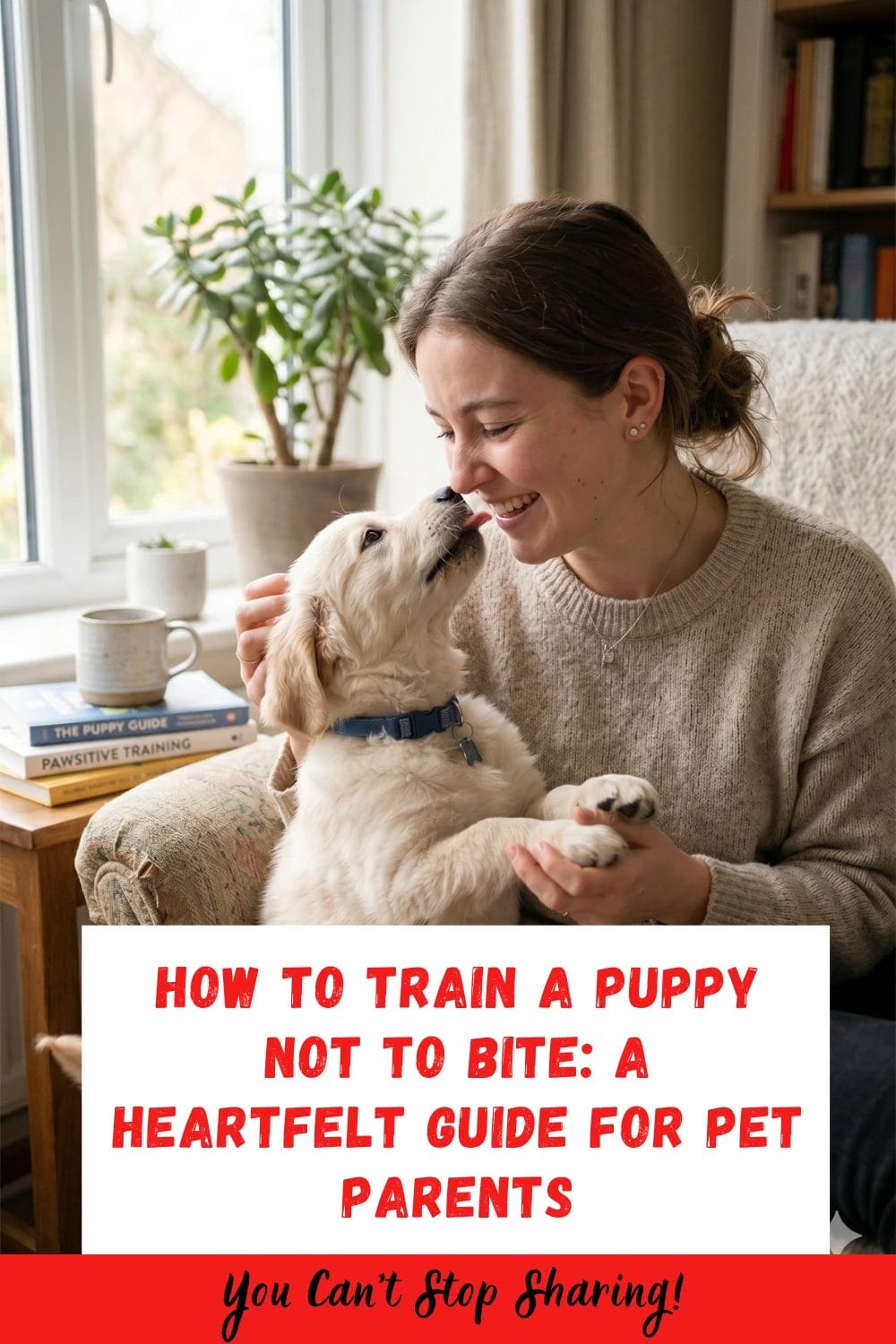
Understanding Why Your Puppy Bites
Before we can fix the behavior, we have to understand the “why.” Puppies don’t have hands to pick up objects or explore textures; they use their mouths. To a young dog, your moving hands look like the ultimate interactive toy.
The Teething Timeline
Just like human infants, puppies go through a rigorous teething process. Between 12 to 16 weeks of age, their permanent teeth begin to push through, causing significant discomfort. Biting provides a counter-pressure that temporarily relieves that aching sensation in their gums.
Play and Socialization
In the litter, puppies play-fight. When one puppy bites another too hard, the victim lets out a high-pitched yelp and stops playing. This is a crucial life lesson in “bite inhibition.” When they enter your home, they are looking for that same feedback from their new “human pack.”
Step-by-Step: How to Train a Puppy Not to Bite
Training is not about punishment; it is about communication. Your goal is to show your puppy that biting causes the fun to stop. If you remain consistent, you can train a puppy not to bite in a relatively short period.
Teach Bite Inhibition First
Before you try to stop biting altogether, you must teach your puppy to be gentle. This is called bite inhibition. If your puppy nips your hand during play, let out a sharp, high-pitched “Ouch!” or “Yip!”
- Freeze: Let your hand go limp.
- Wait: Give them about 10 to 20 seconds to realize the “prey” has stopped moving.
- Resume: If they back off, praise them softly and continue playing.
The Power of Redirection
One of the most effective ways to train a puppy not to bite is to offer an alternative. Always have a toy within arm’s reach. The moment you feel teeth on skin, gently slide a chew toy into their mouth.
Choosing the Right Chew Toys
- Rubber Toys: Durable and bouncy, these are great for active chewers.
- Frozen Washcloths: A damp, frozen cloth can work wonders for inflamed gums.
- Rope Toys: Good for interactive tugging, but always supervise to ensure they don’t swallow threads.
The “Time-Out” Method
If redirection doesn’t work and your puppy is becoming overly “land shark-y,” it’s time for a short break. This isn’t a “jail sentence”; it’s a reset. Quietly walk out of the room or put them in a puppy-proof playpen for two minutes. This teaches them that biting results in the loss of their favorite person.
Creating a Bite-Free Environment at Home
Your home setup plays a huge role in your success. A tired puppy is a well-behaved puppy, but an overtired puppy is often a biting puppy.
Managing High-Energy Bursts (The Zoomies)
Most pet parents notice a spike in nipping during the evening. This is often due to overstimulation. To train a puppy not to bite during these frantic hours, try to engage them in a “brain game” like a snuffle mat or a treat-dispensing puzzle rather than a high-energy game of chase.
Safe Zones and Boundaries
Using baby gates or crates helps manage the puppy’s access to “tempting” targets like your feet as you walk. If you can’t supervise them closely, they should be in a safe space where they can only chew on approved items.
Handling the “Ankle Nipper”
Does your puppy love to lung at your feet while you walk? This is a herding instinct. To combat this, keep a toy in your pocket. As you walk, drop the toy or drag it along the floor to entice them to chase the object instead of your heels. Consistent redirection is the secret to train a puppy not to bite your moving limbs.
Tips for the Frustrated Pet Parent
It is okay to feel overwhelmed. Raising a puppy is hard work! Here are a few heart-to-heart tips to keep your spirits up:
- Don’t take it personally: Your puppy isn’t trying to hurt you; they are trying to engage with you.
- Avoid physical discipline: Smacking a puppy’s nose or holding their mouth shut can lead to fear-based aggression later in life.
- Celebrate small wins: Did they choose a bone over your slipper today? That’s a huge victory!
- Consistency is key: Ensure everyone in the household is using the same words and methods.
When to Seek Professional Help
Most mouthing is normal, but if you notice stiff body language, snarling, or if the biting seems driven by fear or anger rather than play, it may be time to call a professional positive-reinforcement trainer. Early intervention is the best way to train a puppy not to bite if the behavior stems from anxiety.
Conclusion: A Journey of Patience and Love
Training a puppy is a marathon, not a sprint. Those sharp teeth are a temporary phase, but the bond you are building through patient, kind training will last a lifetime.
Remember to breathe, stay consistent with your redirection, and keep those chew toys handy. You have the tools and the heart to train a puppy not to bite, turning your home back into the peaceful sanctuary it’s meant to be.
If you found this guide helpful, share it with a fellow pet parent who might be struggling with a “land shark” of their own! For more heartwarming tips on raising a happy, healthy dog, subscribe to our newsletter today.
FAQs
Most puppies begin to understand bite inhibition within 2 to 4 weeks of consistent training. However, the urge to mouth usually persists until they finish teething, typically around 6 months of age.
Puppies often bite the person they spend the most time with or the person who engages in the most active play. They may view you as their primary “littermate.”
Yes, as long as there are rules! Tug-of-war is a great outlet for energy. If their teeth touch your hand, the game ends immediately. This reinforces the lesson as you train a puppy not to bite during high-excitement activities.

- Thanksgiving Dog Treats: Safe Recipes & Foods to Avoid - October 8, 2026
- Can Dogs Eat Sweet Potatoes? Benefits, Risks, and How to Serve Them Safe - October 3, 2026
- Can Dogs Eat Rice? Benefits, Risks & Safe Serving Tips - October 2, 2026
GIPHY App Key not set. Please check settings